
Why Your Policy Requires You to Prevent Further Damage, Starting Immediately
You've just found water where it shouldn't be, or you're standing in a room that used to be a bedroom and now smells like smoke, and somewhere in the back of your mind a voice is asking what happens next. Maybe you've already called your insurance company and heard a phrase that didn't quite register at the time: something about your "duty to mitigate." It's a strange thing to be told in the middle of a crisis that the paperwork has expectations of you too. If you're trying to understand what that duty actually means, and why it exists, and whether you're already behind on it, you're not alone in wondering that. Most people never read this part of their policy until the day they need to.
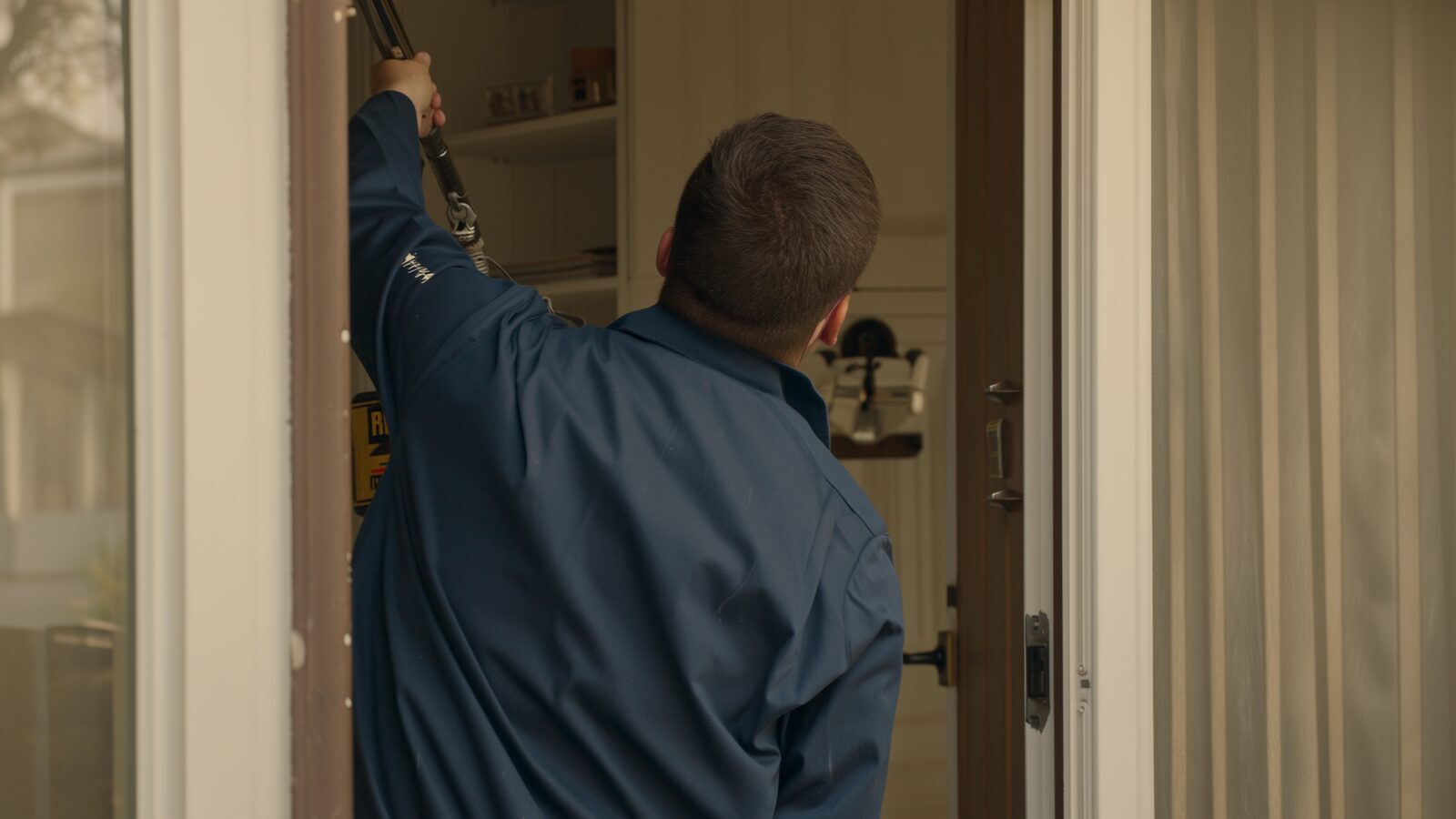
Why Your Policy Requires You to Prevent Further Damage, Starting Immediately
What the 'duty to mitigate' actually says
Nearly every homeowners and commercial property policy contains language requiring the policyholder to take reasonable steps to prevent further damage after a covered loss. It's usually a short paragraph, easy to skim past when you first bought the policy. But it's not boilerplate. It's a condition of coverage. The insurer is agreeing to pay for the damage that already happened, not for damage that kept happening because nobody addressed the source. If a pipe burst and soaked a room, the expectation is that you shut off the water and start drying the space, not that you wait a week for an adjuster's convenience while the moisture spreads into walls, subfloors, and cabinetry that were never touched by the original event.
Why insurers write it this way
From the insurer's side, this isn't about distrust of the homeowner. It's about the difference between a loss and a preventable loss. Water and smoke behave predictably once they're loose in a structure: water wicks upward and sideways through porous materials, and smoke residue continues to etch into surfaces and off-gas odor for as long as it sits. An insurer covers the damage caused by the event itself. Damage that accumulates afterward, because a wet carpet sat unaddressed for days or a soot-covered vent kept recirculating particles through the HVAC system, falls into a gray area that can complicate or reduce a claim. The mitigation requirement exists to draw a clear line between the two.
What 'immediately' looks like in practice
You don't need special equipment to satisfy the first hours of this duty. It usually means: shutting off the water source if you can safely reach the valve, moving furniture and belongings away from standing water, opening windows or running fans if there's smoke odor and it's safe to ventilate, and photographing everything before you move or touch it. It does not mean you're expected to perform structural drying or full soot removal yourself. It means you're expected to stop the bleeding, document what you found, and get professional mitigation started without unnecessary delay. There's a real difference between 'I couldn't get anyone out here for two days' and 'I didn't do anything for two days.' Insurers generally understand the first. The second is what creates disputes.
Why delay is the thing that actually costs you
The financial risk in a claim usually isn't the original event. It's what grows in the gap between the event and the response. Drywall that could have been saved with prompt drying becomes drywall that has to be cut out. A ceiling stain that could have been treated becomes a mold conversation. None of this means you have to be perfect or move faster than is safe. It means understanding that the clock most people picture, an adjuster's schedule, isn't the clock that matters most. The materials in your home are on their own timeline, and that's the one the policy is actually asking you to respect.
Questions people ask us
Does my insurance company expect me to fully dry out or repair the damage myself?
No. The duty to mitigate is about reasonable, immediate steps like stopping the source and limiting spread, not performing professional-grade drying, structural repairs, or soot removal on your own. Those steps belong to a mitigation and restoration professional.
What if I can't get help right away, does that hurt my claim?
Documented, reasonable delay (calling for help and waiting for availability) is generally treated differently than taking no action at all. Photographing conditions and noting when you called for help can matter later.
Should I throw away damaged items before the adjuster sees them?
Generally, document items with photos and video before discarding anything, and keep damaged materials if storage allows, since adjusters and restoration teams often need to see the original condition to assess the loss accurately.
Does this duty apply to both water damage and fire damage?
Yes. The same principle of preventing further, avoidable damage after the event applies whether the loss is water intrusion, fire, or smoke, though the specific first steps differ for each.
The standard our team works to
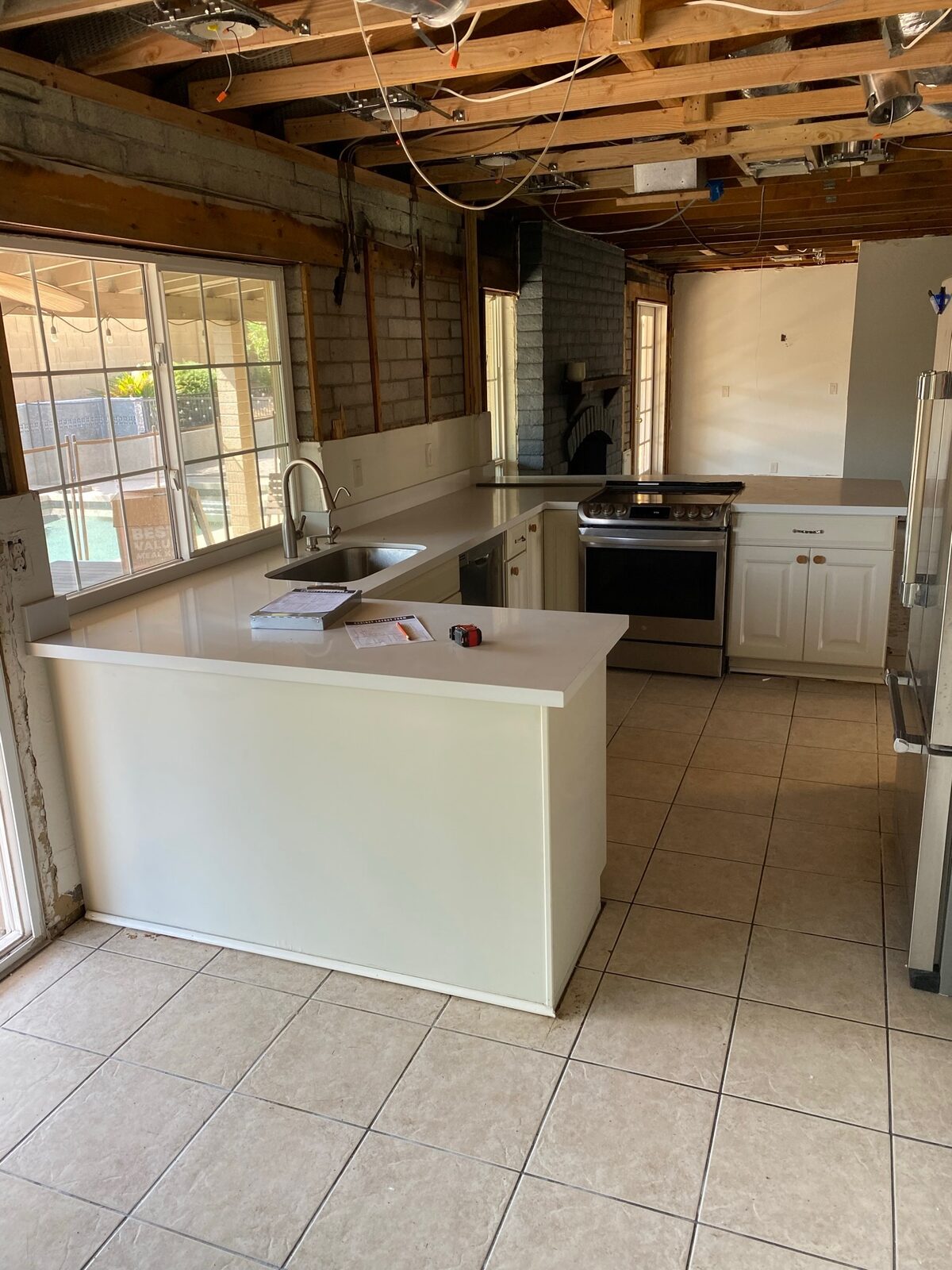
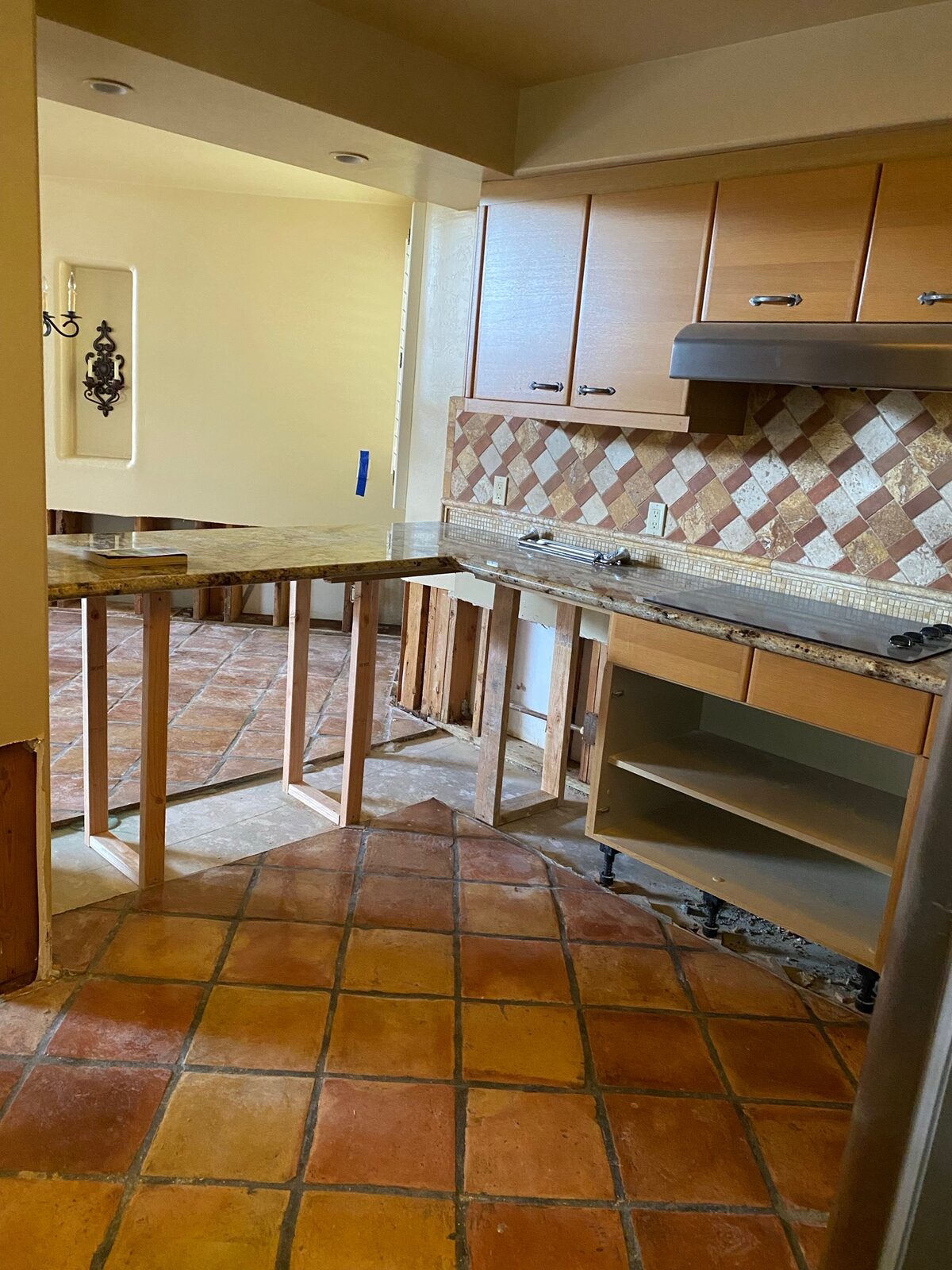
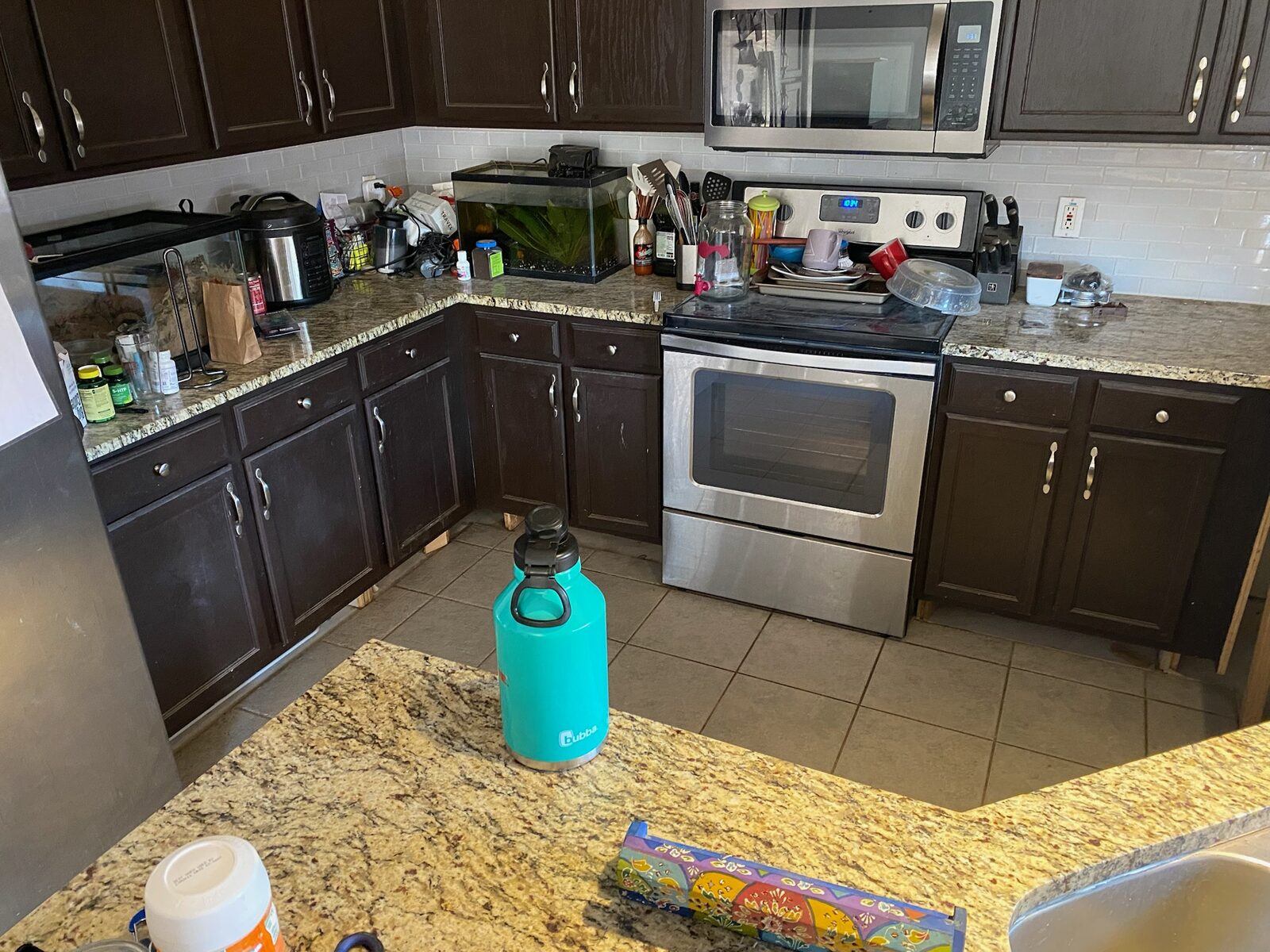
Residential reconstruction work by members of our team. See the full gallery →
More from Gold Water Fire
Abrasive Cleaning Methods for Soot on Framing and Masonry
A look at how abrasive cleaning methods remove soot from wood framing and masonry after a fire, and when each method fits the material.
AC Condensate Line Clogs & the Water Damage They Cause in Phoenix Homes
Why Phoenix AC condensate lines clog every summer, what the water damage looks like, and how to find the source before the ceiling stain spreads again.
Actual Cash Value vs Replacement Cost: Why Your Check Might Not Match the Repair Bill
Confused why your insurance check seems short after fire or water damage? Learn the difference between actual cash value and replacement cost coverage.
If you're not sure what to do in these first hours, you don't have to figure it out alone
Gold Water Fire helps Phoenix-area homeowners understand what needs to happen right now after water or fire damage, and can begin mitigation work directly. Call (480) 999-3339 or reach out through our contact page.
Call (480) 999-3339Water Damage Restoration · Fire Damage Restoration · Contact Gold Water Fire