
What Actually Happens When a Restoration Crew Arrives at Your Home
You've made the call, someone said they're on the way, and now you're standing in a hallway with wet carpet under your feet or the smell of smoke in everything you own, waiting. It is an uncomfortable stretch of time. You don't know how many people are about to walk through your door, what they'll want to do first, whether they'll tear something out, or how long any of it takes. Most people have never had a restoration crew in their house before and have no reference point for what "normal" looks like.
What Actually Happens When a Restoration Crew Arrives at Your Home
The walkthrough comes before anything gets touched
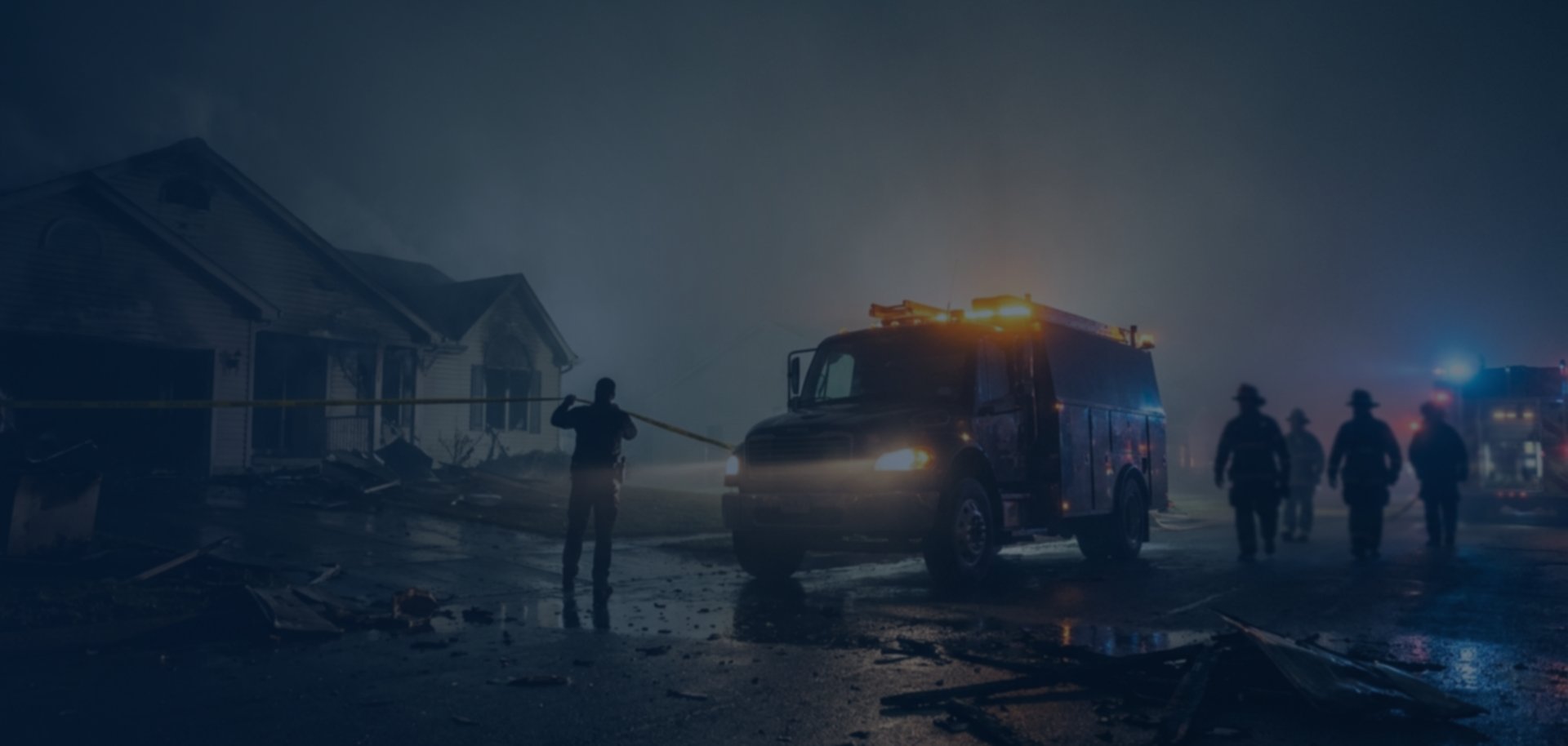
The first thing a competent crew does is walk the property with you, not unload trucks. That walkthrough has a specific purpose: find the source, find the edge of the damage, and find the hazards. Expect to be asked when it started, whether the water was shut off, what the water came from (supply line, drain line, sewage, roof, appliance), and what has already been moved or cleaned up. Those answers change everything downstream. Clean supply-line water and a backed-up sewer line are handled under completely different rules, and the timeline matters too: clean water that has sat for a couple of days no longer behaves like clean water. On a fire job, the walkthrough focuses on where the smoke traveled rather than where the flames were. Smoke follows air movement, so it ends up in closets, HVAC returns, wall cavities, and upper floors that never saw fire. The crew is also looking for structural concerns, live electrical near water, and whether the property is secure. A hole in a roof or a missing window usually gets addressed before anything else, because a second night of rain or an unsecured opening makes the loss bigger. A good walkthrough also covers what you care about. If there are photographs, documents, medications, or a specific piece of furniture you're worried about, say so during this pass. It is much easier to plan around those items before equipment goes in than after.
Documentation, moisture mapping, and why they check dry rooms
Before drying starts, the damage gets documented. Photos, a sketch or measurement of affected rooms, and moisture readings room by room. This isn't paperwork for its own sake. It is the record that supports an insurance claim, and it is the baseline that proves later on that the structure actually dried. The main tools you'll see: Moisture meters. A pin meter puts two small probes into drywall or wood to read moisture content at depth. A pinless meter reads through a surface without marking it. Crews use both, and they take readings in unaffected rooms too. That's not wasted effort. An unaffected room gives the dry standard, the number a material in your house reads when it's normal. Without it, there's no way to know when the wet areas are actually done. Thermal camera. This shows surface temperature differences, and evaporating water makes a surface cooler. It's a scanning tool that says 'check here,' not proof of moisture on its own. Anything a thermal camera flags gets confirmed with a meter. Thermo-hygrometer. Measures temperature and relative humidity, indoors and outdoors. This drives the drying plan, because you cannot pull moisture out of materials into air that is already saturated. Expect probing in places that look fine: baseboards, the bottom foot of drywall, under cabinet toe-kicks, the subfloor beneath a floor covering, and the wall on the opposite side of a wet one. Water moves sideways and downward through framing and insulation, and the wet spot you can see is usually smaller than the wet area that exists.
The first real decisions: what stays, what comes out, what dries in place
Once the mapping is done, a handful of decisions get made early because delaying them costs you. Restore or remove. Some materials release water and dry in place: solid wood framing, hardwood in many cases, concrete, tile, plaster. Others hold water and don't recover: wet fiberglass or cellulose insulation, particleboard and MDF cabinet bases, most saturated carpet pad, and drywall that has been wet long enough to lose integrity. When drywall does come out, it is often cut in a straight line a set height off the floor rather than removed wall to wall, so the cavity behind it can be opened, dried, and later closed up cleanly. Category and class. Category describes how contaminated the water is; class describes how much material is wet and how hard it will be to dry. Together they decide whether something can be cleaned and kept or has to be discarded, and whether containment and negative air are needed. Contents. Furniture may get blocked up on foam or plastic tabs to keep legs out of moisture and prevent stain transfer onto carpet. Items may be moved to a dry room or, on bigger losses, packed out and stored off site. Equipment placement. Air movers are aimed at a low angle along wet surfaces to lift moisture into the air; dehumidifiers pull that moisture back out. The count isn't arbitrary. It comes from the square footage, the class of the loss, and the humidity readings. Air scrubbers with HEPA filtration run when there's contamination or heavy smoke residue. It will be loud and warm, and the equipment needs to keep running. Turning it off overnight to sleep can undo a day of progress, so if the noise is unworkable, ask about relocating equipment or where you might stay instead of shutting it down. Monitoring follows. Someone should return to re-read moisture levels and adjust equipment until readings hit the dry standard set on day one. Drying is finished when the numbers say so, not when a surface feels dry to the hand.
What comes next, and where the rebuild fits
Mitigation and reconstruction are two different phases. Mitigation stops the damage and dries the structure. Reconstruction puts the house back: drywall, texture, paint, trim, flooring, cabinetry, and whatever was removed to reach the wet or smoke-affected areas. That gap between phases is where a lot of homeowners get stuck, because the drying crew leaves and the house is open. It helps to know before mitigation ends who is handling the rebuild and what the scope covers, so the two phases connect instead of stalling. Gold Water Fire handles both sides of that under one roof. You can read more about the drying and mitigation phase on our water damage restoration page, how smoke and soot work on our fire damage restoration page, and the rebuild phase on our reconstruction and rebuild page. Brandon Gurr, our Construction Manager, leads the reconstruction side. Reach us at (480) 999-3339 or Help@goldwaterfire.com.
Questions people ask us
How many people should I expect to show up?
It varies with the size of the loss. A single wet room is often one or two technicians. A large loss involving multiple rooms, a whole floor, or fire damage will bring a bigger crew, plus someone acting as lead who walks the property with you and answers questions.
Do I have to be there for the whole thing?
You should be there for the initial walkthrough. That's when the source, the affected areas, and any items you're concerned about get identified, and when the plan is set. After equipment is running, you don't need to stand by, but someone should be available for return visits to take moisture readings.
Why are they cutting drywall if the wall looks fine from outside?
Insulation and framing inside a wall cavity hold water long after the painted surface looks and feels dry. Opening the cavity lets air and dehumidification reach it. Left closed, that moisture stays trapped, and trapped moisture in a dark cavity is how mold problems start.
Can I turn the fans off at night?
Shutting equipment down interrupts the drying cycle and can add days to the job. If the noise or heat is unmanageable, ask about repositioning the equipment, closing off the area, or arranging somewhere else to sleep rather than powering it down.
The standard our team works to
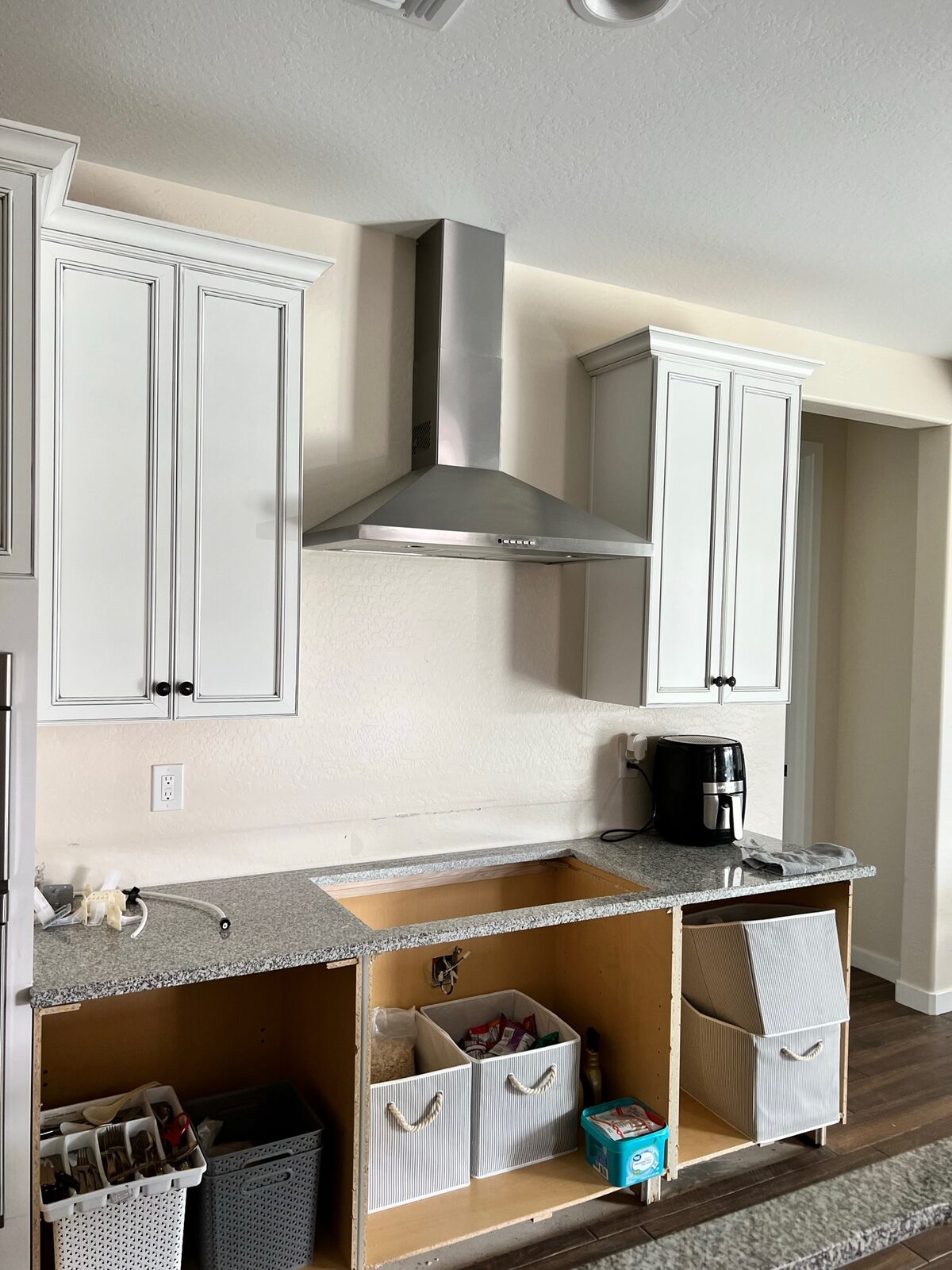
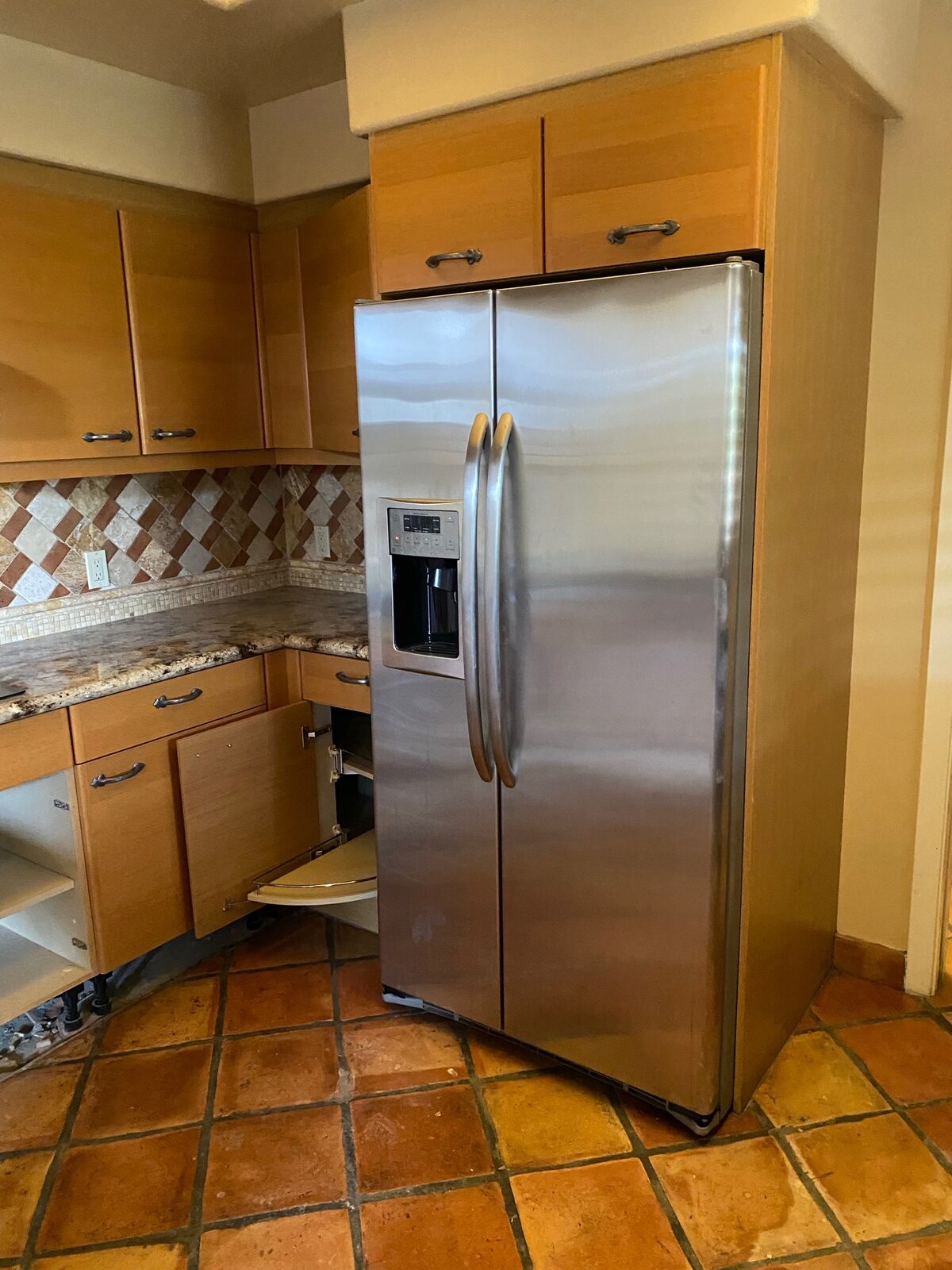
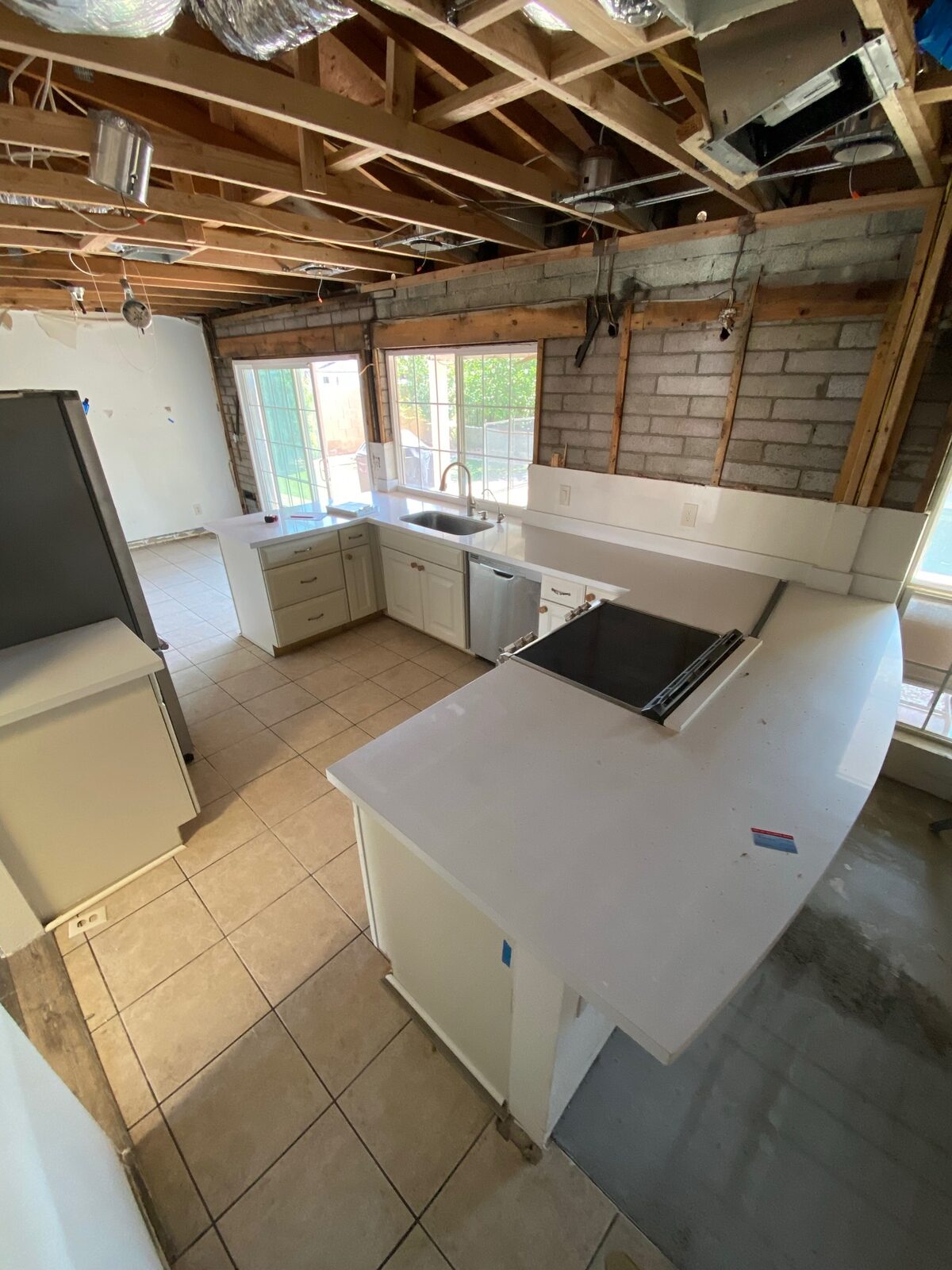
Residential reconstruction work by members of our team. See the full gallery →
More from Gold Water Fire
Abrasive Cleaning Methods for Soot on Framing and Masonry
A look at how abrasive cleaning methods remove soot from wood framing and masonry after a fire, and when each method fits the material.
AC Condensate Line Clogs & the Water Damage They Cause in Phoenix Homes
Why Phoenix AC condensate lines clog every summer, what the water damage looks like, and how to find the source before the ceiling stain spreads again.
Actual Cash Value vs Replacement Cost: Why Your Check Might Not Match the Repair Bill
Confused why your insurance check seems short after fire or water damage? Learn the difference between actual cash value and replacement cost coverage.
Not sure what stage you're at? Call and describe it.
If you're standing in a wet house or a smoke-damaged one and want to know what should happen next, call Gold Water Fire at (480) 999-3339 or email Help@goldwaterfire.com. We serve the Phoenix metro area: Phoenix, Mesa, Chandler, Scottsdale, Gilbert, Tempe, Glendale, Peoria, Queen Creek and the surrounding communities. AZ ROC #264344 · KB-2.
Call (480) 999-3339Water Damage Restoration · Fire Damage Restoration · Reconstruction & Rebuild · About Gold Water Fire · Contact