
Why Carpet Pad Is Replaced Even When the Carpet Itself Is Saved
You had a leak or a flood, and now someone is telling you the carpet can be saved but the pad underneath has to go. It feels confusing, maybe even a little suspicious. If the carpet dried out fine, why not the layer right below it? You're not wrong to ask. It's a fair question, and the answer has less to do with what's easy to save and more to do with what that padding is actually made of and what it does once it's been sitting wet.
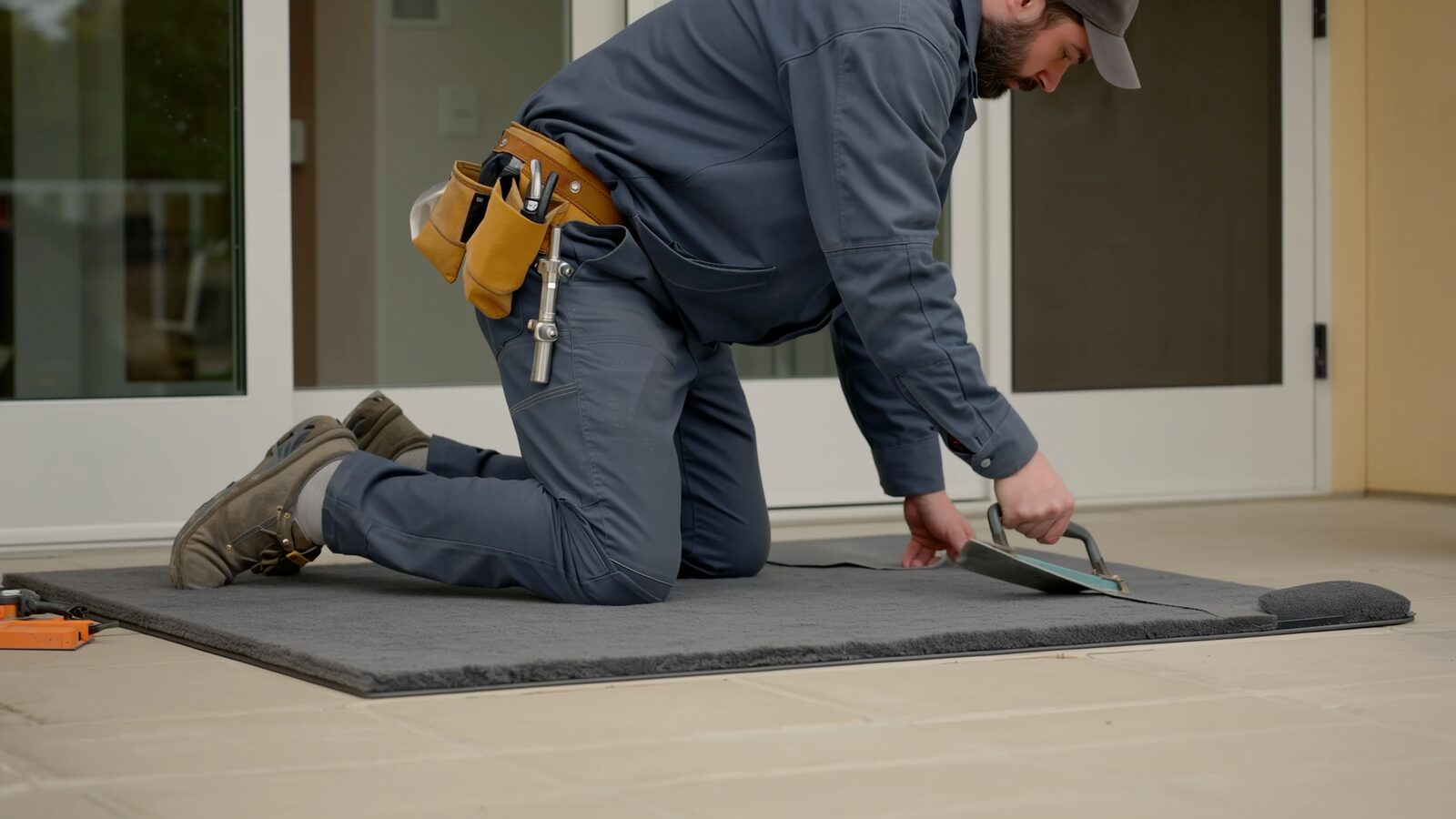
Why Carpet Pad Is Replaced Even When the Carpet Itself Is Saved
What carpet pad actually is
Most residential carpet padding is made from bonded polyurethane foam, sometimes with a fiber or rubber layer. It's designed to be soft, springy, and absorbent, which is exactly what makes it good under your feet and exactly what makes it a problem after water gets in. The same open-cell structure that gives it cushion also lets it act like a sponge. It soaks up water fast and holds onto it much longer than the denser carpet fibers above it.
Why the carpet on top can dry out fine
Carpet fiber, especially synthetic fiber like nylon or polyester, doesn't absorb water the way pad does. Water tends to sit on the surface of the fibers rather than soaking into them, which means it can often be extracted and air dried without permanent damage, as long as it's caught early enough and the backing hasn't broken down. The pad underneath is a different story. It's built to hold things, including moisture, which is precisely why it's so hard to fully dry once it's wet.
Why drying pad in place usually doesn't work
In theory you could try to dry pad without removing it, running air movers and dehumidifiers underneath the carpet. In practice this rarely gets the job done. Pad sits against the subfloor, in a space with almost no airflow, and any residual moisture left behind becomes a breeding ground for mold and mildew within days, especially in a warm climate. There's also the odor issue: pad that has taken on any amount of standing water tends to hold onto that smell permanently, even after it seems dry to the touch. Replacing it is usually faster, cheaper, and more reliable than trying to salvage it.
When the carpet has to go too
Saving the carpet isn't always possible. If water sat for more than a day or two, if the water was contaminated (sewage backup, groundwater, appliance overflow with anything mixed in), or if the carpet backing has started to delaminate or the fibers have wicked visible staining, the carpet often needs to come out along with the pad. General cleanliness matters here: clean water from a supply line break is treated very differently than water from a sewer backup or a flooded yard, which is considered contaminated and typically requires removal of both carpet and pad regardless of how things look on the surface.
How to tell if your pad needs to come out
A few signs that point to pad replacement: a musty smell that doesn't go away after the surface dries, a soft or squishy feel underfoot days after the water event, visible dark spots when you peel back a corner of the carpet, or any water that sat for an extended period before it was noticed. If in doubt, lifting a corner near the affected area and checking the pad directly is the most reliable way to know what you're dealing with.
Questions people ask us
Can carpet pad ever be dried and reused instead of replaced?
It's technically possible in very limited cases, such as a small, quickly caught leak with clean water and immediate extraction, but in most real-world situations it isn't worth the risk. Pad is inexpensive compared to carpet, and the odor and mold risk of reusing wet pad usually outweighs any savings.
Does replacing the pad mean the carpet has to be removed too?
Not necessarily. In many cases the carpet can be pulled back, the wet pad cut out and removed, new pad installed, and the same carpet re-stretched back into place. This depends on the condition of the carpet backing and how it was affected by the water.
How long can pad sit wet before it becomes a mold risk?
Mold growth can begin within a short window in warm, humid conditions, generally cited across the restoration industry as within one to two days for organic materials sitting wet. This is general guidance, not a guarantee, since actual timing depends on temperature, humidity, and airflow in the space.
Is contaminated water always a reason to remove both carpet and pad?
Contaminated water, sometimes called black water, such as sewage backups or floodwater from outside, generally requires removing both carpet and pad because porous materials that touch contaminated water are difficult to fully sanitize. Clean water sources, like a burst supply line, are treated differently and may allow the carpet to be saved.
The standard our team works to
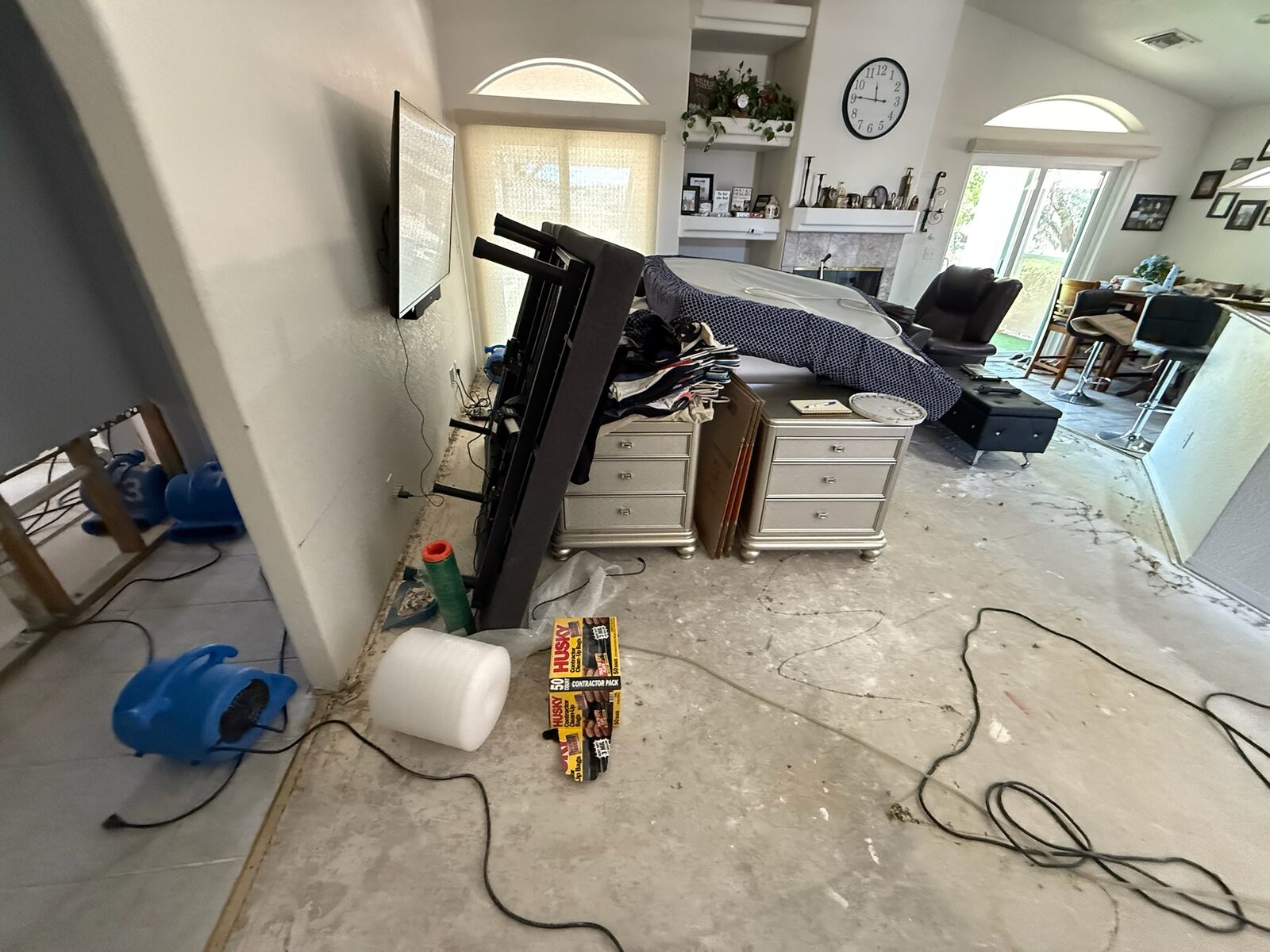
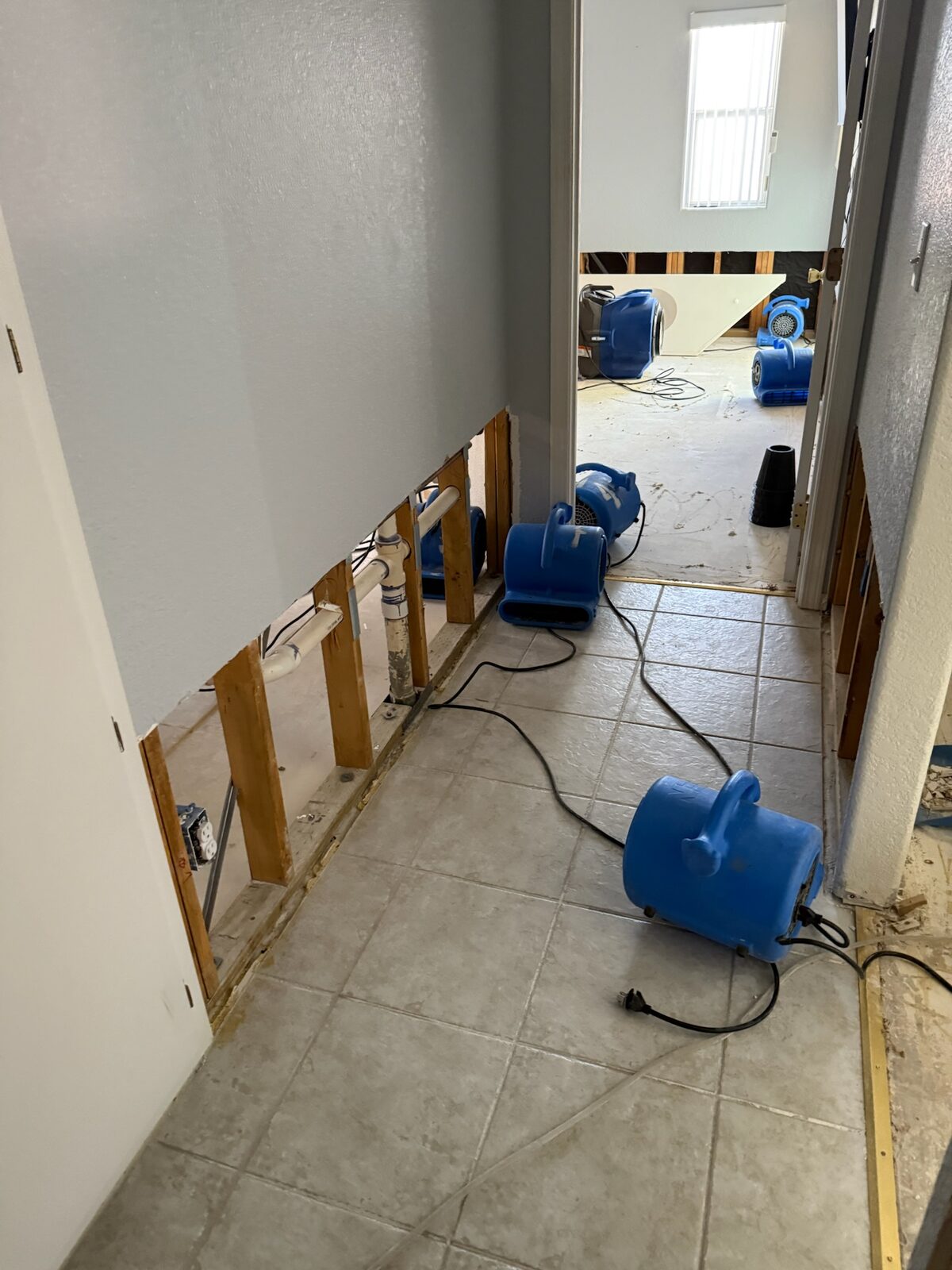
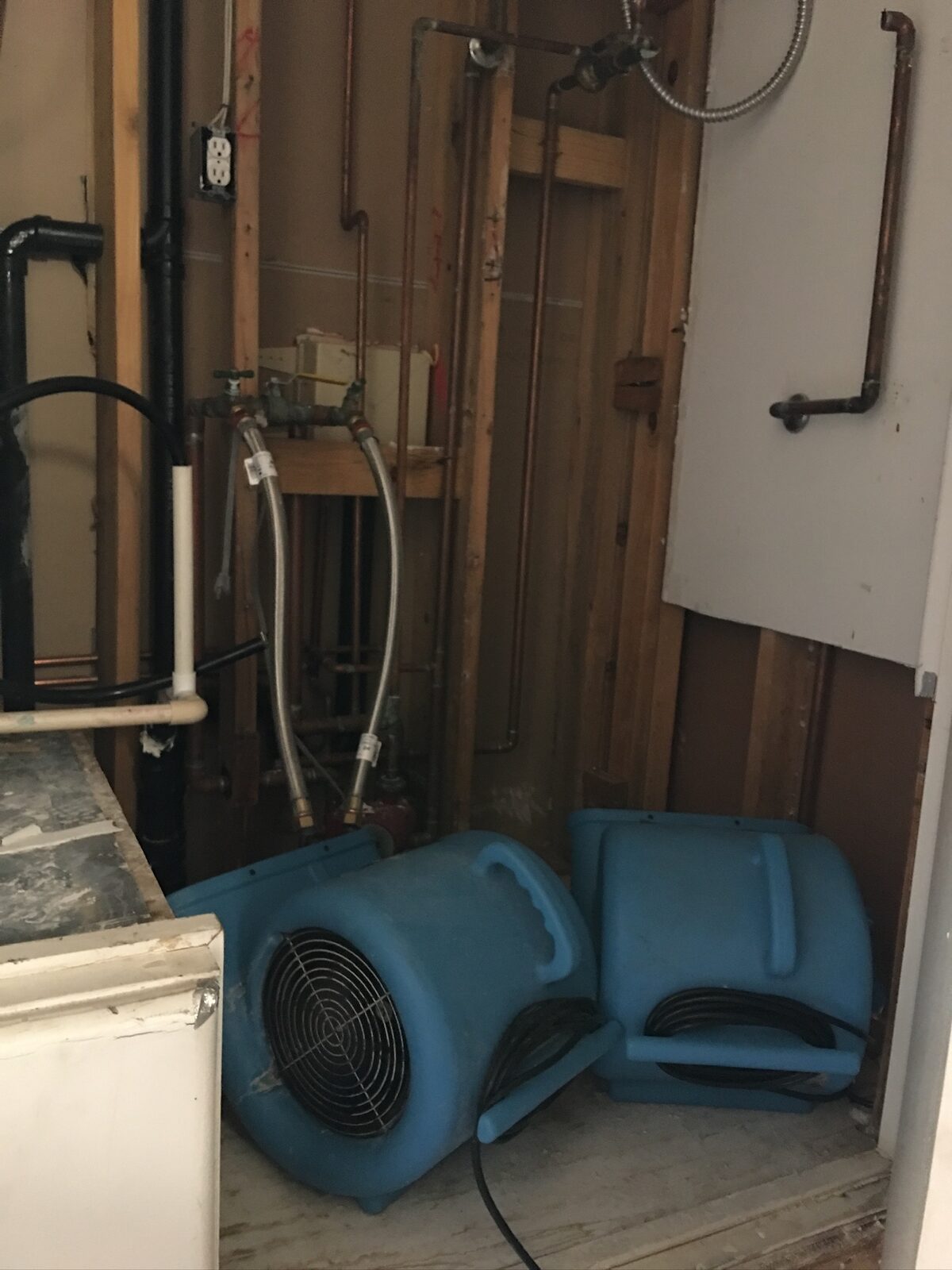
Residential reconstruction work by members of our team. See the full gallery →
More from Gold Water Fire
Abrasive Cleaning Methods for Soot on Framing and Masonry
A look at how abrasive cleaning methods remove soot from wood framing and masonry after a fire, and when each method fits the material.
AC Condensate Line Clogs & the Water Damage They Cause in Phoenix Homes
Why Phoenix AC condensate lines clog every summer, what the water damage looks like, and how to find the source before the ceiling stain spreads again.
Actual Cash Value vs Replacement Cost: Why Your Check Might Not Match the Repair Bill
Confused why your insurance check seems short after fire or water damage? Learn the difference between actual cash value and replacement cost coverage.
Not sure what's salvageable in your home?
If you're dealing with water damage right now and want a straight answer about what can be saved and what needs to come out, Gold Water Fire serves the Phoenix metro area and can walk through it with you. Reach out at (480) 999-3339 or Help@goldwaterfire.com.
Call (480) 999-3339Water Damage Restoration services · About Gold Water Fire · Contact Gold Water Fire