
Monsoon Humidity and Indoor Mold: Why Arizona's Dry Reputation Misleads in August
If you've noticed a musty smell in a closet, a soft spot on drywall, or a faint discoloration creeping across a ceiling tile sometime after a monsoon storm, and you've caught yourself thinking "but it's Arizona, it's dry here, this shouldn't happen," you're not imagining things and you're not wrong to be confused. The confusion itself makes sense. It comes from a true fact (Arizona is dry) meeting a seasonal reality that fact doesn't cover.
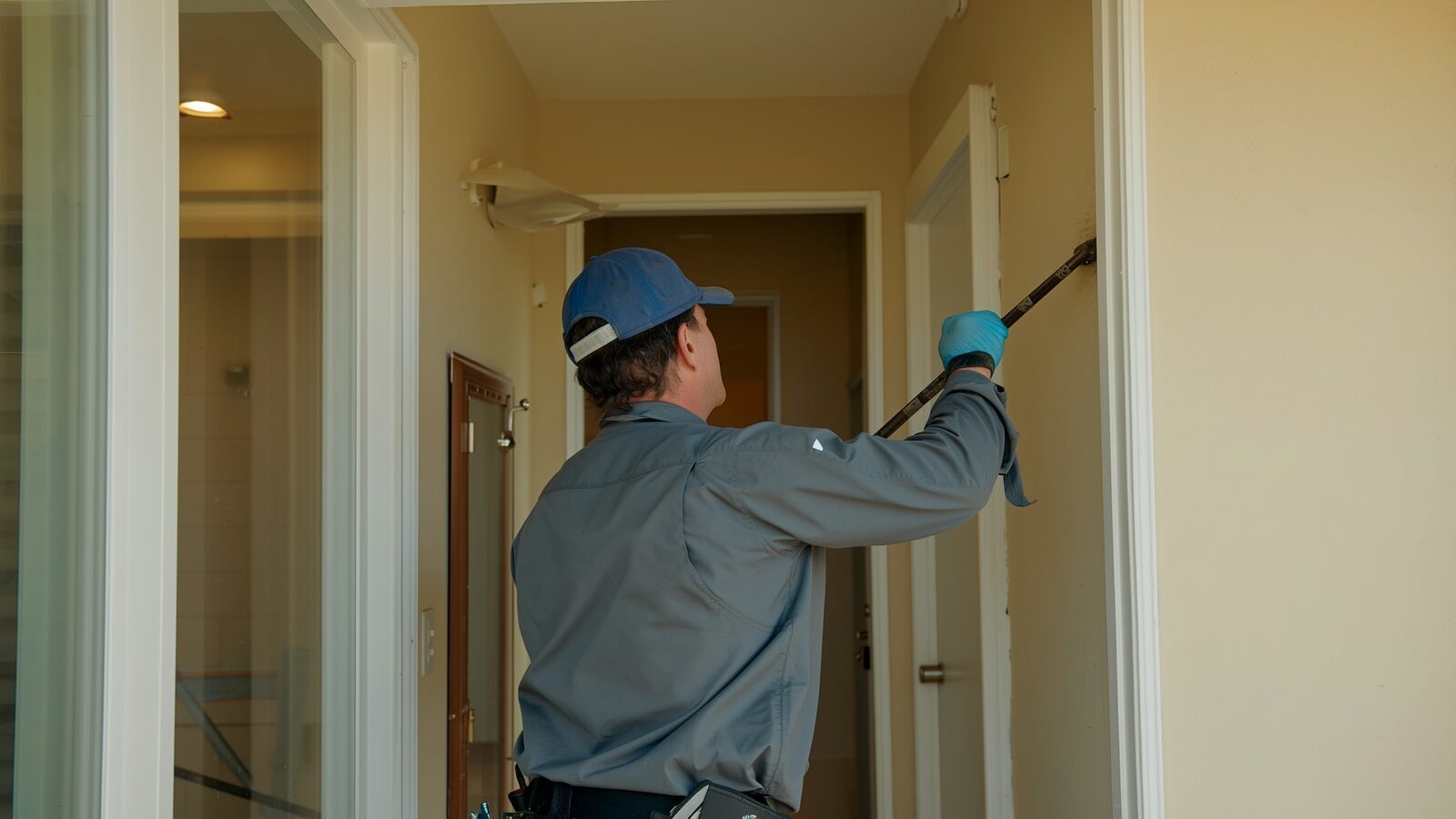
Monsoon Humidity and Indoor Mold: Why Arizona's Dry Reputation Misleads in August
The dry heat reputation only tells half the story
Phoenix's low humidity is real for most of the year. Relative humidity in the metro area often sits in the teens or single digits during May and June. But from roughly late June through September, monsoon moisture moves in from the Gulf of California and Gulf of Mexico, and dew points climb sharply. Relative humidity indoors can spike for hours or days at a time during and after a storm, even if the outdoor air feels dry again by afternoon. A house built and maintained with dry-climate assumptions (minimal vapor barriers, attic ventilation sized for arid conditions, no dehumidification) doesn't adjust to that swing. The building envelope that handles February just fine can struggle with August.
Why mold needs so little time to start
Mold spores are present in nearly every home and every climate. They don't need a flood to activate, they need sustained moisture and organic material to feed on, which drywall paper, wood framing, insulation backing, and dust all provide. Once a surface stays damp, visible colonies can begin forming within about 24 to 48 hours. Monsoon season creates exactly that window: a roof leak during a storm, condensation on cool interior surfaces when humid outdoor air meets air-conditioned rooms, or water that seeps in around a window or door and doesn't fully dry before the next storm arrives days later.
Where monsoon moisture actually gets in
Flat and low-slope roofs, common on Southwest homes, are vulnerable to ponding during heavy monsoon downpours, and small membrane cracks or aging flashing can let water track along a joist for a distance before it ever shows as a ceiling stain. Swamp coolers left connected during monsoon season can add humidity into duct systems not designed to dry out again quickly. Block foundations and stucco exteriors, both common locally, can wick moisture inward after wind-driven rain, especially where a control joint or utility penetration hasn't been sealed. None of these entry points announce themselves loudly. They tend to reveal themselves as a smell, a stain, or a texture change well after the storm that caused them has passed.
What to check after a monsoon storm
Look at ceiling corners and around skylights for new discoloration. Press gently on drywall near exterior walls or under windows, softness or give suggests trapped moisture. Check closets and rooms that get less airflow, since stagnant air holds humidity longer. Pay attention to a musty smell even if you see nothing visually, since mold can develop behind walls or under flooring before it's visible. If a room felt noticeably more humid or smelled different for more than a day or two after a storm, that's worth investigating rather than waiting to see if it resolves on its own.
Questions people ask us
Can mold really grow in a house in the desert?
Yes. Mold needs moisture and a food source, not a particular climate. Arizona's overall dryness slows mold growth most of the year, but monsoon humidity removes that protection for weeks at a time each summer, which is why late-summer mold discovery surprises so many homeowners here.
How long after a monsoon storm can mold start showing up?
Visible colonies can begin forming within roughly one to two days of a surface staying damp, but discoloration or a musty smell might not become noticeable to you for longer if the moisture is behind a wall or under flooring.
Is a musty smell without visible mold still something to worry about?
A persistent musty smell often means moisture and mold activity are present somewhere you can't see yet, such as behind drywall or under carpet padding. It's worth investigating rather than masking with air fresheners.
Does running the air conditioner help during monsoon season?
Air conditioning does reduce indoor humidity as a side effect of cooling, which helps. But it can also create condensation where humid outdoor air meets cold interior surfaces, particularly around poorly insulated windows or ducting, so it isn't a complete fix on its own.
The standard our team works to
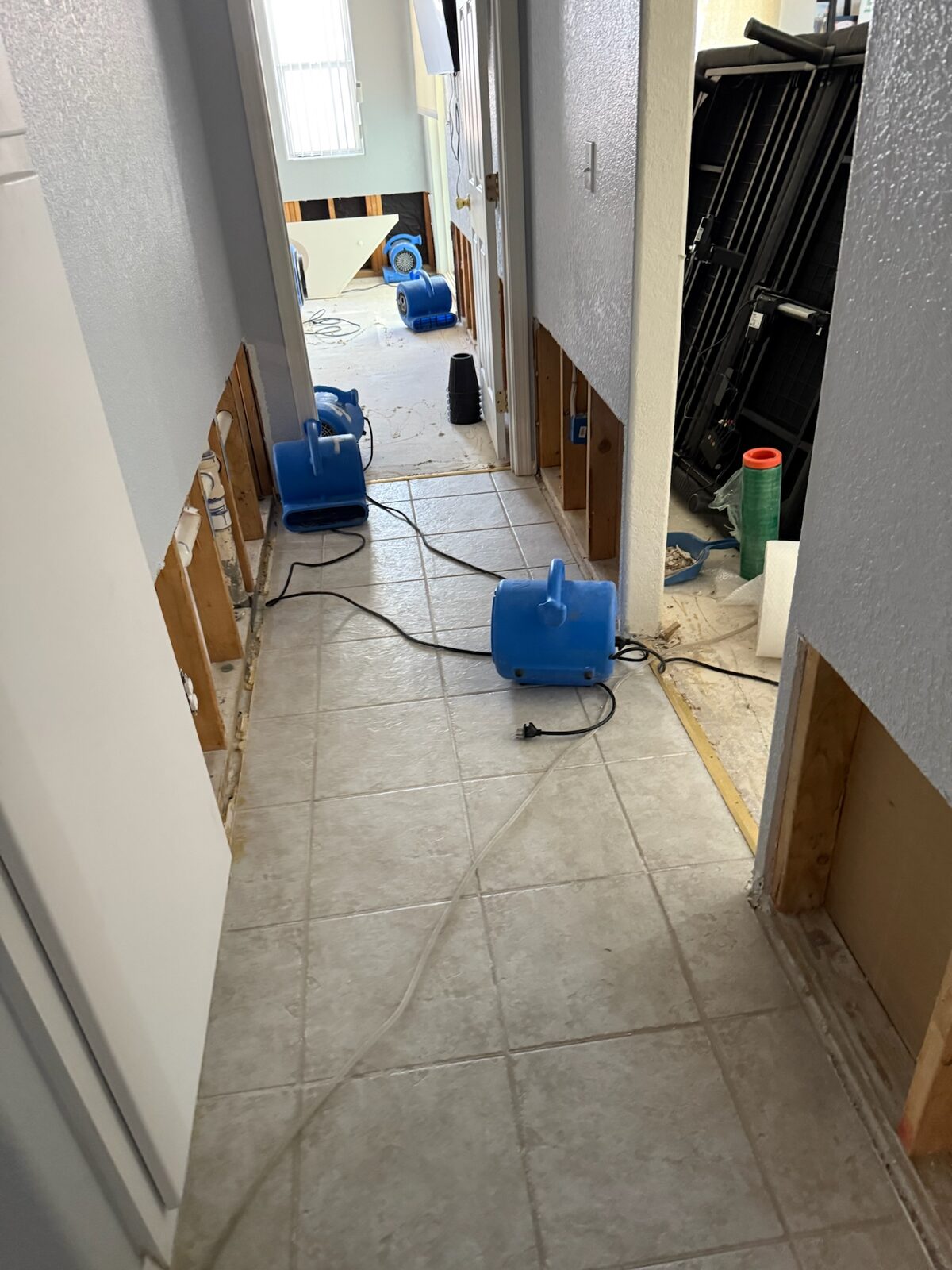
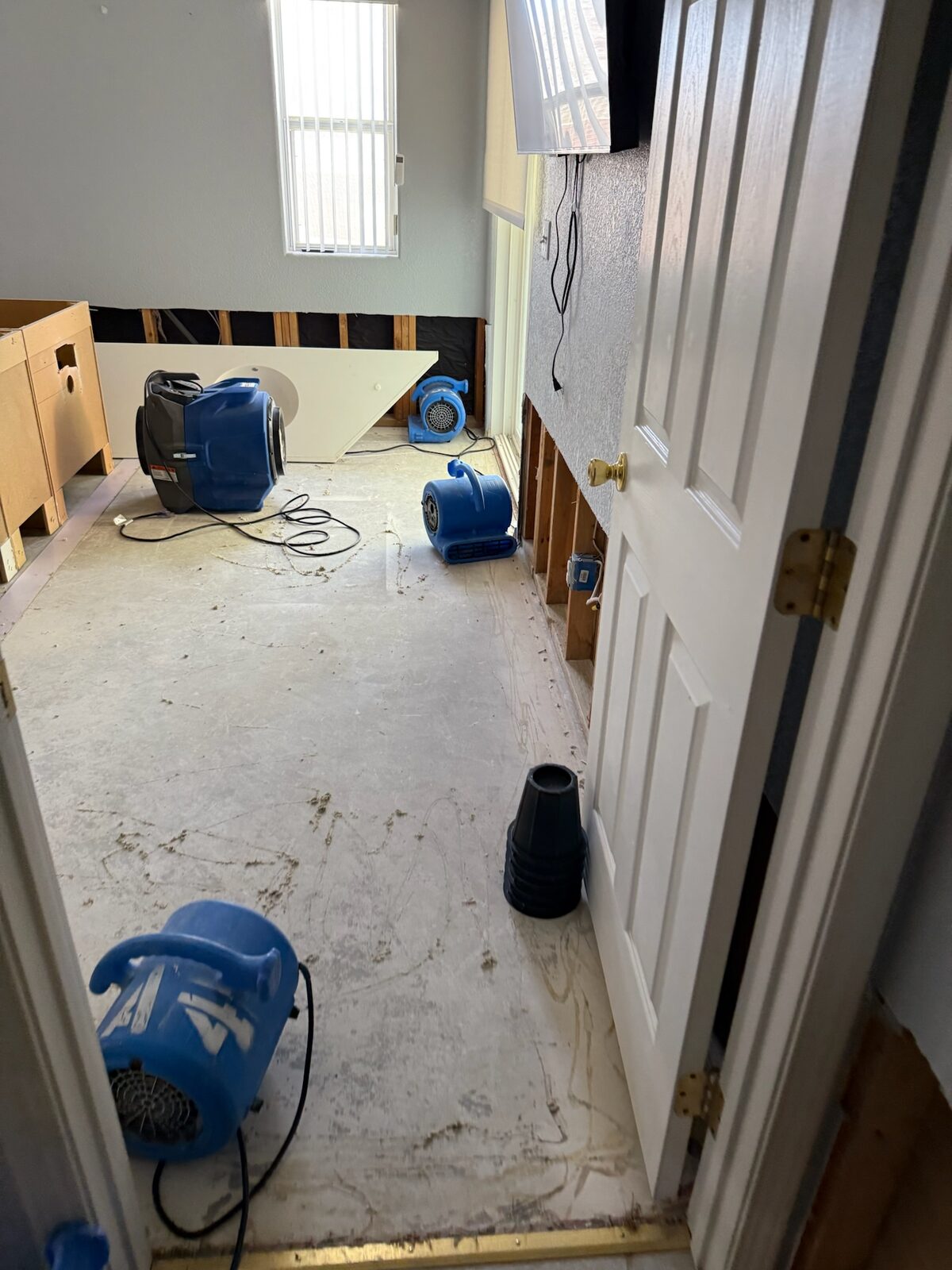
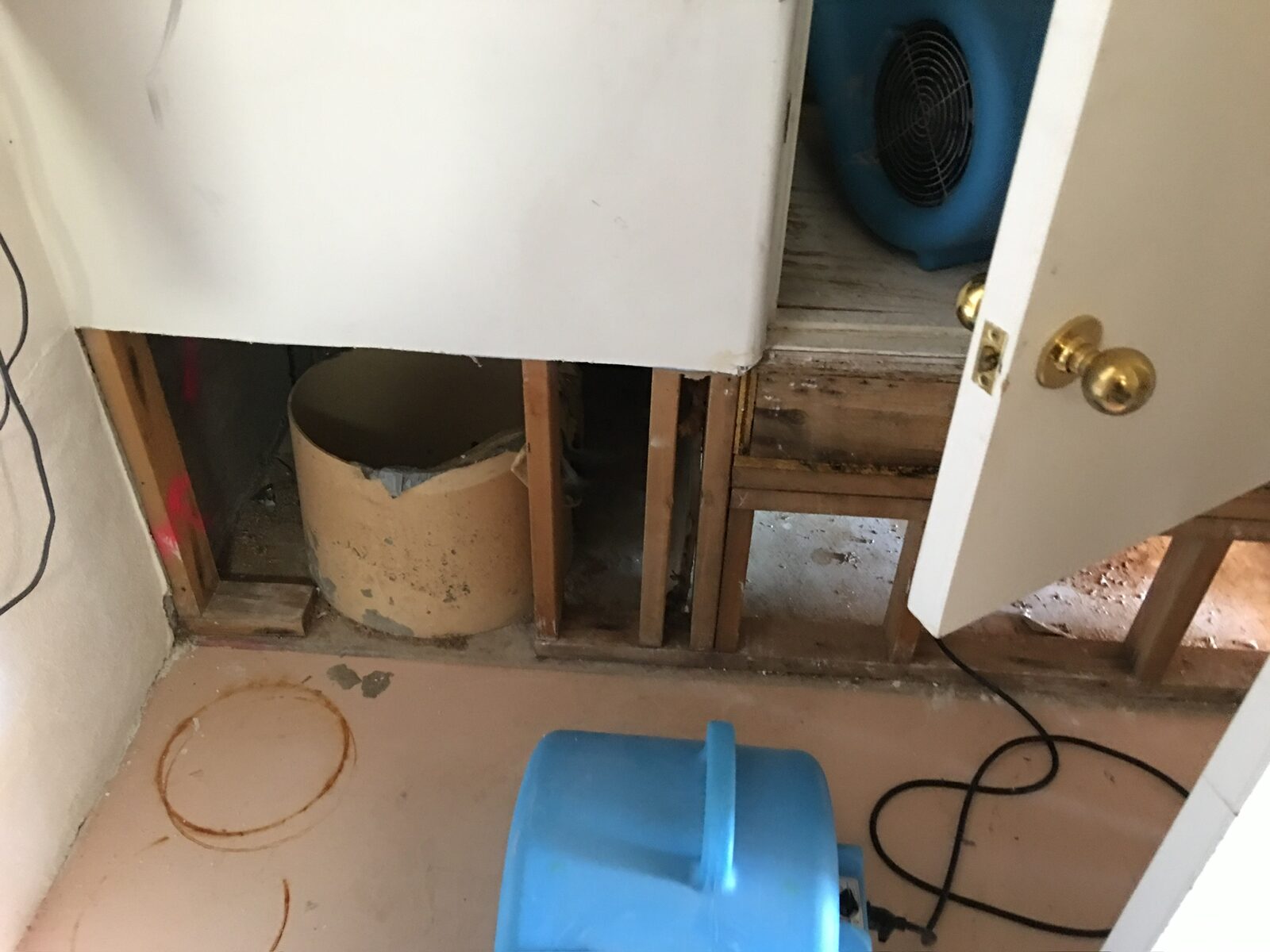
Residential reconstruction work by members of our team. See the full gallery →
More from Gold Water Fire
Abrasive Cleaning Methods for Soot on Framing and Masonry
A look at how abrasive cleaning methods remove soot from wood framing and masonry after a fire, and when each method fits the material.
AC Condensate Line Clogs & the Water Damage They Cause in Phoenix Homes
Why Phoenix AC condensate lines clog every summer, what the water damage looks like, and how to find the source before the ceiling stain spreads again.
Actual Cash Value vs Replacement Cost: Why Your Check Might Not Match the Repair Bill
Confused why your insurance check seems short after fire or water damage? Learn the difference between actual cash value and replacement cost coverage.
Noticed signs of moisture or mold after a storm?
If you've found a stain, a soft spot, or a smell that won't go away, Gold Water Fire can take a look and explain what's actually happening in your home. Reach the team at (480) 999-3339 or Help@goldwaterfire.com, or read more about <a href="/water-damage-restoration.html">water damage restoration</a> and what the process involves.
Call (480) 999-3339Water damage restoration · About Gold Water Fire · Contact us