
Interior Painting as the Last Step of a Restoration
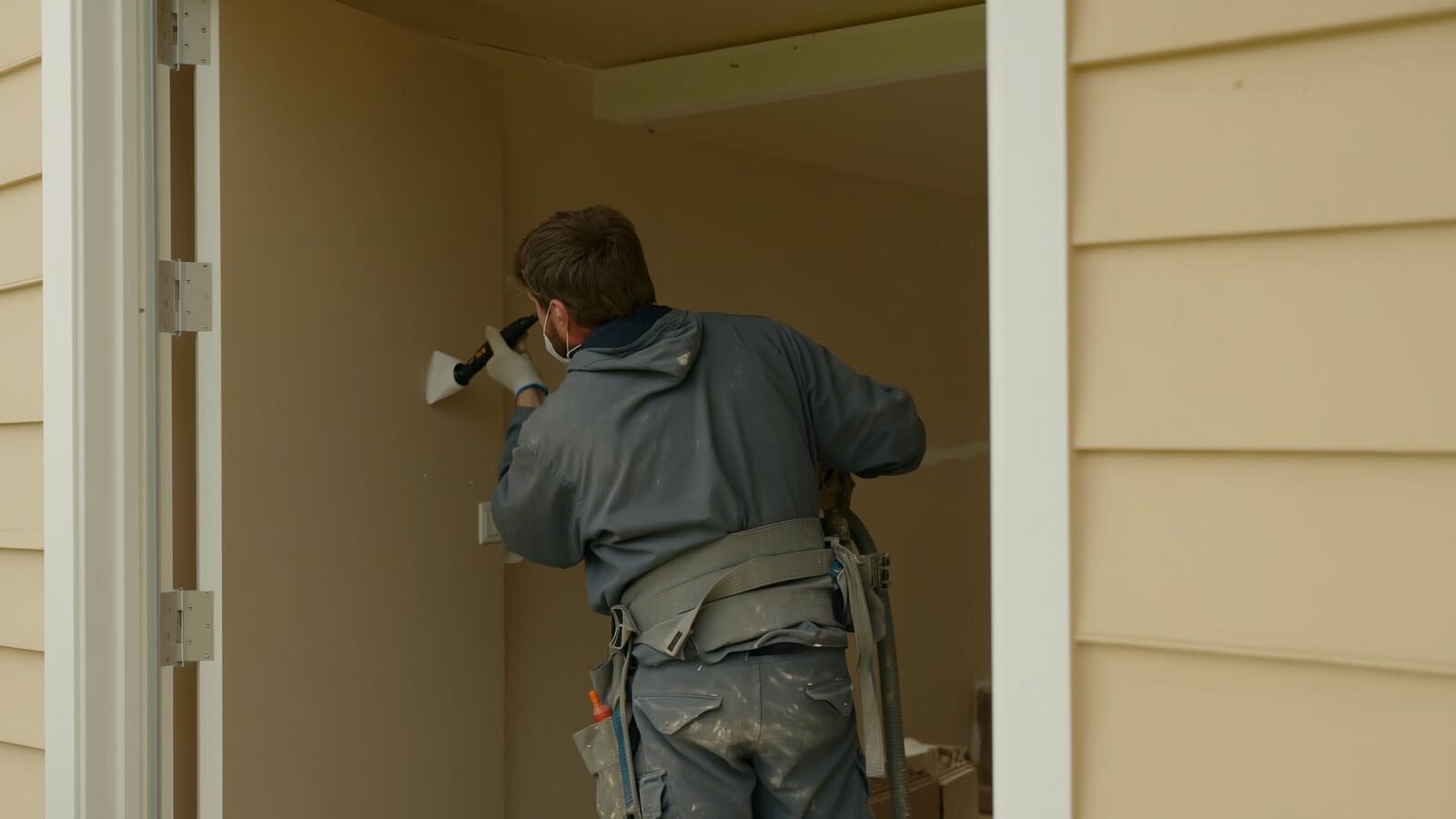
If you're staring at freshly patched drywall wondering why nobody has painted it yet, or why the last contractor kept saying "not yet" every time you asked about color, that waiting is normal, even if it doesn't feel like it. After a flood or a fire, paint is the part of the house that looks the most finished the fastest, which makes the delay before it happens feel confusing. But paint sitting on top of a wall that isn't fully dry or fully repaired doesn't fix anything. It just hides whether the work underneath was done right.
Interior Painting as the Last Step of a Restoration
Why paint is always the last step, not an early one
In any restoration project, whether the damage came from water or fire, painting sits at the very end of the sequence for a reason that has nothing to do with scheduling convenience. Paint is a sealed layer. Once it's on, it traps whatever is underneath it, moisture, soot residue, uncured joint compound, odor particles. If any of that is still present when the paint goes on, the paint doesn't stop it. It just covers it up temporarily, and problems that were solvable before painting become much harder to solve after.
What has to happen before paint, in order
A typical sequence looks like this: remove damaged materials, dry the structure completely (verified with moisture meters, not by eye or touch), address any contamination (mold, soot, smoke residue, or bacteria from water intrusion), repair or replace framing and subflooring if needed, hang and finish new drywall, then prime. Skipping or rushing any step in that chain is what leads to paint failure later: bubbling, peeling, discoloration, or a musty smell that reappears months after everyone thought the job was finished.
Moisture verification
Drywall, framing, and subfloor need to read dry on a moisture meter, not just look dry. Framing lumber especially can hold moisture well below the visible surface long after it appears fine.
Odor and residue removal
After fire damage, soot is acidic and can continue etching surfaces if it isn't fully cleaned. Sealing over residual soot or smoke odor with paint alone almost always lets the smell return.
New material cure time
Joint compound and drywall mud need to cure fully before priming. Painting over compound that's still curing can trap moisture and cause visible flashing or texture problems in the finish coat.
Why primer matters more here than in a normal repaint
In a standard repaint, primer is often optional. After restoration work, it isn't. New drywall is porous and absorbs paint unevenly compared to the surrounding older wall, which is why patched areas can show through as a slightly different sheen or texture even after two coats of finish paint. A stain-blocking primer also matters specifically in fire and smoke situations, since ordinary primer can let smoke odor and yellowing bleed back through the topcoat over time. Getting this layer right is what makes a patched wall actually disappear into the rest of the room instead of remaining a visible patch.
Signs a surface was painted too soon
If a restoration job included painting, there are a few signs worth checking for before considering the work complete. Look for slight bubbling or a soft, spongy texture where new drywall meets old. Smell the area on a warm day, since trapped odor is often more noticeable when the house heats up. Check for a faint yellow or brown tint bleeding through white paint, which can indicate smoke residue wasn't fully sealed. None of these are cosmetic quirks, they're signs that a step earlier in the process was skipped or shortened.
Texture mismatch
New drywall areas that look slightly different in sheen or texture from the surrounding wall usually mean the primer coat wasn't matched to the porosity of the new material.
Odor returning after weeks
Smoke or musty odor that seemed gone right after the job but reappears later is a strong sign the underlying material wasn't fully treated before it was sealed with paint.
Questions people ask us
How long after water damage can you paint?
There's no single number that applies to every situation, since drying time depends on how much material got wet, humidity, airflow, and the type of materials involved. The right marker isn't a number of days, it's a moisture meter reading confirming the drywall and framing have returned to a normal dry range.
Can you just paint over smoke smell?
Ordinary paint will not seal in smoke odor for long. Soot particles are fine and acidic, and they typically need to be cleaned off surfaces (or the material replaced) before a stain-blocking primer is applied. Painting directly over untreated soot usually lets the smell return.
Why does my patched wall look different even after painting?
This is almost always a primer and porosity issue. New drywall and joint compound absorb paint differently than older, already-painted wall surfaces. A dedicated primer coat matched to the new material helps the patch blend rather than show as a slightly different sheen.
Is painting really part of restoration, or is it a separate job?
In most full restoration projects, painting is the final phase of the same job, following drying, repair, and rebuild. It's treated as separate from cleanup or demolition, but it's still part of returning the space to its finished condition.
The standard our team works to
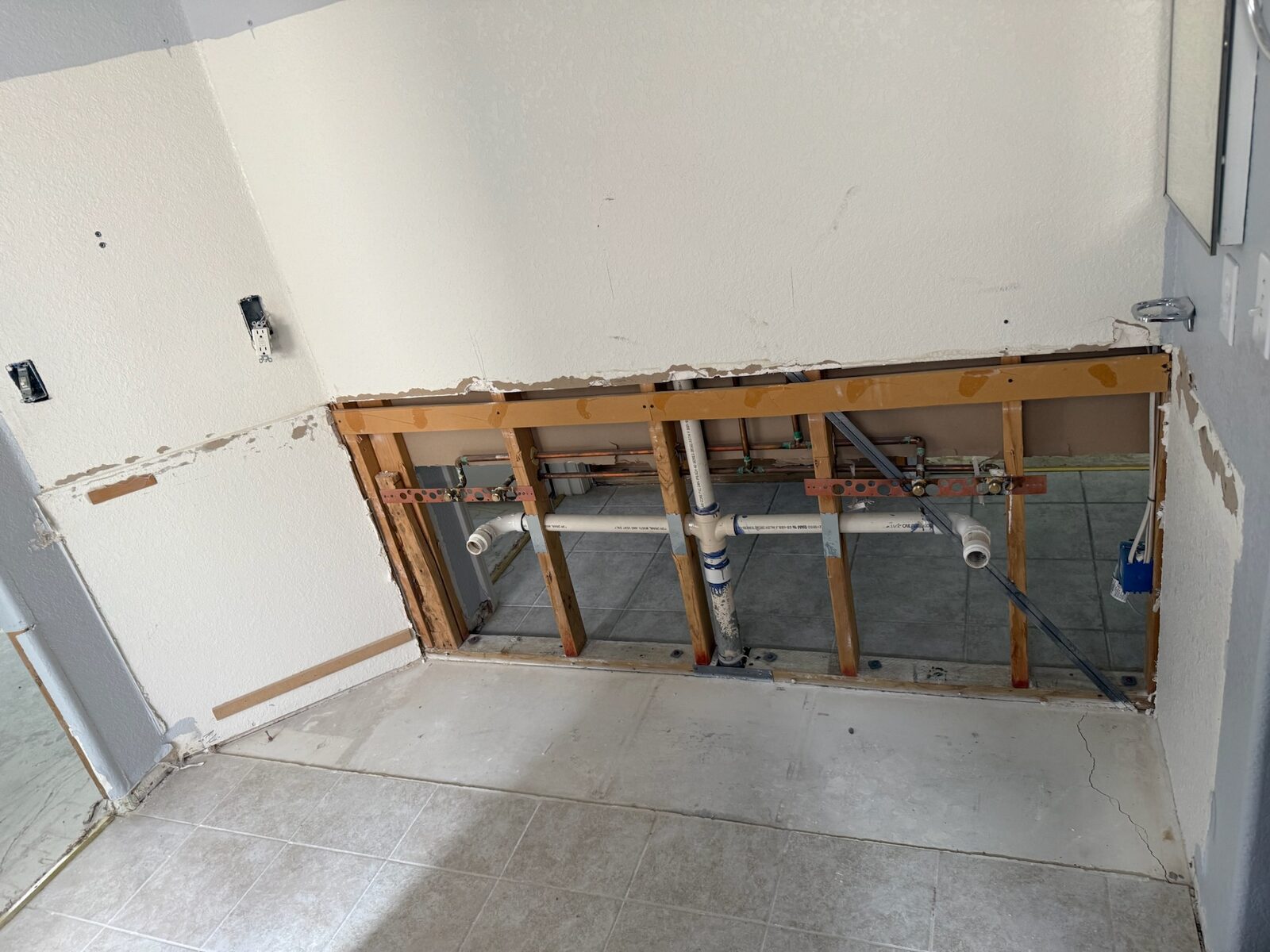
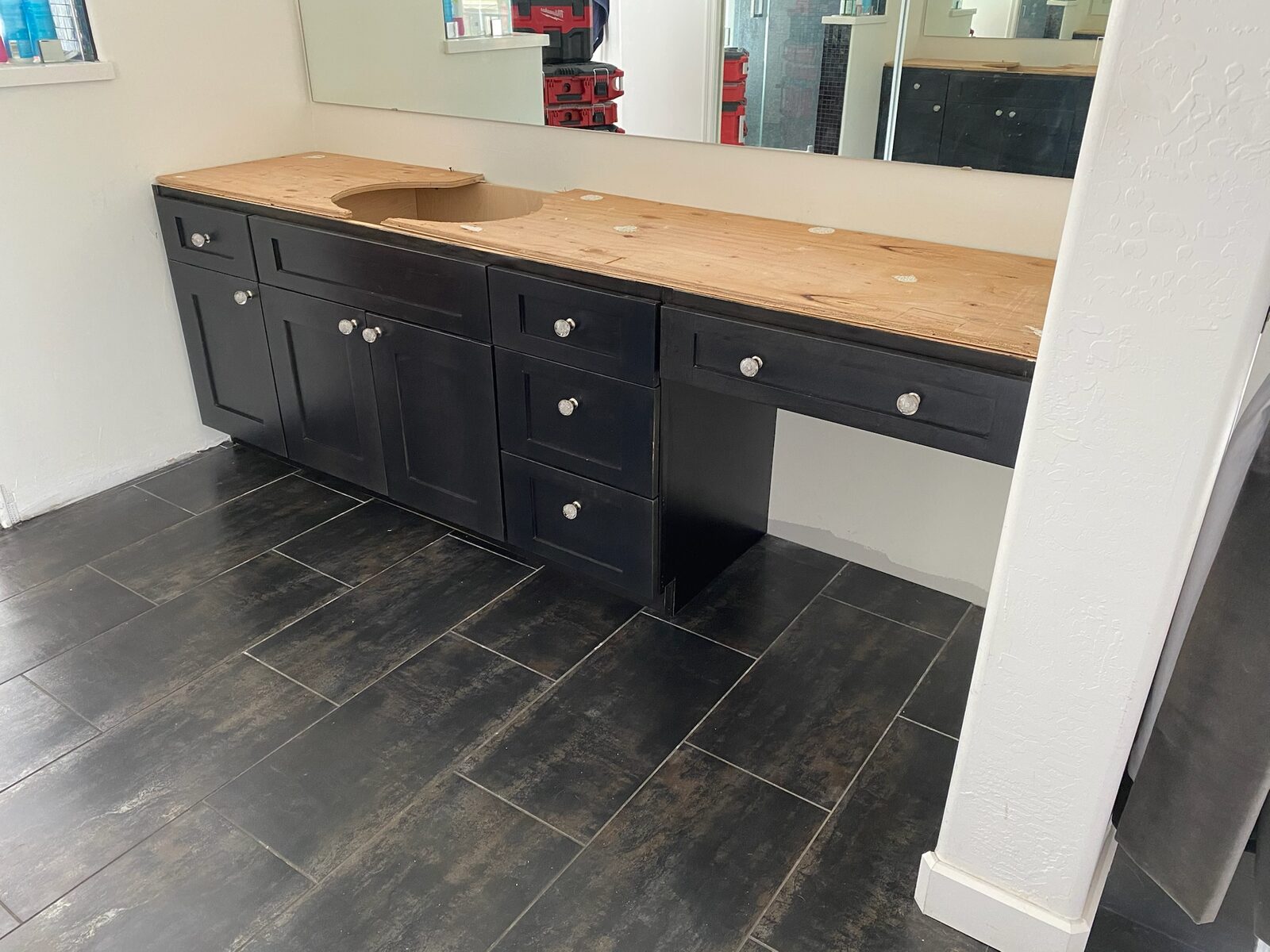
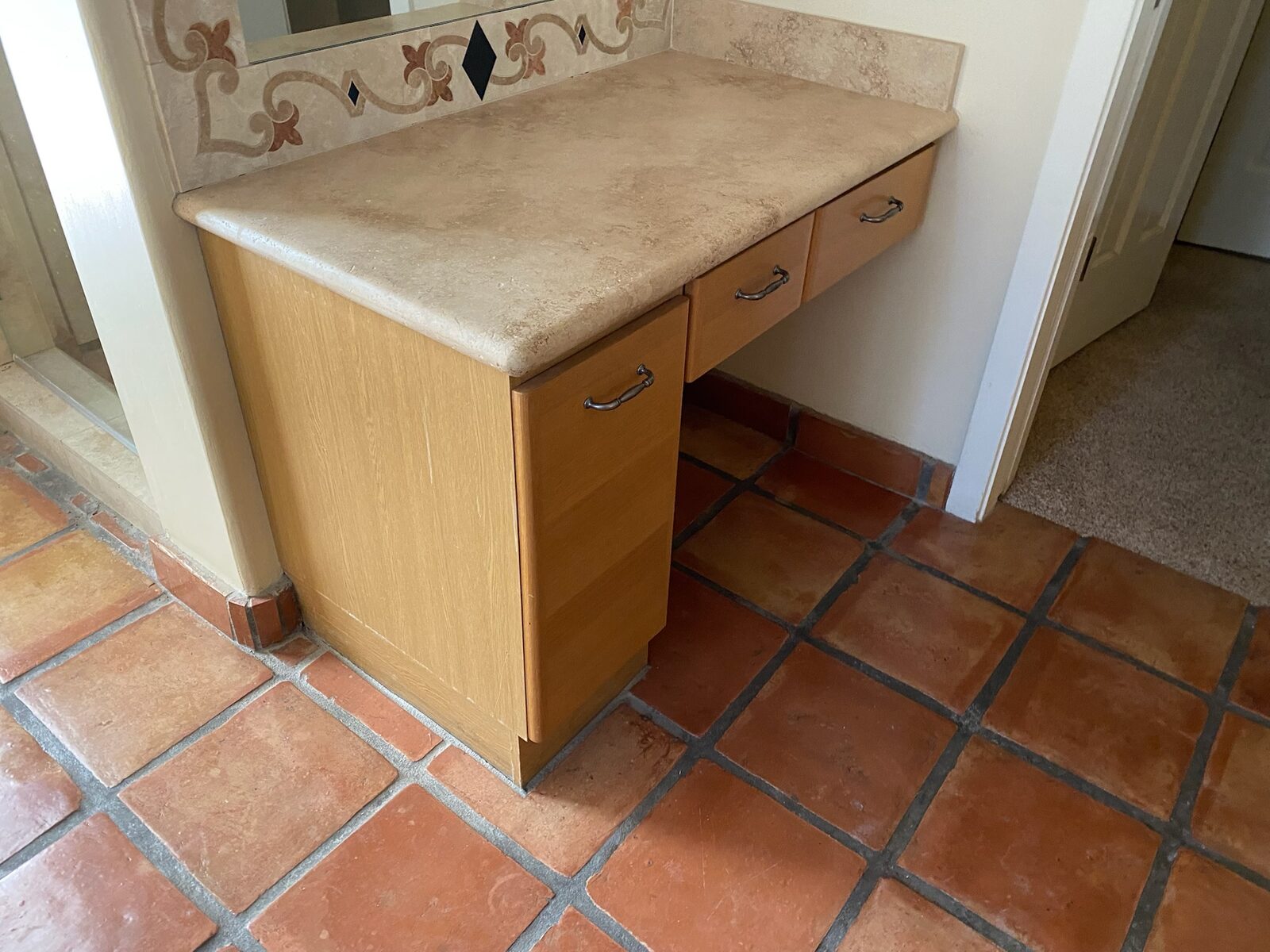
Residential reconstruction work by members of our team. See the full gallery →
More from Gold Water Fire
Abrasive Cleaning Methods for Soot on Framing and Masonry
A look at how abrasive cleaning methods remove soot from wood framing and masonry after a fire, and when each method fits the material.
AC Condensate Line Clogs & the Water Damage They Cause in Phoenix Homes
Why Phoenix AC condensate lines clog every summer, what the water damage looks like, and how to find the source before the ceiling stain spreads again.
Actual Cash Value vs Replacement Cost: Why Your Check Might Not Match the Repair Bill
Confused why your insurance check seems short after fire or water damage? Learn the difference between actual cash value and replacement cost coverage.
Not sure if a space is really ready for paint?
If you're dealing with water or fire damage in the Phoenix area and want a clear read on what stage the repair is actually at, contact Gold Water Fire to talk through what's been done and what's left before that final coat goes on.
Call (480) 999-3339Water Damage Restoration · Fire Damage Restoration · Reconstruction & Rebuild · Contact Gold Water Fire