
Why Containment Barriers Go Up, and What They Are Protecting
You walk into a room you thought you understood, and there's plastic sheeting taped floor to ceiling, sealing off a hallway or a closet you use every day. It feels strange, maybe even a little alarming, to see part of your own home turned into something that looks like a construction site or a lab. You didn't ask for a wall of plastic. You just wanted the water or smoke damage dealt with. If you're standing there wondering what exactly is being kept in, or kept out, and why it has to look this disruptive, that reaction makes complete sense.
Why Containment Barriers Go Up, and What They Are Protecting
What containment is actually built to do
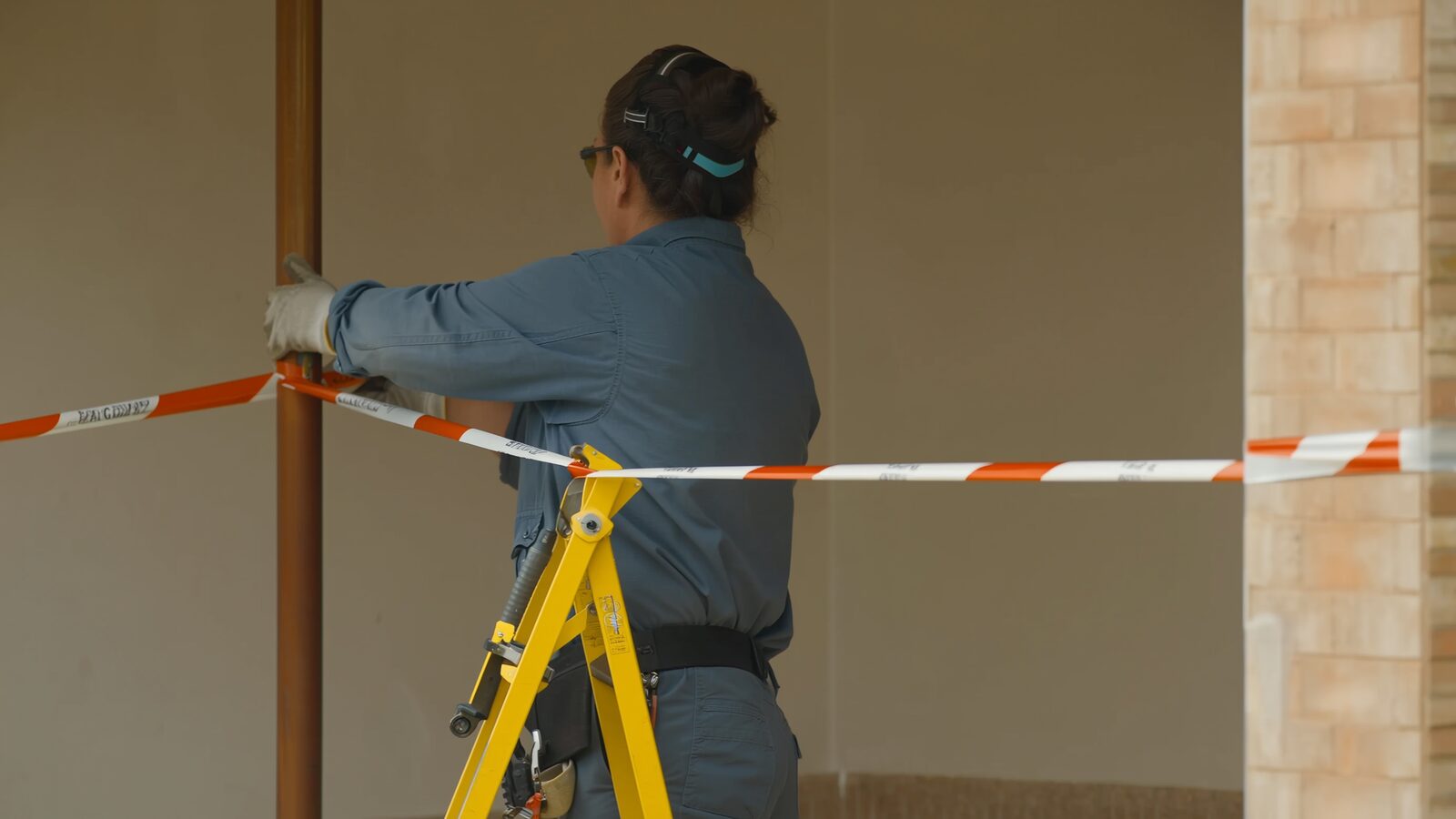
Containment barriers, sometimes called zip walls or poly barriers, are physical dividers made of plastic sheeting, tape, and light framing. Their job is to isolate one area of a structure from the rest of it during cleanup or repair work. That isolation runs in both directions: it keeps contaminated air, dust, or debris from spreading into clean parts of the home, and it keeps the work zone controlled enough that equipment like air movers and dehumidifiers can do their job without conditioning the whole house. In water damage situations, containment often goes up around areas with suspected mold growth or where walls and flooring have been opened up to dry out framing. In fire and smoke damage cleanup, barriers separate burned or soot-heavy areas from untouched rooms, because soot particles travel easily on air currents and can settle into fabric, HVAC systems, and belongings far from the original fire.
Why it protects your air, not just your floor
A lot of the damage that happens after water intrusion or fire isn't visible right away. Mold spores are microscopic and airborne. Soot is made up of fine particulates that ride on pressure differences through a house, especially if the HVAC system keeps running. Without a barrier, opening up a wet wall or scrubbing soot off a ceiling can push that material into hallways, bedrooms, and living spaces that were otherwise fine. Containment also protects the people working in the space and the people living in it. Creating negative air pressure inside a containment zone (often with a negative air machine venting outside) means air flows into the contained area, not out of it, which helps keep spores and particulates from migrating while remediation is underway.
When you should expect to see it
Not every water or fire event calls for full containment. A small, contained leak caught early might just need drying equipment and no barriers at all. But containment becomes more likely when there's visible mold growth, when walls or ceilings need to be opened to dry hidden moisture, when soot has settled on porous materials, or when the affected area is large enough that dust and debris control matters for the rest of the home. If you're currently dealing with water damage or fire damage and containment hasn't come up yet, it doesn't necessarily mean something was missed. It depends on the scope and location of the damage.
What happens after the barrier comes down
Containment isn't permanent. It stays up for the duration of the work it's protecting, typically through demolition, drying, or cleaning, and comes down once air quality and moisture levels in that zone are back to a safe baseline. If the damage also involves structural repairs, that phase often overlaps with reconstruction and rebuild work, where the same space gets framed, drywalled, and finished again.
Questions people ask us
Does containment mean my home has a serious mold problem?
Not necessarily. Containment is a standard precaution any time there's a risk of spreading spores, dust, or soot, whether the mold growth is extensive or just suspected in one isolated area. It's about controlling risk, not confirming the worst case.
Can I still use the rest of my house while containment is up?
In most cases, yes. The entire point of containment is to keep the rest of the home usable and separate from the work zone. Specific access limitations depend on where the barrier is placed and what work is happening behind it.
Will containment damage my walls or floors?
Containment materials are designed to be temporary. Tape and plastic sheeting are generally applied in ways meant to come down cleanly, though the surfaces involved are often already part of the damaged area being addressed.
How long does containment usually stay up?
It stays in place for as long as the work behind it requires, which varies by the size of the affected area and what's being dried, cleaned, or removed. There's no fixed timeline that applies to every situation.
The standard our team works to
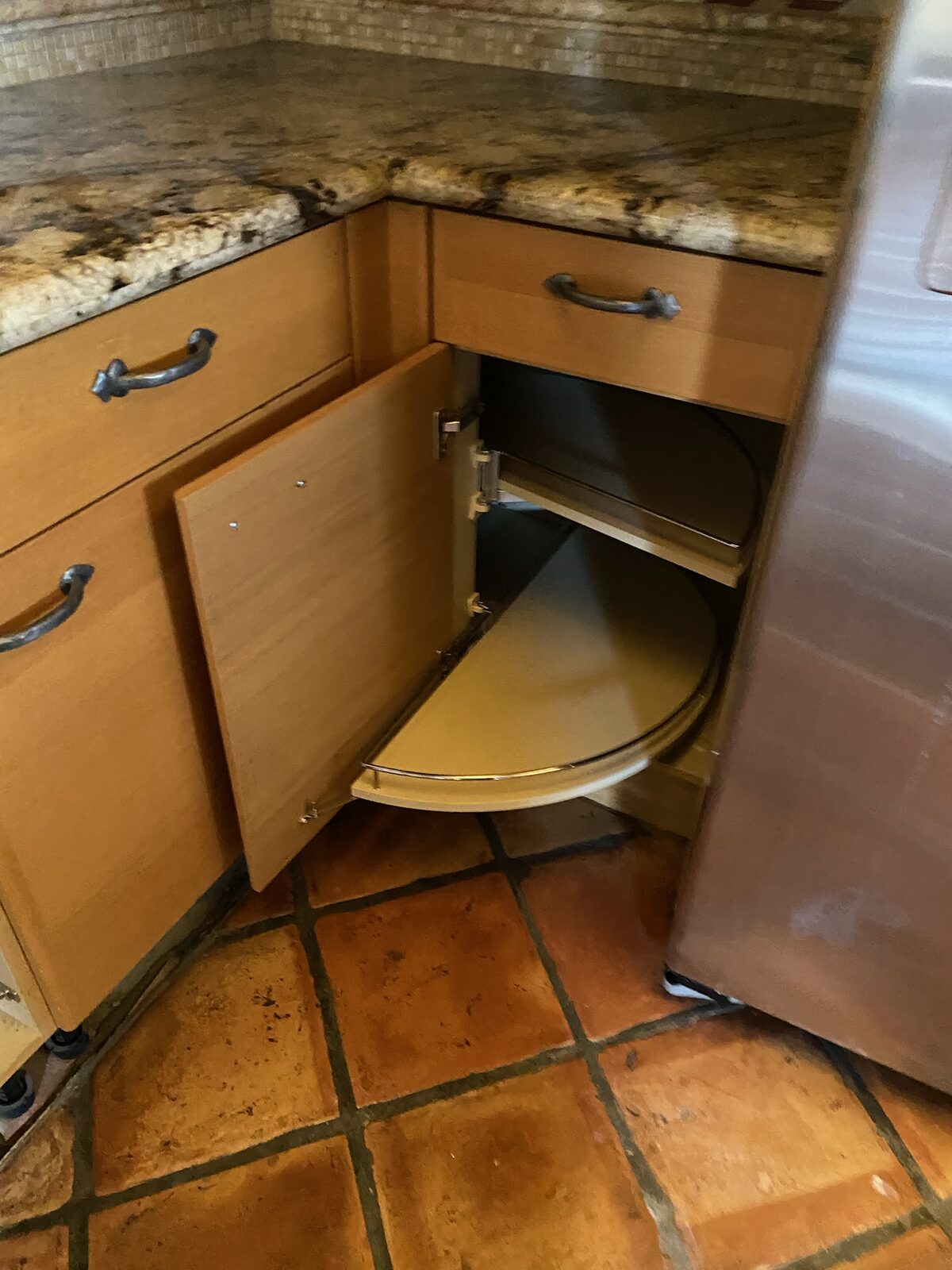
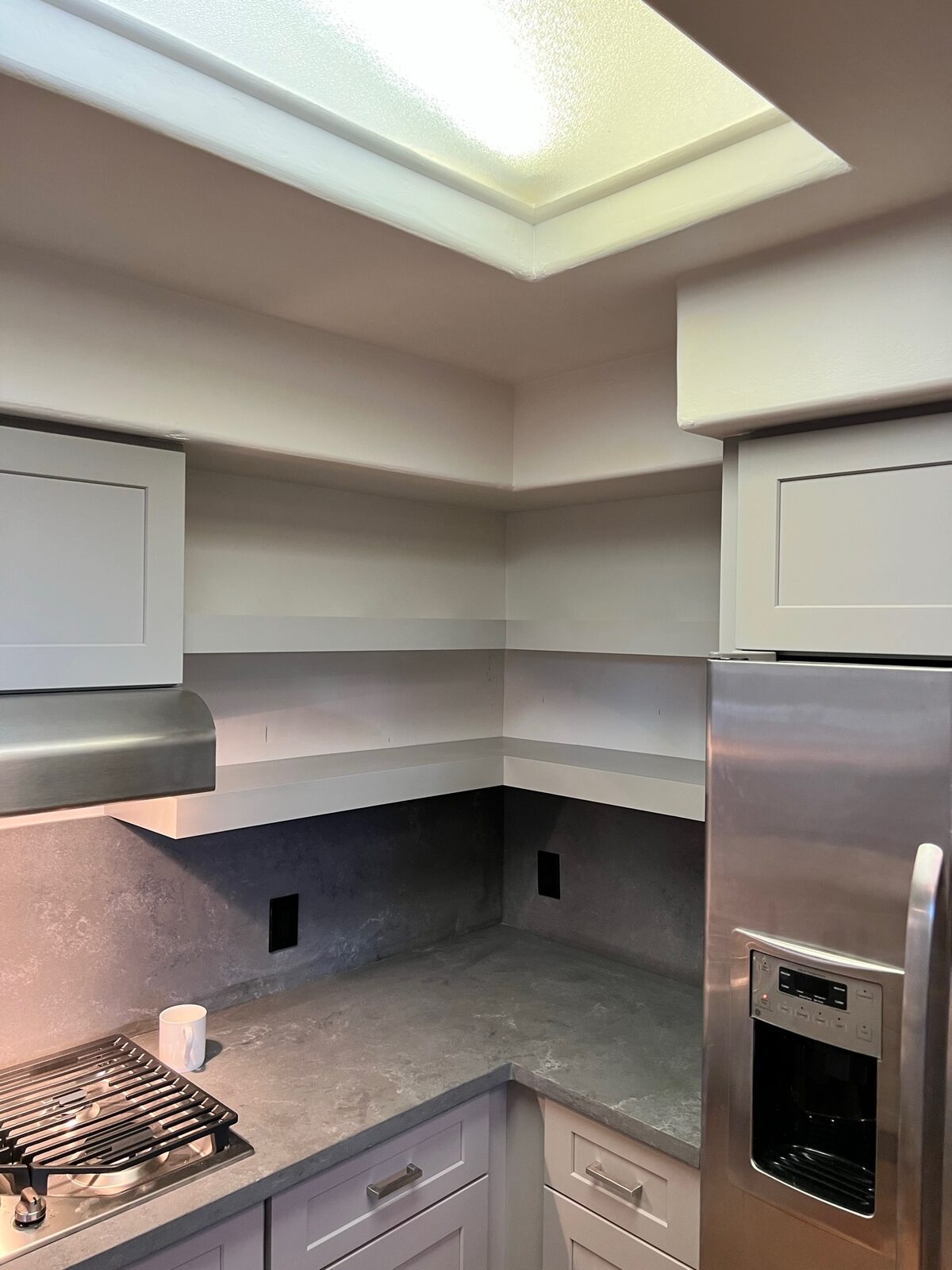
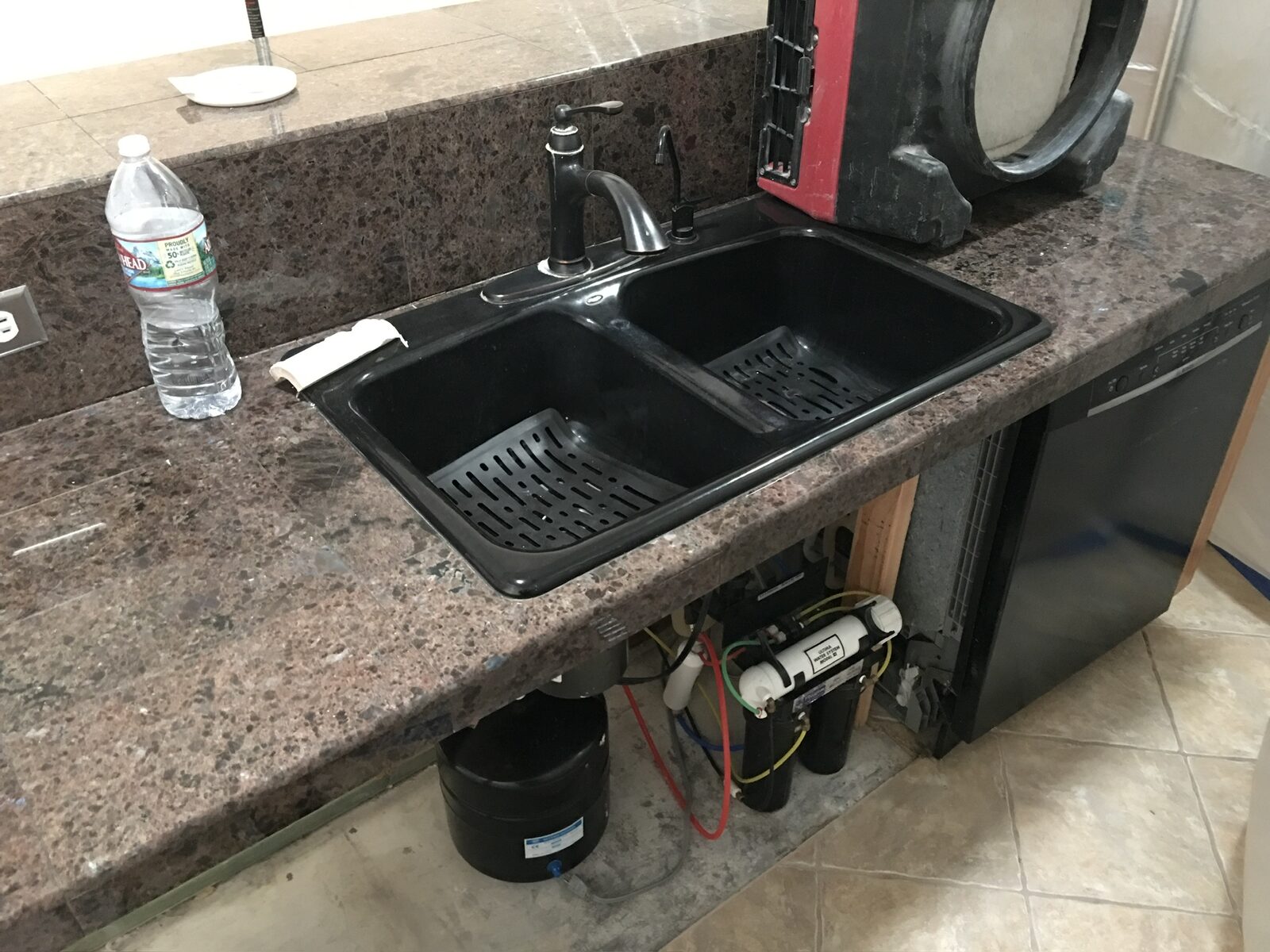
Residential reconstruction work by members of our team. See the full gallery →
More from Gold Water Fire
Abrasive Cleaning Methods for Soot on Framing and Masonry
A look at how abrasive cleaning methods remove soot from wood framing and masonry after a fire, and when each method fits the material.
AC Condensate Line Clogs & the Water Damage They Cause in Phoenix Homes
Why Phoenix AC condensate lines clog every summer, what the water damage looks like, and how to find the source before the ceiling stain spreads again.
Actual Cash Value vs Replacement Cost: Why Your Check Might Not Match the Repair Bill
Confused why your insurance check seems short after fire or water damage? Learn the difference between actual cash value and replacement cost coverage.
Have questions about what's happening in your home right now?
If you're looking at containment barriers or trying to understand what a restoration process involves, Gold Water Fire is available to talk through it. Reach out at (480) 999-3339 or Help@goldwaterfire.com, or visit our <a href="/contact.html">contact page</a> to send details about your situation.
Call (480) 999-3339