
A Restoration Company and a General Contractor Are Not the Same Thing
If you've spent the last few days on the phone trying to figure out who is even supposed to fix your house, you're not alone in that confusion. A pipe burst, or a fire scorched a wall, and suddenly you're getting different answers from different people about what happens next, who shows up first, and why the guy who quoted you a rebuild wasn't the same one who dried out your carpet. It's a reasonable thing to not know. Most people never have to learn this distinction until the day they need it.
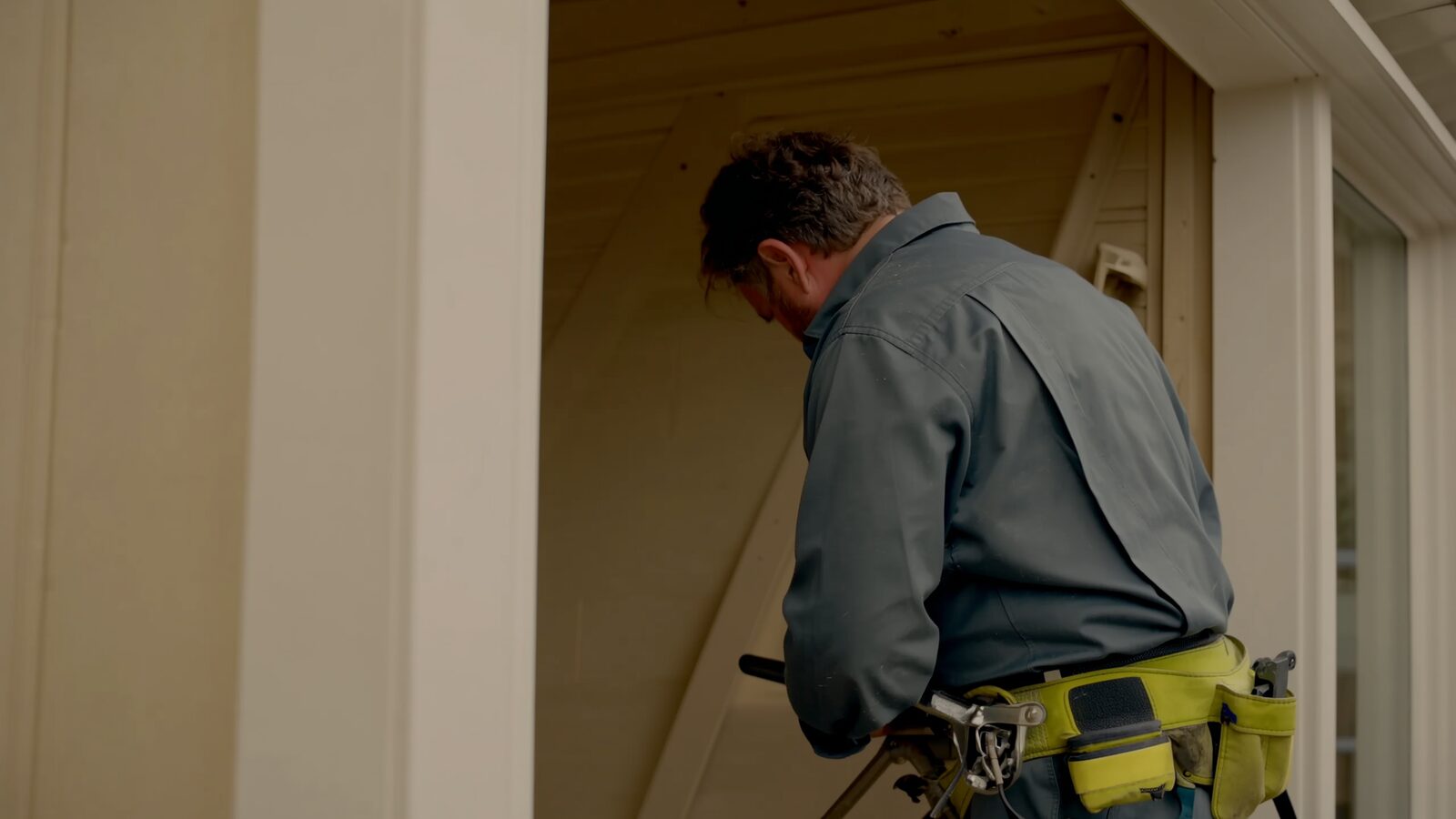
A Restoration Company and a General Contractor Are Not the Same Thing
Two different jobs that often get confused
A restoration company deals with the immediate aftermath of water, fire, mold, or smoke damage. That means extracting standing water, running dehumidifiers and air movers, removing materials that can't be saved, cleaning soot, and controlling the environment so the damage stops spreading. A general contractor handles construction: framing, drywall, flooring, cabinetry, permits, and the physical rebuilding of a structure. One stabilizes and cleans up damage. The other builds or rebuilds. Those are different skill sets, different equipment, and often different timelines, even though a homeowner is usually dealing with both back to back.
Why the order matters
Restoration has to happen first, and it has to happen right, or the reconstruction that follows can fail. If drywall gets closed up over wood that wasn't fully dried, or new flooring goes down over subfloor that still has moisture trapped in it, the problem doesn't go away. It just moves underneath the new work, where it's harder to find and more expensive to fix. This is why the sequence isn't just administrative. It's structural. A general contractor who wasn't involved in the drying and cleanup phase has to trust that the space was actually brought back to a safe, dry, stable condition before they start building on top of it.
What each one is actually equipped to assess
A restoration team is trained to read moisture levels in materials that look dry on the surface but aren't, to know how far water traveled behind walls and under floors, and to judge what can be cleaned versus what has to be removed. A general contractor is focused on what it takes to rebuild what's gone: what the structure needs, what code requires, and how the finished space will look and function. Asking a contractor to judge whether a wall is dry enough to close up, or asking a restoration crew to frame a new room, is asking each of them to do a job outside their lane.
Why some companies do both, and why that can simplify things
Some companies handle only the restoration piece and then hand the project off to a separate contractor for rebuild work. Others carry both capabilities under one roof, from the initial water or fire mitigation through the reconstruction that follows. Having both handled by people who talked to each other throughout the project can reduce the back and forth of re-explaining the damage history to a second company that walks in cold. It doesn't change what each phase requires, but it can change how disjointed the process feels. If you're trying to sort out where your situation falls, our water damage restoration, fire damage restoration, and reconstruction and rebuild pages break down what each phase actually involves.
Questions people ask us
Can a general contractor do water damage cleanup?
Some general contractors will take on cleanup work, but drying out a structure properly requires monitoring moisture in materials over time and using specific equipment to prevent hidden damage like mold or warped subflooring. That's the core skill set of a restoration company, not a typical part of general construction work.
Do I need to hire two separate companies?
Not necessarily. Some companies only do restoration and refer you elsewhere for rebuild work. Others handle both the mitigation and the reconstruction as one continuous process. Either can work, but it's worth asking upfront which one you're dealing with so you know what to expect.
How do I know if damage needs restoration before repairs start?
If water was involved at all, whether from a leak, a burst pipe, or firefighting efforts during a fire, there's a real chance moisture is sitting somewhere you can't see. Materials that look dry to the eye can still hold enough moisture to cause problems later. That's generally the line: if water touched it, it usually needs to be checked and dried before anyone builds over it.
Why did the company that dried out my house not do the rebuild?
That's common if the company only offers restoration services. It doesn't mean anything went wrong. It just means their scope ends at stabilizing and drying the property, and the rebuild is a separate phase handled by a contractor, whether that's a different company or the same one under a different part of their business.
The standard our team works to
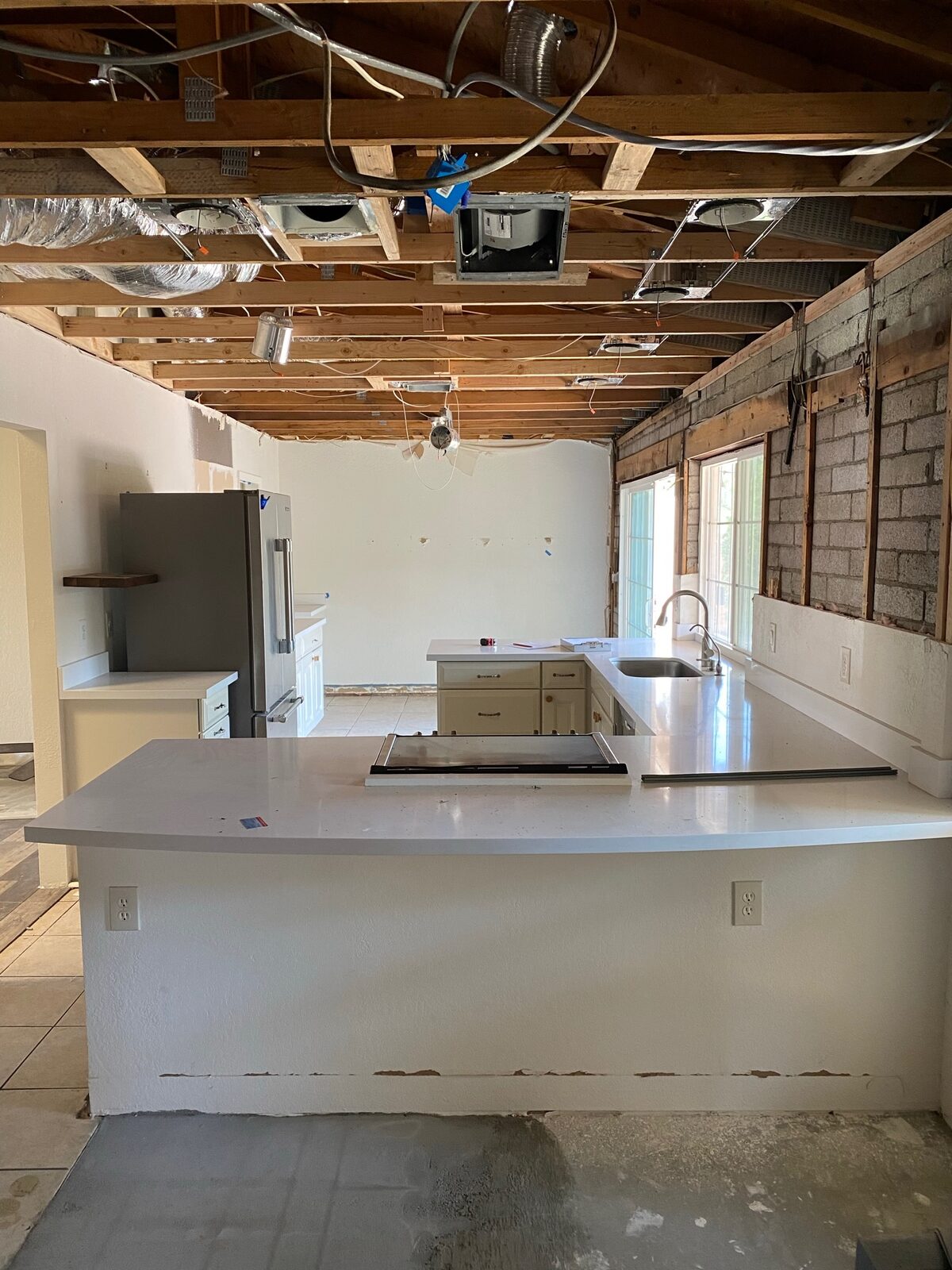
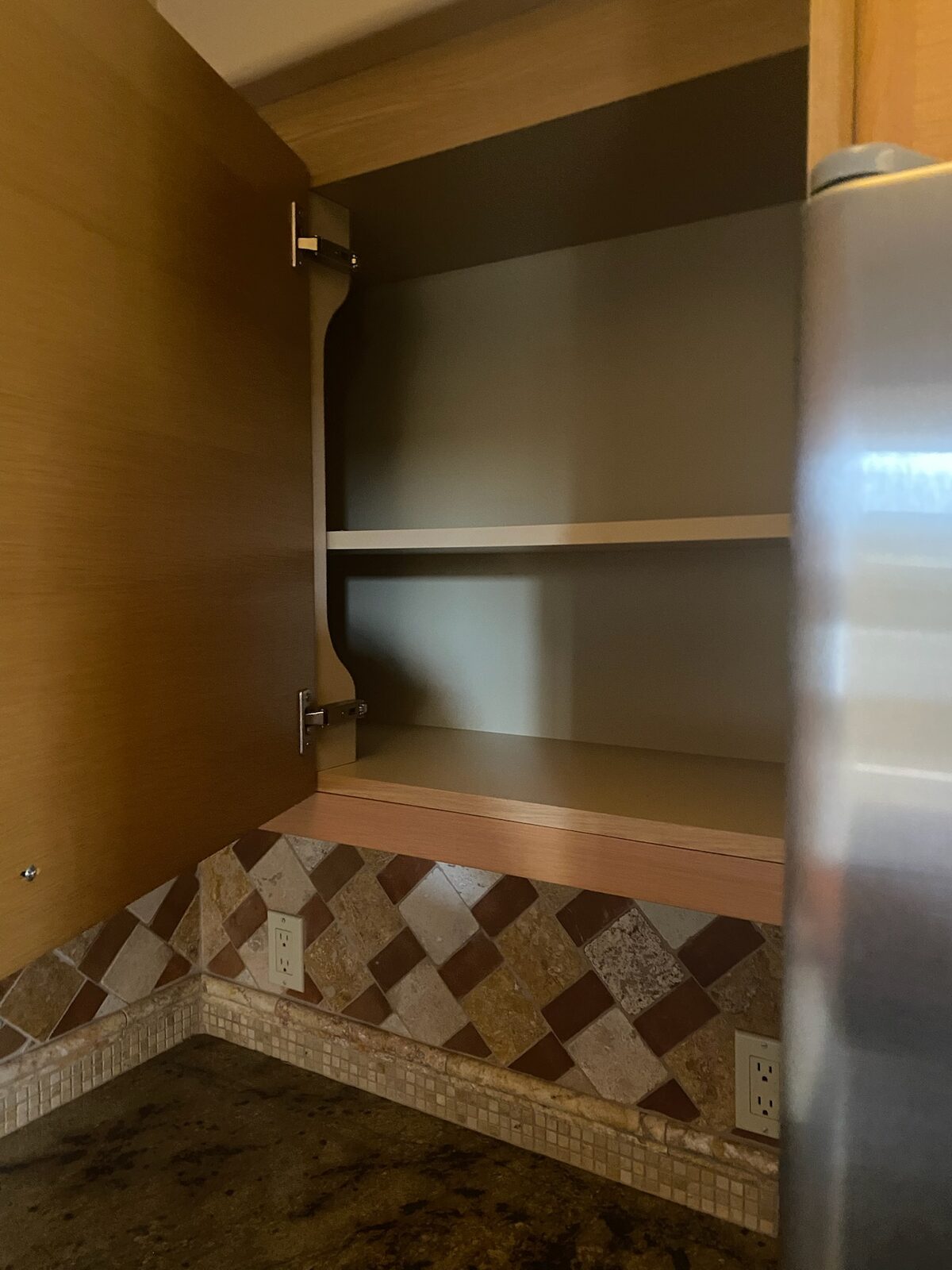
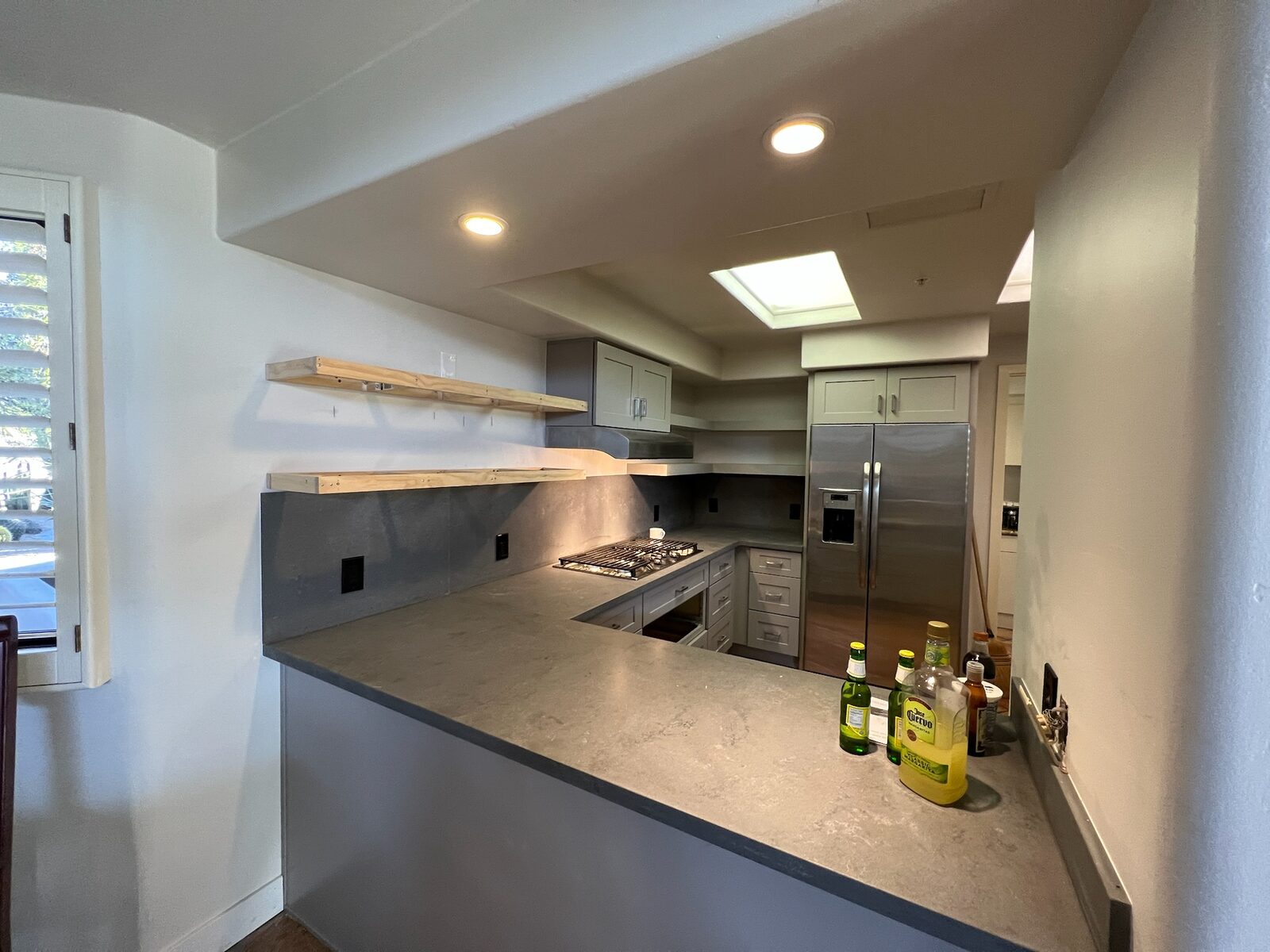
Residential reconstruction work by members of our team. See the full gallery →
More from Gold Water Fire
Abrasive Cleaning Methods for Soot on Framing and Masonry
A look at how abrasive cleaning methods remove soot from wood framing and masonry after a fire, and when each method fits the material.
AC Condensate Line Clogs & the Water Damage They Cause in Phoenix Homes
Why Phoenix AC condensate lines clog every summer, what the water damage looks like, and how to find the source before the ceiling stain spreads again.
Actual Cash Value vs Replacement Cost: Why Your Check Might Not Match the Repair Bill
Confused why your insurance check seems short after fire or water damage? Learn the difference between actual cash value and replacement cost coverage.
Not sure which phase your situation is in?
If you're trying to figure out whether you need restoration, reconstruction, or both, we're happy to talk through what you're seeing. Reach us at (480) 999-3339 or Help@goldwaterfire.com.
Call (480) 999-3339Water Damage Restoration · Fire Damage Restoration · Reconstruction & Rebuild · About Gold Water Fire · Contact Us