
Mold Behind Furniture and in Closets: Airflow Dead Zones
You pulled the dresser away from the wall for the first time in months, or reached for a coat in the back of the closet, and found something dark and fuzzy that wasn't there before. It doesn't make sense at first. There's no leak, no flood, no obvious reason. You're just staring at a patch of mold in a part of the house you thought was fine, wondering how long it's been there and what else you haven't checked.
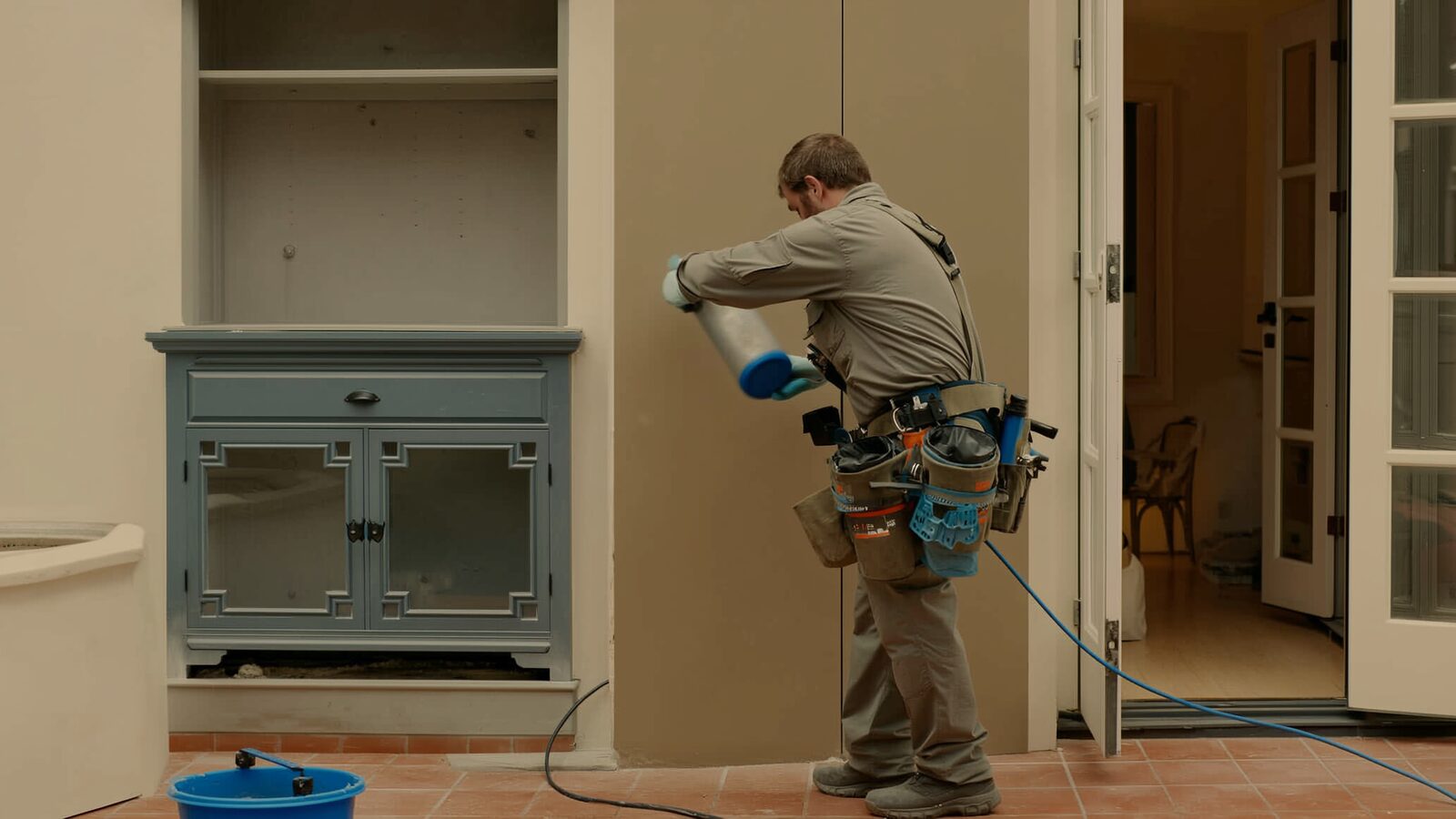
Mold Behind Furniture and in Closets: Airflow Dead Zones
Why mold shows up where there's no water
Mold doesn't need a burst pipe to grow. It needs moisture in the air, a surface to land on, and enough time without airflow to settle in. Every home holds humidity in the air, and that humidity moves toward cooler surfaces and still corners. Furniture pushed flush against an exterior wall blocks the air that would normally circulate and carry that moisture away. Closets are worse: they're small, sealed boxes with a door that stays shut most of the day, no vent, and no reason for air to move through them at all. Add a wall that runs a few degrees cooler than the room, which happens often on north-facing or exterior walls, and you have a spot where moisture condenses quietly, day after day, until it becomes visible.
What a true airflow dead zone looks like
A dead zone is any space where air can't circulate: behind a headboard pushed tight to the wall, under a couch with skirting that touches the floor, inside a linen closet packed floor to ceiling, or behind stacked storage bins in a garage-adjacent room. These spots share three traits. They're touching or nearly touching an exterior or garage wall. They get little to no direct airflow from the HVAC system. And they're rarely disturbed, so early mold growth goes unnoticed until it's established and has a smell or a visible bloom.
Early signs before you see the mold itself
Mold usually announces itself with smell before sight. A musty, slightly sweet or earthy odor near a closet or a piece of furniture, especially one that fades when the door is open and the room airs out, is often the first real clue. Other signs include a faint darkening of drywall texture, paint that looks slightly bubbled or matte in patches, a coat or shoe that feels damp for no reason, or a cardboard box in a closet that's gone soft or spotted along the bottom edge. Fabric-covered furniture backs and baseboards in these zones are worth a direct look and a hand pressed flat to check for coolness or dampness, not just a glance.
How to break up a dead zone
The fix is almost always about restoring movement, not adding a new appliance. Pull furniture at least a couple of inches off exterior walls so air can pass behind it. Avoid full-length dust covers or skirting that seals a couch or bed to the floor. In closets, leave the door cracked periodically, especially after showers or on humid days, and avoid packing shelves so tightly that no air gap exists between stored items and the back wall. A small closet vent or louvered door, common in newer construction for exactly this reason, can make a permanent difference in a closet that stays problematic. Checking and drying out these spots seasonally, particularly before and after Arizona's summer humidity swings, catches the problem while it's still just dampness and not yet a colony.
Questions people ask us
Can mold grow in a dry climate like Phoenix?
Yes. Outdoor humidity being low doesn't mean indoor air is dry everywhere. Sealed closets and furniture-blocked walls trap whatever moisture is generated indoors, from showers, cooking, breathing, and daily living, and that's enough to support mold growth in a still, dark spot.
Is it enough to just wipe the mold off the wall?
Wiping visible surface mold off drywall or paint can remove what you see, but it does not address moisture trapped in the material or the root airflow problem. If the wall or fabric stays damp and unventilated, growth tends to return, often in the same spot.
Does this mean I have a bigger moisture problem in my home?
Not necessarily. Isolated mold in a furniture gap or closet is often just a localized airflow issue rather than a sign of a leak or structural moisture problem. It's worth a closer look if the growth is extensive, keeps returning after cleaning, or you notice dampness in the surrounding wall or floor.
When should this be looked at by a professional instead of handled alone?
If the affected area is larger than roughly a couple of square feet, if you can't tell whether the wall material underneath is compromised, or if the smell and growth keep coming back after you've addressed airflow, it's reasonable to have it assessed rather than guess.
The standard our team works to
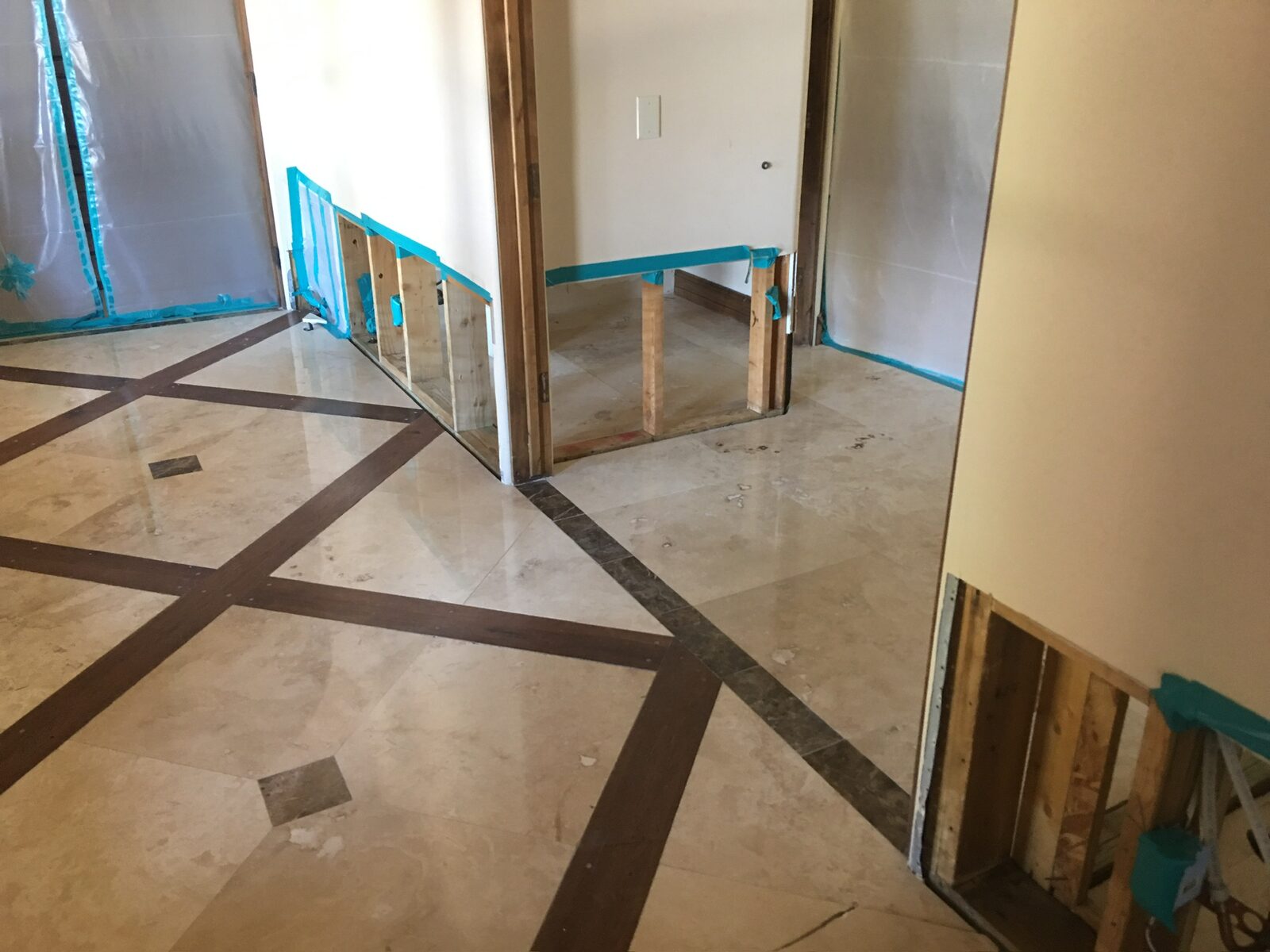
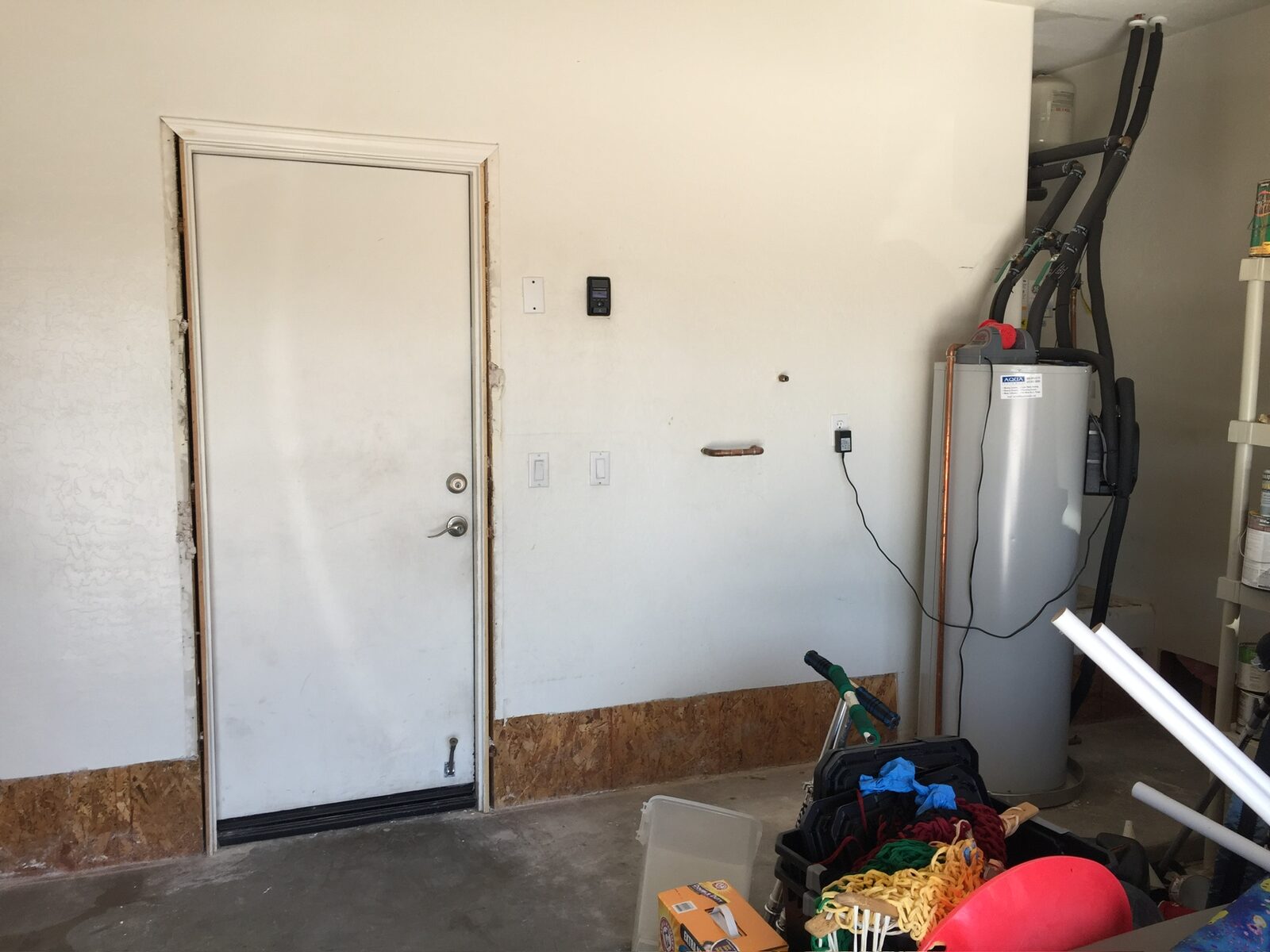
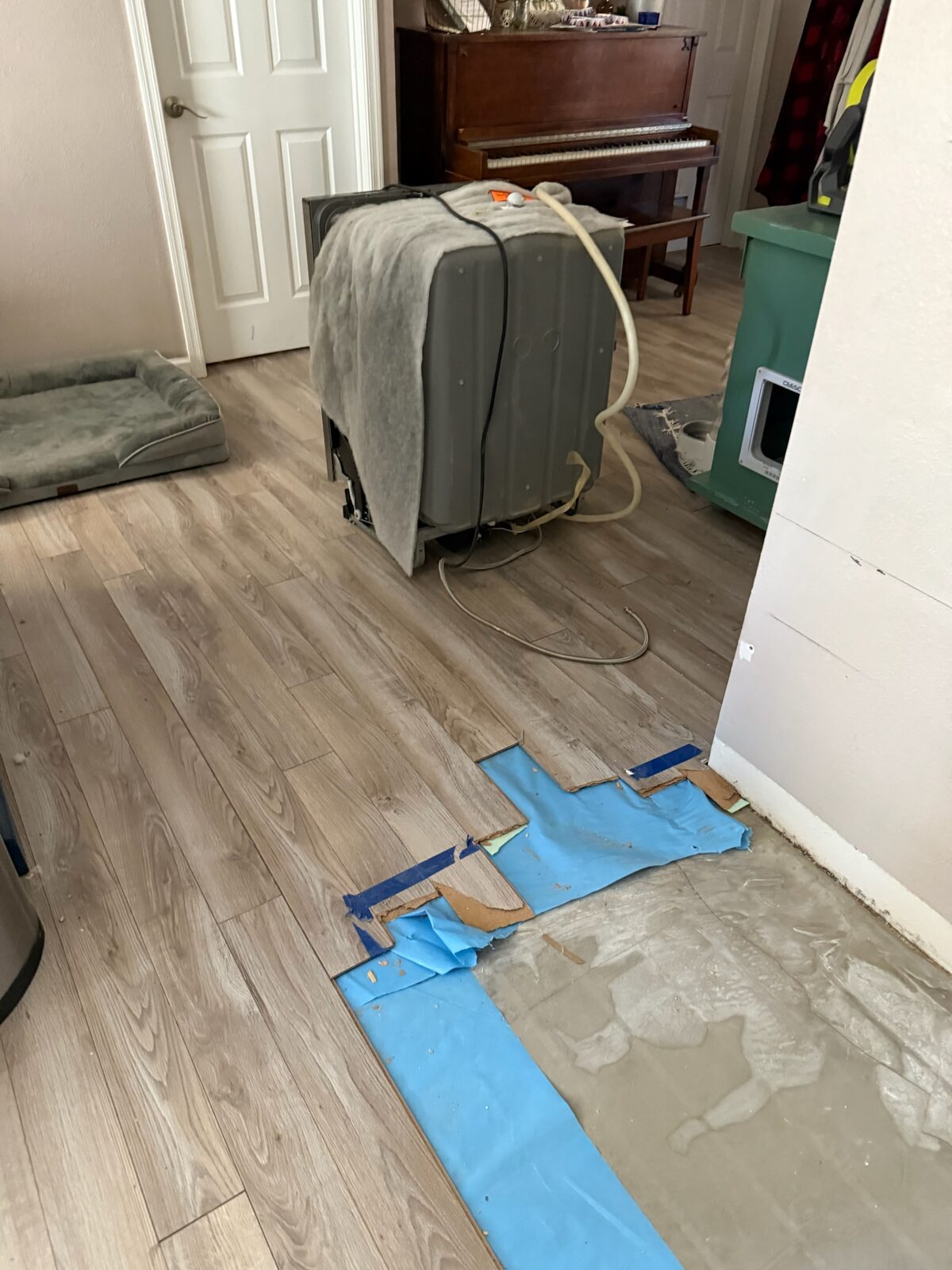
Residential reconstruction work by members of our team. See the full gallery →
More from Gold Water Fire
Abrasive Cleaning Methods for Soot on Framing and Masonry
A look at how abrasive cleaning methods remove soot from wood framing and masonry after a fire, and when each method fits the material.
AC Condensate Line Clogs & the Water Damage They Cause in Phoenix Homes
Why Phoenix AC condensate lines clog every summer, what the water damage looks like, and how to find the source before the ceiling stain spreads again.
Actual Cash Value vs Replacement Cost: Why Your Check Might Not Match the Repair Bill
Confused why your insurance check seems short after fire or water damage? Learn the difference between actual cash value and replacement cost coverage.
Not sure if what you're looking at is more than surface mold?
If you want a second set of eyes on it, Gold Water Fire can take a look and tell you plainly what you're dealing with. Reach out at (480) 999-3339 or through the <a href="/contact.html">contact page</a>.
Call (480) 999-3339