
Questions Worth Asking a Restoration Contractor Before Hiring One
Something happened in your house, and now there are people standing in your living room asking you to sign a form you have never seen before. Maybe this is the second time. Maybe the last company came, ran fans for three days, and left, and six months later the same wall is soft again, and nobody ever told you why. That is a hard thing to sit with: not just the damage, but the sense that you keep paying for something and never quite finding out what actually went wrong. You are not being difficult by wanting to slow down and ask questions. Most people, in the middle of a wet floor or a smoke-stained hallway, do not know what questions there even are to ask. That is not a failure on your part. Nobody teaches this, and the moment you need it is the worst possible moment to learn it.
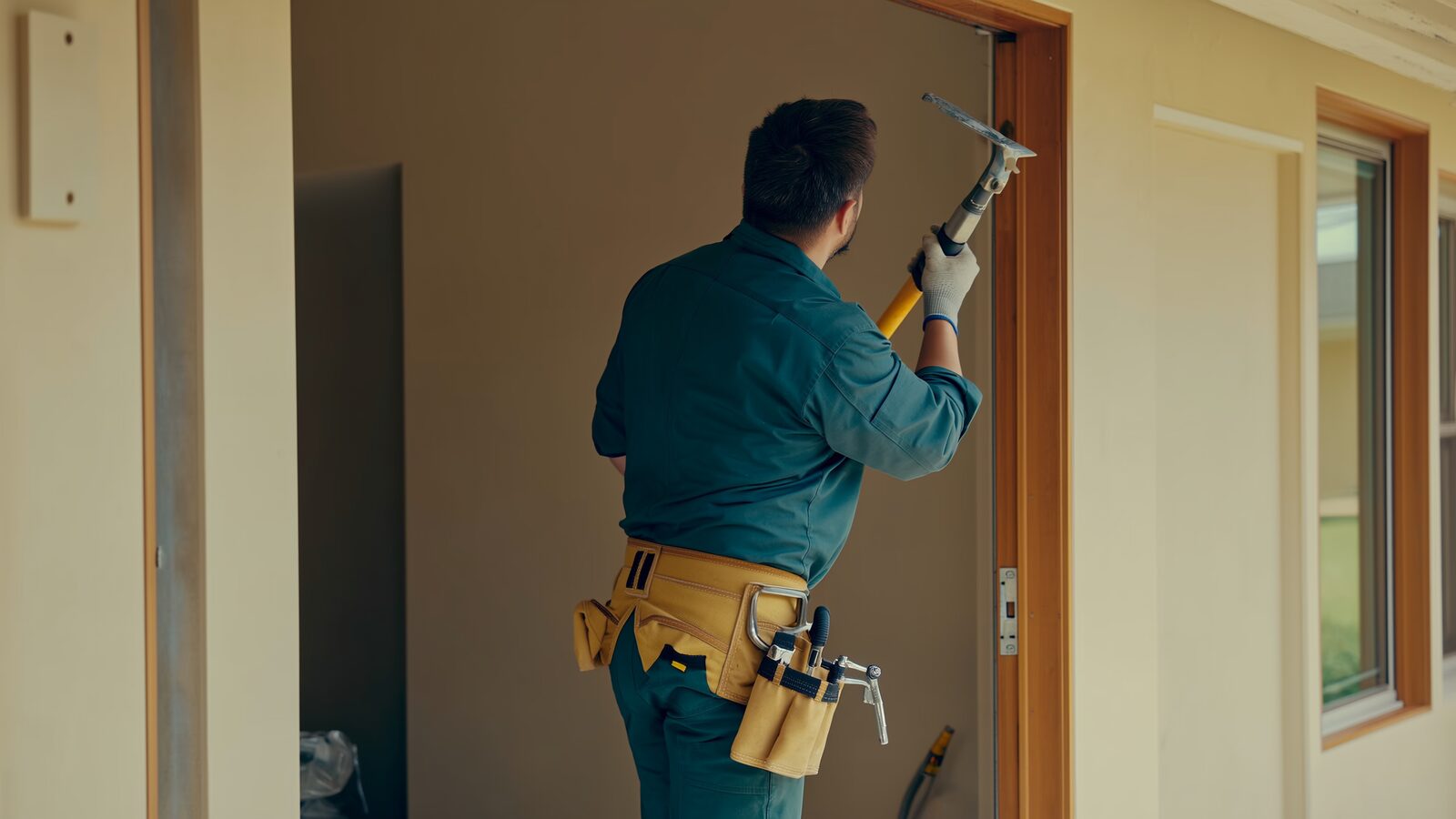
Questions Worth Asking a Restoration Contractor Before Hiring One
Why the same damage keeps coming back
It is worth naming the pattern before naming the questions. When water damage returns to the same spot, it usually means one of three things happened the first time. The source was stopped but the moisture behind or under the finished surface was never fully dried, so mold and rot continued quietly inside the wall cavity. Or drying equipment was placed and monitored by the clock rather than by moisture readings, so the job was called done on day three because day three is when jobs end, not because the materials were dry. Or the visible repair went in over material that was still wet, sealing the problem in behind new paint and new baseboard. With fire and smoke, the recurring problem is odor. Smoke residue is not just soot on a surface. It is fine particulate and volatile compounds that settle into porous materials: drywall paper, insulation, carpet pad, the underside of cabinets, HVAC ductwork. Cleaning what you can see and repainting over what you cannot is why a house can smell fine in February and smell like the fire again in July when the air conditioning runs hard. If that describes your house, you are not imagining it, and the questions below are the ones that would have surfaced it the first time.
What to ask, and what a real answer sounds like
You do not need to ask all of these. Three or four honest ones will tell you most of what you need to know. Pay less attention to the answer itself than to whether the person can answer without getting vague or annoyed.
Are you licensed in Arizona, and what is the license number?
In Arizona, residential contracting work is licensed through the Registrar of Contractors. A contractor should give you the number without hesitation, and you can look it up yourself on the ROC website to see the license class, its status, and any complaint history. Gold Water Fire holds AZ ROC #264344, KB-2. A company that dodges this question, or gives you a number for a license class that does not cover the work being proposed, has told you something important.
Who is doing the rebuild, and is it the same company?
Mitigation (extraction, drying, demolition of unsalvageable material) and reconstruction (drywall, texture, paint, cabinets, flooring, trim) are different trades. Plenty of companies do one and hand you off for the other. That is not automatically wrong, but you should know it up front, because the handoff is where scopes get lost and where 'that was not in our part' conversations start. Ask directly: does one company own the job from wet floor to finished room, or am I hiring two?
How will you decide when the structure is dry?
The answer you want involves moisture meters and readings, not a number of days. Drying is verified by comparing readings in affected materials against a dry standard elsewhere in the house, and by documenting those readings daily until they match. If someone tells you drying takes three days as a rule, ask what happens if the readings say otherwise on day four. Ask whether you will get copies of the daily readings.
What is coming out, and what is staying?
Ask for the demolition scope in plain terms: which drywall, how high, which insulation, whether cabinets and baseboard are being removed or dried in place, whether flooring is salvageable. Category and class of water loss drive this. Clean supply-line water is treated differently from sewage backup, and material that has absorbed contaminated water generally comes out rather than gets dried. You should understand this before the saw comes out, not after.
How do you handle my insurance claim, and what do I still owe?
Ask who documents the loss, whether they write the estimate in the format your carrier uses, and what happens if the carrier approves less than the estimate. Ask specifically about your deductible and about any work you are choosing that insurance will not cover, like upgrading finishes. The word to listen for is a straight answer about money. A contractor who will not talk plainly about your deductible before starting will not get easier to talk to later.
What is in writing before work starts?
You want a written scope, not just an authorization to begin. Read what you are signing, especially any clause that assigns your insurance benefits or gives the company the right to bill your carrier directly at unspecified rates. Ask for the workmanship warranty on reconstruction work in writing, and ask what it does and does not cover. It is reasonable to say you would like to read the paperwork before signing it.
Things worth noticing while you are asking
Some of the most useful information is not in the answers. It is in how the conversation goes. A contractor who finds the source of the water before quoting the repair is thinking about the right problem. If nobody has traced where the water came in, whether that is a failed supply line, a roof penetration, a slab leak, an overflowing pan under the water heater, or condensation from an undersized return, then the repair is a bet, not a plan. Watch for pressure to sign immediately. Emergency work sometimes genuinely cannot wait, and stopping active water intrusion is one of those times. But a full reconstruction scope can survive an hour of you reading it. Watch for someone who will explain what is behind the wall. A contractor who is willing to open a small area, show you the moisture readings, and tell you which parts of the answer they are still unsure about is usually the one who will not surprise you in week three. And notice whether the person who quotes the job is the person who will run it. Ask who your point of contact will be once work begins and how you will reach them. At Gold Water Fire, reconstruction is led by Construction Manager Brandon Gurr, with Johnny as Reconstruction Team Lead, and Kristine and Brooke handling office and scheduling. You can read more about the people on the crew on our about page.
Where to go from here
If you are reading this because a repair did not hold, the next step is not necessarily hiring anyone. It is finding out what is actually still wet or still holding odor, and where. That answer changes the scope, and a scope built on it is the only kind worth pricing. Gold Water Fire works across the Phoenix metro area, roughly northwest to Peoria, southeast to Avondale, southwest to San Tan Valley, northwest to Apache Junction, and outlying areas further than that, including Mesa, Chandler, Gilbert, Tempe, Scottsdale, Glendale, Queen Creek, Surprise, Goodyear, and Buckeye. Our three services are water damage restoration, fire damage restoration, and reconstruction and rebuild. Ask us the same questions on this page. We would rather answer them than have you find out later that nobody could.
Questions people ask us
Should I get more than one estimate for restoration work?
For emergency mitigation, waiting on multiple bids can make the damage worse, since active water needs to be extracted and drying started quickly. For the reconstruction phase, there is usually time to compare. When you compare, look at scope rather than price alone: two estimates with very different numbers are often describing very different amounts of demolition and different material grades. Ask each contractor to show you line by line what is included.
Do I have to use the contractor my insurance company recommends?
In general, homeowners choose their own contractor. A carrier may give you a list of companies in their program, and you are free to consider them, but the decision is normally yours. What matters is that whoever you hire documents the loss thoroughly and writes a scope your adjuster can review. Ask your adjuster directly what documentation they need, and ask your contractor whether they will provide it in that format.
What should I ask if I only smell smoke and see no damage?
Ask how they plan to find the source of the odor rather than mask it. Smoke residue collects in porous and hidden materials: insulation, carpet pad, ductwork, the backs of cabinets, attic spaces. A meaningful answer involves inspecting those areas and identifying what needs to be cleaned, sealed, or removed. Air fresheners and a coat of paint will hold for a while and then stop holding, usually when the house heats up.
How do I verify an Arizona contractor's license?
The Arizona Registrar of Contractors maintains a public database where you can search by license number or company name. It will show you the license class, whether the license is active, and complaint history. Ask the contractor for the number and check it yourself before signing. Gold Water Fire's license is AZ ROC #264344, KB-2.
The standard our team works to
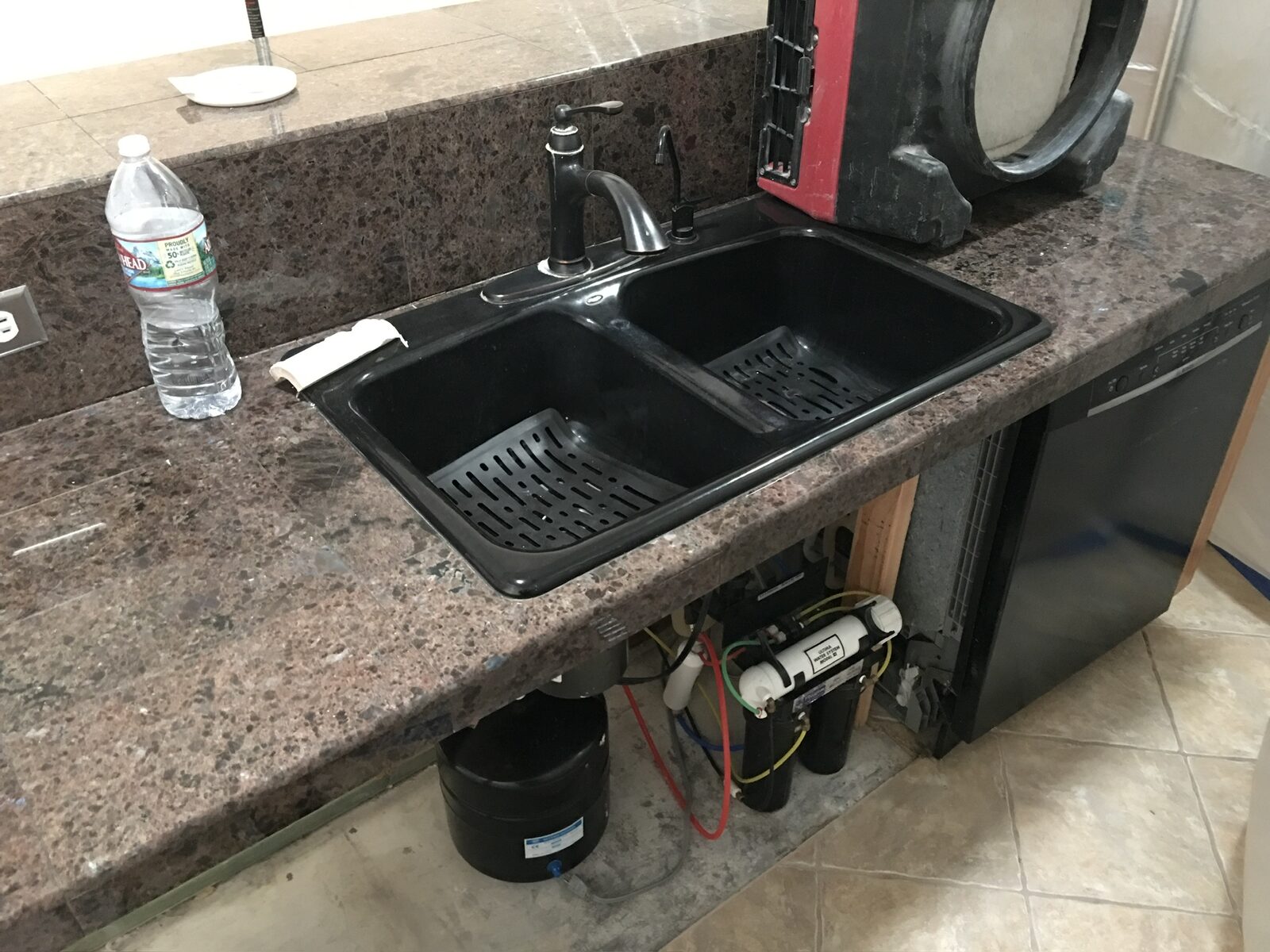
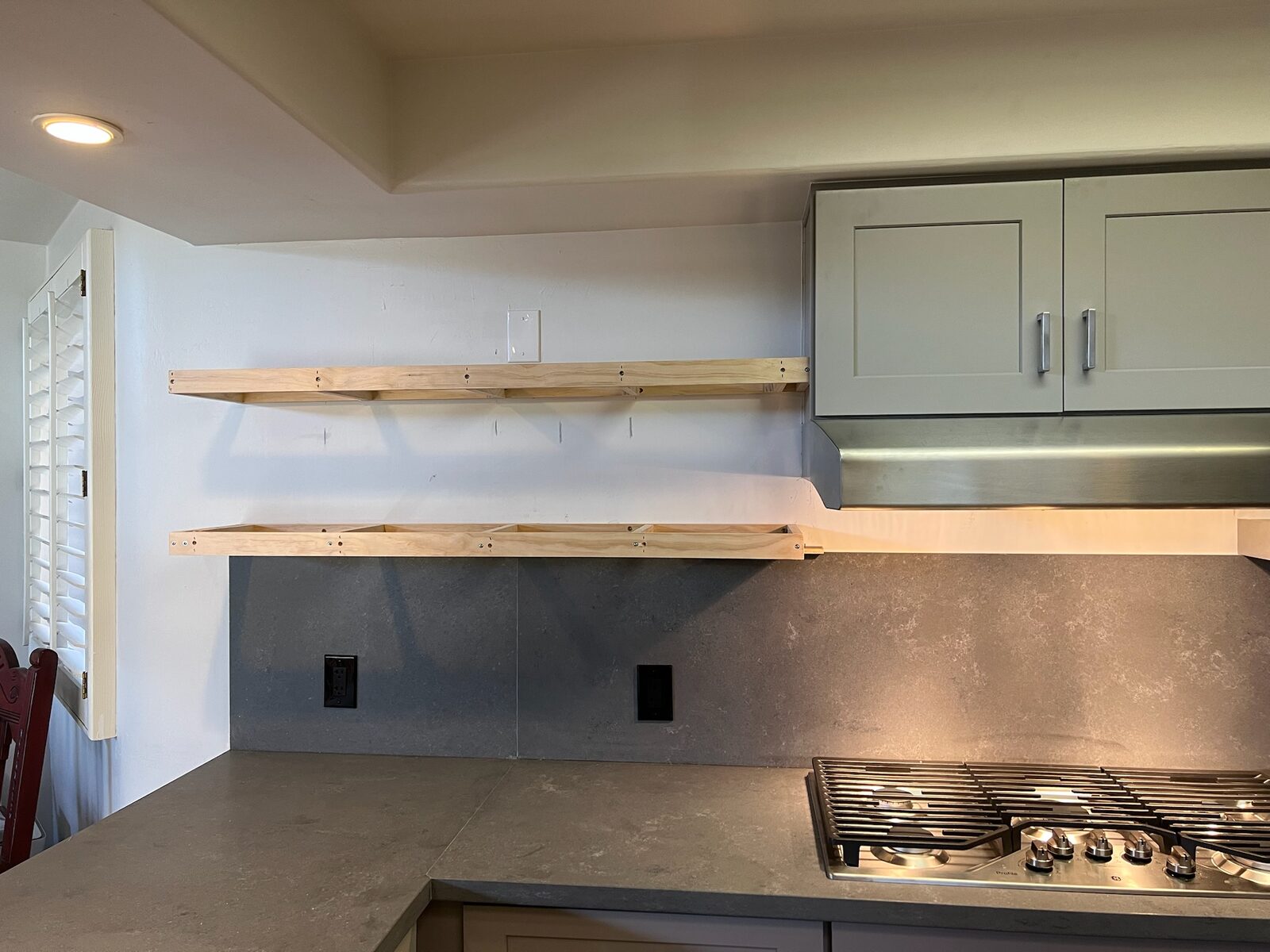
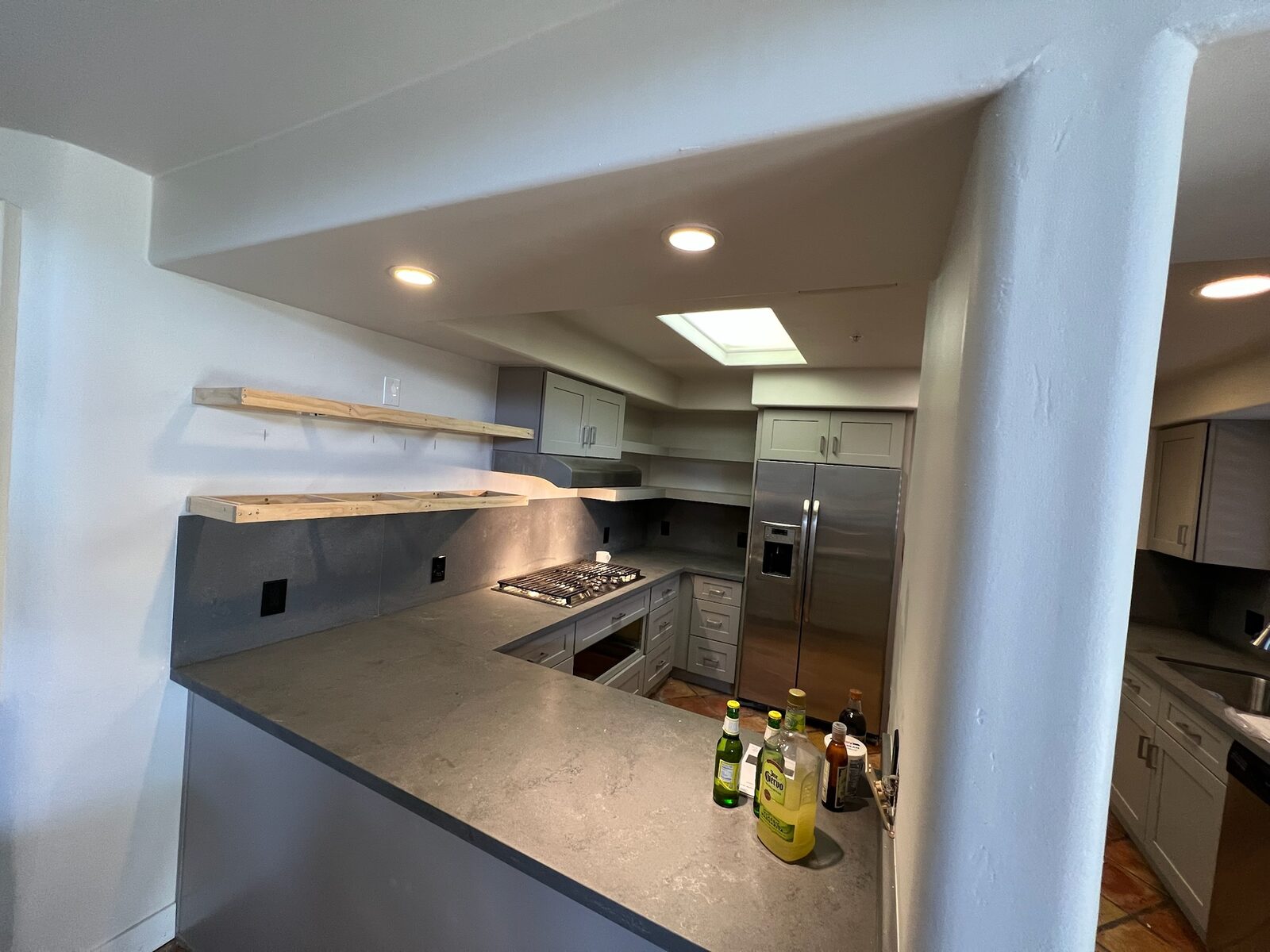
Residential reconstruction work by members of our team. See the full gallery →
More from Gold Water Fire
Abrasive Cleaning Methods for Soot on Framing and Masonry
A look at how abrasive cleaning methods remove soot from wood framing and masonry after a fire, and when each method fits the material.
AC Condensate Line Clogs & the Water Damage They Cause in Phoenix Homes
Why Phoenix AC condensate lines clog every summer, what the water damage looks like, and how to find the source before the ceiling stain spreads again.
Actual Cash Value vs Replacement Cost: Why Your Check Might Not Match the Repair Bill
Confused why your insurance check seems short after fire or water damage? Learn the difference between actual cash value and replacement cost coverage.
Ask us the hard questions first
If you are trying to figure out why damage keeps coming back, or what a contractor should have told you the first time, call Gold Water Fire at (480) 999-3339 or email Help@goldwaterfire.com. We serve the Phoenix metro area from 221 E Willis Rd Ste 8, Chandler, AZ 85286, and we are glad to walk through your situation before you decide anything.
Call (480) 999-3339Water Damage Restoration · Fire Damage Restoration · Reconstruction & Rebuild · About Gold Water Fire · Contact Us