
Your Right to Choose Your Own Restoration Contractor
Somewhere in the middle of dealing with water pooling under your floors or the smell of smoke that will not leave a room, someone hands you a name. A contractor your insurance company works with. It sounds official, maybe even required, and you are tired enough and scared enough about the damage that you almost do not think to ask whether you have another option. That hesitation, that quiet feeling that something about this process is happening to you rather than with you, is worth paying attention to.
Your Right to Choose Your Own Restoration Contractor
Why this question comes up at all
When you file a claim, your insurance company will often recommend a contractor from what is sometimes called a preferred vendor list or a direct repair program. These arrangements exist because insurers negotiate rates and workflows with certain companies in advance, which can make claims move faster on their end. What often gets left unsaid is that these lists are a convenience for the insurer, not an obligation for you. In nearly every state, homeowners retain the legal right to select the contractor who repairs their own property. The insurance company can suggest, but the choice belongs to you.
What your policy actually requires
Most homeowner policies obligate the insurer to pay for covered damage, not to dictate who performs the repair. Read the language in your policy about contractor selection, if it appears at all. In most cases you will find that the policy is silent on forcing a specific vendor because it cannot lawfully do so. If an adjuster tells you that you must use their contractor or your claim will be delayed or denied, that is worth asking about directly and, if needed, escalating with your state's department of insurance.
How to exercise the choice without slowing your claim
You do not have to choose blindly to assert this right. Ask the adjuster in writing to confirm that you may select your own licensed contractor. Get a written scope of damage or estimate from the contractor you choose so it can be submitted alongside or in place of the insurer's preferred vendor's numbers. Keep records of every conversation, including dates and names, in case a disagreement over scope or pricing comes up later. None of this needs to be adversarial. It is simply documentation that protects you if the insurer's number and the actual cost of repair do not match.
What to look for when the choice is yours
Once you know you can choose, the next question is what to choose. Confirm the company holds an active contractor license in your state, since water damage restoration, fire damage restoration, and reconstruction work often fall under different licensing categories depending on scope. Ask whether the same company handles both the mitigation (drying, cleanup, demolition of damaged material) and the rebuild, since coordinating those two phases yourself with separate companies can add delay and miscommunication. Ask how they document damage for insurance purposes, since a clear paper trail with photos and moisture readings matters if your claim is questioned later.
Questions people ask us
Can my insurance company deny my claim if I do not use their preferred contractor?
A legitimate claim for covered damage should not be denied simply because you chose a different licensed contractor. If you encounter this, ask for the denial reason in writing and consider contacting your state's department of insurance, since steering practices like this are regulated in many states.
Does choosing my own contractor cost me more out of pocket?
Not inherently. Your policy covers the actual cost to repair covered damage up to your policy limits, regardless of which licensed contractor performs the work. Differences in estimates between your contractor and the insurer's preferred vendor are a scope and pricing discussion, not a reason your choice costs more by default.
What if the insurance adjuster already sent someone out before I could choose?
You can still choose your own contractor even after an adjuster's initial inspection. The adjuster's estimate is a starting point for the claim, not a binding requirement on who performs the repair.
Is there a deadline for deciding who repairs my property?
Policies vary, but most give you a reasonable window to make repair decisions, especially for structural work. Acting sooner rather than later matters more for preventing further damage, like mold growth after a water event, than for meeting a contractor deadline.
The standard our team works to
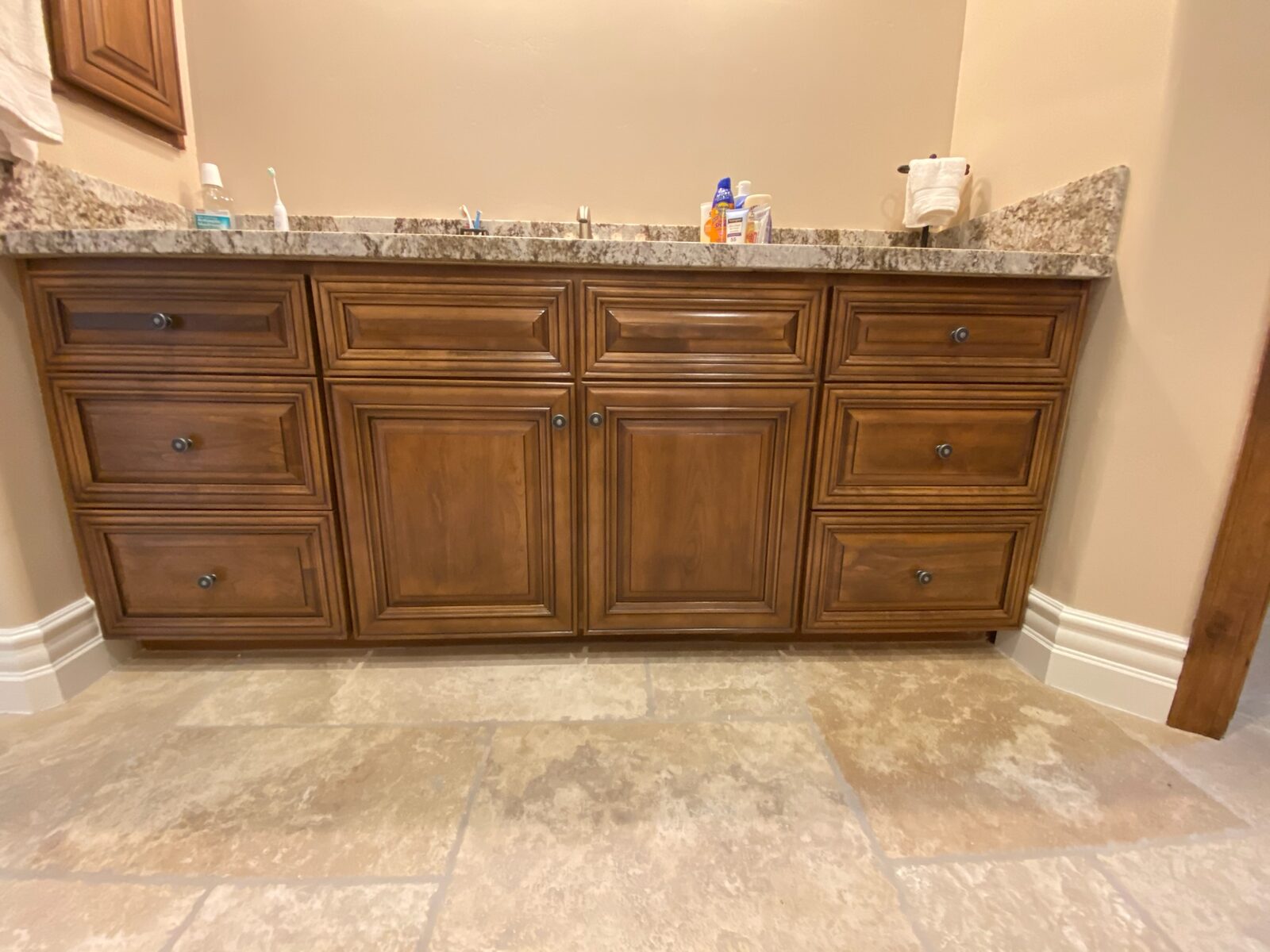

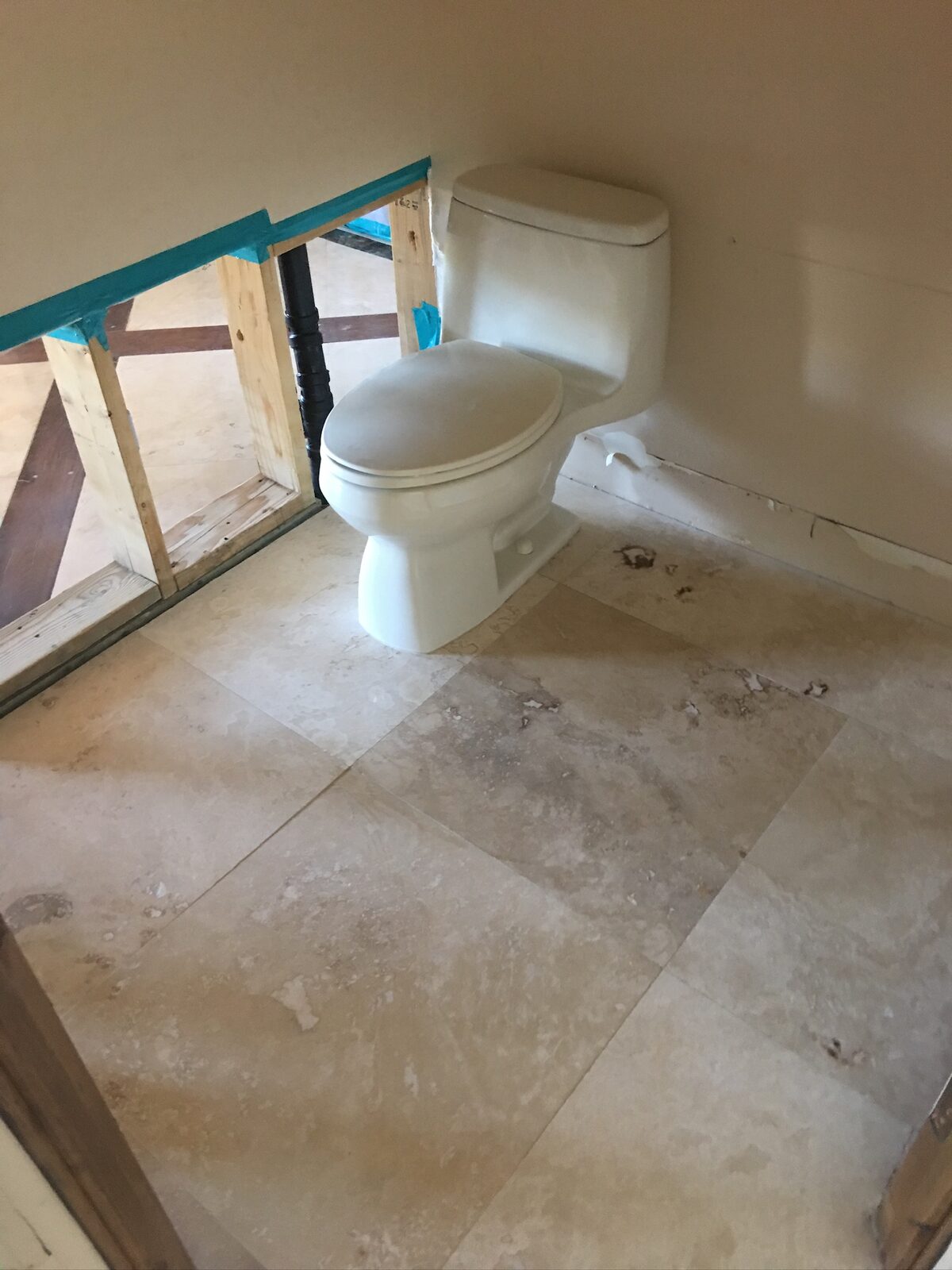
Residential reconstruction work by members of our team. See the full gallery →
More from Gold Water Fire
Abrasive Cleaning Methods for Soot on Framing and Masonry
A look at how abrasive cleaning methods remove soot from wood framing and masonry after a fire, and when each method fits the material.
AC Condensate Line Clogs & the Water Damage They Cause in Phoenix Homes
Why Phoenix AC condensate lines clog every summer, what the water damage looks like, and how to find the source before the ceiling stain spreads again.
Actual Cash Value vs Replacement Cost: Why Your Check Might Not Match the Repair Bill
Confused why your insurance check seems short after fire or water damage? Learn the difference between actual cash value and replacement cost coverage.
Considering your options after water or fire damage?
Gold Water Fire serves homeowners across the Phoenix metro area, including Mesa, Chandler, Scottsdale, Glendale, and surrounding communities. Call (480) 999-3339 or email Help@goldwaterfire.com to talk through what you are facing.
Call (480) 999-3339Water Damage Restoration · Fire Damage Restoration · Reconstruction & Rebuild · About Gold Water Fire · Contact Us