
How Mold Grows Behind Drywall After a Water Loss
You dried up the water. You ran a fan, maybe a dehumidifier, and the carpet felt normal again within a day or two. But something still feels off, a smell that comes and goes, a wall that seems cool to the touch, a spot near the baseboard that looks slightly darker than the rest of the paint. You've started to wonder if the problem actually went away, or if it just went somewhere you can't see. That uncertainty is exhausting, especially when everyone around you assumes the leak is old news.
How Mold Grows Behind Drywall After a Water Loss
Why drywall hides moisture so well
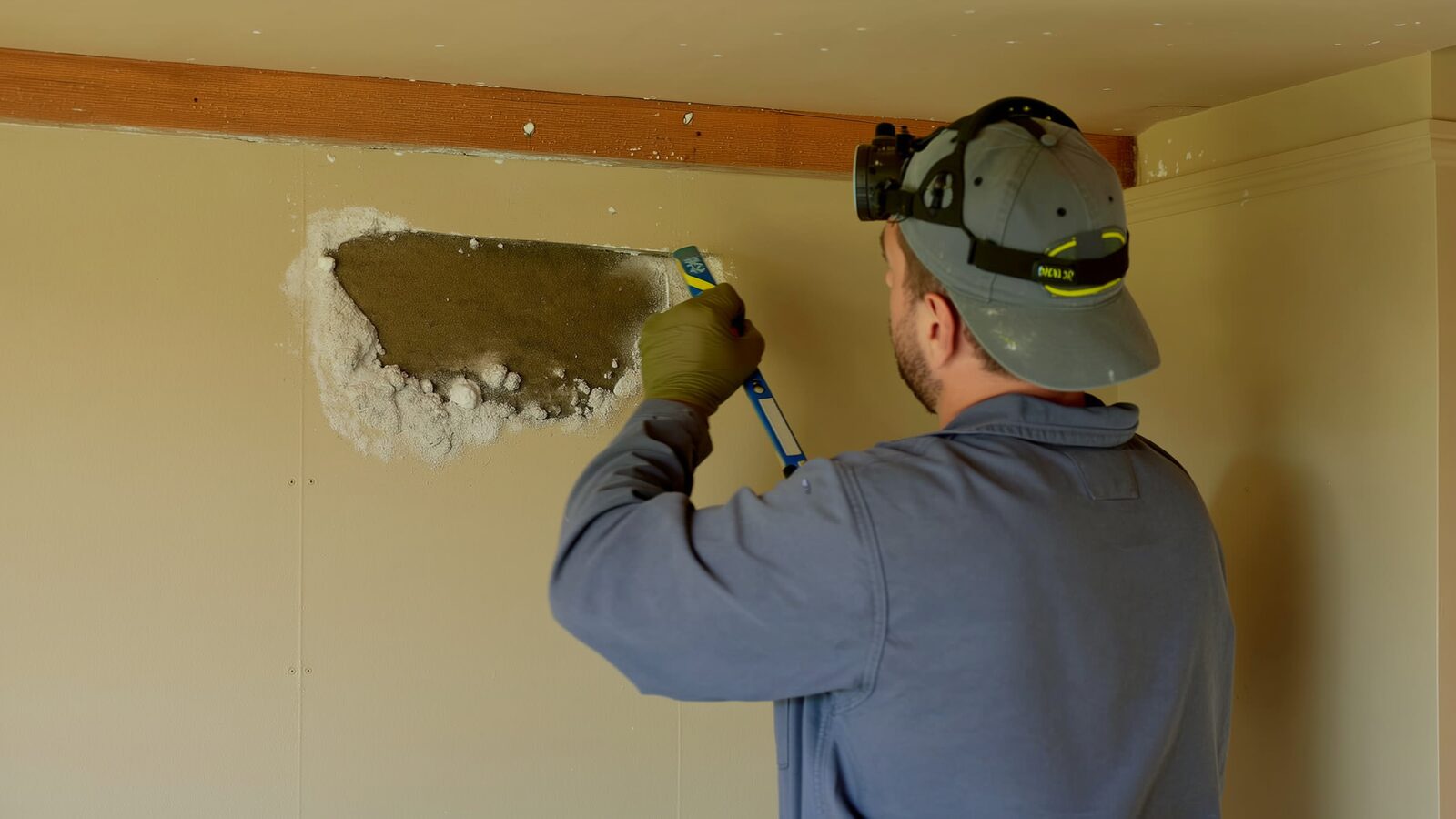
Drywall is made of gypsum board sandwiched between paper facings, and that paper is exactly what makes it a poor place to judge dryness by eye. The surface paint layer can look and feel dry within hours of a leak, while the gypsum core and the paper backing behind it hold moisture much longer. Water also travels sideways through wall cavities by wicking along studs, insulation, and the paper facing itself, so a leak that started at one baseboard can show moisture two or three feet away, in a spot that never got visibly wet. Add in the wall cavity's insulation, and you have a space that stays damp and dark long after the visible surfaces read dry to a hand or a glance.
The timeline mold actually follows
Mold does not need a flood to take hold. It needs organic material (the paper facing on drywall qualifies), a temperature in a normal indoor range, and sustained moisture, generally documented in restoration and building science literature as roughly 24 to 48 hours of dampness before spores that are already present in nearly every indoor environment begin to germinate and colonize. That window is why a homeowner can dry the carpet and run fans for two days, feel like the job is done, and still have colonization starting inside the wall cavity where airflow from those fans never reached. Once mold establishes itself on the back of the drywall or the framing behind it, it can continue spreading quietly for weeks, well before it produces a visible stain or a strong odor on the painted side.
Signs the moisture didn't fully leave
A musty smell that fades when you open windows but returns by evening is one of the more reliable indicators, since it often means a damp cavity is releasing air on a cycle tied to temperature changes in the wall. Discoloration that shows up as a faint yellow, brown, or gray shadow, especially near the base of a wall or around a window or plumbing wall, is another. Paint that bubbles, feels soft, or separates slightly from the drywall surface points to trapped moisture pushing outward. Baseboards that have swelled, warped, or pulled away from the wall are a strong sign that water sat at floor level long enough to saturate the material. None of these signs guarantee mold is present, but each one means the drywall cavity likely never returned to a normal moisture level, which is the condition mold needs most.
Musty odor that returns
A smell that fades with ventilation but comes back later often means a wall cavity is still releasing damp air.
Discoloration or staining
Faint yellow, brown, or gray shadows on paint, especially low on a wall, point to moisture that traveled through the drywall paper.
Bubbling or soft paint
Paint that lifts, bubbles, or feels soft to a light touch usually means moisture is trapped just behind the surface.
Warped or separated baseboards
Baseboards that swell or pull away from the wall suggest water sat at floor level long enough to saturate the material.
Why surface drying isn't the same as structural drying
Fans and open windows move air across a room, which does help evaporate surface moisture on flooring and exposed materials. What that airflow usually cannot do is reach inside a closed wall cavity, behind insulation, or underneath flooring where the subfloor meets the wall. Structural drying, the process restoration professionals use, relies on measuring moisture content inside materials with meters rather than judging by touch or sight, and on directing air and dehumidification specifically at the cavities and materials that tested wet. Without that kind of targeted drying, a wall can look and feel done from the room side while the framing, insulation, or drywall backing inside it stays at a moisture level that supports mold growth for days or weeks after the visible cleanup is finished.
What to do if you suspect hidden moisture
If a water event happened recently and any of the signs above are present, the most useful next step is confirming what's actually inside the wall rather than guessing from the outside. That usually means moisture meter readings taken at the baseboard, mid-wall, and near any affected corners, compared against a dry area of the same wall for a baseline. If those readings come back elevated, the drywall and insulation in that section typically need to be assessed for whether they can be dried in place or need to be removed. You can read more about how that assessment and drying process works on our water damage restoration page, and if the water event was tied to a fire response, such as suppression water or hose lines used during firefighting, our fire damage restoration page covers how those two issues often overlap.
Questions people ask us
How long does it take for mold to grow behind drywall after a leak?
General building science and restoration industry guidance points to roughly 24 to 48 hours of sustained dampness before mold spores, which are present in nearly all indoor air, begin to germinate on organic material like the paper facing on drywall. Growth can then continue for weeks without becoming visible on the painted surface.
Can drywall look dry on the outside but still be wet inside?
Yes. The painted surface of drywall dries much faster than the gypsum core or the paper backing behind it, and moisture can also wick sideways through a wall cavity to areas that never appeared visibly wet.
Does a musty smell always mean there's mold?
Not always, but a musty smell that fades with ventilation and then returns is a strong sign that a wall cavity or other enclosed space is still holding moisture, which is the condition mold growth depends on most.
Is it possible to dry a wall without removing the drywall?
In some cases, yes, if moisture is caught early and the cavity can be reached with targeted airflow and dehumidification. Whether drywall can be dried in place or needs to be removed typically depends on moisture meter readings and how long the material stayed wet.
The standard our team works to
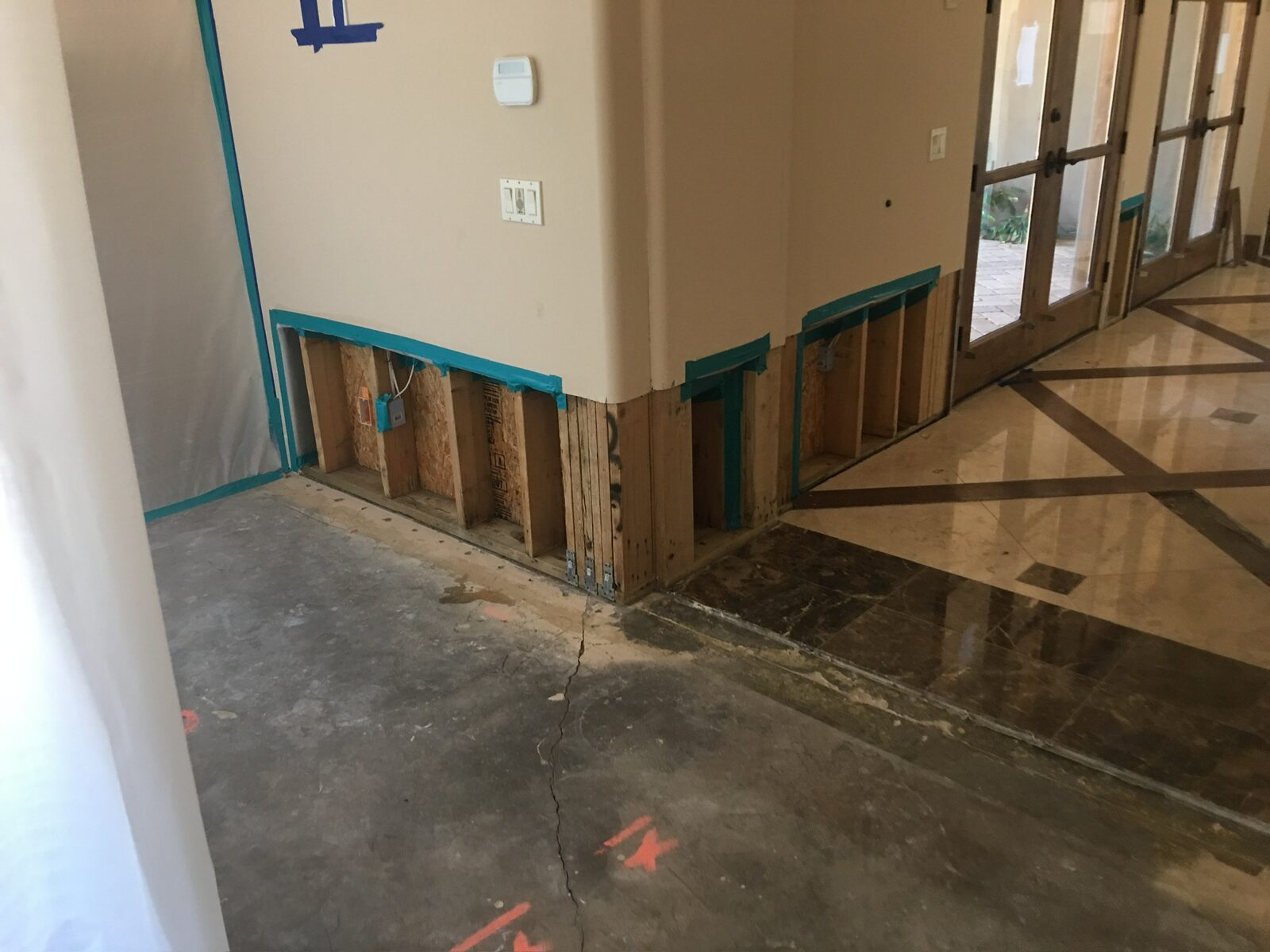
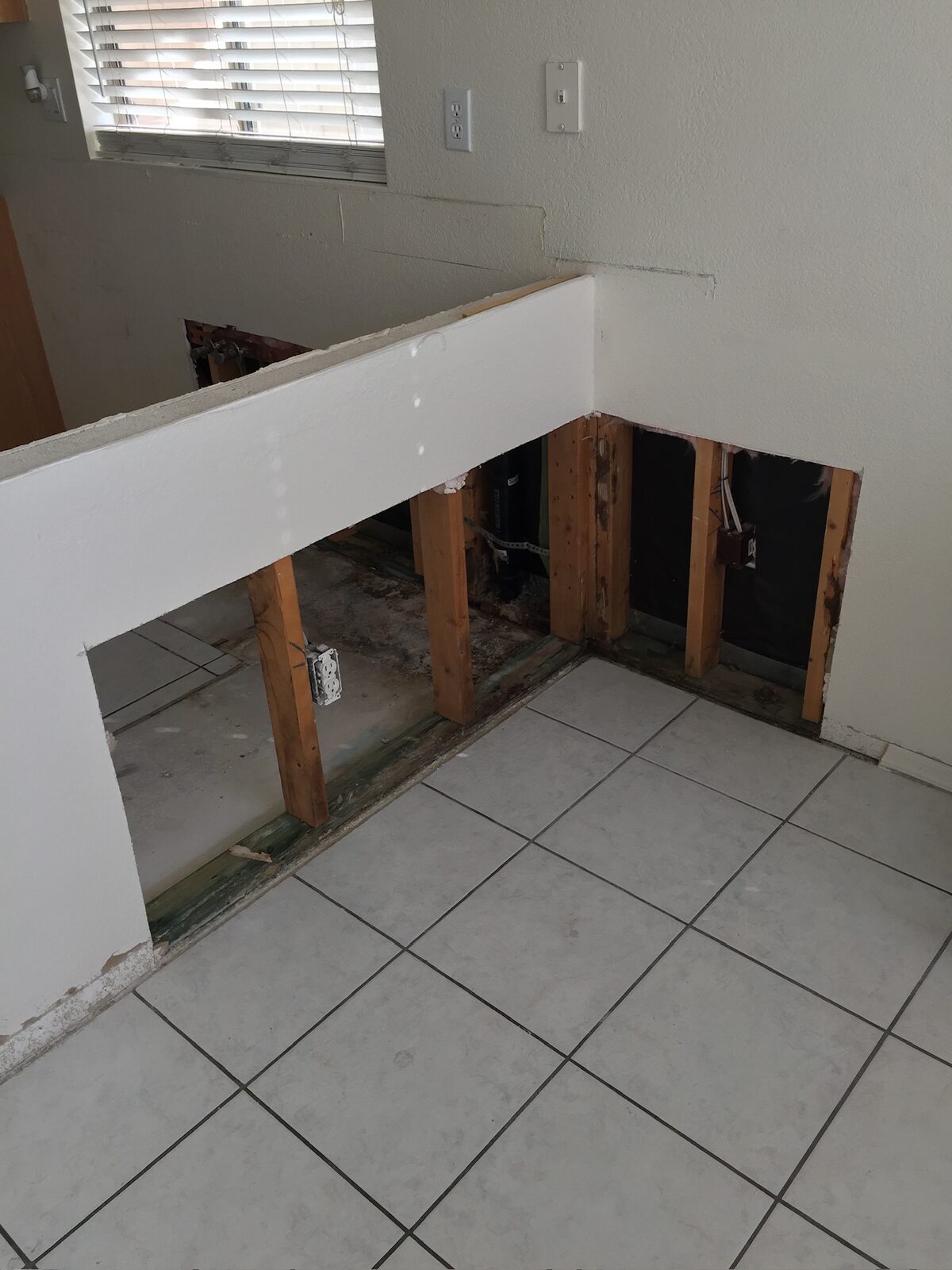
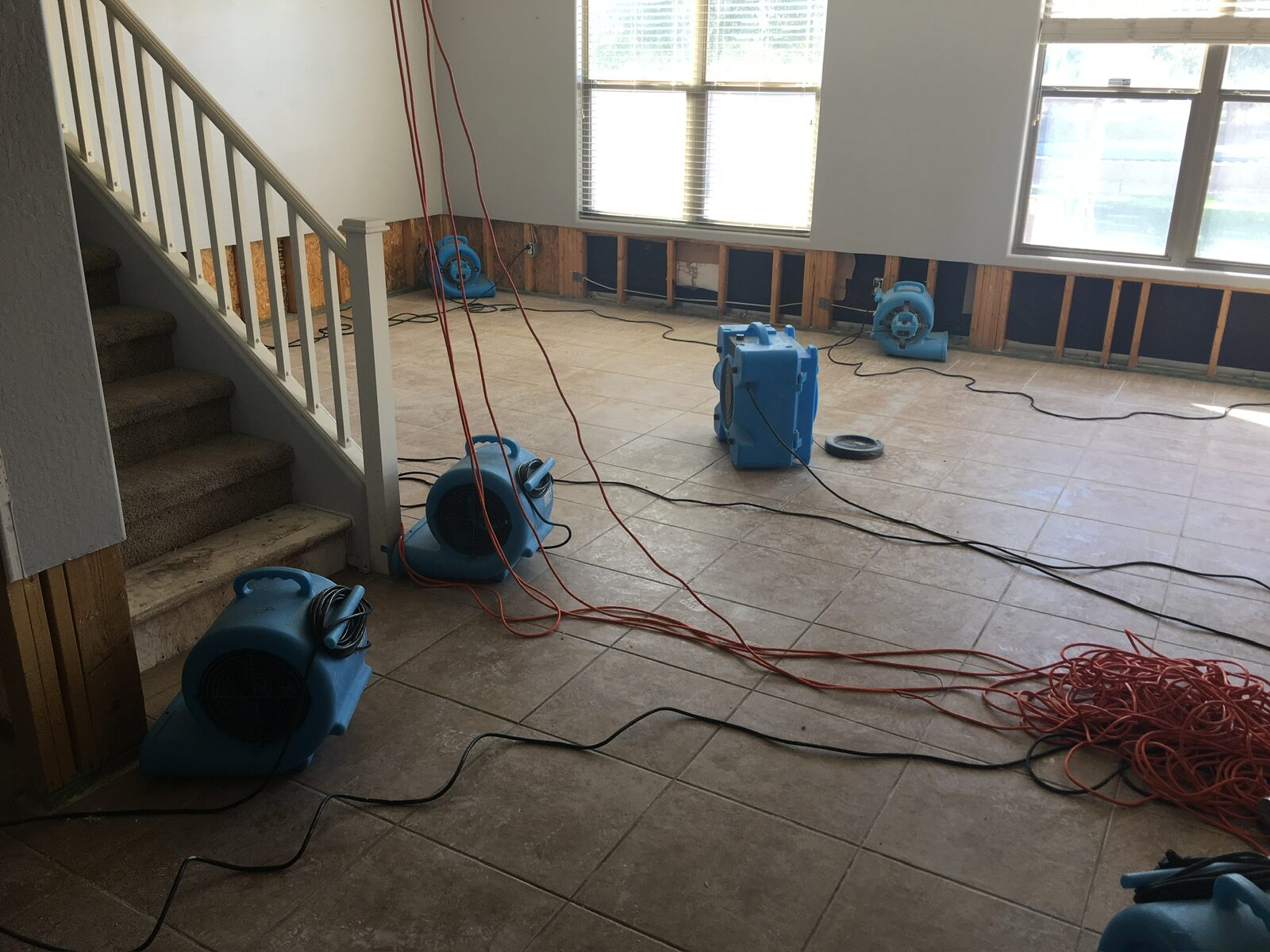
Residential reconstruction work by members of our team. See the full gallery →
More from Gold Water Fire
Abrasive Cleaning Methods for Soot on Framing and Masonry
A look at how abrasive cleaning methods remove soot from wood framing and masonry after a fire, and when each method fits the material.
AC Condensate Line Clogs & the Water Damage They Cause in Phoenix Homes
Why Phoenix AC condensate lines clog every summer, what the water damage looks like, and how to find the source before the ceiling stain spreads again.
Actual Cash Value vs Replacement Cost: Why Your Check Might Not Match the Repair Bill
Confused why your insurance check seems short after fire or water damage? Learn the difference between actual cash value and replacement cost coverage.
Not sure if your walls are actually dry
If a wall in your home still smells off, feels cool, or shows any discoloration after a water event, we can take moisture readings and tell you what's actually happening behind the surface. Reach Gold Water Fire at (480) 999-3339 or Help@goldwaterfire.com.
Call (480) 999-3339Water Damage Restoration · Fire Damage Restoration · Contact Gold Water Fire