
What to Ask Before Signing Anything After a Property Loss
Somewhere between the moment you find the damage and the moment a contractor hands you a clipboard, everything starts moving fast. There are papers to sign, adjusters to call, and someone standing in your kitchen telling you work needs to start today. It is a lot to process while you are also trying to figure out where you and your family are going to sleep tonight. Slowing down for a few questions before you sign anything is not going to make things worse. It is one of the few parts of this process you actually get to control.
What to Ask Before Signing Anything After a Property Loss
Why the first signature matters more than it seems
After a fire or water loss, the first document put in front of a homeowner is often a work authorization or a contingency agreement. These forms can range from a simple permission to begin drying or board-up, to a document that assigns your insurance benefits directly to the contractor. The difference matters. A basic work authorization usually just confirms you are allowing the company onto your property to perform specific work. A broader agreement may give the contractor authority to negotiate with your insurer, bill them directly, or make decisions about scope on your behalf. Neither is automatically wrong, but you should know which one you are signing and why.
What exactly does this document authorize?
Read the title of the form, not just the fine print. Ask the person handing it to you to explain, in plain language, what it lets them do. Is it permission to start emergency mitigation work, like water extraction or securing a damaged roof? Is it a full contract for repairs? Is it an assignment of benefits that changes who your insurance company deals with directly? If the answer is vague or rushed, that is worth noticing. A straightforward answer to a straightforward question is a reasonable thing to expect.
What is included, and what happens if the scope changes?
Water and fire damage often reveal more once work begins. A wall that looks fine from the outside might have saturated insulation behind it. Ask how additional damage, if it is found, gets documented and approved before the cost of addressing it is added to the job. You want to know this upfront, not after the work is done and the invoice arrives. Also ask whether the estimate is based on a walk-through inspection or a more detailed assessment, since that affects how reliable the initial number is likely to be.
Who is talking to my insurance company, and how?
Ask whether the company documents damage in a way that is typically usable for a claim, such as photos, moisture readings, or written scope notes. Ask whether you will be copied on communications with your adjuster or whether those conversations happen without you. You are allowed to ask for copies of everything submitted on your behalf. This is your claim and your policy, even when someone else is helping manage the paperwork.
What does the schedule actually look like?
Ask what happens first, what happens next, and roughly how those phases are sequenced, for example drying before demolition, or mitigation before rebuild estimates. Ask how much notice you will get before crews arrive each day, and whether you need to be present. If part of your home will be unlivable during work, ask when that will happen and for how long that phase is expected to last, even if only in general terms. Getting this in writing, even informally in an email, gives you something to point back to later.
A short list to run through
Take a breath and ask: What am I authorizing right now, today? Can I get a copy of this signed document for my own records? Is there a cancellation or right-of-rescission window if I change my mind? Who do I call with questions once work starts? None of these questions are confrontational. They are the kind of questions any contractor comfortable with their own paperwork should be glad to answer clearly.
Questions people ask us
Is it normal to be asked to sign something the same day as the damage?
It is common for an emergency work authorization to be presented quickly, especially if water is actively causing damage and needs to be stopped right away. What matters is that you understand what that specific document covers. A same-day signature for starting mitigation is different from a same-day signature for a full repair contract.
What is an assignment of benefits, and do I have to sign one?
An assignment of benefits is a document that can transfer some of your rights under your insurance policy to the contractor, often so they can bill and negotiate with the insurer directly. It is not required in every situation. If you are asked to sign one, it is reasonable to ask what it changes about your relationship with your own insurance company before agreeing.
Can I ask for time to read a contract before signing?
Yes. Even in an urgent situation, you can ask for a few minutes, a copy to review, or a chance to call someone you trust before signing a longer contract. Emergency mitigation to stop active damage is different from a full reconstruction agreement, and the second one deserves more time.
What should I do with copies of everything I sign?
Keep a physical or digital copy of every document you sign, along with the date and who presented it to you. If you end up working with your insurance adjuster, these records can help clarify what was authorized and when, especially if questions come up later about scope or timing.
The standard our team works to
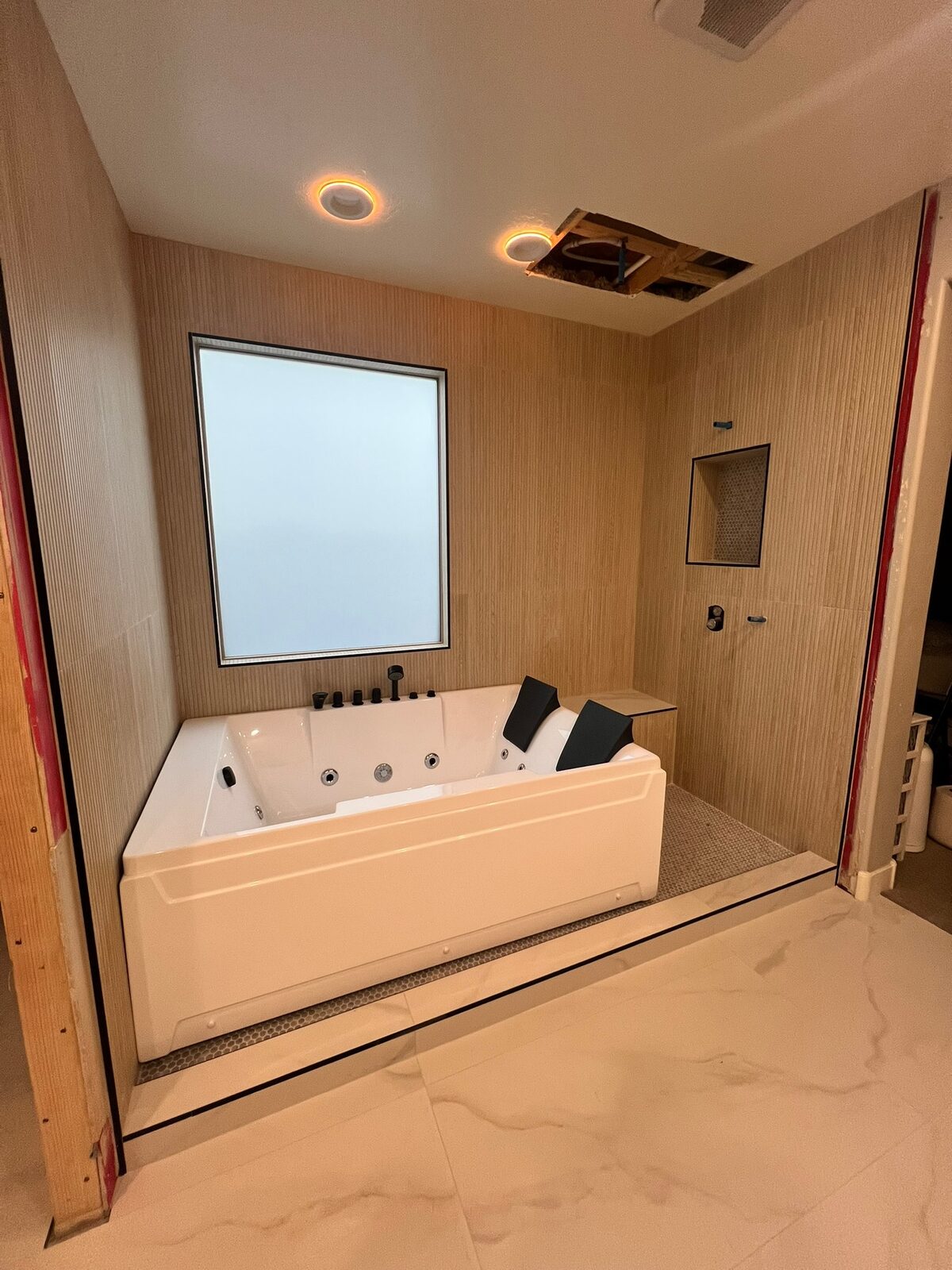
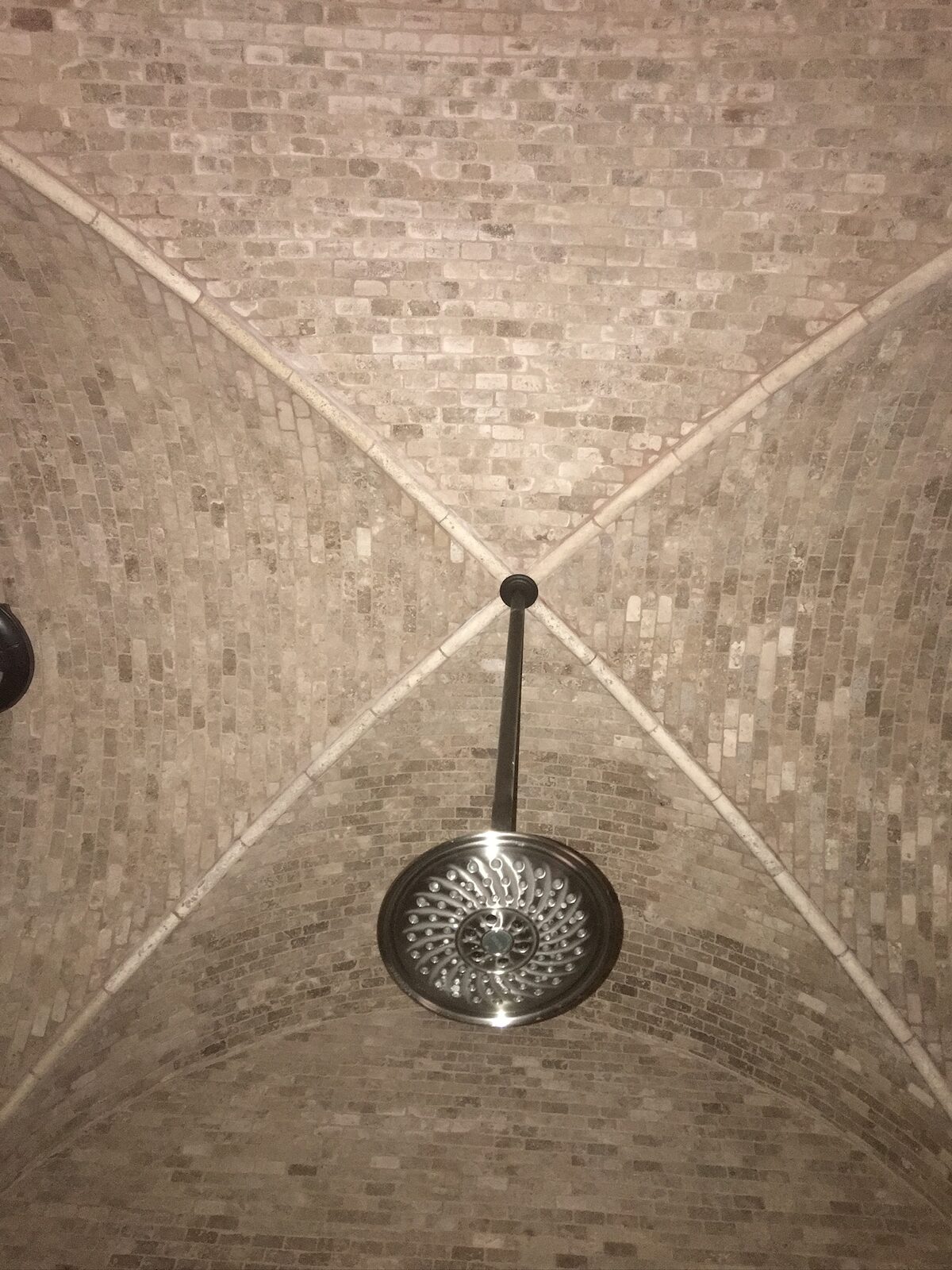
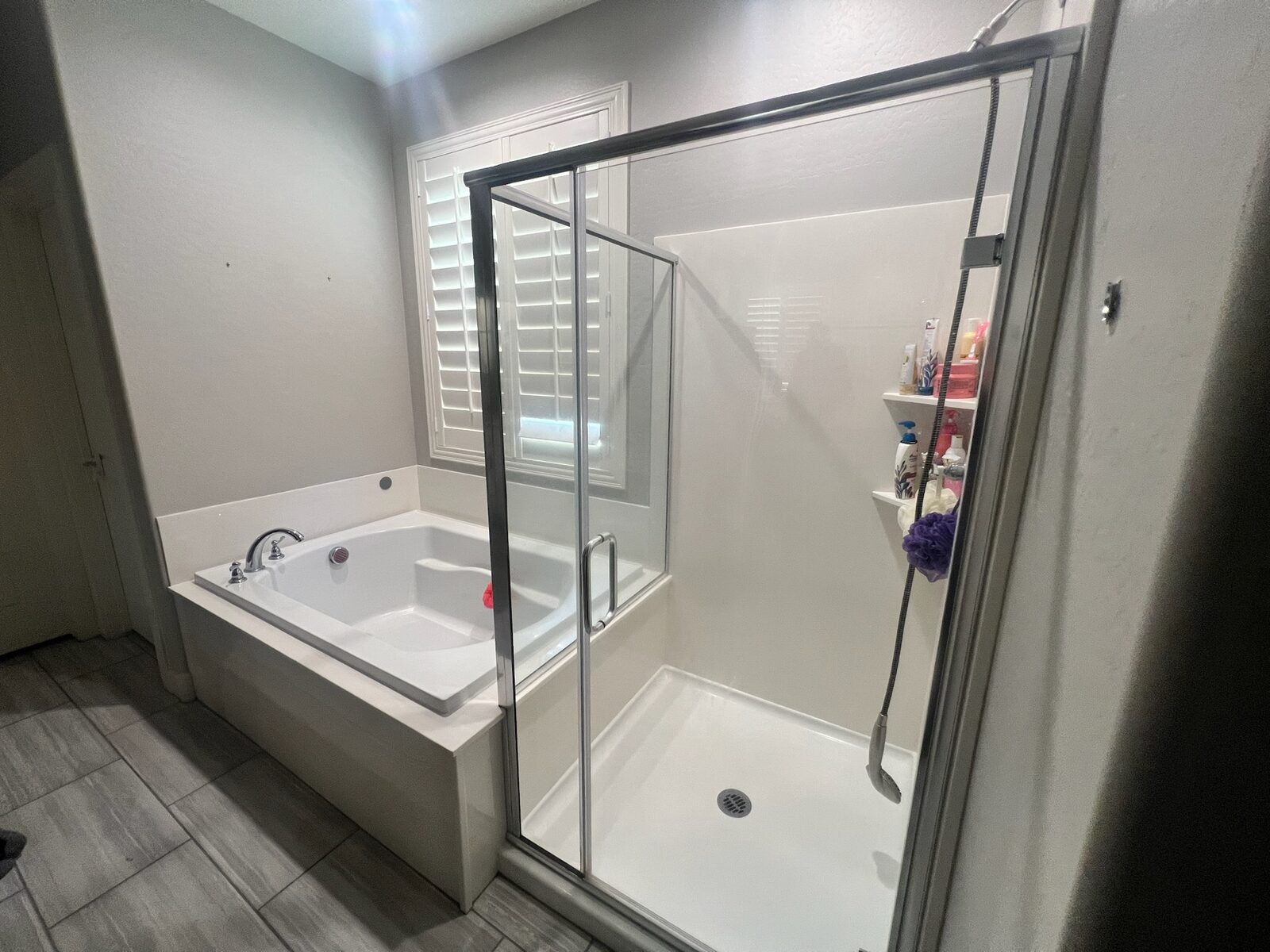
Residential reconstruction work by members of our team. See the full gallery →
More from Gold Water Fire
Abrasive Cleaning Methods for Soot on Framing and Masonry
A look at how abrasive cleaning methods remove soot from wood framing and masonry after a fire, and when each method fits the material.
AC Condensate Line Clogs & the Water Damage They Cause in Phoenix Homes
Why Phoenix AC condensate lines clog every summer, what the water damage looks like, and how to find the source before the ceiling stain spreads again.
Actual Cash Value vs Replacement Cost: Why Your Check Might Not Match the Repair Bill
Confused why your insurance check seems short after fire or water damage? Learn the difference between actual cash value and replacement cost coverage.
Have questions about a document in front of you right now?
If you are trying to make sense of a form, an estimate, or next steps after fire or water damage, Gold Water Fire is available to talk it through. Reach out through <a href="/contact.html">the contact page</a> or call (480) 999-3339.
Call (480) 999-3339