
Steam Showers and the Moisture That Hides Behind the Walls
If you have a steam shower and you've started noticing a musty smell in the bathroom, a soft spot near the baseboard, or a faint discoloration creeping across the wall outside the enclosure, you're probably wondering how a sealed, well-built shower could possibly be causing a problem somewhere else in the room. It's a strange thing to sit with, because everything looks fine on the surface. The tile is intact. The grout looks clean. There's no obvious leak. And yet something feels off, and you can't quite point to why. That uncertainty is exactly where a lot of steam shower moisture problems start, quietly, behind materials that were never designed to handle sustained heat and humidity day after day.
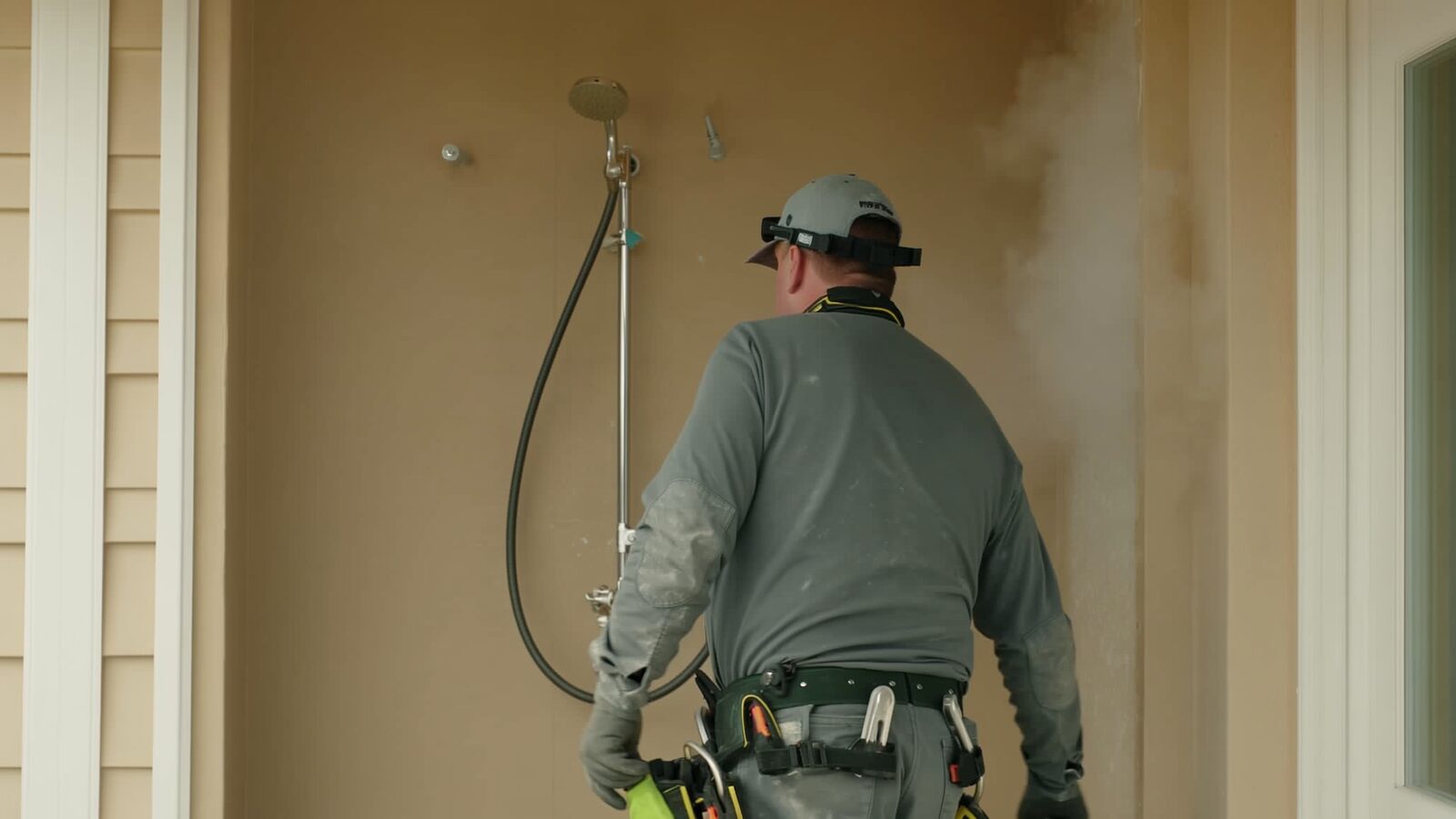
Steam Showers and the Moisture That Hides Behind the Walls
Steam showers ask more of a wall system than a regular shower does
A standard shower gets wet for a few minutes and then dries out. A steam shower holds a sealed enclosure at high humidity and elevated temperature for extended periods, often on a daily basis. That combination pushes moisture vapor through grout lines, through tiny cracks in caulk, and through the vapor barrier itself if it wasn't installed with a steam application in mind. Regular showers can often get by with a standard vapor retarder behind the tile. Steam showers generally need a more robust, fully sealed vapor barrier that wraps the ceiling and walls of the enclosure without gaps, because the assembly is under sustained vapor pressure, not just occasional splashing.
The damage usually shows up outside the enclosure, not inside it
This is the part that confuses a lot of homeowners. The tile inside the steam shower is built to get wet, so it rarely shows the first sign of trouble. Instead, watch the drywall or paint on the other side of the shower wall, the baseboard in the adjoining room, the ceiling below if the shower is upstairs, and any wood trim or cabinetry sharing a wall with the enclosure. Discoloration, bubbling paint, a soft or spongy feel when you press the drywall, and a persistent musty smell are all signs that vapor has been migrating through the wall assembly for a while, often longer than anyone realized.
Moisture trapped in a wall cavity behaves differently than a surface leak
A surface leak is usually obvious and gets fixed fast. Vapor migration into a wall cavity is slower and less visible, which is what makes it harder to catch. Once moisture gets past the tile and grout, it can settle into the substrate, the insulation, and the framing itself. Because the space is enclosed and often warm, it doesn't dry out the way a wet spot on an open wall would. Over time that sustained dampness is the kind of environment where mold growth and wood deterioration become more likely, particularly in framing members that stay damp for days or weeks without airflow to dry them out.
Ventilation and an intact vapor barrier do most of the work
Two things matter most for a steam shower's long-term health: a vapor barrier system installed specifically for steam use, with seams and penetrations sealed rather than just taped, and a ventilation routine that actually clears the humidity out after each use rather than letting it linger. Running an exhaust fan during and after a steam session, leaving the enclosure door cracked once it's safe to do so, and periodically checking caulk lines and grout for cracks are simple habits that reduce how much vapor ever reaches the wall assembly in the first place. None of this is complicated, but it only works if it's done consistently, because a steam shower doesn't forgive an occasional lapse the way a regular shower might.
Questions people ask us
How long can moisture sit behind a steam shower wall before it becomes a real problem?
There's no fixed timeline because it depends on the wall assembly, ventilation, and how often the steam function is used, but sustained dampness in an enclosed, warm cavity tends to create conditions for mold and wood decay faster than an open, ventilated space would. The earlier it's caught, the smaller the repair tends to be.
Can I tell if my steam shower has a proper vapor barrier without opening the wall?
Not with certainty. Signs like discoloration, a musty smell, or soft drywall on the far side of the shower wall are strong indicators something is wrong, but confirming the vapor barrier's condition usually requires removing some material to inspect the cavity directly.
Is a musty smell near my steam shower always mold?
Not always, but a persistent musty smell is one of the more reliable early warning signs of trapped moisture, whether or not mold has taken hold yet. It's worth investigating rather than masking with air freshener, since the smell usually means the underlying moisture is still present.
Does the ventilation fan need to run the whole time the steam is on?
Running it during use and for a period afterward helps clear humidity before it has time to settle into surrounding materials. The exact routine depends on the shower's size and the fan's capacity, but the general principle is to keep air moving until the space feels dry, not just until the steam stops.
The standard our team works to
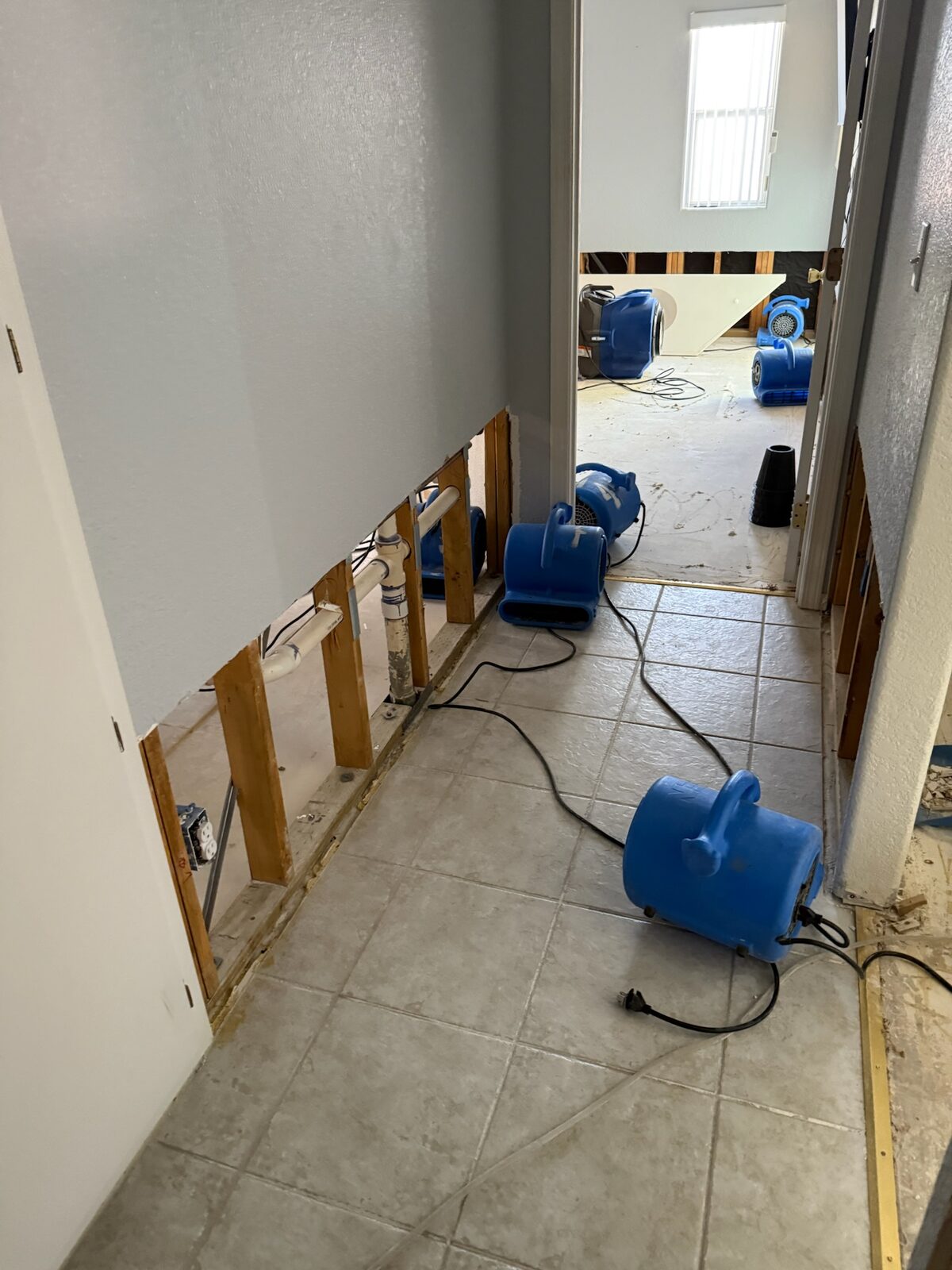
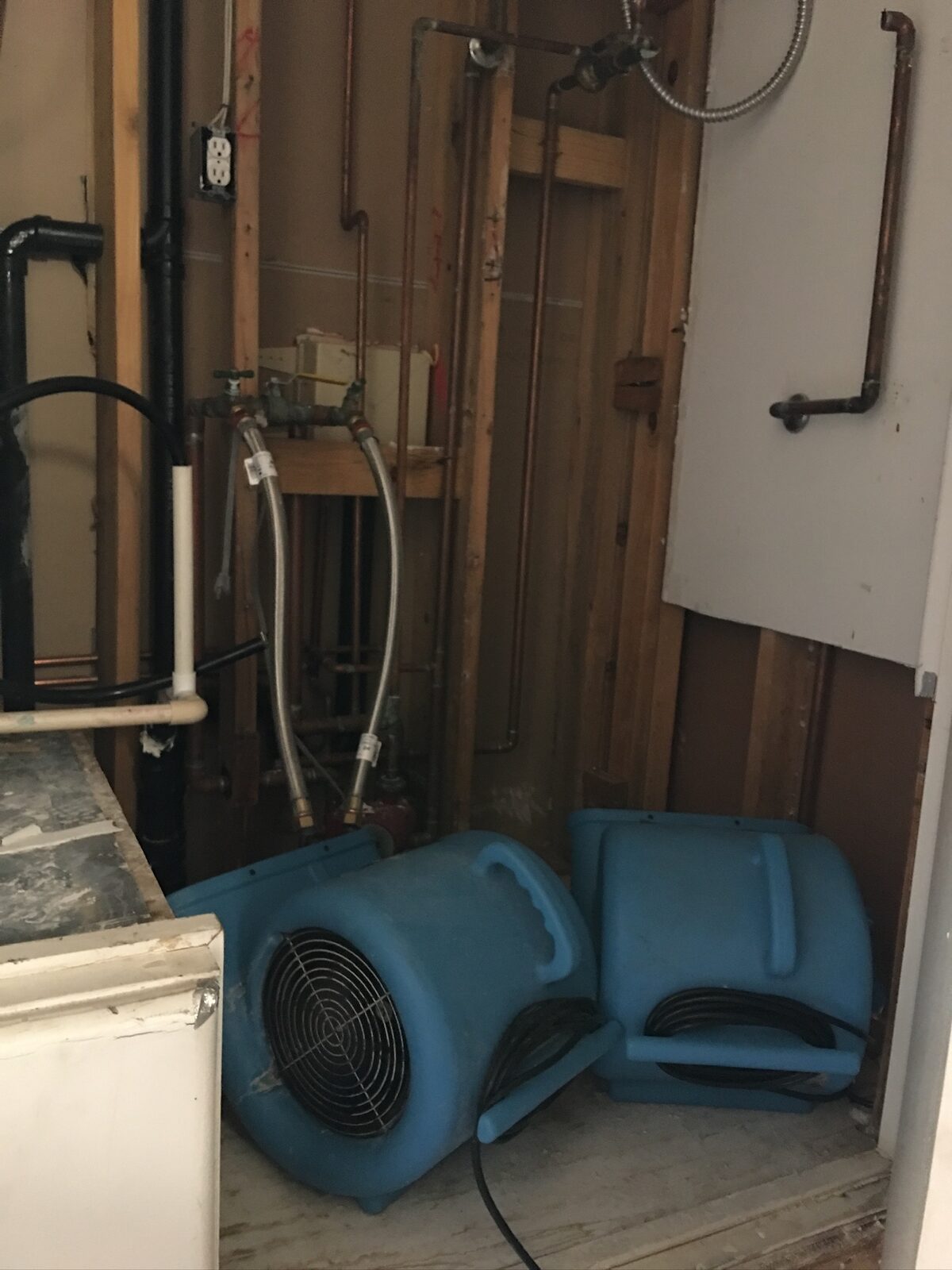
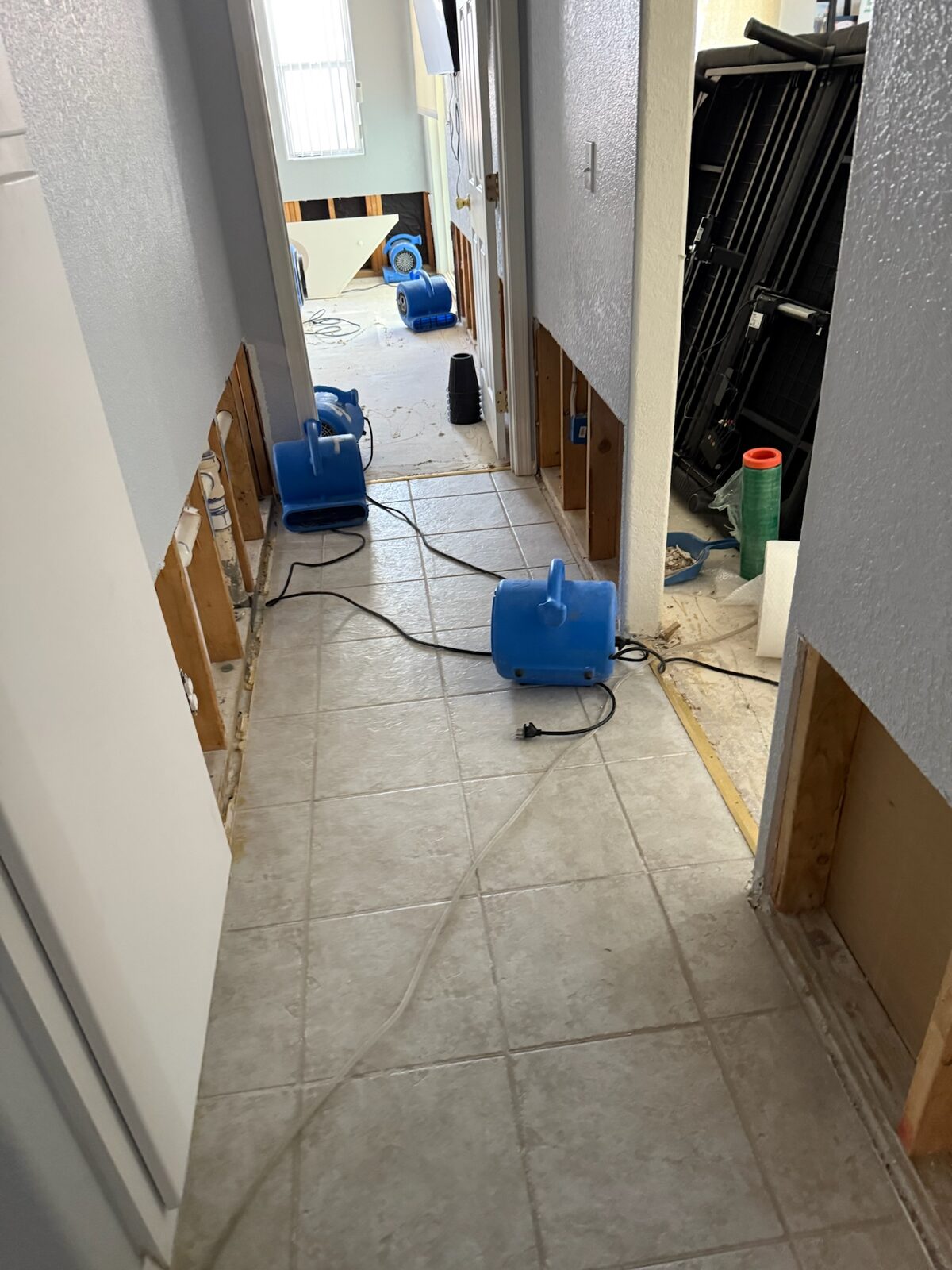
Residential reconstruction work by members of our team. See the full gallery →
More from Gold Water Fire
Abrasive Cleaning Methods for Soot on Framing and Masonry
A look at how abrasive cleaning methods remove soot from wood framing and masonry after a fire, and when each method fits the material.
AC Condensate Line Clogs & the Water Damage They Cause in Phoenix Homes
Why Phoenix AC condensate lines clog every summer, what the water damage looks like, and how to find the source before the ceiling stain spreads again.
Actual Cash Value vs Replacement Cost: Why Your Check Might Not Match the Repair Bill
Confused why your insurance check seems short after fire or water damage? Learn the difference between actual cash value and replacement cost coverage.
Seeing signs of moisture near your steam shower?
If you're noticing discoloration, a musty smell, or soft drywall near a steam shower, it helps to have someone look at what's happening inside the wall before it spreads further. Gold Water Fire serves the Phoenix metro area and can talk through what you're seeing. Reach out at (480) 999-3339 or Help@goldwaterfire.com.
Call (480) 999-3339Water Damage Restoration · Reconstruction & Rebuild · About Gold Water Fire · Contact Us