
Roof Repair After Storm Damage, and How It Connects to Interior Work
You noticed something after the last storm, a stain on the ceiling, a shingle in the yard, a musty smell in a closet that wasn't there before. Maybe you climbed up and looked, maybe you didn't. Either way, you're left wondering how bad it actually is, whether it's urgent, and whether the thing you can see is the whole problem or just the part that happened to show itself first. That uncertainty is its own kind of exhausting, especially when the sky looks clear again and everyone around you has moved on like nothing happened.

Roof Repair After Storm Damage, and How It Connects to Interior Work
Why storm damage to a roof is often invisible at first
Monsoon winds, hail, and dust storms common to the Phoenix area don't always leave a hole you can point to. A roof can lose granules, crack underlayment, or lift flashing without a single shingle blowing off. From the ground, the roof can look untouched for weeks or months while water finds its way in a little at a time. This is part of why storm damage often gets discovered late: the first sign isn't on the roof at all, it's a ceiling stain, a soft spot in drywall, or a smell that wasn't there before the last big wind event.
What to check after a storm, and what to leave to a professional
From the ground or a window, look for missing or curled shingles, dented vents or flashing, and granules collecting in gutters or downspouts. Inside, walk each room and check ceilings and the tops of walls for new discoloration, especially in rooms directly under valleys or roof penetrations like vent stacks and skylights. Attic access, if you have it, can show daylight through the roof deck or dark staining on the underside of the sheathing. Getting on the roof itself is where this stops being a homeowner task: storm-damaged roofing can be unstable underfoot, and a fall risk isn't worth confirming what a trained eye can assess more safely from a ladder or the attic side.
How a compromised roof turns into an interior problem
Water doesn't travel in straight lines once it gets past the roofing material. It follows rafters, wicks along insulation, and can travel several feet from the actual entry point before it shows up as a stain. That's why a leak over the garage can end up staining a ceiling in a bedroom, or why insulation can stay wet and start growing mold long after the visible drip has stopped. Left alone, moisture trapped in an attic or wall cavity keeps working on wood framing, drywall, and insulation well after the storm itself is a memory. This is the real reason roof repair and interior restoration are rarely separate jobs: the roof is where the water got in, but the damage it causes plays out inside the structure.
Sequencing repairs: roof first, then interior, and why order matters
Repairing interior damage before the roof is fully sealed is a common and costly mistake. New drywall, paint, or flooring exposed to even a small ongoing leak will simply fail again. The general order that holds up: stop the water entry at the roof, confirm the structure and insulation underneath have dried or been removed if too damaged, then move into interior repair and rebuild. Learn more about how these steps connect at water damage restoration and reconstruction and rebuild.
Questions people ask us
How do I know if roof damage is serious enough to act on right away?
Any active leak, sagging in the roofline or ceiling, or daylight visible through the roof deck from inside the attic should be treated as urgent, since ongoing water intrusion compounds quickly. Cosmetic granule loss or a few displaced shingles are worth addressing but are less time-sensitive than active water entry.
Can I just patch the roof and skip checking the inside?
It's worth checking the interior even if the exterior patch looks complete, because water that already got in before the repair can still be sitting in insulation, framing, or wall cavities. A dry-looking ceiling today doesn't rule out moisture trapped above it.
Why does a small roof leak sometimes cause a large ceiling stain?
Water spreads along the path of least resistance once it's inside the roof assembly, often traveling along a rafter or sheathing seam before dripping down. The stain you see on the ceiling can be several feet from where the water actually entered the roof.
Does homeowners insurance typically cover storm-related roof and interior damage together?
Coverage details vary by policy and insurer, so it's important to review your specific policy or talk with your insurance adjuster about what's included. Documenting both the roof damage and any resulting interior damage with photos as soon as it's safe to do so is generally a good practice regardless of coverage specifics.
The standard our team works to
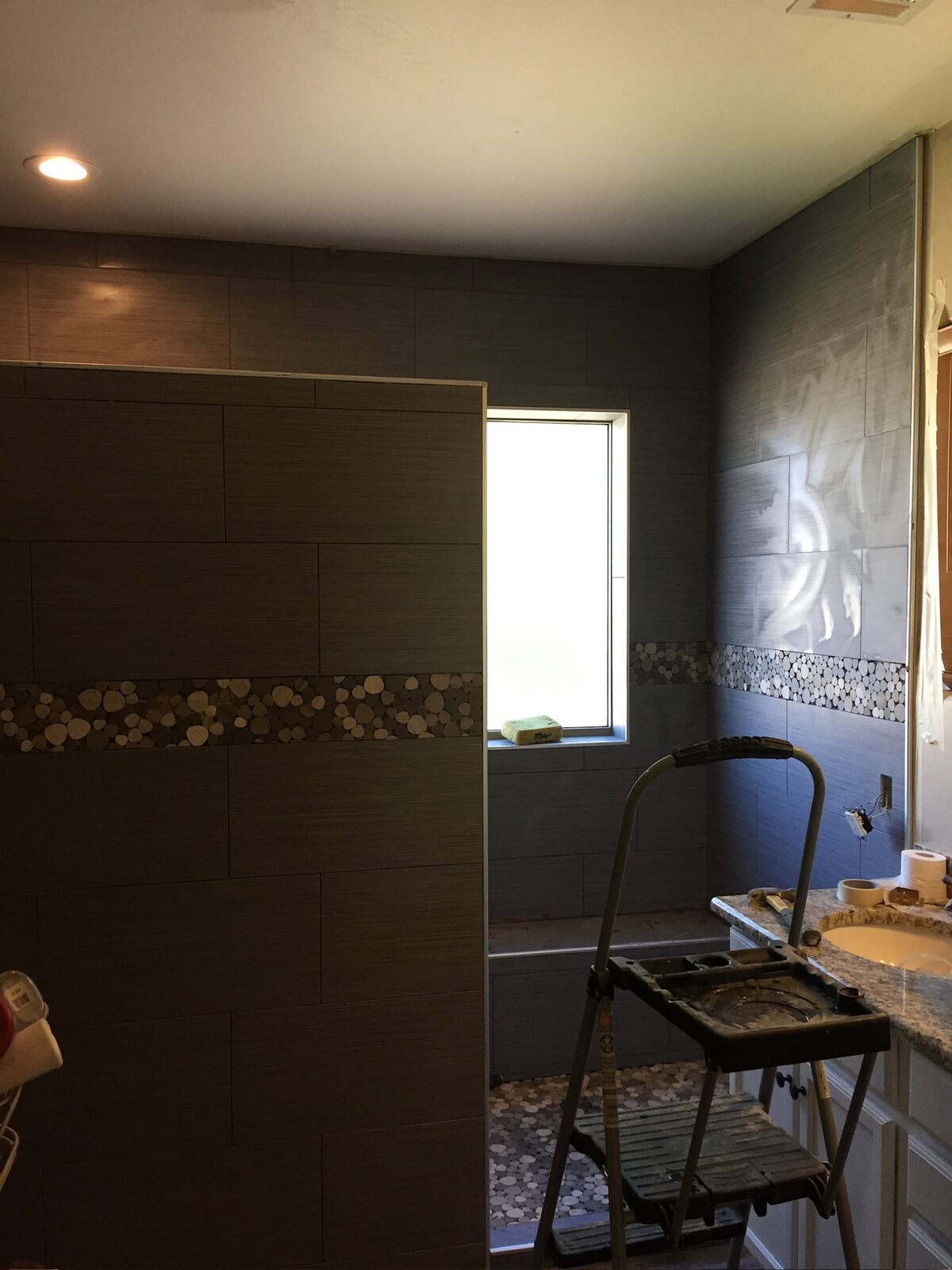
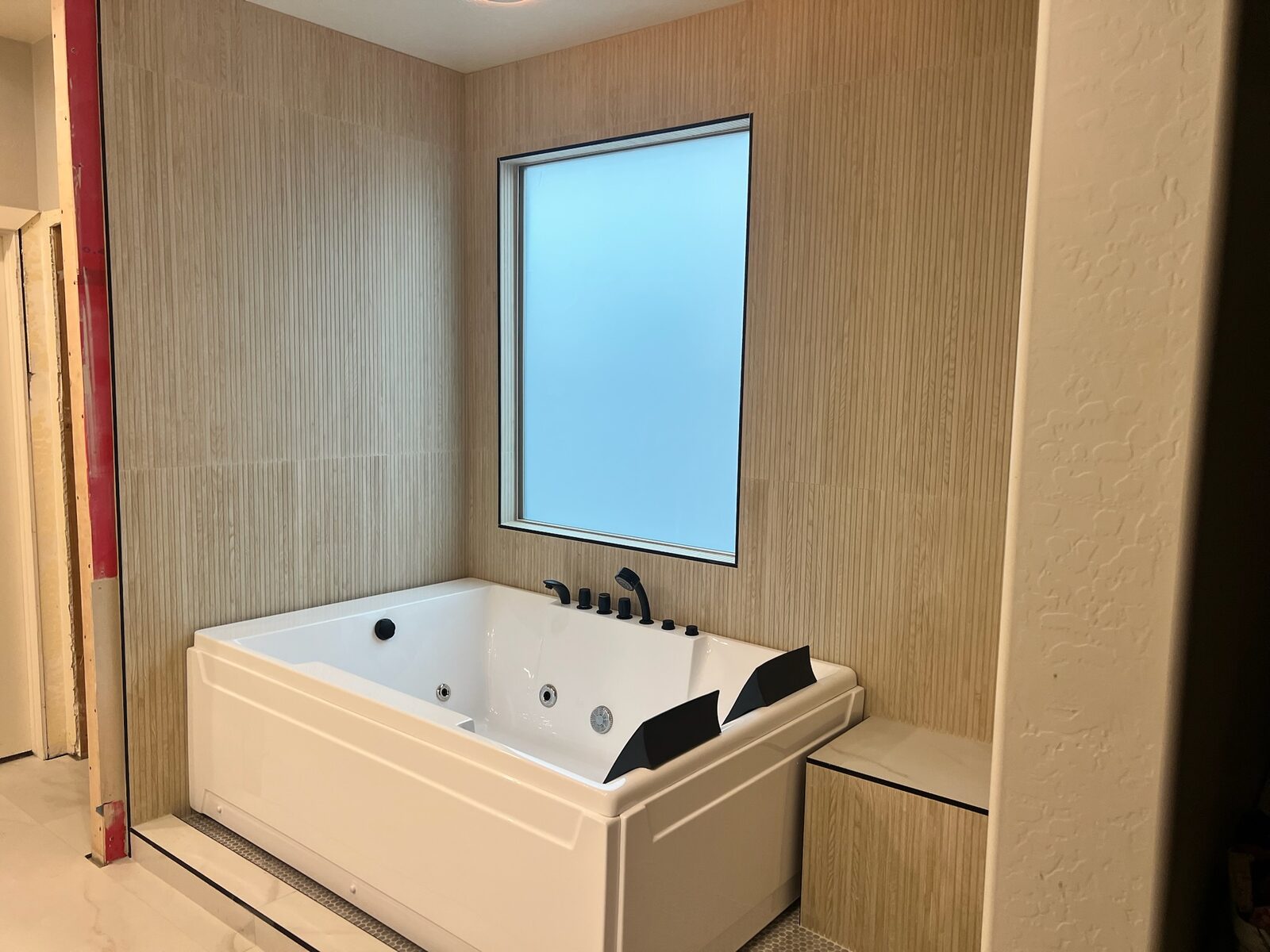
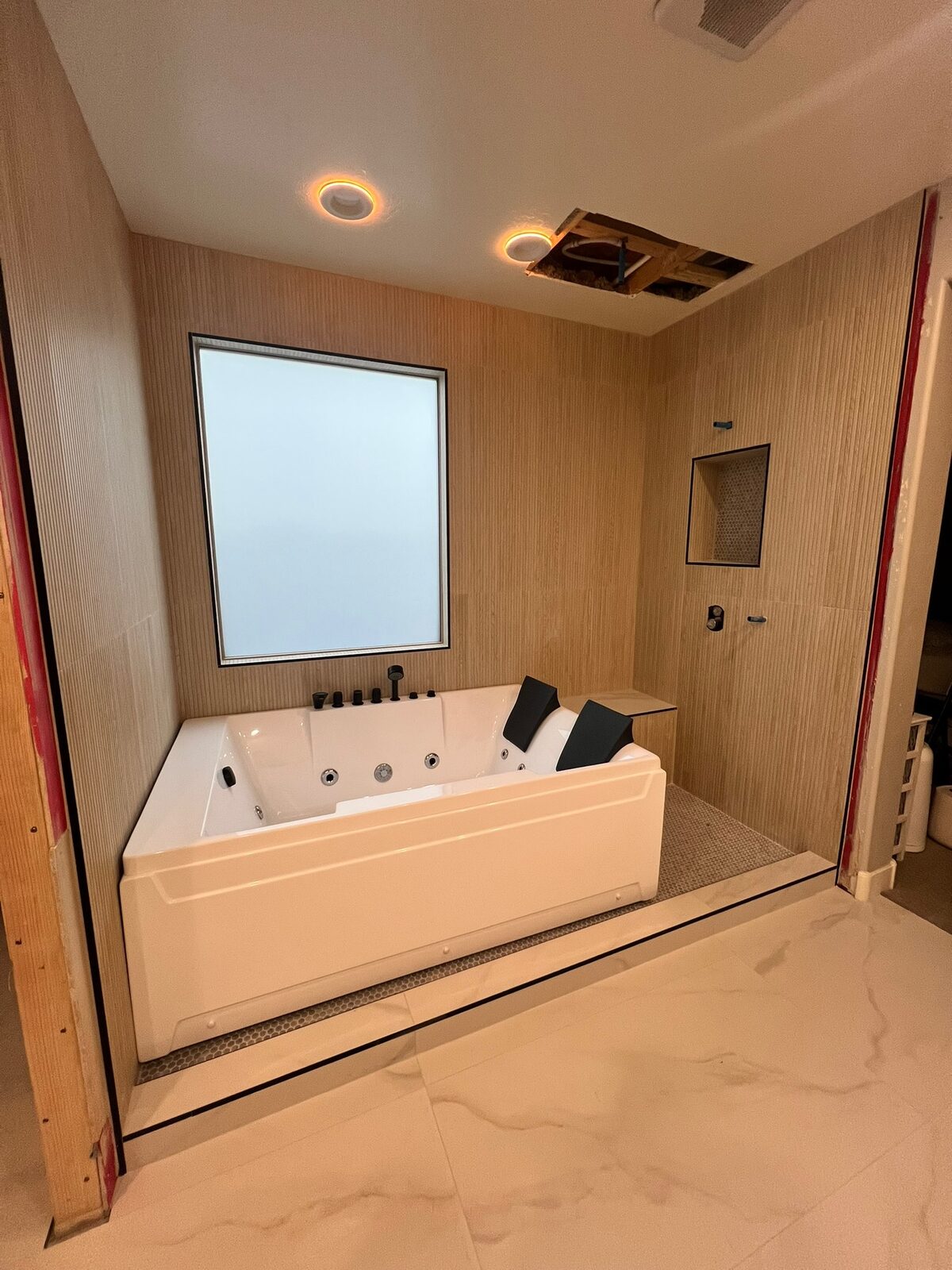
Residential reconstruction work by members of our team. See the full gallery →
More from Gold Water Fire
Abrasive Cleaning Methods for Soot on Framing and Masonry
A look at how abrasive cleaning methods remove soot from wood framing and masonry after a fire, and when each method fits the material.
AC Condensate Line Clogs & the Water Damage They Cause in Phoenix Homes
Why Phoenix AC condensate lines clog every summer, what the water damage looks like, and how to find the source before the ceiling stain spreads again.
Actual Cash Value vs Replacement Cost: Why Your Check Might Not Match the Repair Bill
Confused why your insurance check seems short after fire or water damage? Learn the difference between actual cash value and replacement cost coverage.
Not sure how far the damage has spread?
If a storm has left you with roof damage, staining, or a leak that won't quit, Gold Water Fire can take a look at both the roof entry point and what it may have affected inside. Reach the team at (480) 999-3339 or Help@goldwaterfire.com, or visit <a href="/contact.html">the contact page</a> to get started.
Call (480) 999-3339Water Damage Restoration · Reconstruction and Rebuild · Contact Gold Water Fire