
Matching Wall Texture in Arizona Homes After a Repair
You already patched the drywall, or someone else did, and the repair itself looks fine up close. Then the sun hits it at a certain angle in the late afternoon and there it is: a smooth, flat rectangle sitting in the middle of a wall that's supposed to be textured. It's the kind of thing that's hard to explain to anyone who hasn't stood in that room and seen it. The drywall work was done correctly. The texture just doesn't match, and now you're stuck looking at it every time you walk past.
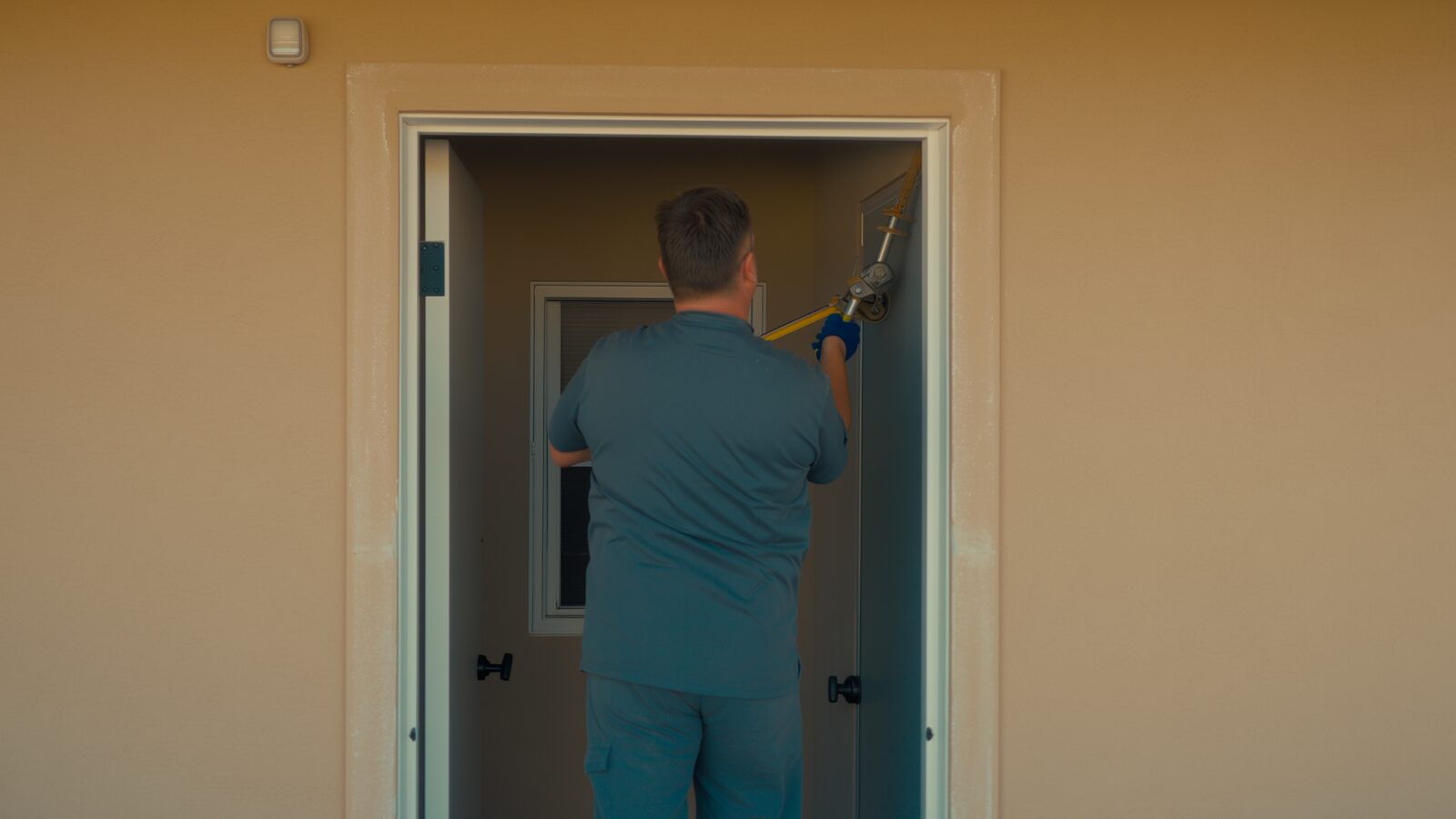
Matching Wall Texture in Arizona Homes After a Repair
Why this happens so often in Arizona homes
Most Phoenix-area homes built from the 1980s onward were finished with sprayed texture, usually knockdown or orange peel, applied in a single pass across an entire wall or ceiling when the house was built. That original texture has a spray pattern, a droplet size, and a knockdown timing that's specific to the compressor, hopper setting, and even the humidity that day. A patch repaired years later, even by a skilled hand, is being sprayed by a different person with different equipment on a different day. Matching it isn't about skill alone, it's about reverse engineering conditions that are gone.
The textures you'll run into most
Knockdown texture is the stipple pattern flattened slightly with a trowel, common in Phoenix, Mesa, and Chandler tract homes from the 90s and 2000s. Orange peel is a finer, bumpier spray with no knockdown pass, often used in older or custom homes. Some older homes in Scottsdale, Tempe, and central Phoenix still have hand-troweled skip trowel or Santa Fe texture, which is heavier and more irregular, and almost impossible to fake with a sprayer alone. Knowing which one you're dealing with changes the entire repair approach, and it's usually obvious once you know what to look for: spacing of the pattern, size of the texture peaks, and whether there's any trowel flattening at all.
What actually goes into a texture match
A careful match starts before any texture is sprayed. The drywall patch itself has to be finished to the right level, tapered and sanded so it doesn't create a slightly raised or sunken area that shows through even a perfect texture match. Then it's a matter of testing the spray pattern, hopper mix, and air pressure on a scrap board or hidden area first, since every batch of joint compound and every sprayer setting behaves a little differently. The knockdown timing matters too: wait too long and the texture sets before it's flattened, wait too little and it smears instead of knocking down cleanly. Painters and texture pros often feather the new texture slightly past the patch edge into the surrounding wall, which blends the transition instead of leaving a hard line.
Why patches still show even when the texture is close
Texture is only half of what your eye is picking up. Paint sheen, paint age, and even the direction of light across the wall all affect whether a patch is visible. A wall painted five years ago has likely faded slightly from UV exposure, especially on Arizona's south and west-facing walls, so even a texture-perfect patch painted with the same can of paint can look slightly off until the whole wall is repainted or at least feathered out further than just the patch itself. This is why professional repairs often extend the paint coverage well beyond the texture repair, corner to corner if needed, rather than trying to spot-paint a small square.
Questions people ask us
Can any drywall patch be made invisible?
Most can get very close, especially with knockdown and orange peel textures, which are sprayed and easier to reproduce. Hand-applied textures like skip trowel are harder to match exactly because the original pattern was never uniform to begin with, so a slightly different irregular pattern can still be noticeable up close.
Why does my patch look fine indoors but show up in photos or sunlight?
Raking light, meaning light hitting the wall at a low angle such as afternoon sun through a window, exaggerates any texture or sheen difference that's nearly invisible under normal indoor lighting. This is one of the most common reasons a repair that looked complete suddenly seems obvious later in the day.
Does the type of damage affect how the texture repair is done?
It affects how much surrounding material needs to come out. Water damage often requires removing drywall beyond the visibly stained area since moisture travels behind the surface, which means the texture repair area ends up larger than the original damage. Fire damage can involve soot residue on surrounding texture that needs cleaning or sealing before repainting, even in rooms next to the fire itself.
Is it better to match just the patch or repaint the whole wall?
For small, isolated patches, a careful blend at the edges can work well. For larger repairs, or walls with visible wear and fading already, repainting corner to corner usually gives a more even result than trying to feather a small area, since it removes the paint-age mismatch along with the texture mismatch.
The standard our team works to
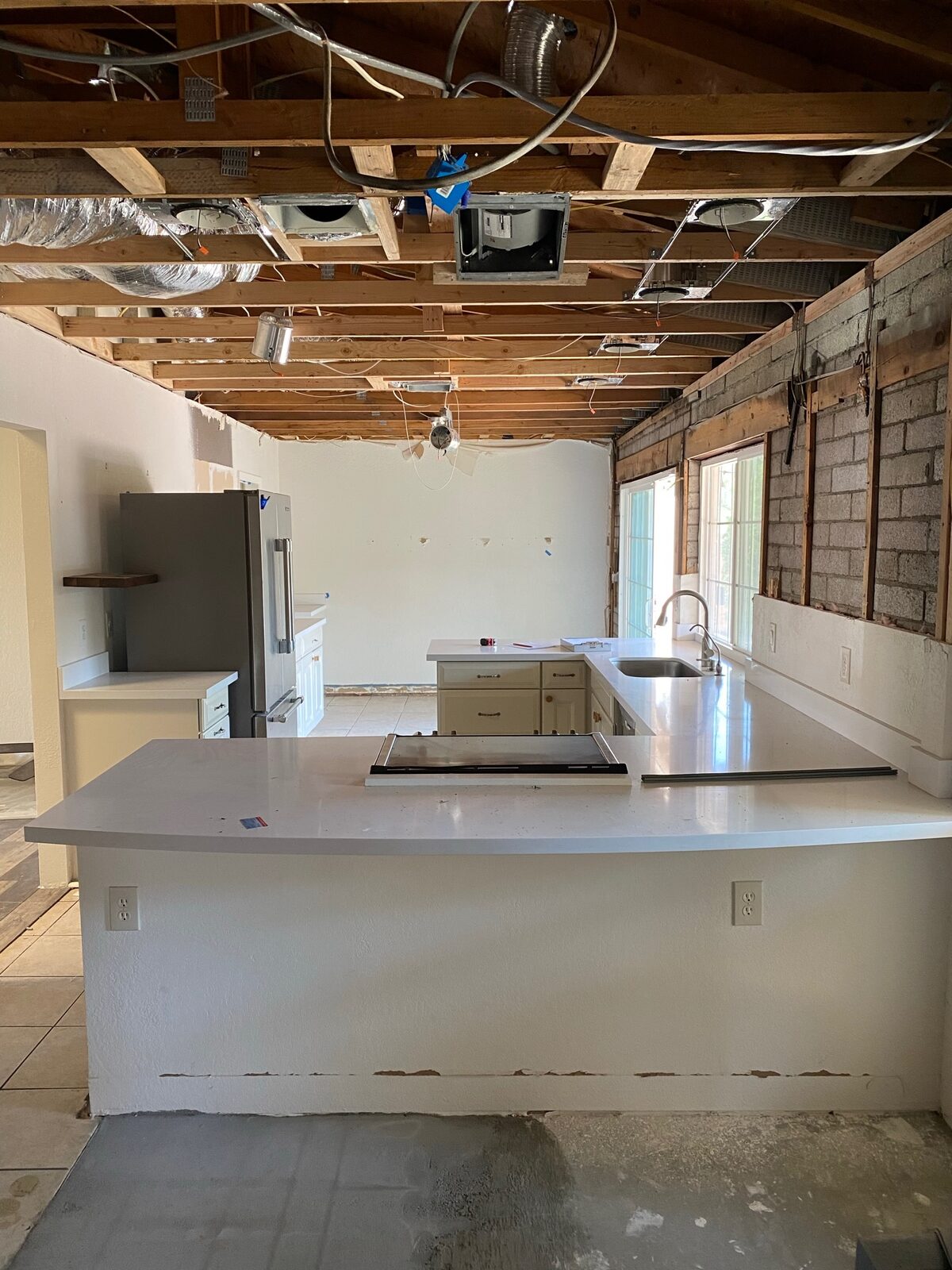
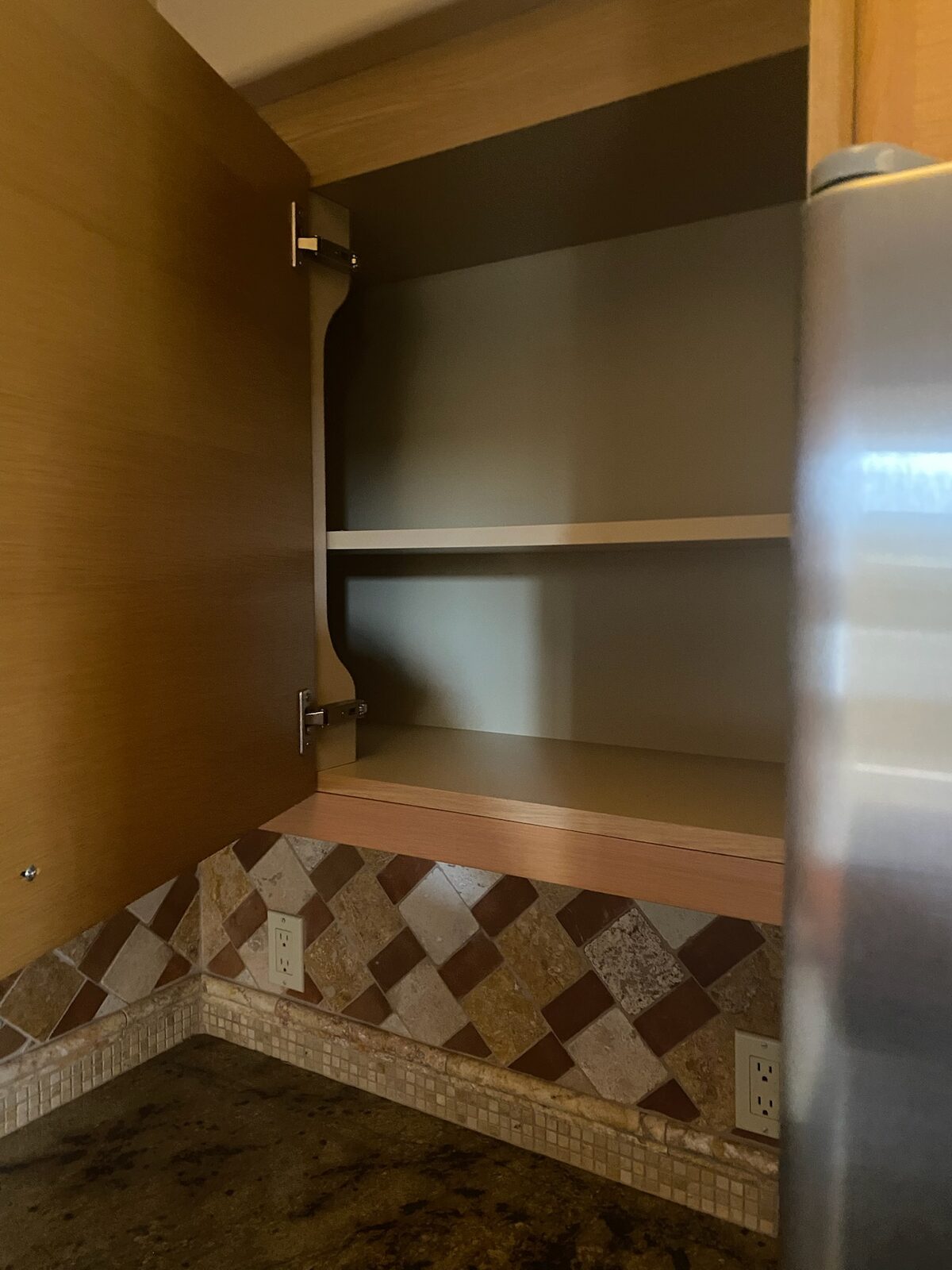
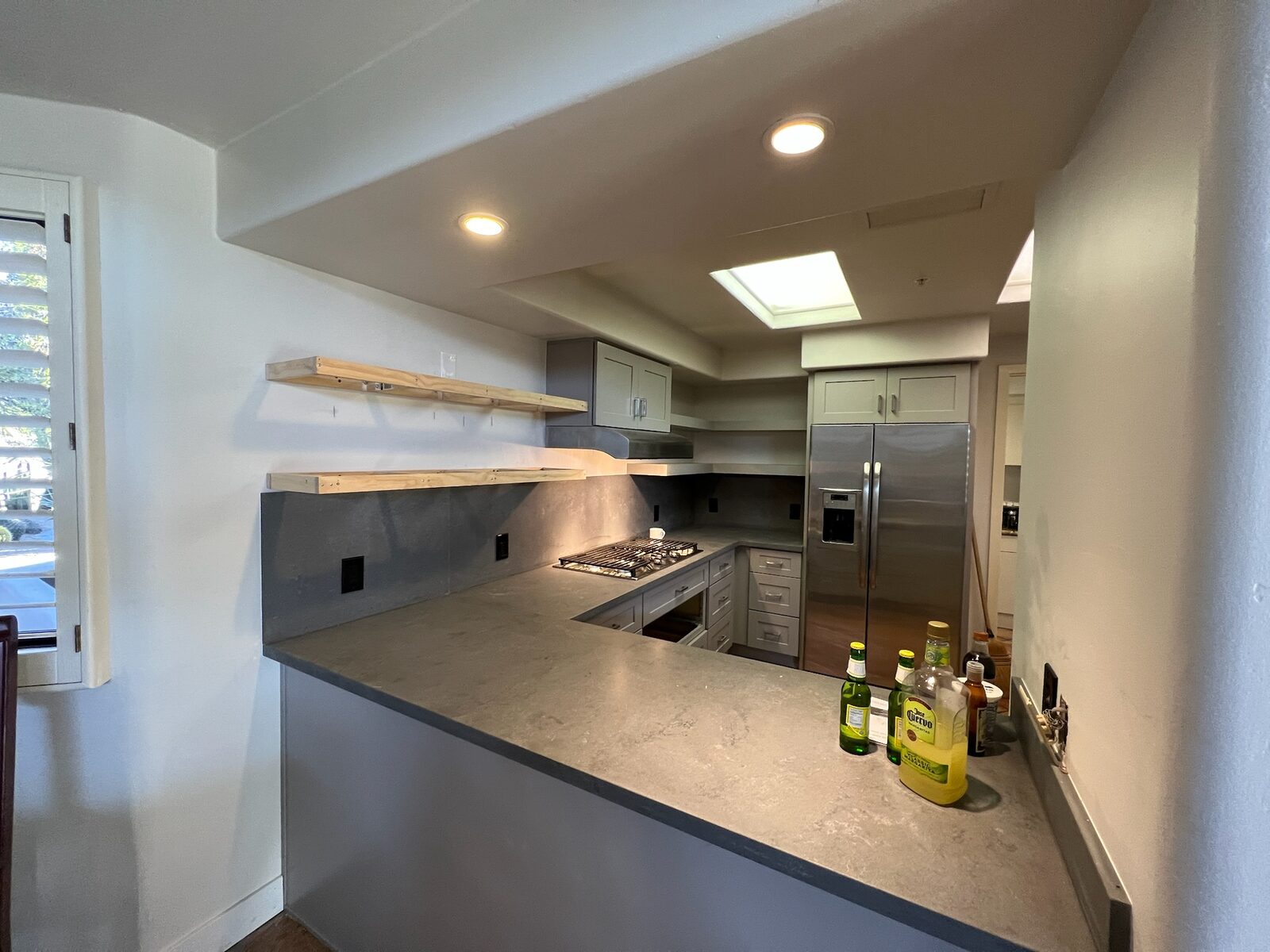
Residential reconstruction work by members of our team. See the full gallery →
More from Gold Water Fire
Abrasive Cleaning Methods for Soot on Framing and Masonry
A look at how abrasive cleaning methods remove soot from wood framing and masonry after a fire, and when each method fits the material.
AC Condensate Line Clogs & the Water Damage They Cause in Phoenix Homes
Why Phoenix AC condensate lines clog every summer, what the water damage looks like, and how to find the source before the ceiling stain spreads again.
Actual Cash Value vs Replacement Cost: Why Your Check Might Not Match the Repair Bill
Confused why your insurance check seems short after fire or water damage? Learn the difference between actual cash value and replacement cost coverage.
Staring at a patch that still doesn't blend in?
If a repair in your home is leaving texture or paint mismatches you can't unsee, Gold Water Fire's reconstruction team can take a look and talk through what it would take to blend it properly. Reach out at (480) 999-3339 or Help@goldwaterfire.com, or visit our <a href="/contact.html">contact page</a> to get started.
Call (480) 999-3339Reconstruction & Rebuild services · Water Damage Restoration · Fire Damage Restoration · About Gold Water Fire