
Drywall Finishing Levels: Why the Same Wall Can Be Priced Five Ways
You got a few quotes for the same wall or ceiling, and the numbers don't line up. One contractor's price is double another's, and nobody explained why. It's not that someone is overcharging or someone else is cutting corners, not necessarily. It's that "finish the drywall" can mean five different things, and if that wasn't spelled out to you upfront, the confusion isn't your fault. You're not wrong to want to understand what you're actually paying for before you sign off on anything.
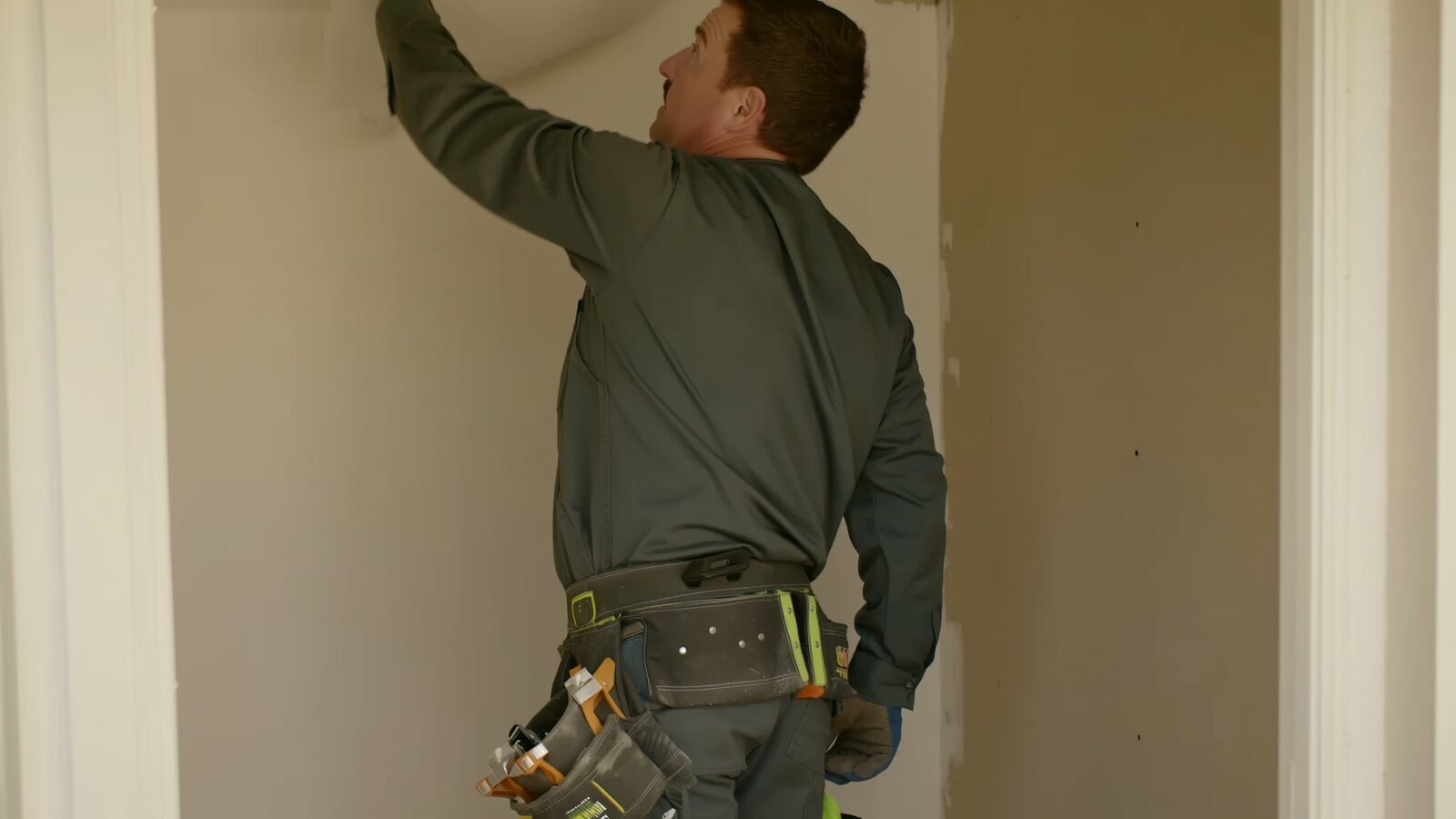
Drywall Finishing Levels: Why the Same Wall Can Be Priced Five Ways
What "finish level" actually means
Drywall finishing is measured in industry-standard levels, 0 through 5, defined by the Gypsum Association. Each level describes how much taping, mudding, and sanding has been done, and how smooth and uniform the final surface will look under different kinds of light. A wall behind a bookshelf and a wall under a bank of recessed lights in a hallway do not need the same amount of work, and pricing them the same would mean overpaying for one or under-finishing the other.
The five levels, plain language
Level 0 is unfinished drywall, no tape or mud at all, sometimes used for temporary construction. Level 1 has tape embedded in joint compound but no smoothing, typically hidden above ceiling tiles or in areas that will stay covered. Level 2 adds a thin coat over the tape and covers screws, common behind tile or in garages. Level 3 adds one more coat of compound and is often the base for heavy textures like knockdown or orange peel. Level 4 is the standard for most homes: tape, three coats, and a light sanding, ready for flat or eggshell paint. Level 5 adds a final skim coat over the entire surface, which is what's specified for glossy paint, dark colors, or walls that get hit with strong side lighting, since that combination shows every ridge and seam that a lower level would hide just fine.
Why this matters after water or fire damage
When drywall is cut out and replaced after a leak or a fire, the new section has to blend into the surrounding wall, not just get patched and painted. If the original wall was finished to a level 5 standard and the repair only gets a level 3, the patch can telegraph through the paint, especially near windows or under can lights. This is one of the quieter reasons repair estimates vary. A patch job and a match-and-blend job are not the same scope of work, even if they cover the same square footage. Our reconstruction work factors this in when drywall has to come out during water damage restoration or fire damage restoration.
What to ask before you compare quotes
If two bids for the same room are far apart, ask each contractor what finish level they priced. Ask whether they're matching the existing texture and sheen or just closing up the hole. Ask if the price includes primer, since unprimed compound absorbs paint unevenly and can leave flashing (dull or shiny patches) that only shows up after the paint dries. None of this is about catching anyone doing something wrong, it's about making sure both quotes are actually describing the same job.
Questions people ask us
What finish level do most homes need?
Most interior walls and ceilings are finished to level 4, which holds up fine under flat or eggshell paint. Level 5 is usually reserved for glossy finishes, dark paint colors, or walls under harsh lighting where imperfections are more visible.
Can you mix finish levels in the same room?
Yes, and it's common. A wall behind cabinetry might stay at level 3 while the surrounding visible walls are brought to level 4 or 5. The level is chosen based on what will be seen and how it will be lit, not the room as a whole.
Why does a small drywall patch sometimes cost more than expected?
Matching an existing texture, sheen, and finish level on a small patch can take as much skill and time as finishing a larger new section, sometimes more, because blending into existing conditions is harder than starting fresh.
Does the finish level affect how a repaired wall looks after painting?
Yes. If a repaired section is finished to a lower level than the surrounding wall, the seam or texture difference can show through paint, particularly under strong or angled light.
The standard our team works to
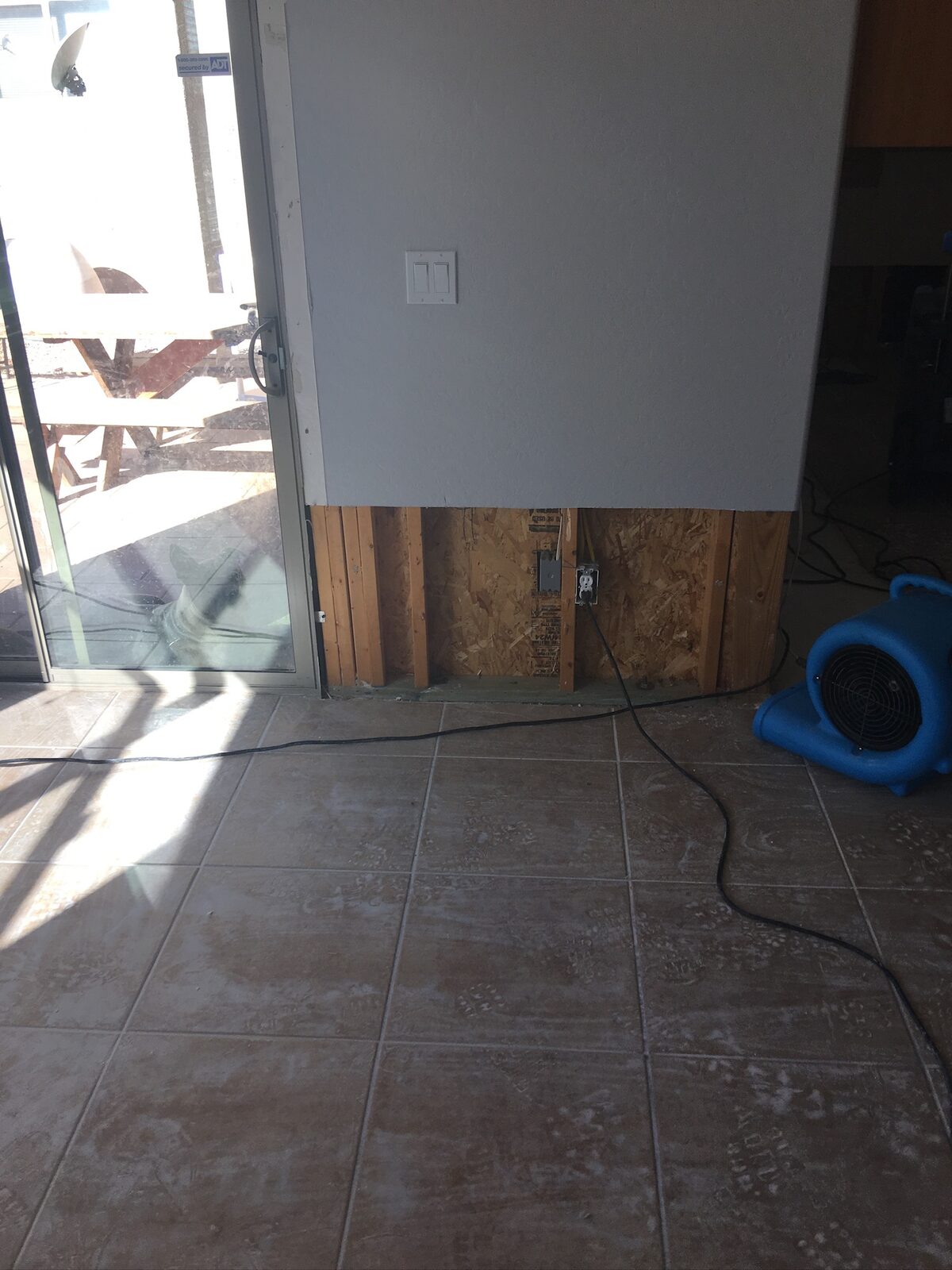
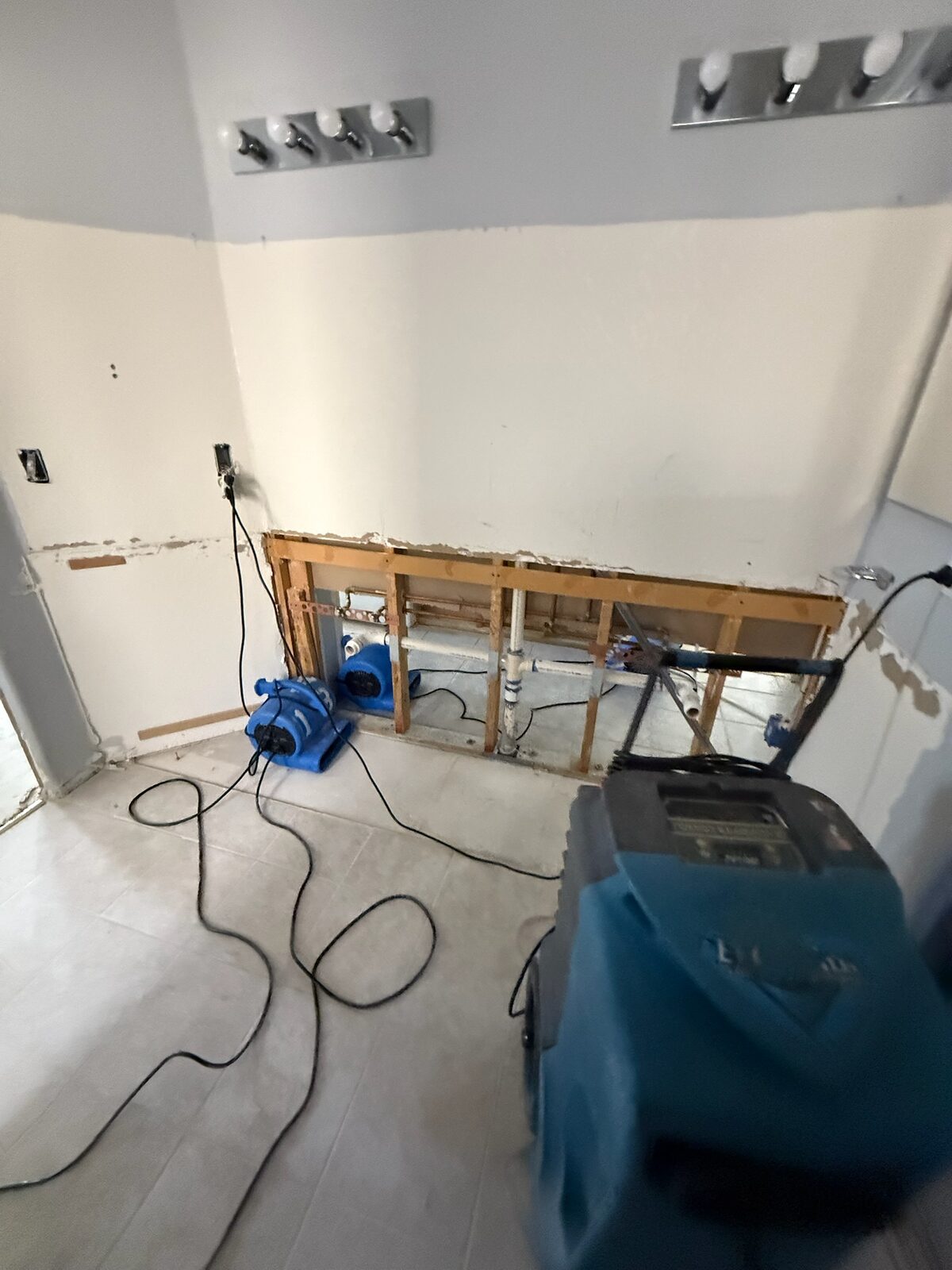
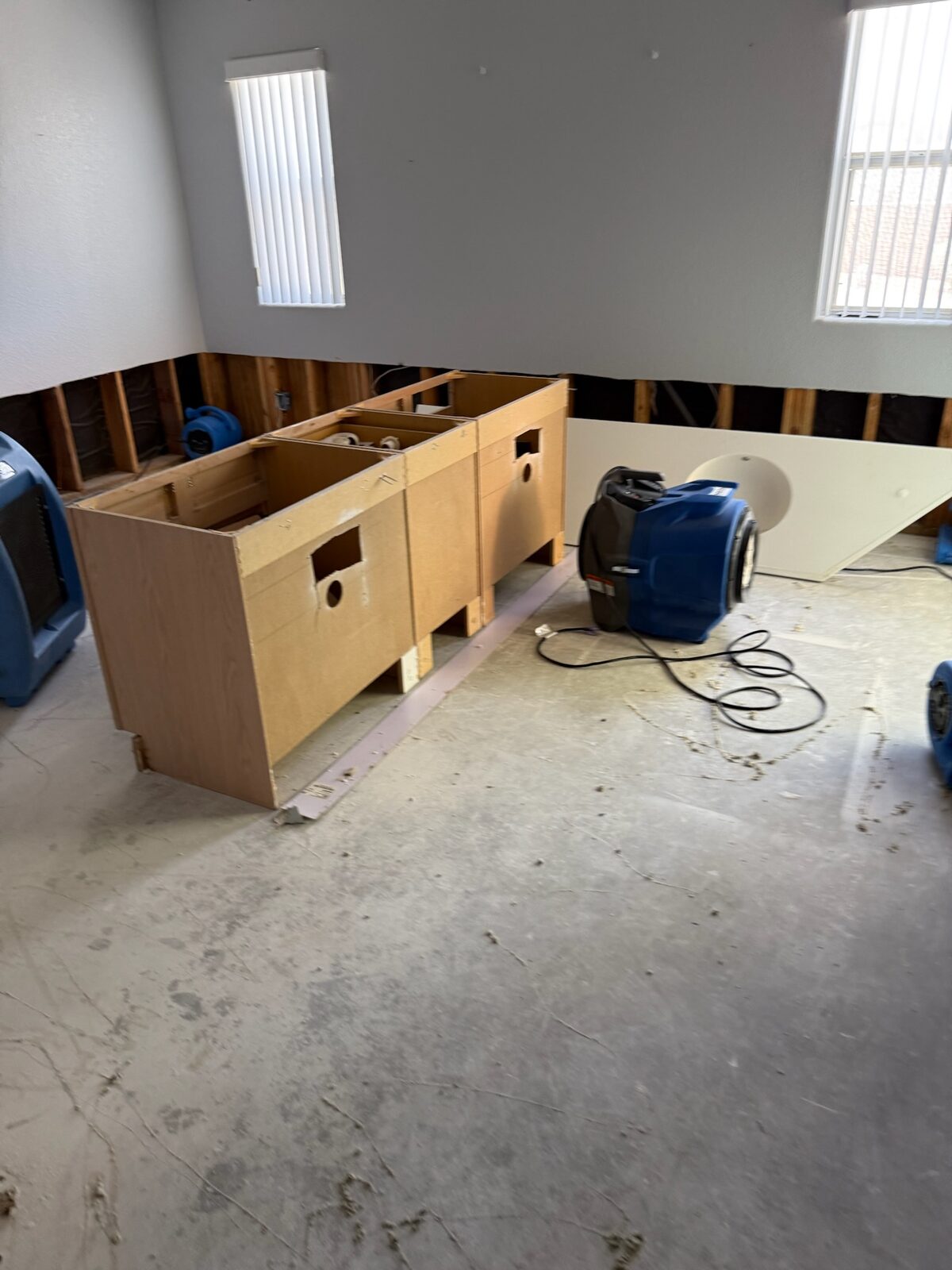
Residential reconstruction work by members of our team. See the full gallery →
More from Gold Water Fire
Abrasive Cleaning Methods for Soot on Framing and Masonry
A look at how abrasive cleaning methods remove soot from wood framing and masonry after a fire, and when each method fits the material.
AC Condensate Line Clogs & the Water Damage They Cause in Phoenix Homes
Why Phoenix AC condensate lines clog every summer, what the water damage looks like, and how to find the source before the ceiling stain spreads again.
Actual Cash Value vs Replacement Cost: Why Your Check Might Not Match the Repair Bill
Confused why your insurance check seems short after fire or water damage? Learn the difference between actual cash value and replacement cost coverage.
Have drywall that needs to be repaired and matched, not just patched?
If damage from water or fire means part of a wall or ceiling has to come out, reach Gold Water Fire at (480) 999-3339 or Help@goldwaterfire.com to talk through what the repair actually needs.
Call (480) 999-3339Reconstruction & Rebuild · Water Damage Restoration · Fire Damage Restoration · Contact Gold Water Fire