
What Ozone Treatment Does, and the Conditions It Requires
If you've had a fire or a lingering water problem in your home and the smell just will not leave no matter how many candles, sprays, or open windows you try, it's exhausting. You clean the visible mess, air the place out for days, and the odor creeps back the moment the house closes up again. That loop, cleaning and hoping and being disappointed, wears on a person. It also raises a fair question: is something actually wrong with the house, or is this smell just going to live here now? Before jumping to any fix, it helps to understand what a smell like this actually is, chemically, and why ordinary cleaning often can't reach it.
What Ozone Treatment Does, and the Conditions It Requires
What ozone actually does to an odor
Ordinary oxygen (O2) has two atoms. Ozone (O3) has three, and that third atom is unstable and looking for somewhere to go. When ozone gas contacts an odor-causing molecule, whether that's a smoke compound clinging to drywall or the sulfur-smelling byproducts of mold and bacteria growth after a water event, the extra oxygen atom reacts with it and breaks its molecular structure apart. This is oxidation, the same basic chemistry that makes bleach work, but happening as a gas that can reach into places liquid cleaners can't: inside porous drywall, deep in wood grain, behind baseboards, and through HVAC ductwork. That's the core distinction people miss: ozone doesn't cover a smell or trap it, it chemically changes the molecule so there is no longer an odor compound left to smell. This is also why ozone can address smoke odor that has soaked into materials, not just odor sitting on the surface of a room.
Why regular cleaning often fails on these odors
Surface cleaning, wiping, scrubbing, even most odor-neutralizing sprays, only reaches what a cloth or a liquid can physically touch. Smoke odor after a fire is different: combustion particles are microscopic and get pushed by heat and pressure into wall cavities, insulation, subfloors, and HVAC systems, well beyond where a sponge can reach. Water damage odor works similarly. Once moisture sits in a material long enough for bacteria or mold to start breaking it down, the odor compounds those organisms produce are being generated from inside the material itself, not just sitting on top of it. Cleaning the surface again and again doesn't stop that production. This is why a smell can seem to disappear for a day or two after cleaning and then return: the source was never actually eliminated, just masked at the surface.
The conditions ozone treatment requires to work
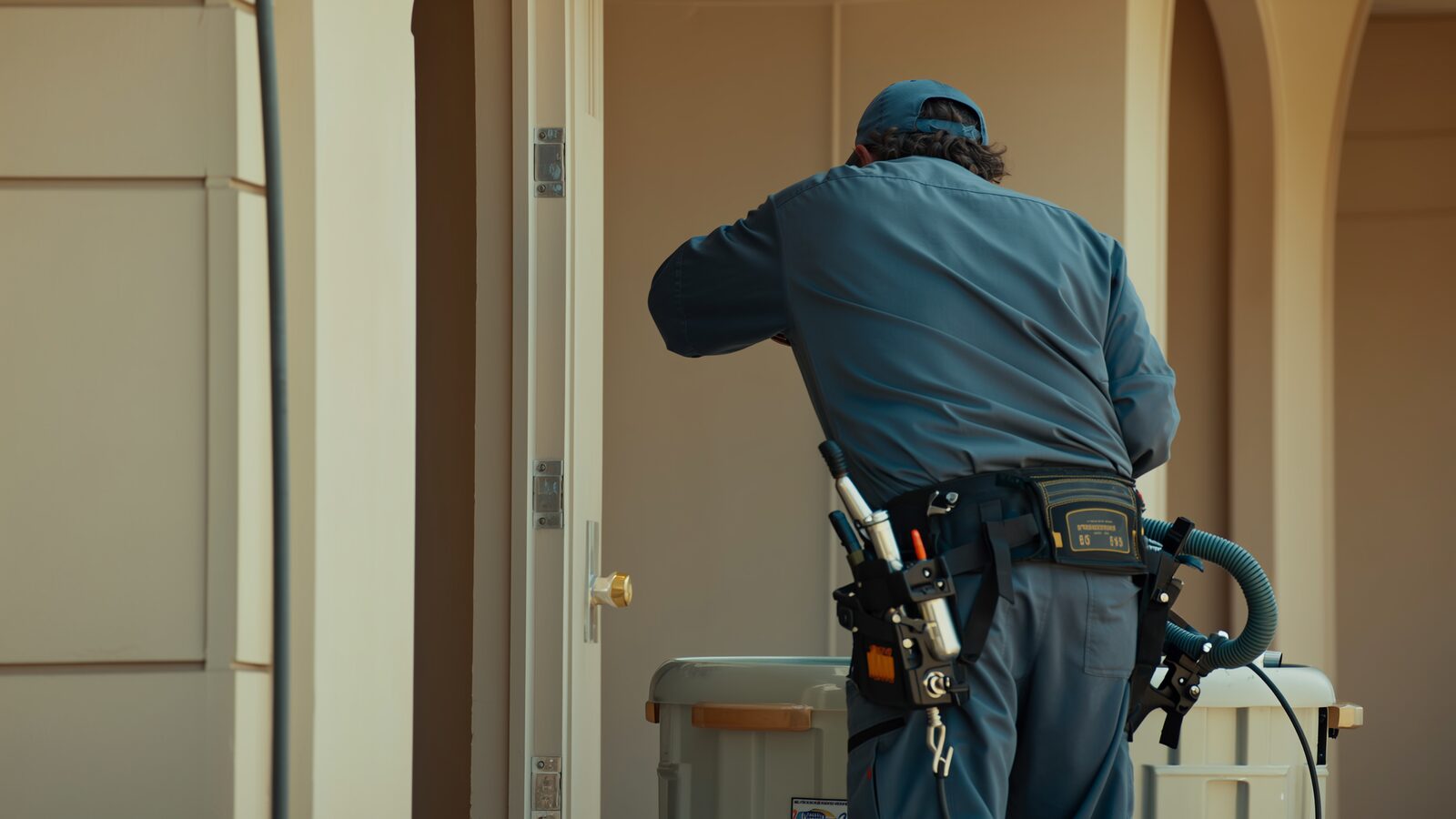
Ozone treatment is not something you run in the background while going about your day. It requires an unoccupied space: no people, pets, or plants present during treatment, because ozone gas is harmful to breathe at the concentrations needed to actually break down odor molecules. The space typically needs to be sealed as tightly as possible so the gas builds to an effective concentration and doesn't just leak out and dilute. Treatment also takes a defined amount of time, followed by a mandatory ventilation and off-gas period before anyone re-enters, since ozone naturally reverts back to ordinary oxygen but needs time and airflow to do so completely. Surfaces and materials in the space matter too. Certain fabrics, rubber, and some finishes can be degraded by ozone exposure if treatment runs longer than necessary, so the process has to be sized to the actual odor problem, not just run indefinitely on the assumption that more is better.
When ozone is not the right tool
Ozone treats odor. It does not dry structural moisture, remove mold growth, repair fire damage, or fix the underlying cause of a water intrusion. If ozone treatment is used before the actual moisture source is resolved and materials are properly dried, the odor can simply return once biological growth resumes, because the food source and moisture that created it are still present. In the same way, running ozone in a fire-damaged space doesn't replace the physical cleaning of soot and char from surfaces, it addresses what has already penetrated materials after that cleaning is done. Understanding this order, address the source and physical damage first, then treat remaining odor, is the difference between a smell that stays gone and one that keeps coming back.
Questions people ask us
How is ozone different from an air purifier or odor spray?
An air purifier filters particles out of moving air and an odor spray typically masks a smell with a stronger scent or adds a light coating that traps it temporarily. Ozone works differently: it's a reactive gas that chemically breaks apart the odor molecule itself, including molecules embedded inside porous materials like drywall or wood that a filter or spray never reaches.
Is it safe to be in the house during ozone treatment?
No. Ozone at the concentrations needed to break down embedded odor is not safe to breathe, so the space needs to be fully unoccupied by people, pets, and plants during treatment, followed by a ventilation period before anyone returns.
Will ozone treatment fix a moldy smell for good?
It depends on whether the moisture source has actually been resolved. Ozone can break down existing odor compounds, but if the material is still wet and mold or bacteria are still growing, they will keep producing new odor, and the smell can return.
Can ozone damage anything in my home?
Certain materials, including some rubber, certain fabrics, and some finishes, can degrade with extended ozone exposure. That's part of why treatment needs to be planned and time-limited rather than run indefinitely.
The standard our team works to
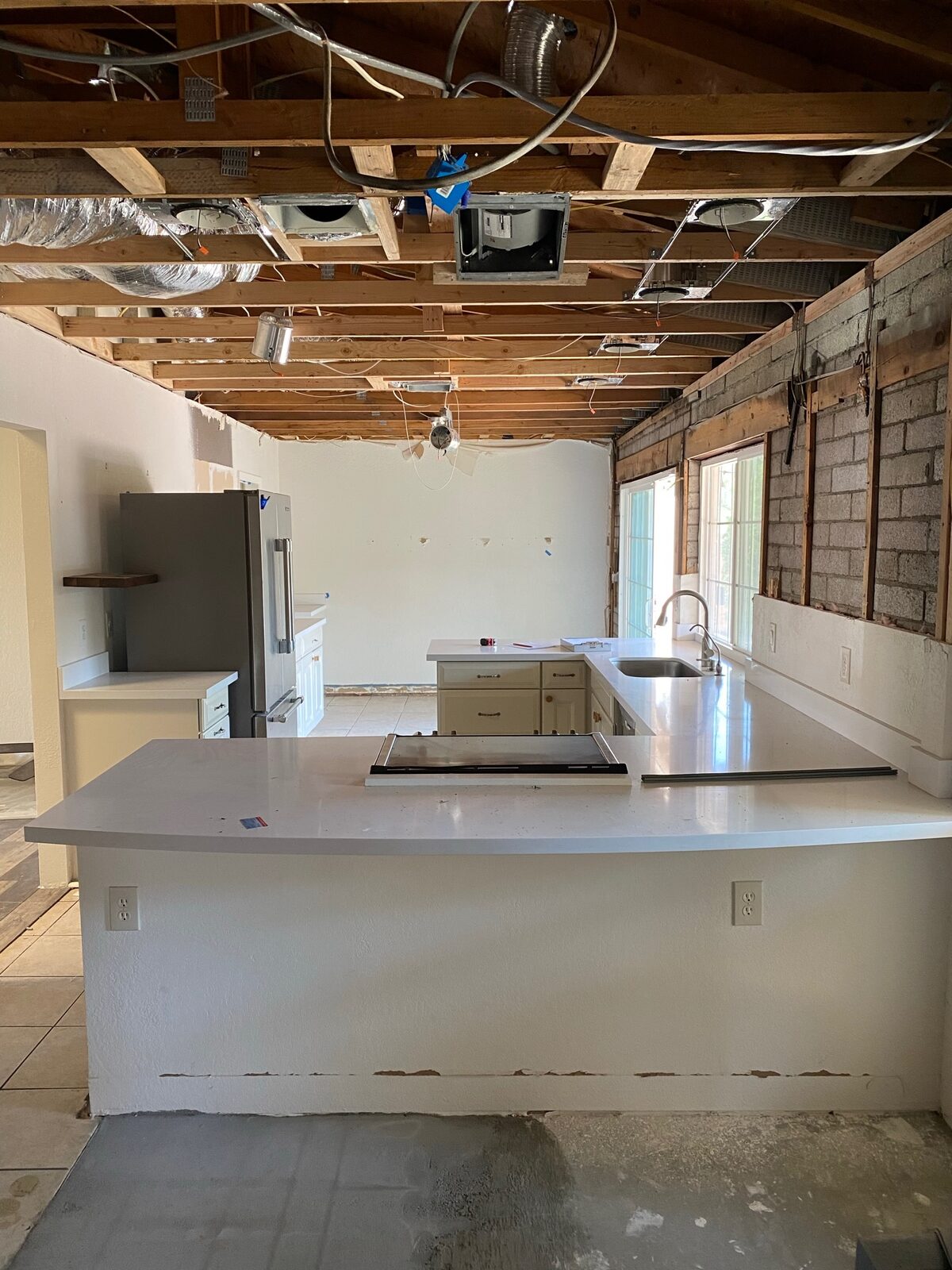
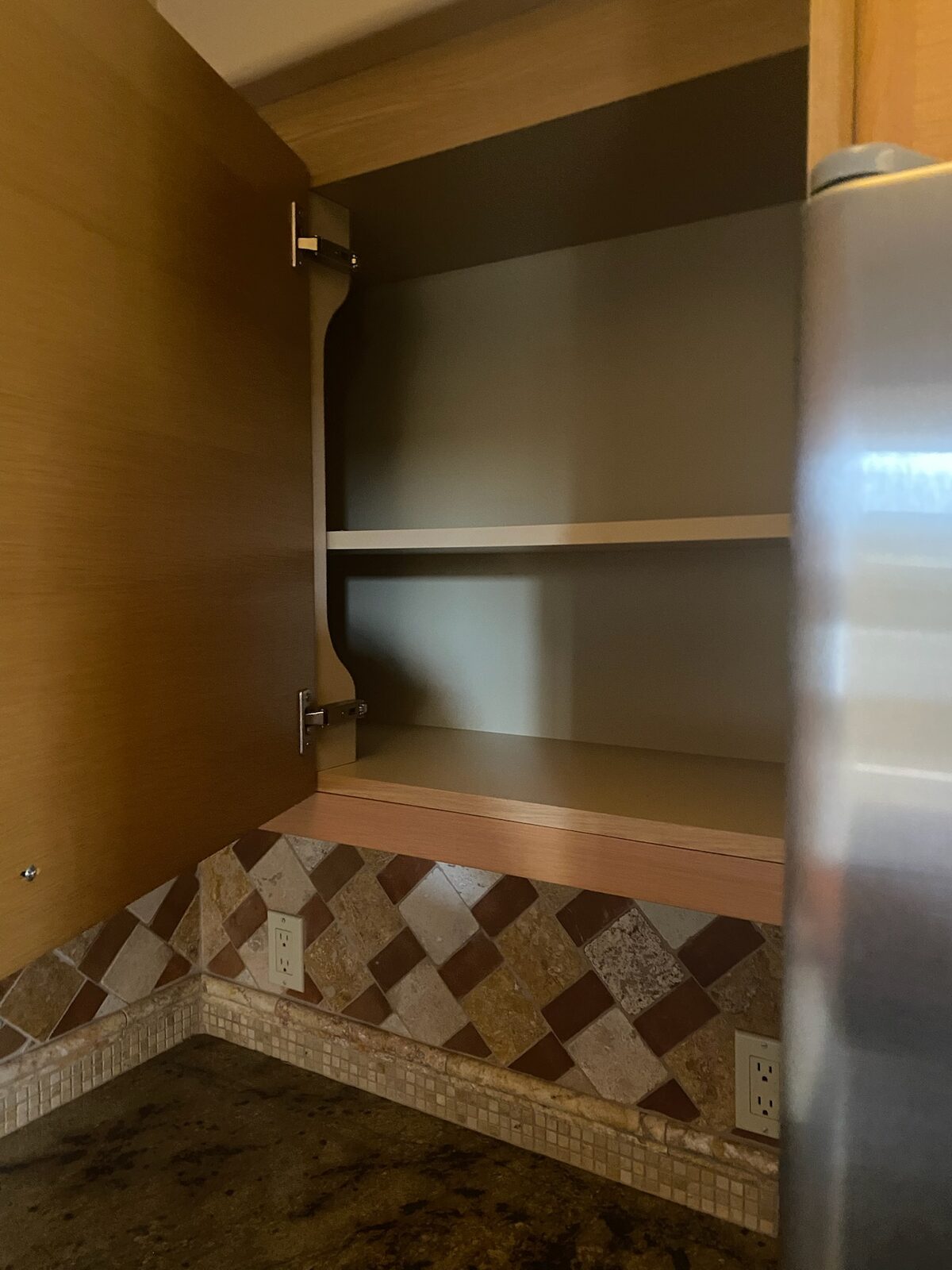
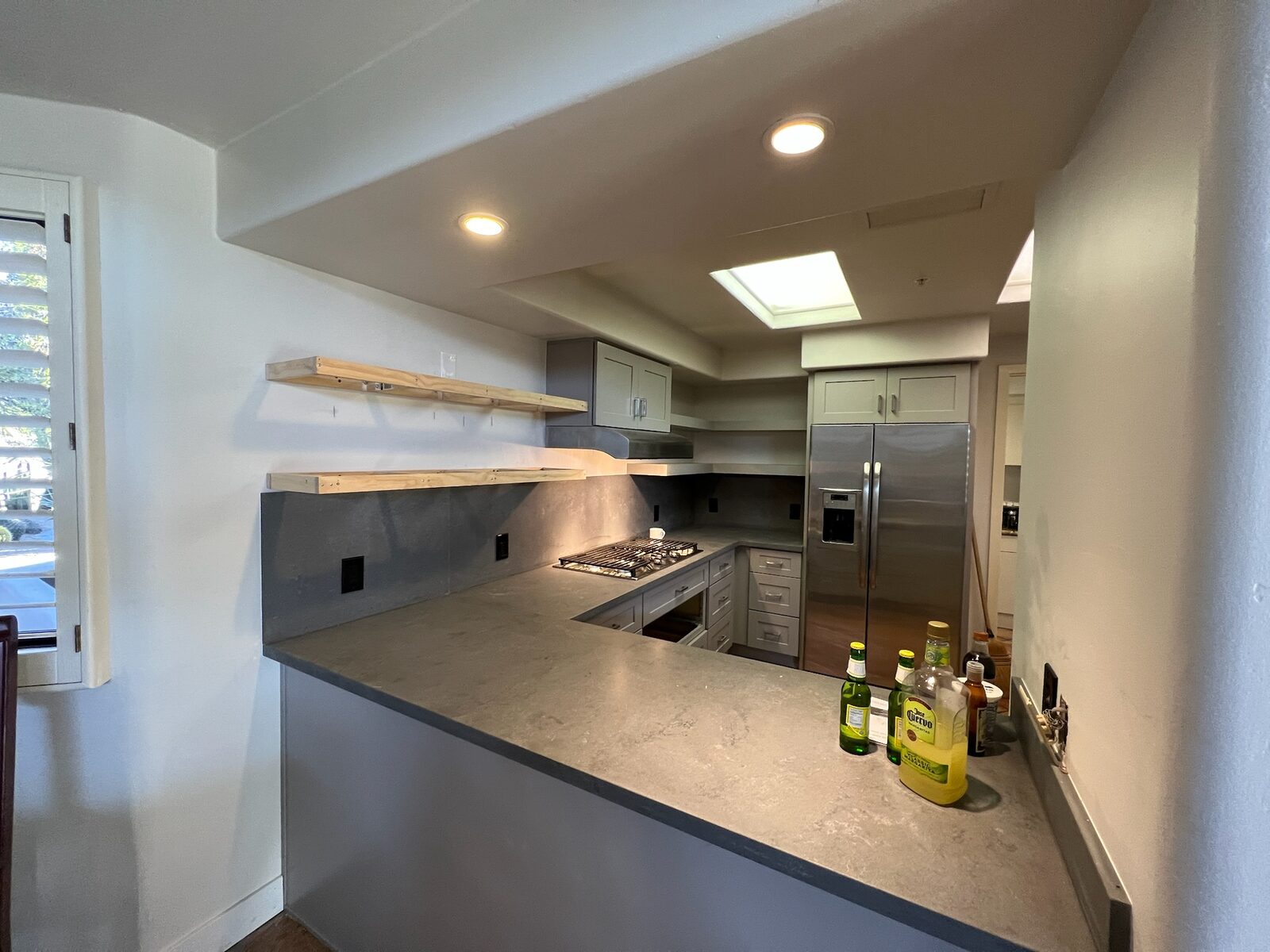
Residential reconstruction work by members of our team. See the full gallery →
More from Gold Water Fire
Abrasive Cleaning Methods for Soot on Framing and Masonry
A look at how abrasive cleaning methods remove soot from wood framing and masonry after a fire, and when each method fits the material.
AC Condensate Line Clogs & the Water Damage They Cause in Phoenix Homes
Why Phoenix AC condensate lines clog every summer, what the water damage looks like, and how to find the source before the ceiling stain spreads again.
Actual Cash Value vs Replacement Cost: Why Your Check Might Not Match the Repair Bill
Confused why your insurance check seems short after fire or water damage? Learn the difference between actual cash value and replacement cost coverage.
Not sure if odor is the whole story or a symptom of something deeper?
If a smell from a past fire or water issue keeps coming back, it helps to have someone look at what's actually happening in the walls and materials, not just the air. Gold Water Fire serves the Phoenix, AZ metro area and can talk through what you're dealing with. Reach us at (480) 999-3339 or Help@goldwaterfire.com.
Call (480) 999-3339Fire Damage Restoration · Water Damage Restoration · Contact Gold Water Fire · About Gold Water Fire