
What Air Movers & Dehumidifiers Actually Do, and Why Both Are Needed
There is a specific kind of tiredness that comes from a room that will not dry. You mopped it. You ran the ceiling fan, opened the windows, moved a box fan in from the garage and pointed it at the baseboard. The carpet feels dry when you press your hand on it. And then a week later there is that smell again, or the paint above the trim looks slightly wrong, or the floor makes a sound it did not used to make. You are not imagining it, and you are not doing it wrong out of carelessness. Most people are never told the one thing that makes drying work, which is that moving air and removing moisture are two completely different jobs, and doing only one of them can leave a house feeling dry while it is still quietly wet inside.
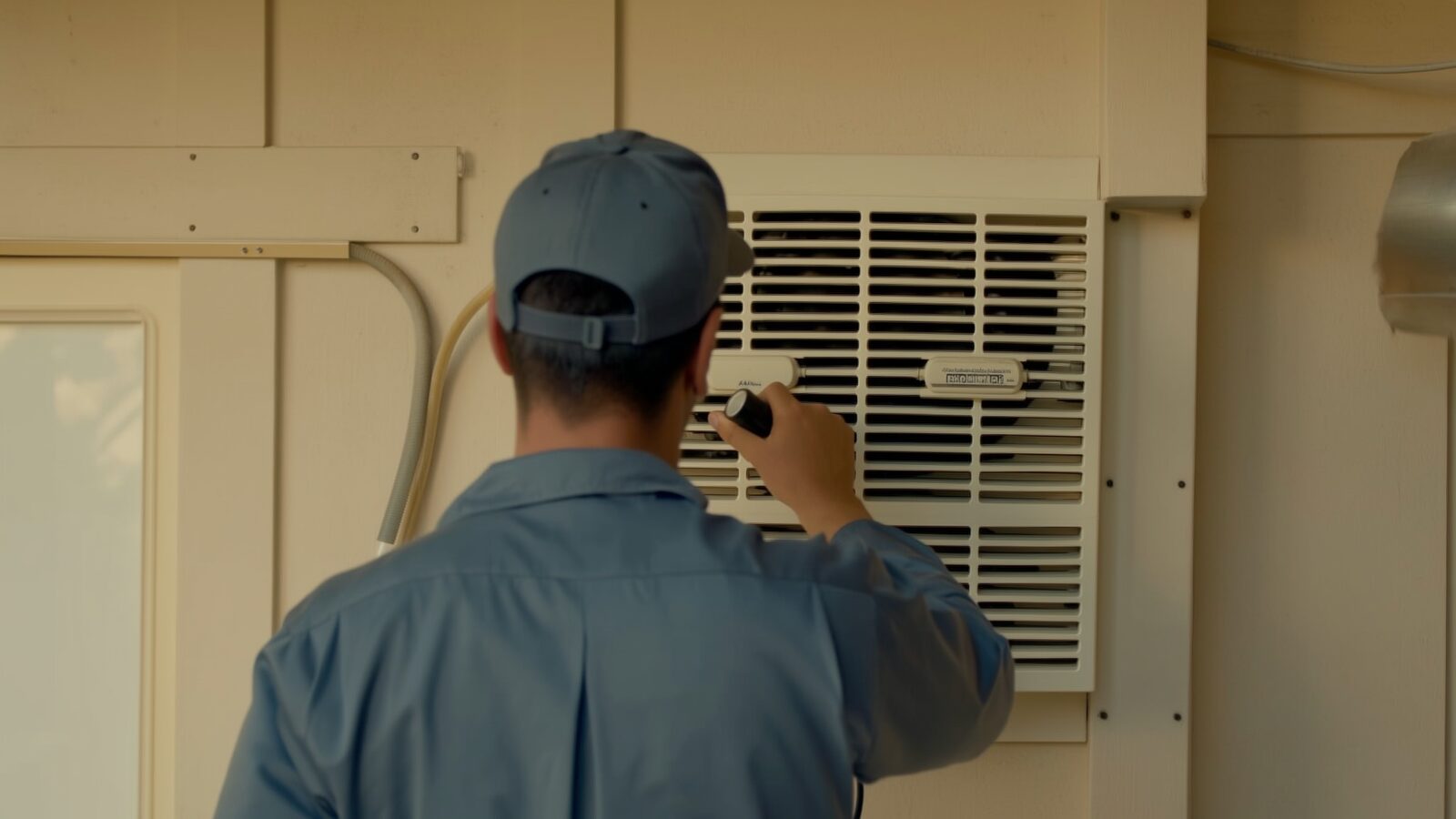
What Air Movers & Dehumidifiers Actually Do, and Why Both Are Needed
Water does not leave a room because you blew on it
When a fan pushes air across a wet floor, it is not removing water from the house. It is changing water from a liquid into vapor and lifting it into the air in the room. That is genuinely useful, because water sitting inside carpet padding or under a vinyl plank cannot go anywhere on its own. Still air right above a wet surface becomes saturated within minutes, and once that thin layer of air is full, evaporation nearly stops. The surface stays wet under a lid of humid air. Moving air strips that lid away and lets more water leave the material. But the water is still in the room, now as humidity. If nothing pulls it out, it does exactly what humidity does: it looks for the next cold or absorbent thing and settles into it. That is how a wet living room floor turns into damp drywall six feet up a wall, or moisture inside a closet on the other side of the same stud bay. The fan did its job. There was just nowhere for the water to go.
What each piece of equipment is actually doing
Restoration drying is a loop, not a single action. Air movers put water into the air. Dehumidifiers take it out. Remove either half and the loop stops working.
Air movers
These are not the same as household fans. An air mover throws a high velocity, low profile stream of air along a surface rather than out into the middle of the room, and they are usually set at an angle around the perimeter so the air sweeps the floor and wall line in one direction. That sheet of fast air breaks up the saturated boundary layer sitting on wet carpet, tile, subfloor or drywall, so evaporation can keep going instead of stalling out. Some are made to be aimed under cabinets, into wall cavities through small drilled holes, or beneath hardwood with a mat system. Their entire purpose is speeding evaporation, and that is all they do.
Dehumidifiers
A dehumidifier pulls the room air across a cold coil or a desiccant material, condenses or absorbs the water vapor out of it, drains that water away, and returns drier and slightly warmer air to the room. That returned air is thirsty, meaning it can absorb more moisture, which makes the air movers more effective on the next pass. A commercial unit used in restoration is built to keep pulling water at the low humidity levels reached late in a drying job, which is the stage where a small consumer unit typically gives up. Its job is removing water from the building, not from a surface.
Why one without the other fails
Air movers alone raise the humidity in the whole structure and push moisture into materials that were dry to begin with, which can turn a small loss into a larger one. A dehumidifier alone drops the room humidity but barely touches water trapped in padding, under flooring, or inside a wall cavity, because that water has no fast air across it to evaporate. You end up with dry air in a room that still contains a wet building. Both machines running together is what actually pulls moisture out of the materials and then out of the house.
Temperature and containment
Warmer materials release moisture more readily, so drying almost always involves keeping the space warm rather than throwing the windows open. In Phoenix that is a real consideration, because outdoor air in the summer monsoon stretch can be more humid than the air already inside, and opening up the house can undo the dehumidifier's work. Restoration crews often close off and contain the affected area with plastic sheeting so the equipment is working on a defined space instead of the whole home, which is also why the equipment count and placement is a calculation rather than a guess.
How anyone can tell whether drying is actually working
Touch is the least reliable test there is. A carpet surface can feel dry while the pad below it is soaked, and drywall can feel dry to a palm while a moisture meter reads high two inches in. What tells the truth is measurement, taken in the same spots over consecutive days: moisture readings in the affected materials, and humidity and temperature readings in the air. Numbers that fall each day mean the loop is working. Numbers that flatten out while the material is still wet mean something is wrong, usually one of a short list of things: not enough dehumidification for the volume of water and the size of the space, air movers aimed into open air instead of along surfaces, water trapped behind a material that has to be opened or removed, or a leak that was never actually stopped. Another honest signal is smell. A musty odor returning after a room seemed dry generally means moisture stayed somewhere out of sight long enough for microbial growth to start, and that is a sign to look deeper rather than to run the fan longer. If this describes a room you have been fighting with, the next step is not more airflow, it is finding out where the water still is. That is the point of a moisture inspection, and it is what our water damage restoration work starts with.
Drying is not the same as repairing
Equipment can save flooring, framing and drywall that would otherwise have to come out, but it cannot un-swell a particleboard cabinet base, un-cup a hardwood plank, or put back a section of wall that had to be cut open to reach standing water inside it. Those are two separate phases of the same job, and knowing the difference helps you understand what a plan should look like: stop the water, dry the structure with measurements to prove it, then rebuild what was lost. When a room needs the second half, that is reconstruction and rebuild work, which Brandon Gurr leads for us along with Johnny, our Reconstruction Team Lead. Drying equipment plays a role after fire and smoke losses too, because extinguishing a fire introduces a large amount of water into a building, which is part of why fire damage restoration and water work so often overlap in the same house.
Questions people ask us
Can I just use my own box fans and a dehumidifier from the hardware store?
For a very small spill caught immediately, household equipment plus quick water removal is sometimes enough. The limits show up with volume and with hidden water. Household fans push air out into the room rather than along a surface, and consumer dehumidifiers are generally not built to keep removing meaningful amounts of water once the room air is already fairly dry, which is exactly the stage that finishes a drying job. The bigger issue is that neither one tells you whether materials are dry, so people usually stop too early. If water has been under flooring, behind a baseboard, or inside a wall for more than a day, it is worth having the moisture measured before you decide it is handled.
How long should equipment run?
There is no fixed number, because it depends on how much water there was, what materials absorbed it, the temperature and humidity of the space, and how quickly the water was removed to begin with. The honest answer is that equipment runs until measurements in the affected materials reach a dry standard and hold there, not until a set number of days has passed. Turning equipment off early because a surface feels dry is one of the most common reasons damage comes back.
Why is the house warm instead of the windows being open?
Warmer materials give up moisture more easily, and a sealed, contained space lets the dehumidifier control the humidity in a predictable way. Open windows hand that control over to outdoor conditions. During the Arizona monsoon stretch especially, outdoor air can carry more moisture than the indoor air already does, so opening up the house can slow drying down instead of helping it.
Is the noise and the equipment really necessary the whole time?
It is loud and it is inconvenient, and that is worth naming. The reason it stays is that drying only advances while air is moving and water is being pulled out. Unplugging the equipment overnight for quiet essentially pauses the process, and moisture that has already evaporated into the room air can move back into materials while it sits. If the noise or placement is a real problem in your home, say so, because the layout of the equipment can often be adjusted without giving up the drying.
The standard our team works to
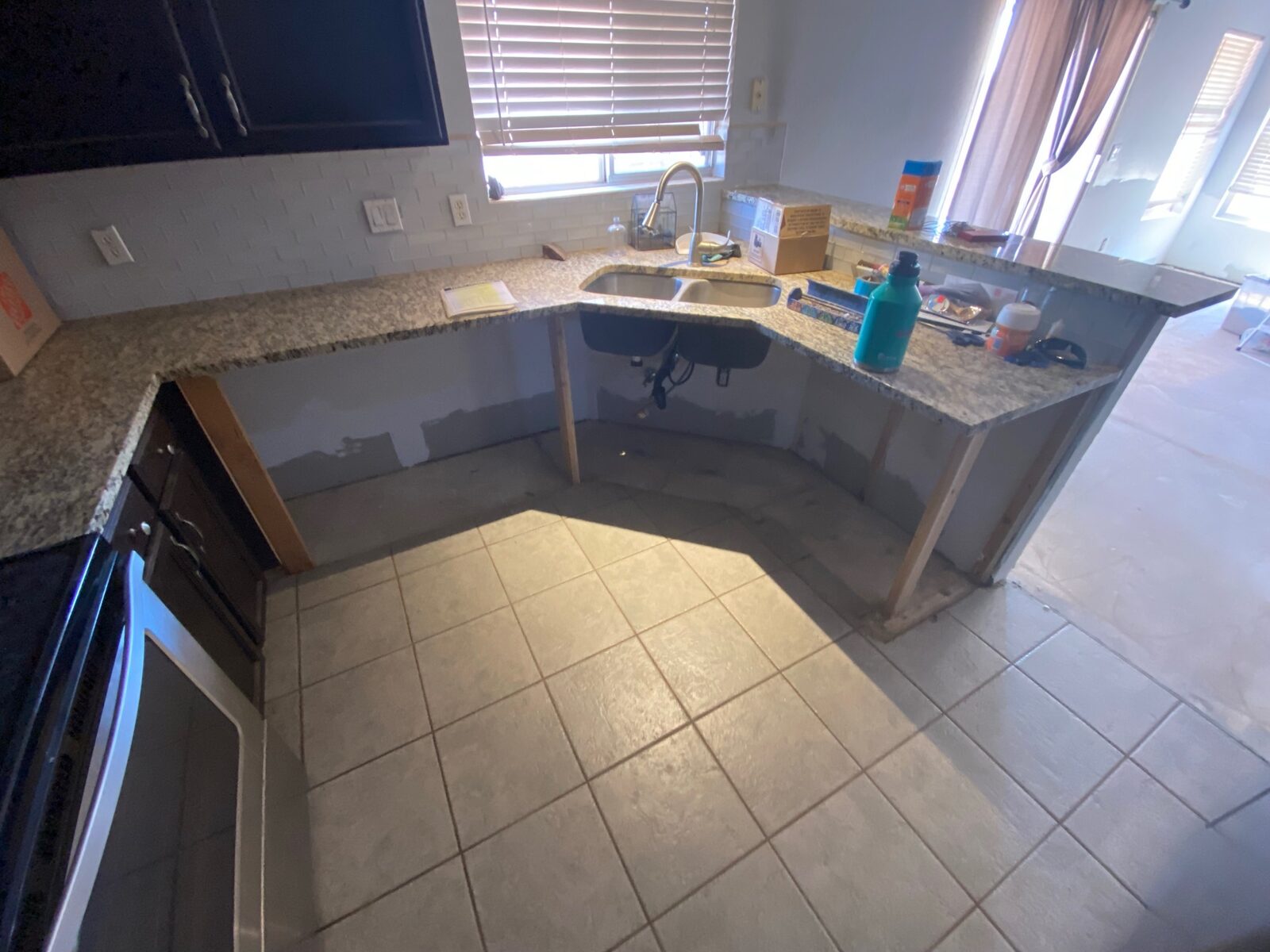
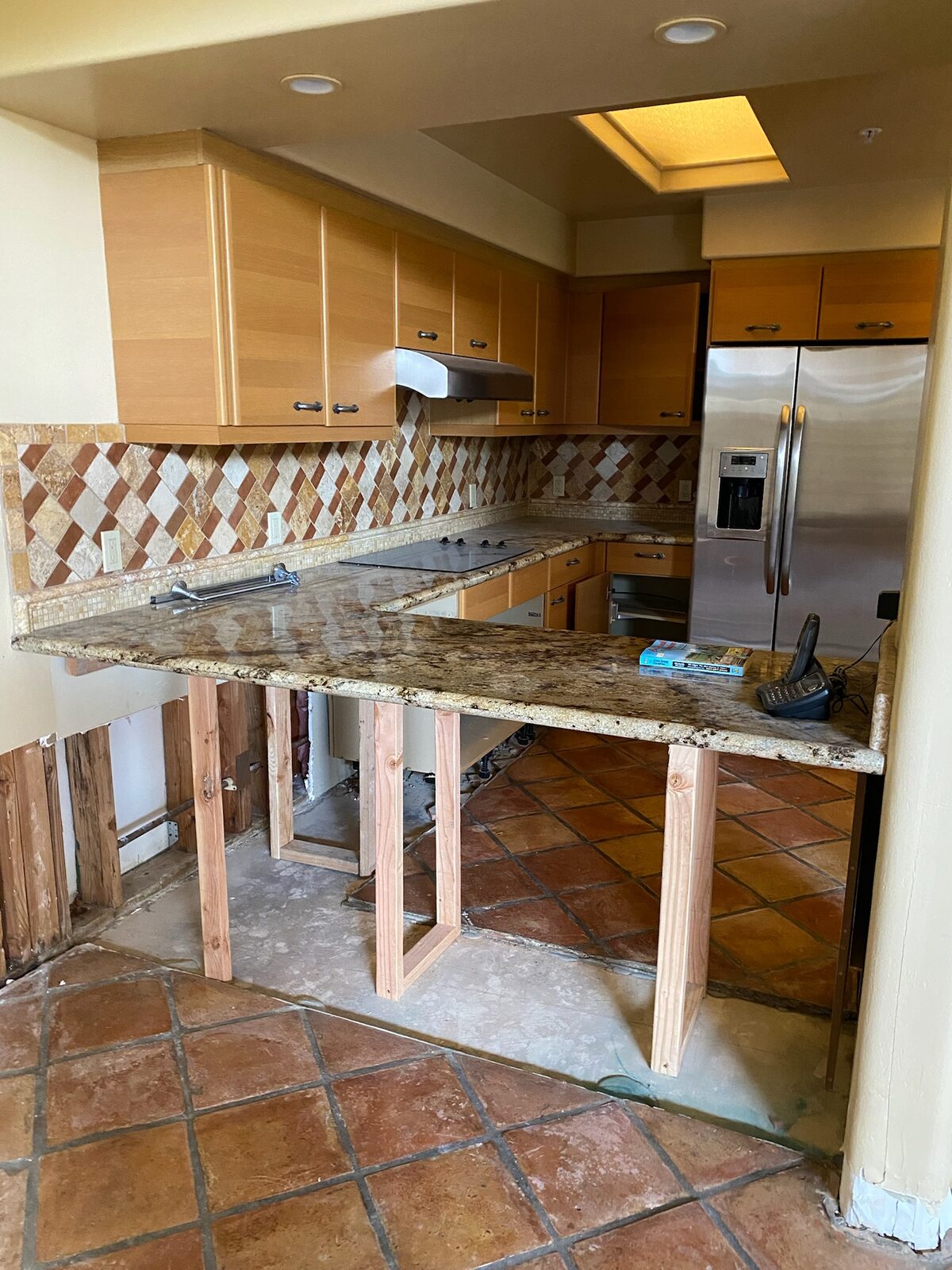
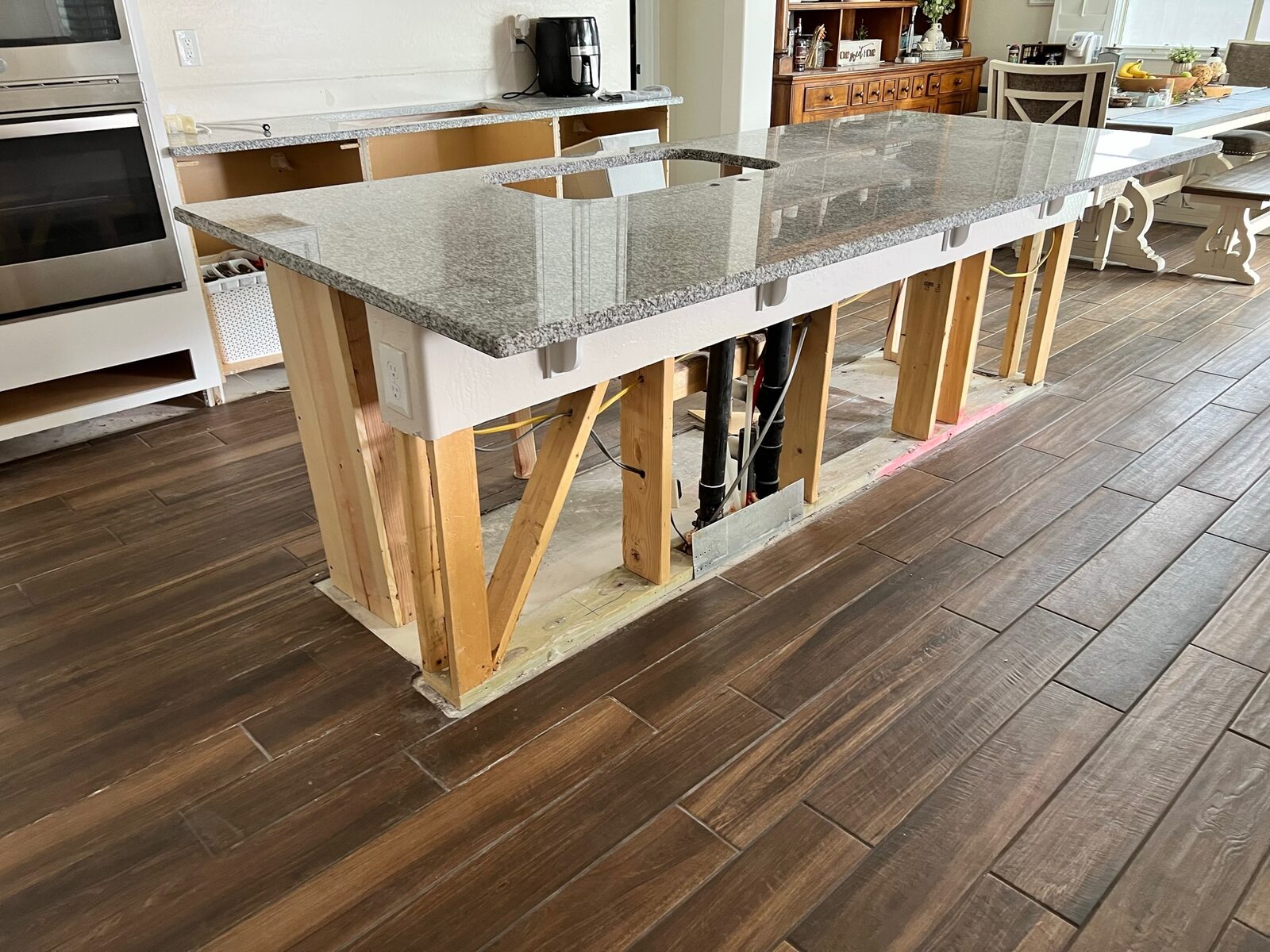
Residential reconstruction work by members of our team. See the full gallery →
More from Gold Water Fire
Abrasive Cleaning Methods for Soot on Framing and Masonry
A look at how abrasive cleaning methods remove soot from wood framing and masonry after a fire, and when each method fits the material.
AC Condensate Line Clogs & the Water Damage They Cause in Phoenix Homes
Why Phoenix AC condensate lines clog every summer, what the water damage looks like, and how to find the source before the ceiling stain spreads again.
Actual Cash Value vs Replacement Cost: Why Your Check Might Not Match the Repair Bill
Confused why your insurance check seems short after fire or water damage? Learn the difference between actual cash value and replacement cost coverage.
If a room in your house will not dry, have the moisture measured
You do not need to figure out on your own where the water is hiding. Call Gold Water Fire at (480) 999-3339 or email Help@goldwaterfire.com and describe what you are seeing, including how long it has been going on. We work throughout the Phoenix metro area, from Peoria and Avondale out to Queen Creek, San Tan Valley and Apache Junction. AZ ROC #264344 KB-2.
Call (480) 999-3339Water Damage Restoration · Fire Damage Restoration · Reconstruction & Rebuild · Contact Us · About Gold Water Fire