
Matching Paint on Sun-Faded Walls: Why the Old Color Chip Lies
You did everything right. You kept the receipt, you know the exact color name, maybe you even have the original can sitting in the garage. And the patch still looks wrong. Not wildly wrong, just off enough that your eye keeps drifting back to it every time you walk past. It is a strange, quiet kind of frustrating: you followed the instructions and the wall still doesn't agree with you.
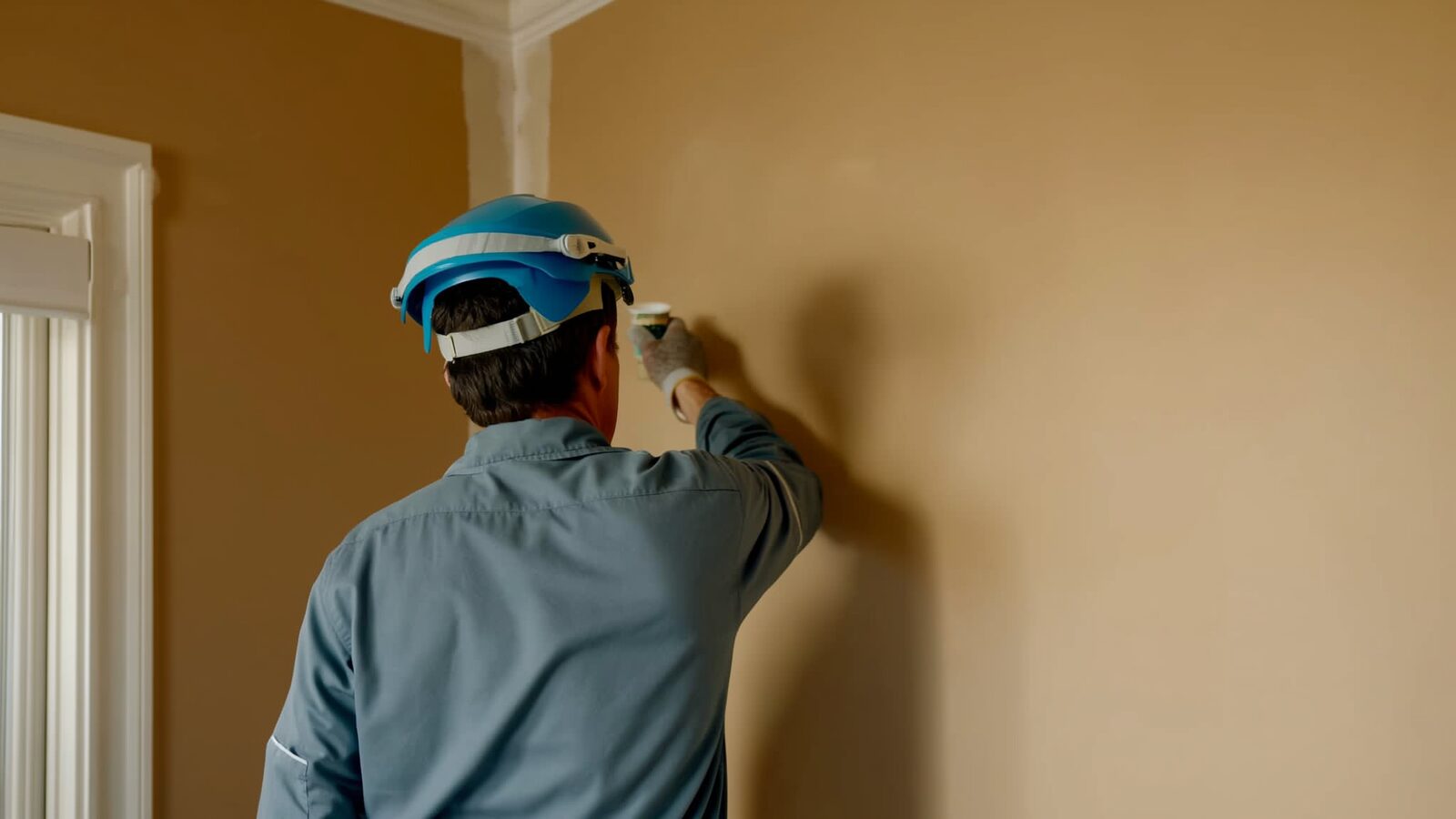
Matching Paint on Sun-Faded Walls: Why the Old Color Chip Lies
The color chip was never lying about the paint. It was lying about the wall.
A paint chip or a can label tells you what color went onto the wall the day it was applied. It says nothing about what that wall looks like today, after months or years of Arizona sun, heat, and dust have worked on it. Pigments break down under UV exposure at different rates depending on their chemistry. Reds and yellows tend to fade faster than blues and grays. So a wall that started as a warm greige can drift toward a cooler, flatter version of itself over time, even though nobody touched the paint can in between. The number on the label never changed. The wall did.
Why fresh paint from an old can still looks new
Even paint stored properly in a sealed can does not fade sitting in your garage, because it has not been exposed to sunlight. So when you open that can and touch up a section, you are putting a genuinely fresh, undamaged version of the color next to a wall surface that has aged. The two were identical once. They are not identical now. This is also why a can bought this year from the same paint code as one bought five years ago will not solve the problem: new paint plus old paint chemistry formulations plus a faded wall is three variables, not one.
Sheen shift is often the bigger giveaway than color
Color gets most of the blame, but sheen does a lot of the visual damage. Sun exposure and years of cleaning or dusting slowly change how a painted surface reflects light, usually flattening a satin or eggshell finish toward something duller. A perfectly color-matched patch painted in the original sheen can still catch light differently than the surrounding wall and read as a distinct rectangle, especially in direct afternoon sun through a west-facing window, which is a common culprit in Phoenix-area homes.
What actually helps a patch disappear
A few things matter more than chasing the exact original formula. Feathering the new paint out past the repair area rather than stopping at a hard edge lets the eye blend the transition instead of comparing two flat zones. Using the same application tool as the original coat (roller nap, brush, or sprayer) keeps texture consistent, since texture affects how light scatters just as much as pigment does. And repainting a full wall corner-to-corner, rather than patching a small section, avoids the single hardest problem: there is no faded edge to match against because the whole surface is uniform again.
When a touch-up isn't the right call
If the damage causing the patch (water staining, smoke residue, structural repair) covers more than a small area, or if the wall has visible texture damage underneath the discoloration, blending paint alone usually will not solve the underlying problem. In those cases the repair work itself, not just the paint on top, needs attention first. Our water damage restoration and fire damage restoration pages walk through what that kind of repair involves, and our reconstruction page covers full wall and finish rebuilds when a patch is not enough.
Questions people ask us
Can I fix a mismatched touch-up without repainting the whole wall?
Sometimes, if you feather the edges widely and match sheen as well as color, but on a wall with noticeable sun fade, a full wall repaint usually gives a more reliable result than trying to blend a small patch.
Does the paint store's computer match account for fading?
No. A computer color match reads the current color of a sample you bring in, but it matches to fresh paint chemistry and application, which still may not replicate an aged, sun-exposed sheen and texture exactly.
Why does the same paint color look different on different walls of my house?
Sun exposure varies by direction and window placement, so a south- or west-facing wall can fade noticeably more than a shaded interior wall, even though both were painted from the same can on the same day.
Is there a way to prevent this fading in the first place?
UV-resistant or exterior-grade formulations fade more slowly, but any painted surface exposed to direct sun will change over years. It is a normal part of how paint ages, not a sign the paint job was done wrong.
The standard our team works to
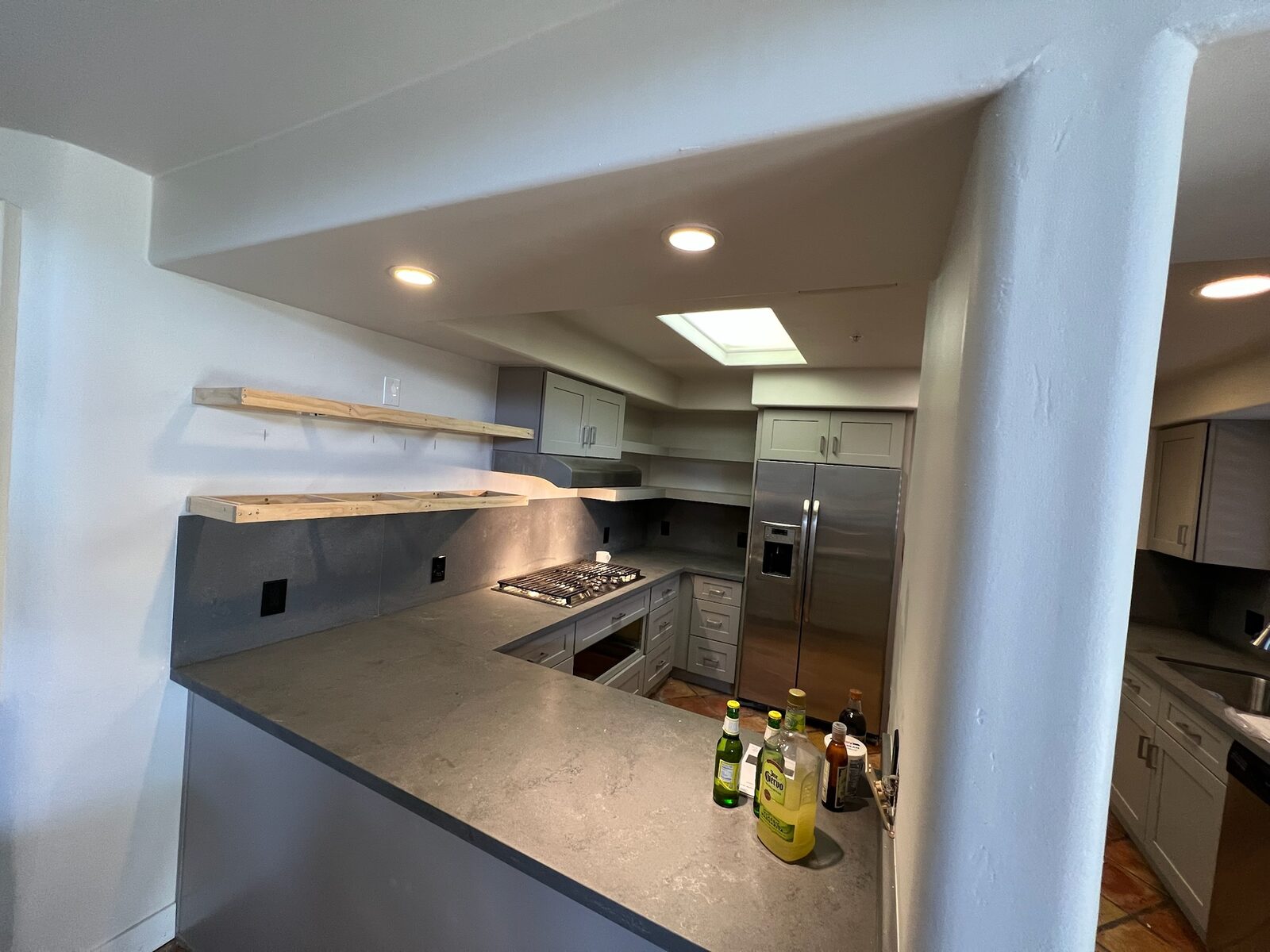
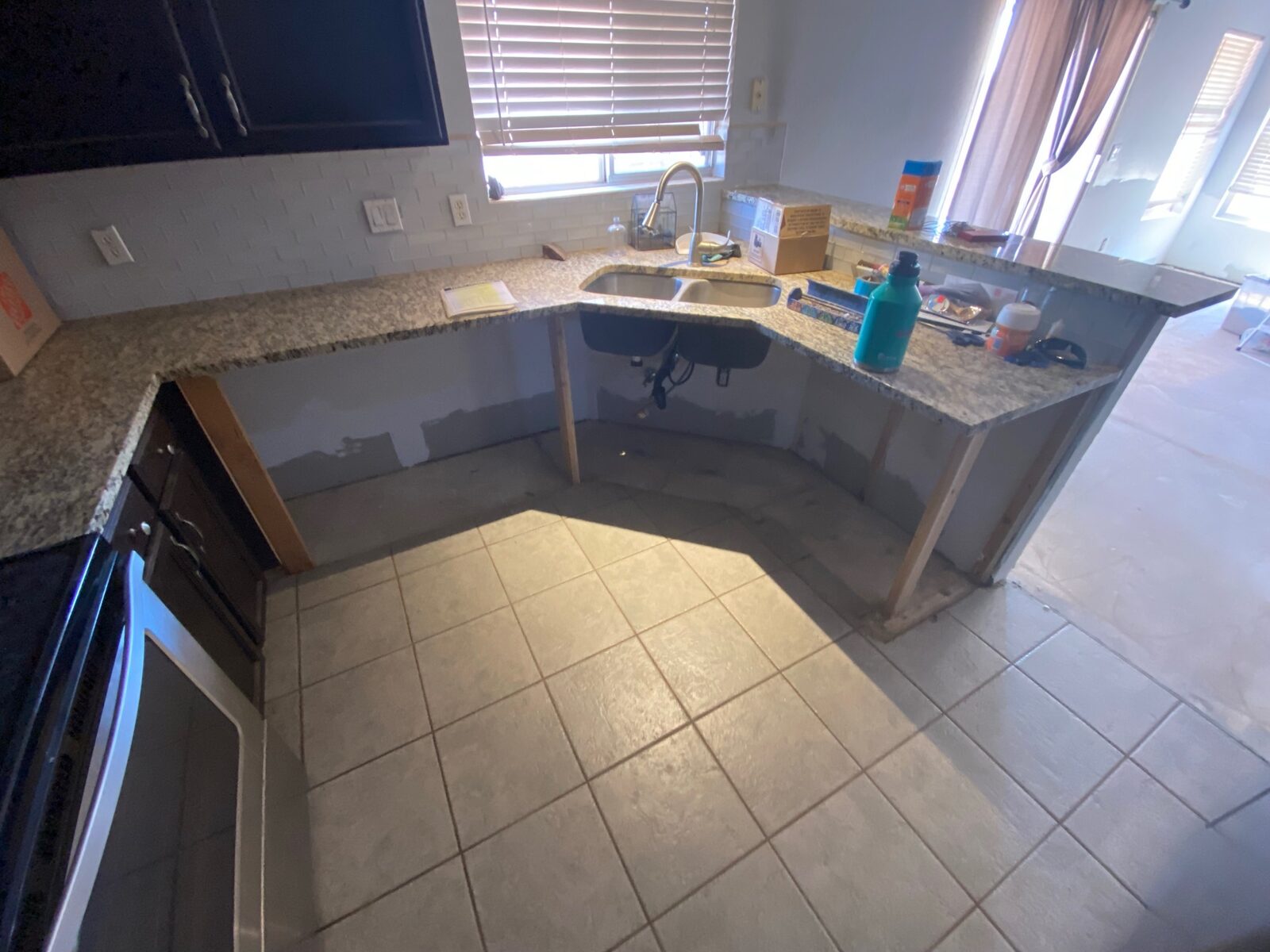
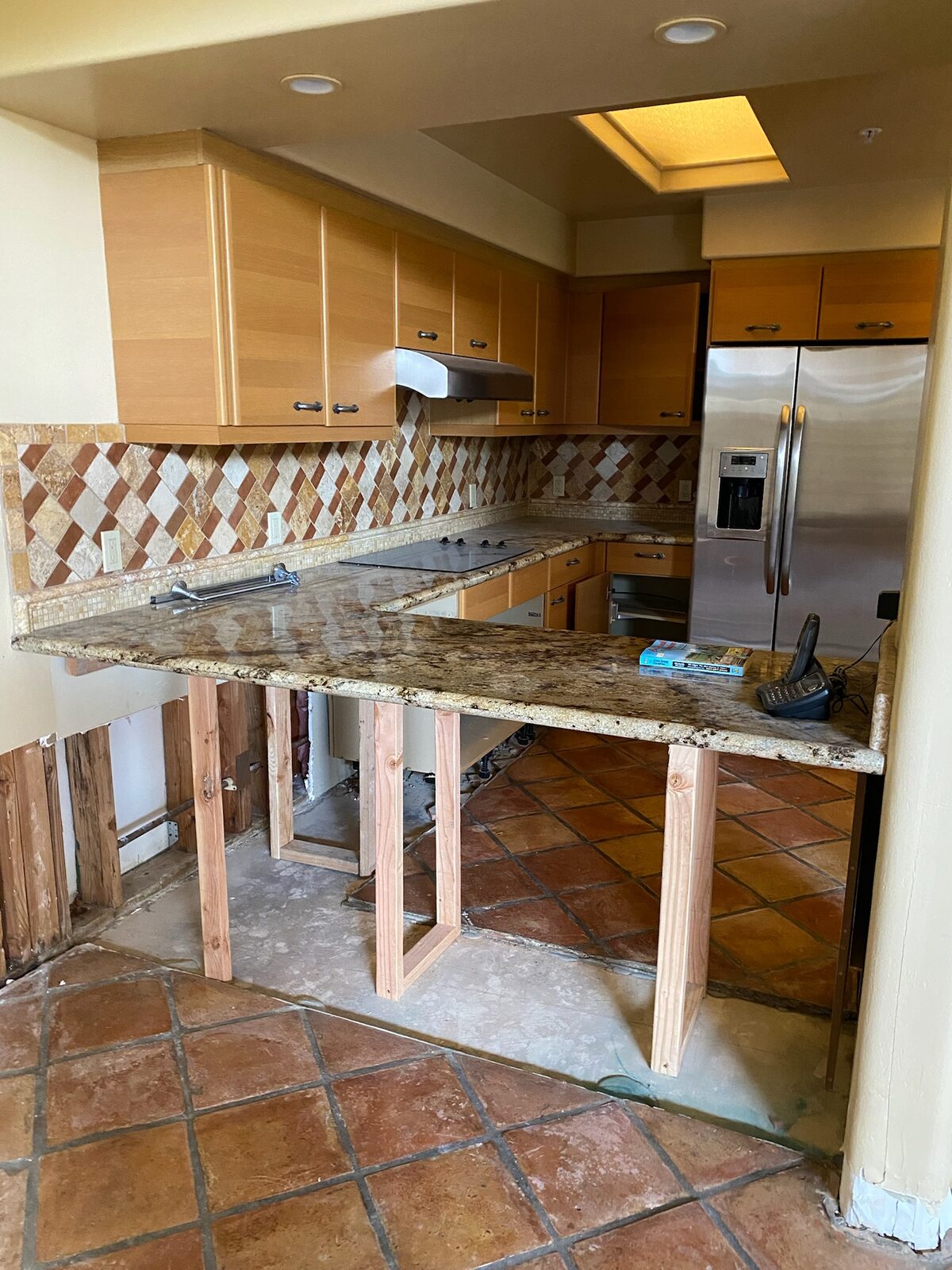
Residential reconstruction work by members of our team. See the full gallery →
More from Gold Water Fire
Abrasive Cleaning Methods for Soot on Framing and Masonry
A look at how abrasive cleaning methods remove soot from wood framing and masonry after a fire, and when each method fits the material.
AC Condensate Line Clogs & the Water Damage They Cause in Phoenix Homes
Why Phoenix AC condensate lines clog every summer, what the water damage looks like, and how to find the source before the ceiling stain spreads again.
Actual Cash Value vs Replacement Cost: Why Your Check Might Not Match the Repair Bill
Confused why your insurance check seems short after fire or water damage? Learn the difference between actual cash value and replacement cost coverage.
Dealing with damage that goes beyond a paint touch-up?
If the discoloration on your wall traces back to water, smoke, or fire damage, we can look at what is actually going on beneath the surface. Reach Gold Water Fire at (480) 999-3339 or Help@goldwaterfire.com.
Call (480) 999-3339