
Why Charred Framing Gets Sealed Rather Than Only Cleaned
If you've had a fire in your home, one of the strangest parts of the aftermath is how long it seems to linger. The visible mess gets cleaned up, the debris hauled away, and the walls get wiped down, but weeks later a closed-up room still smells like smoke, especially on a hot day when the framing behind the drywall warms up. It's confusing when you've already scrubbed everything you can see. If that's where you are right now, wondering why the smell won't quit or why a contractor keeps talking about "sealing" the studs instead of just cleaning them, you're not imagining the problem. There's a real reason cleaning alone doesn't finish the job.
Why Charred Framing Gets Sealed Rather Than Only Cleaned
Wood is porous, and smoke doesn't stay on the surface
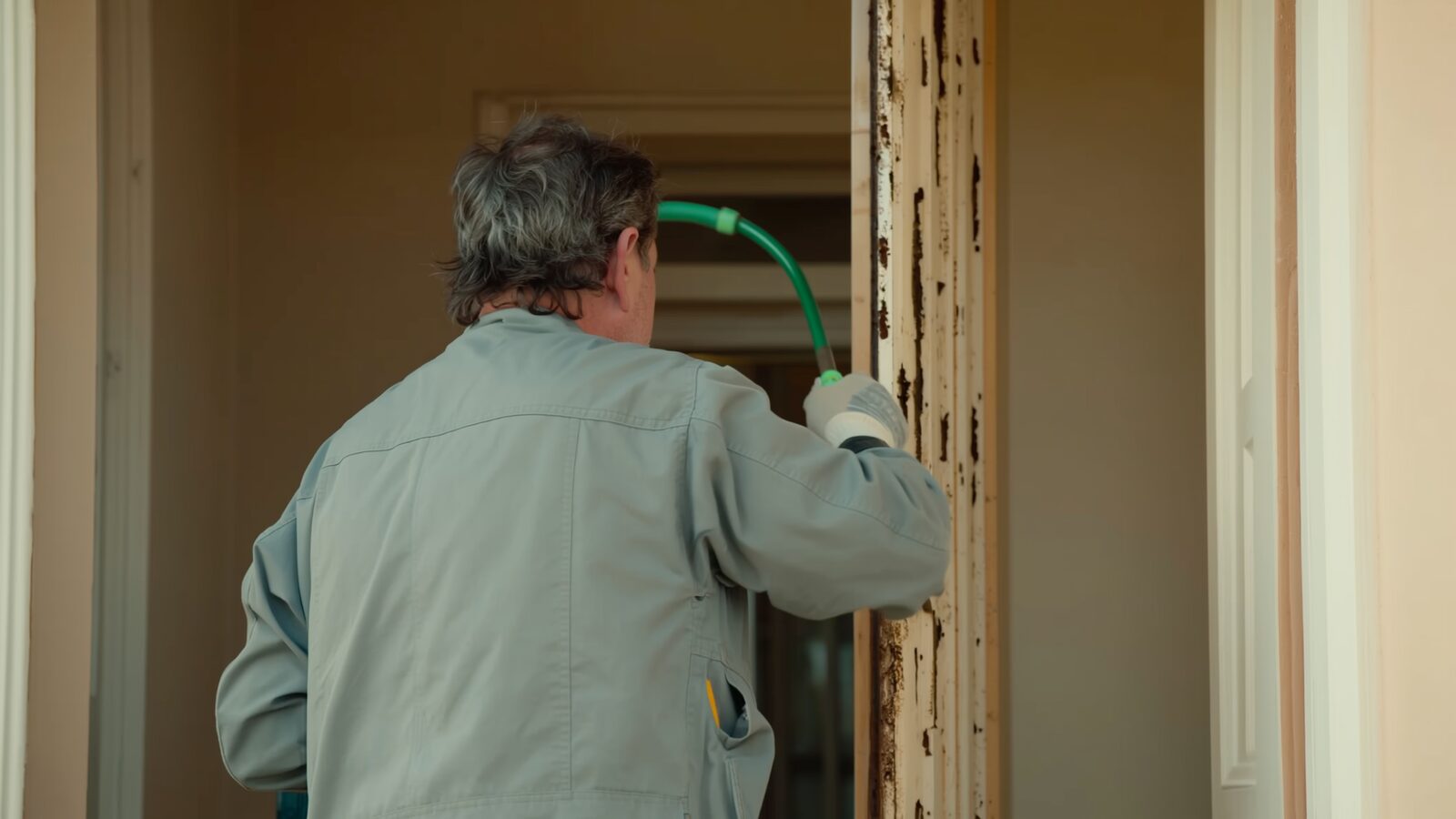
When framing lumber burns or scorches, the char that forms isn't a solid, sealed layer. It's a network of tiny cracks and open pores created as the wood's surface fibers break down under heat. Smoke particles, the same ones that carry that acrid odor, are small enough to work into those pores along with oils and soot from whatever was burning (furniture, insulation, wiring, drywall paper). Wiping down a charred stud with a rag or even a degreasing cleaner only reaches what's on the surface. It doesn't reach what has already migrated into the wood grain itself.
Heat changes wood at a level cleaning can't reverse
Beyond the visible char, the heat from a fire can alter the cell structure of wood for some depth beneath the blackened surface, even where the wood still looks structurally sound. That altered wood tends to hold onto odor compounds more stubbornly than undamaged lumber. This is part of why a room can be fully cleaned, aired out, and even repainted, and still give off a faint smoky smell once the AC kicks on and the framing warms slightly. Cleaning removes what's on top. It does nothing to change what the wood underneath is now holding onto.
What sealing actually does
A sealing product made for fire restoration is designed to penetrate slightly into the wood surface and then cure into a barrier that locks in residual odor compounds and stabilizes any loose char that cleaning didn't remove. This is different from paint or a general primer, which mainly sits on top and can actually trap smoky odor underneath, where it will eventually work its way back out. The right sealer is chosen based on how deeply the char and heat damage go and whether the wood is being kept as-is, encapsulated, or eventually covered during reconstruction.
Why the order of operations matters
Skipping straight to sealing without proper cleaning first traps soot and debris under the sealed layer, which can cause the seal to fail or hold in the odor rather than block it. Skipping sealing after cleaning leaves the porous wood free to keep releasing trapped smoke compounds indefinitely. Both steps have a distinct job: cleaning removes what can physically be removed, and sealing addresses what has already soaked into the material and can't be scrubbed out. That's why fire restoration typically treats these as two separate stages rather than one combined step.
Questions people ask us
If the smoke smell is gone after cleaning, does the framing still need to be sealed?
Smell can fade temporarily after cleaning and then return once a room warms up or humidity changes, because trapped odor compounds continue to escape from the wood grain over time. A framing member that looks and smells clean right after cleaning isn't necessarily free of what has migrated below the surface.
Can charred framing just be replaced instead of sealed?
In some cases replacement makes sense, especially where the char is deep enough to affect structural strength. In many fires, though, framing is scorched or lightly charred on the surface while remaining structurally sound, and sealing is the step that addresses the odor and surface damage without the cost and disruption of removing sound lumber.
How do you know how deep the char damage goes before deciding to seal or replace?
Assessing char depth generally involves visual inspection combined with testing the wood's remaining density and strength, since surface blackening doesn't always match how far heat penetrated. This kind of evaluation is typically done before any cleaning or sealing begins so the right approach is chosen for each framing member.
Does sealing charred wood also stop it from smelling like smoke permanently?
A properly applied fire-rated sealer is designed to lock in residual odor-causing compounds so they don't keep off-gassing into the living space. This depends on the wood being cleaned thoroughly first and the sealer being suited to the level of char present.
The standard our team works to
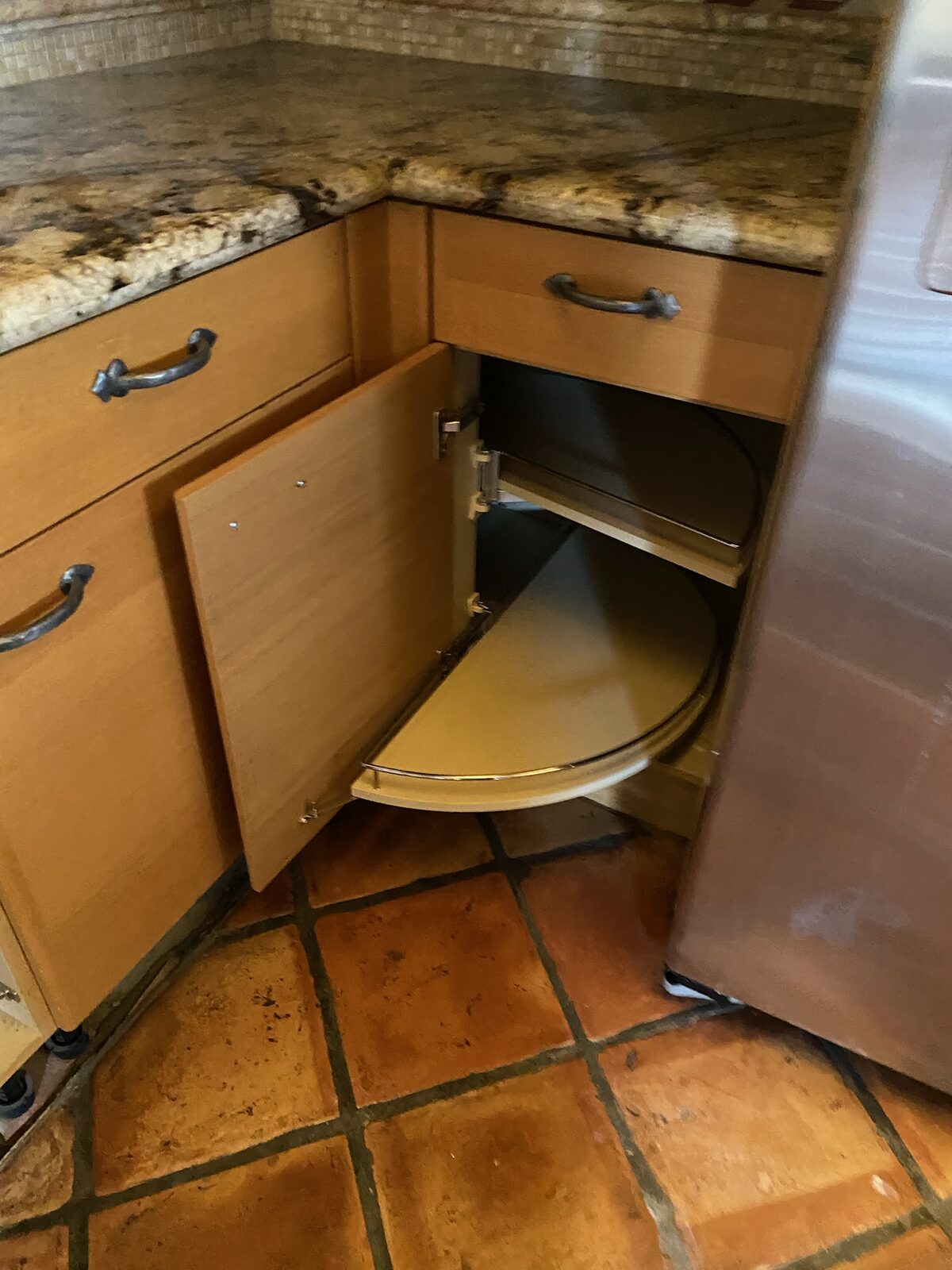
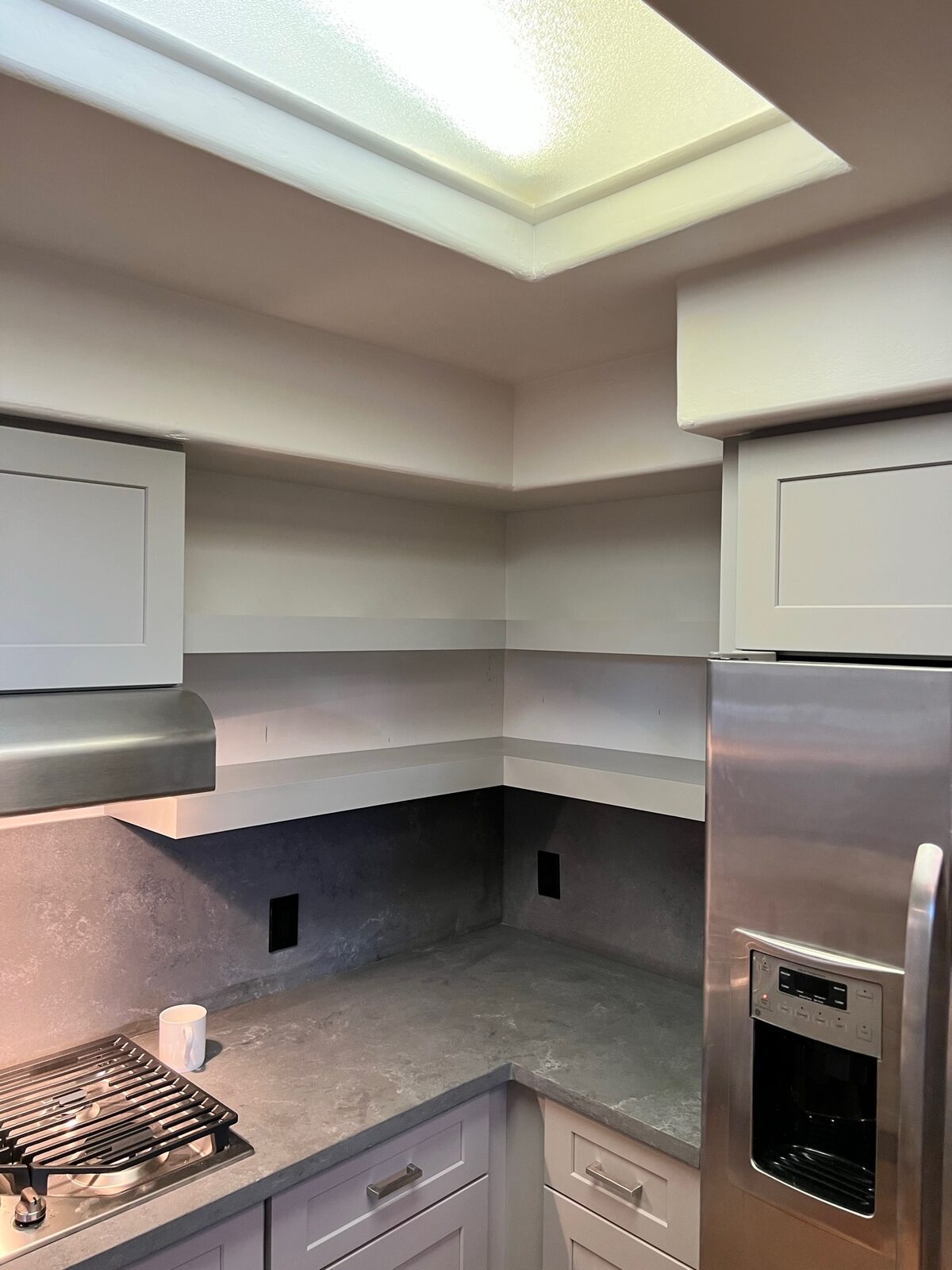
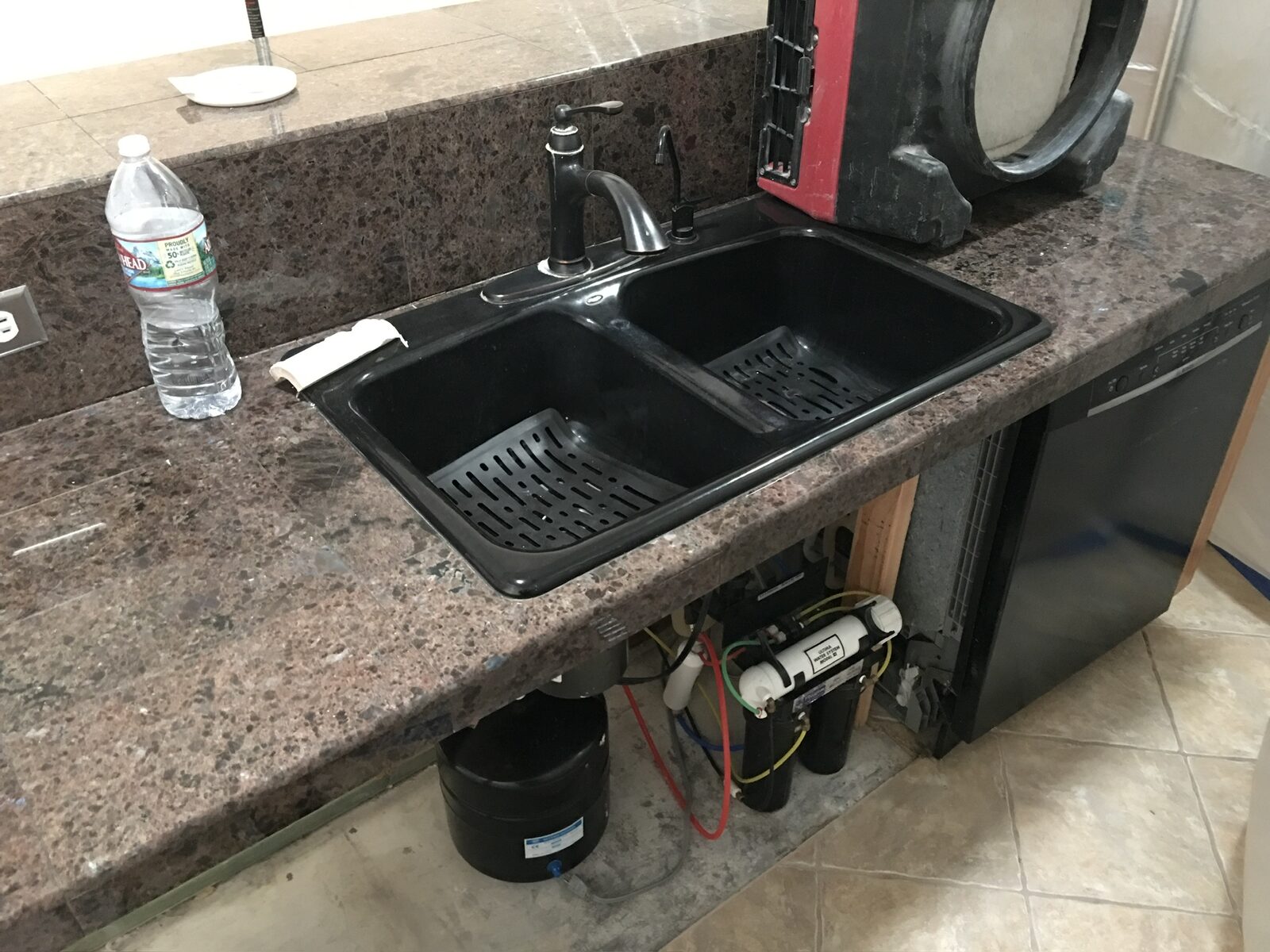
Residential reconstruction work by members of our team. See the full gallery →
More from Gold Water Fire
Abrasive Cleaning Methods for Soot on Framing and Masonry
A look at how abrasive cleaning methods remove soot from wood framing and masonry after a fire, and when each method fits the material.
AC Condensate Line Clogs & the Water Damage They Cause in Phoenix Homes
Why Phoenix AC condensate lines clog every summer, what the water damage looks like, and how to find the source before the ceiling stain spreads again.
Actual Cash Value vs Replacement Cost: Why Your Check Might Not Match the Repair Bill
Confused why your insurance check seems short after fire or water damage? Learn the difference between actual cash value and replacement cost coverage.
Not sure what your framing needs after a fire?
If you're dealing with smoke odor or scorched framing and aren't sure whether it calls for cleaning, sealing, or replacement, Gold Water Fire can take a look and walk you through what's actually going on with the wood. Reach out at (480) 999-3339 or Help@goldwaterfire.com.
Call (480) 999-3339Fire Damage Restoration services · Reconstruction & Rebuild · About Gold Water Fire · Contact Gold Water Fire