
Aquarium Failures: Hundreds of Gallons in the Living Room
One minute the tank is just part of the room, the fish moving around like they always do, the filter humming in the background. The next minute there's a sound you don't forget, glass giving way or a seam splitting, and water is moving faster than you can think. If you're standing in it right now, or you're staring at the aftermath trying to figure out how a hobby that felt so controlled turned into soaked flooring and drywall in a matter of minutes, that disorientation is real. A large aquarium holds more water than most people realize, and when it fails, it fails all at once.
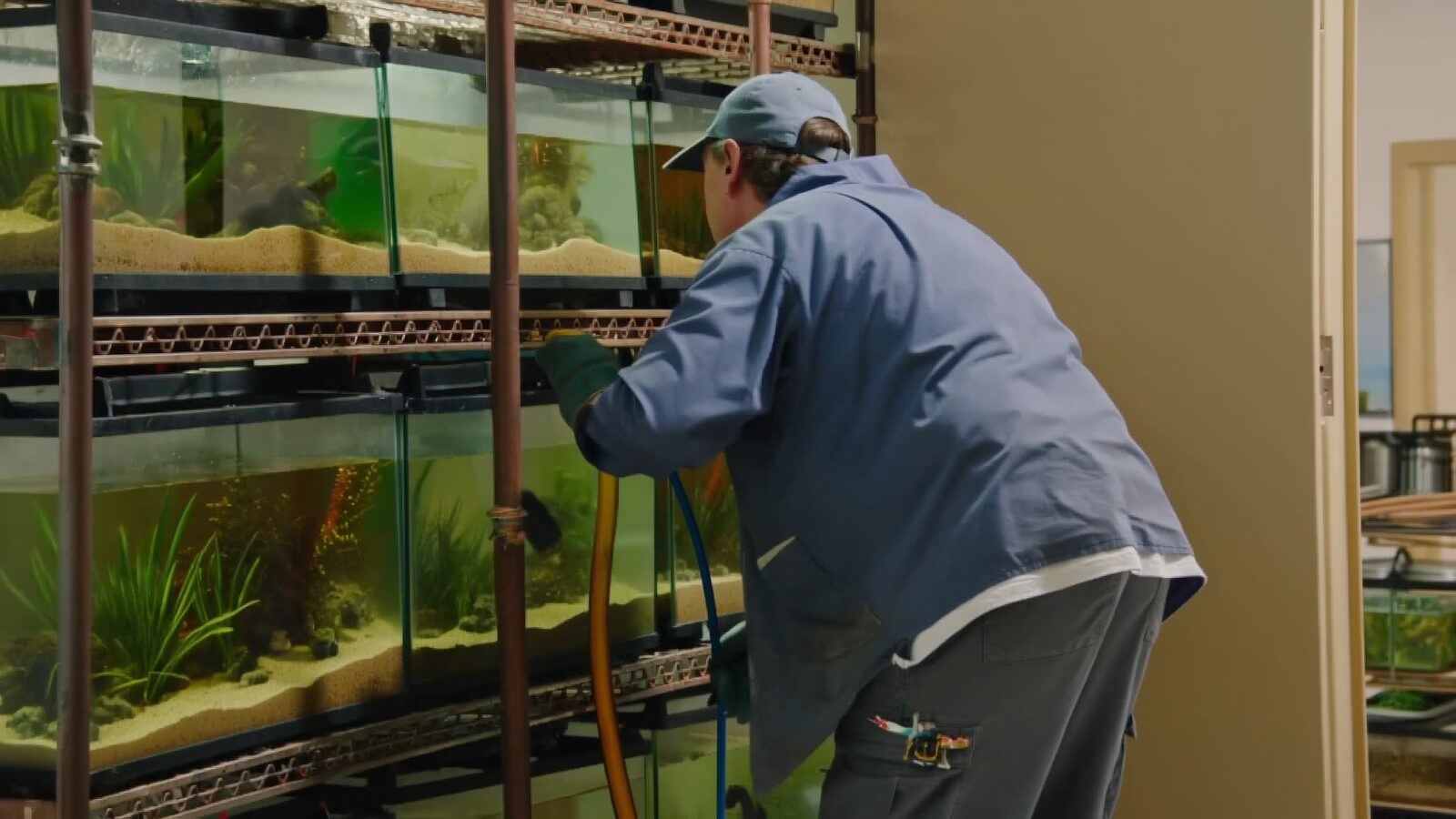
Aquarium Failures: Hundreds of Gallons in the Living Room
Why a tank failure is worse than it looks at first
A standard 55-gallon aquarium weighs close to 500 pounds once you add water, gravel, and equipment. A 125-gallon or 180-gallon display tank, common in living rooms and offices, can weigh well over a thousand pounds. When that much water releases at once, it doesn't soak in gradually the way a slow plumbing leak does. It sheets across the floor, finds every gap in baseboards and flooring seams, and drops straight through to whatever is underneath: subfloor, insulation, the ceiling of the room below. That's why aquarium failures often cause damage that looks disproportionate to a 'container breaking.' It's not a spill. It's a sudden, full-volume release.
Common reasons tanks and stands fail
Seal and seam failure
Silicone seals age and can dry out, especially in tanks that have been through years of temperature swings or were moved and reset. Once a seam lets go, it usually doesn't slow-leak for long, it opens fully.
Stand or furniture failure
Tanks are only as stable as what they sit on. A stand that wasn't rated for the weight, or that's been slowly weakened by chronic dampness at its base, can shift or buckle under the load.
Uneven or unlevel surfaces
Glass tanks are not designed to flex. A floor that settles even slightly, or a stand with one leg not quite even, puts constant stress on one point of the glass until it gives.
Cracks from temperature or impact
Rapid temperature changes, a heater malfunction, or even a small impact from cleaning equipment can create a stress crack that isn't visible until it spreads under pressure.
What to check in the first hour
If you're safely able to, cut power to any outlets near the water before doing anything else. Standing water and electrical outlets, aquarium heaters, or pumps are a serious hazard. Once power is addressed, try to identify how far the water has traveled, not just what's visibly wet. Water follows gravity and gaps, so check adjacent rooms, closets on the other side of a shared wall, and the ceiling below if the tank was on an upper floor. Move furniture and rugs off wet flooring if you can do it without hurting yourself, and open windows or run fans to start air movement. The goal in the first hour is limiting how far the water spreads and how long it sits, not fixing anything permanently.
What happens to the structure after a large water release
Even after the visible water is cleaned up, wood flooring, subfloor, and drywall can hold moisture for days if they aren't actively dried. Laminate and engineered wood flooring are particularly vulnerable to swelling and delamination from a fast, high-volume release like this. Drywall wicks water upward from the base, sometimes higher than the waterline you actually saw. In Phoenix's climate, indoor humidity from a large water event doesn't dissipate on its own the way it might in a naturally humid region, it needs active drying equipment to pull moisture out of framing, subfloor, and insulation before mold or warping sets in. This is the part that's easy to underestimate: the tank breaking is the event, but what the trapped moisture does to the structure over the following days is often the larger problem.
Assessing whether this is a DIY cleanup or not
A small tank that tipped and released 10 or 20 gallons onto tile might be something you can mop up and monitor yourself. A large display tank that released hundreds of gallons onto wood flooring, carpet, or through to a lower level is a different situation. If water reached electrical systems, ran under baseboards, or sat for more than a few hours before you could address it, the damage is likely deeper than what you can see. Learn more about how water damage restoration works, and if flooring or drywall needs to be removed and rebuilt, that becomes a reconstruction question as much as a drying one.
Questions people ask us
How much water can a large aquarium actually release?
A 125-gallon tank holds roughly 125 gallons of water plus the added weight of gravel and decor, and when a seam or the glass fails, that volume can release in seconds rather than gradually. It's the sudden full-volume nature of the failure that catches most people off guard.
Can I just let the area air dry on its own?
Surface water will evaporate, but moisture that has soaked into subfloor, baseboards, or drywall often stays trapped well below what feels dry to the touch. Structural materials generally need forced air movement and dehumidification to dry fully, not just open windows.
Is the floor below an upstairs tank at risk too?
Yes. Water from an upper-floor tank failure commonly travels through subfloor and ceiling material and shows up as staining or sagging on the ceiling below, sometimes hours after the initial event, so that space should be checked even if it looks fine at first.
What's the biggest mistake people make after a tank breaks?
Cleaning up the visible water and considering the job done. The visible water is usually the smaller part of the problem, what matters most is whether hidden moisture in flooring and walls gets fully dried out afterward.
The standard our team works to
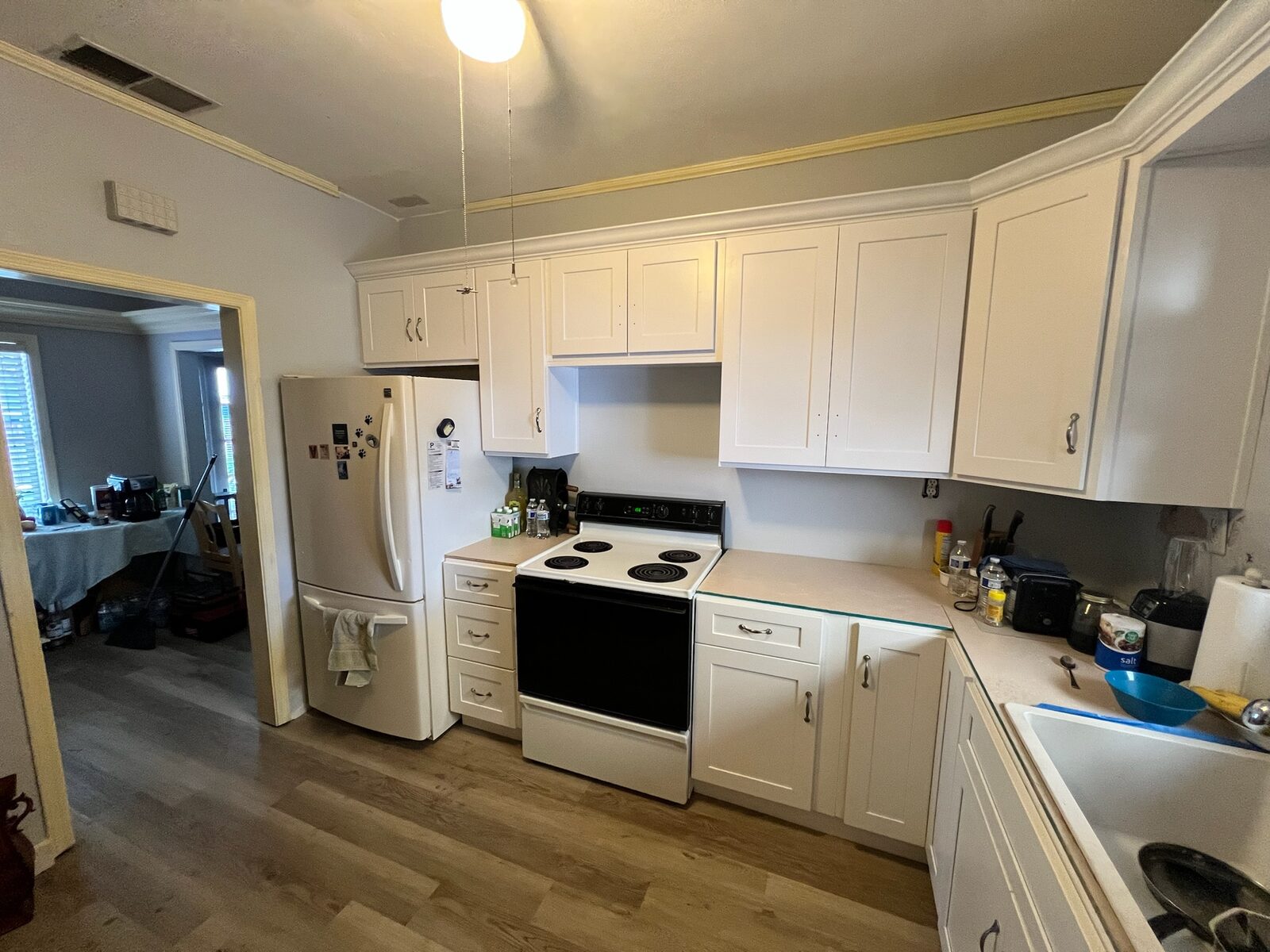
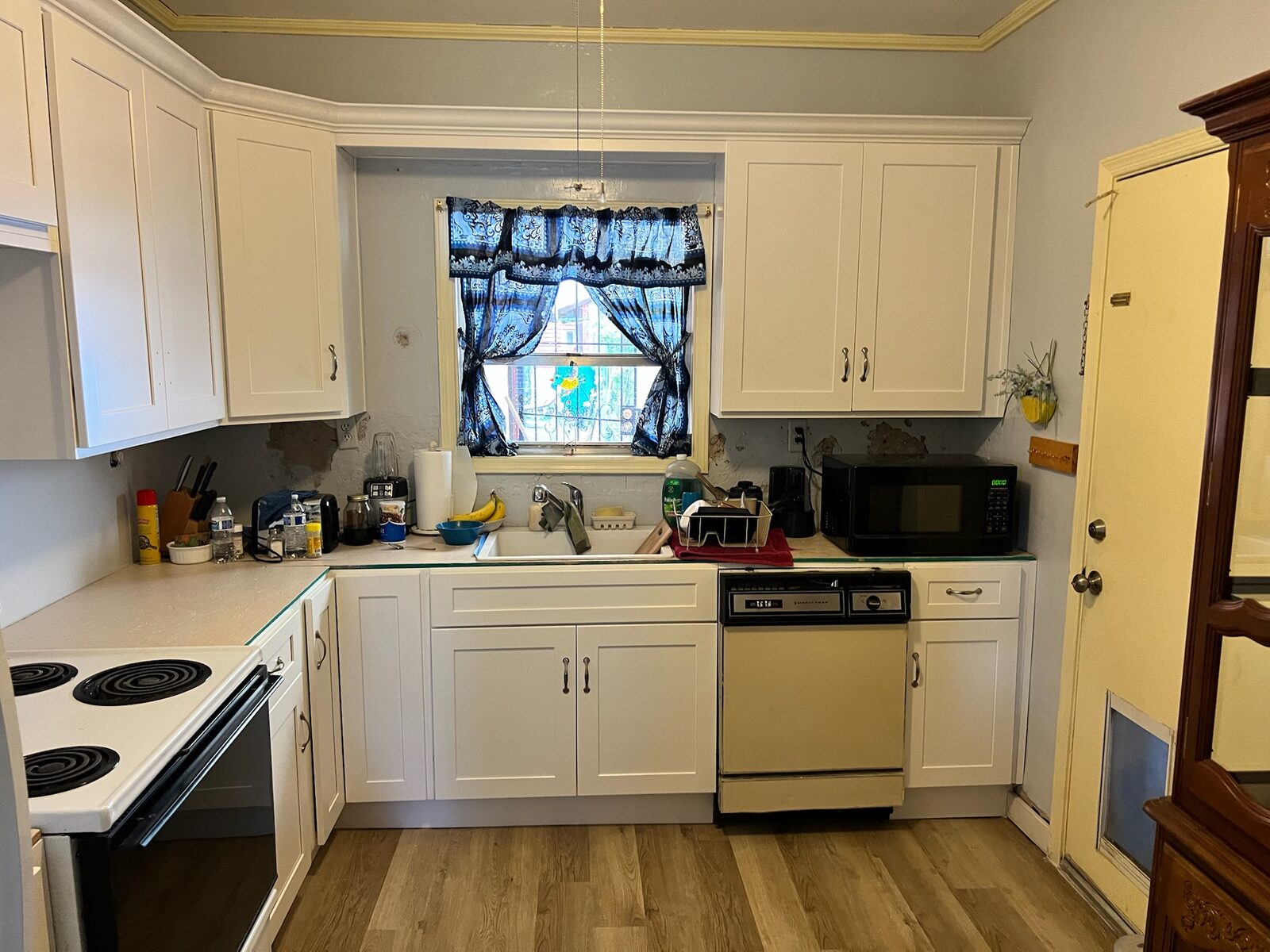
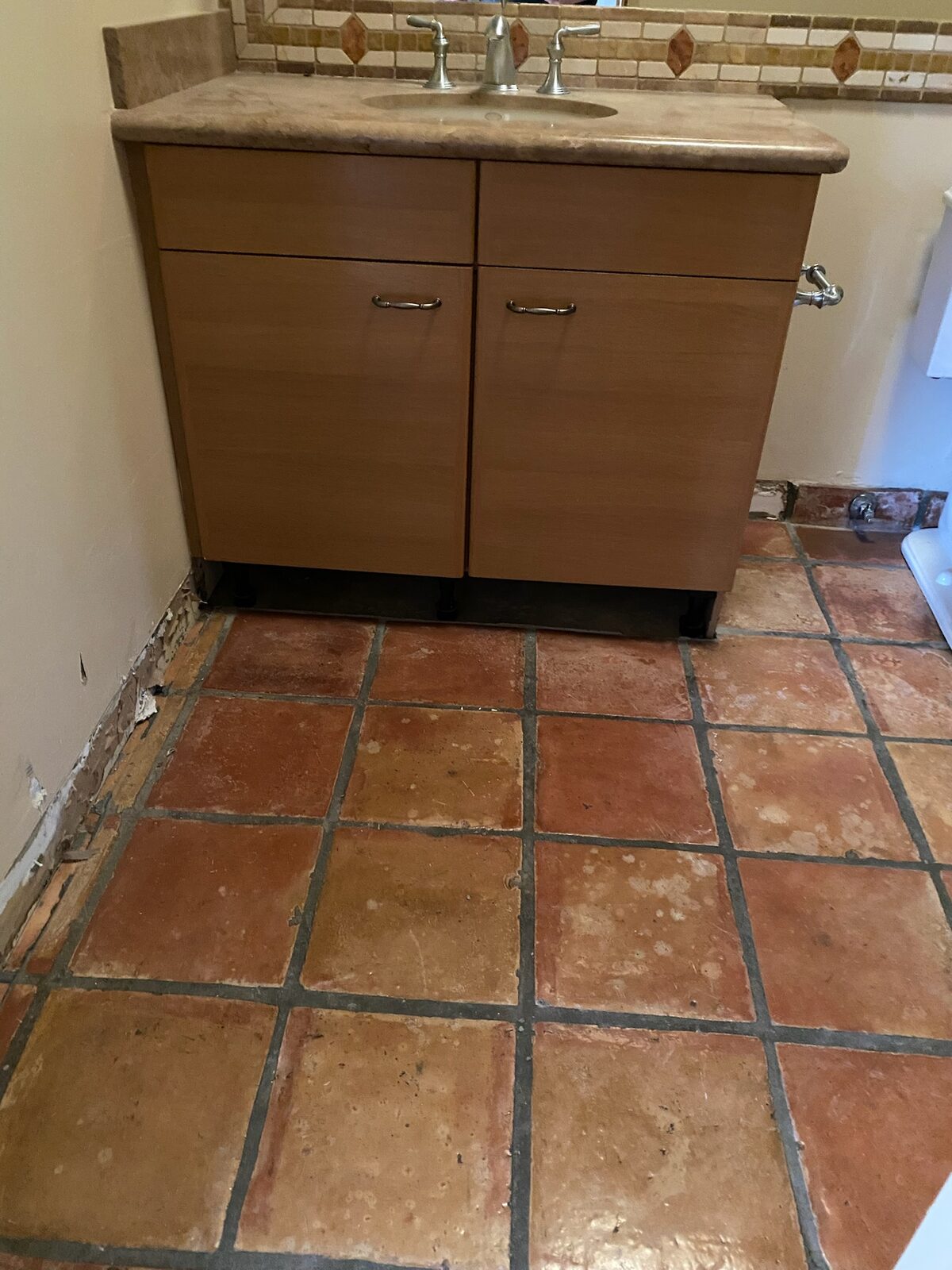
Residential reconstruction work by members of our team. See the full gallery →
More from Gold Water Fire
Abrasive Cleaning Methods for Soot on Framing and Masonry
A look at how abrasive cleaning methods remove soot from wood framing and masonry after a fire, and when each method fits the material.
AC Condensate Line Clogs & the Water Damage They Cause in Phoenix Homes
Why Phoenix AC condensate lines clog every summer, what the water damage looks like, and how to find the source before the ceiling stain spreads again.
Actual Cash Value vs Replacement Cost: Why Your Check Might Not Match the Repair Bill
Confused why your insurance check seems short after fire or water damage? Learn the difference between actual cash value and replacement cost coverage.
Dealing with a tank failure right now?
If a large aquarium or tank has flooded part of your home in the Phoenix area, reach out to Gold Water Fire at (480) 999-3339 or Help@goldwaterfire.com to talk through what you're facing.
Call (480) 999-3339water damage restoration · reconstruction · contact Gold Water Fire