
Cigarette Residue in a Home You Just Bought: What Removal Actually Involves
You did the walkthrough, you closed, and now that you're actually living in the house, the smell won't go away. Maybe it wasn't obvious until the AC kicked on for the first time, or the summer heat started pulling something out of the walls. You've wiped down the counters, run air purifiers, maybe even repainted a room, and it's still there. That gap between "this should be fixed by now" and the fact that it isn't is disorienting, especially when you can't see what's actually causing it. It's not in your head, and it's not just a smell that needs a candle. There's a physical reason it's still there, and it has to do with what cigarette smoke actually does to a house over years of exposure.
Cigarette Residue in a Home You Just Bought: What Removal Actually Involves
Why the smell outlasts the previous owner
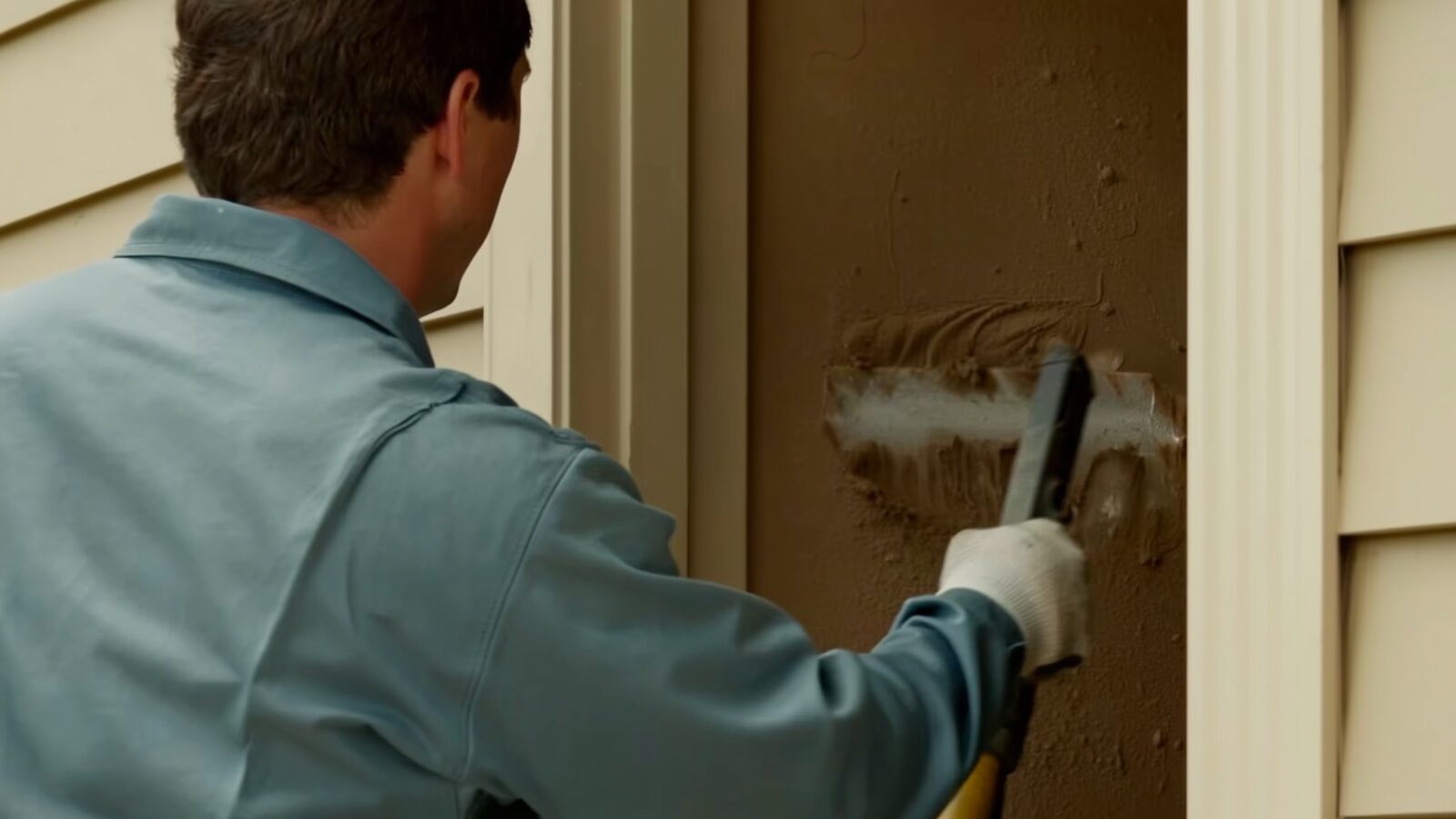
Cigarette smoke isn't just an odor floating through the air. It's made up of thousands of chemical compounds, including tar and nicotine, that turn into a sticky, yellowish film the moment they hit a cooler surface. That film is called off-gassing residue, and it settles on everything: drywall, ceiling texture, the inside of ductwork, cabinet interiors, window blinds, even the paper backing behind wallpaper. Paint and primer sit on top of that film rather than sealing it, which is why a fresh coat of paint often looks fine for a few weeks and then starts to yellow or smell again as the residue underneath reacts to heat and humidity. In Phoenix, where interior temperatures swing hard between air conditioning and summer heat, that residue expands and releases odor repeatedly, which is part of why the smell seems to come and go rather than fade steadily.
Where residue actually hides
The visible surfaces, walls, ceilings, and trim, are usually the smallest part of the problem. The bigger sources are the ones nobody thinks to check during a walkthrough.
HVAC system and ductwork
If someone smoked in the house for any length of time, the return air ducts have likely been pulling smoke-laden air through the system for years. Residue coats the inside of the ductwork, the coil, and the filter housing, and every time the system runs, it recirculates that odor through the whole house.
Soft materials and cavities
Carpet padding, insulation behind walls and in the attic, and any fabric-covered surfaces (closet shelving, curtains left behind, upholstered built-ins) absorb smoke deeply. These materials often need to be removed rather than cleaned, because the residue penetrates the fibers rather than sitting on the surface.
Cabinets, closets, and enclosed spaces
Enclosed, less-ventilated spaces tend to hold residue longer because there's less air exchange to disperse it. Cabinet interiors, closet walls, and the underside of countertops often carry a stronger smell than the open rooms around them.
Window tracks, blinds, and hard-to-reach trim
Horizontal surfaces that collect dust also collect residue, and blinds in particular are notorious for holding smoke odor since they're rarely cleaned deeply and have huge surface area relative to their size.
What real removal involves, not just masking
Odor removal after long-term smoking exposure is a sequence, not a single product. Skipping steps is why DIY attempts (ozone machines, scented sprays, a single repaint) tend to work for a short while and then fail. A thorough process generally includes: removing porous materials that can't be cleaned (carpet, pad, sometimes drywall in heavily affected rooms), cleaning hard surfaces with a degreasing solution formulated to break down tar and nicotine film rather than just perfume it, sealing surfaces with an odor-blocking primer built for smoke damage before any topcoat goes on, cleaning or replacing HVAC components including ductwork, and using air scrubbing equipment to address what's left suspended in the air during the process. The order matters: painting over unsealed residue, or cleaning the air before the surfaces are addressed, just resets the clock on the smell.
How to tell if you're dealing with light residue or a deep problem
A quick surface clean and a coat of odor-blocking primer may be enough if the smoking was light, recent, or confined to one or two rooms with good ventilation. You likely have a bigger job on your hands if the smell is noticeable throughout the house rather than one room, it gets stronger when the AC or heat runs, you can see yellowing on ceilings or around light fixtures, or the previous disclosure (or your own research into the listing history) suggests the home was smoked in for years rather than occasionally. In those cases, ductwork and insulation are almost always part of the real cause, not just the walls.
Questions people ask us
Will repainting the walls get rid of the smell for good?
Not by itself. Standard paint doesn't seal residue, it sits on top of it. Without cleaning the surface first and using a primer designed to block smoke odor, the smell typically returns as the residue underneath reacts to heat and humidity.
Can the smell really be coming from the air ducts?
Yes, and it's one of the most commonly missed sources. If smoke was drawn through the return air system over time, the ductwork, coil, and filter housing can hold residue that gets recirculated every time the HVAC system runs.
Is it possible the previous owner didn't disclose smoking in the home?
It's possible the smell wasn't obvious during a showing, especially if the home was aired out, staged, or lightly cleaned beforehand. Odor from long-term residue can also take time to become noticeable again once regular living patterns (cooking, showering, running the AC) resume.
Do air purifiers or ozone machines solve this on their own?
They can help with odor that's currently in the air, but they don't remove the residue coating surfaces, ductwork, or porous materials. Without addressing the source material, odor tends to return once the air treatment stops.
The standard our team works to
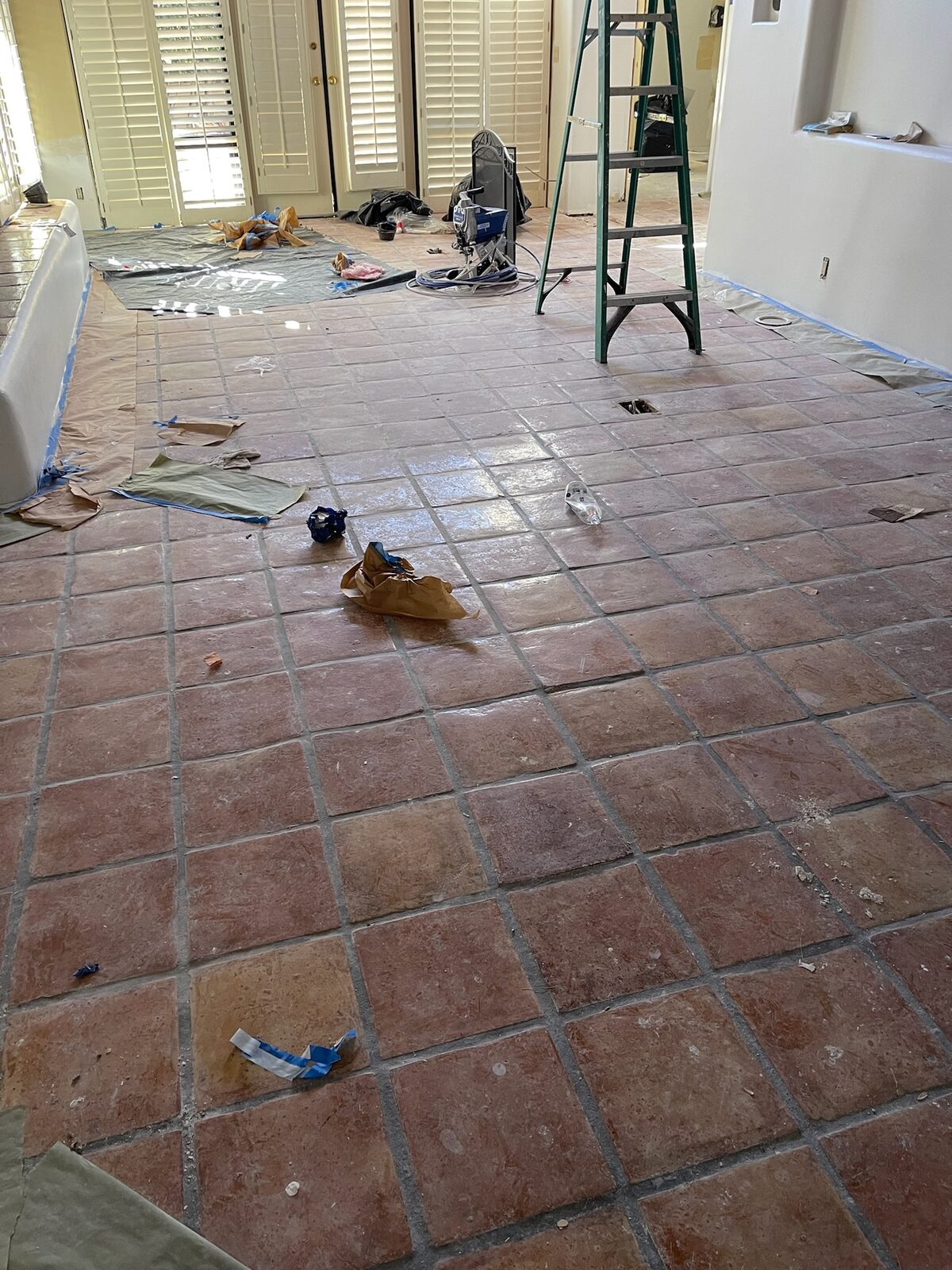
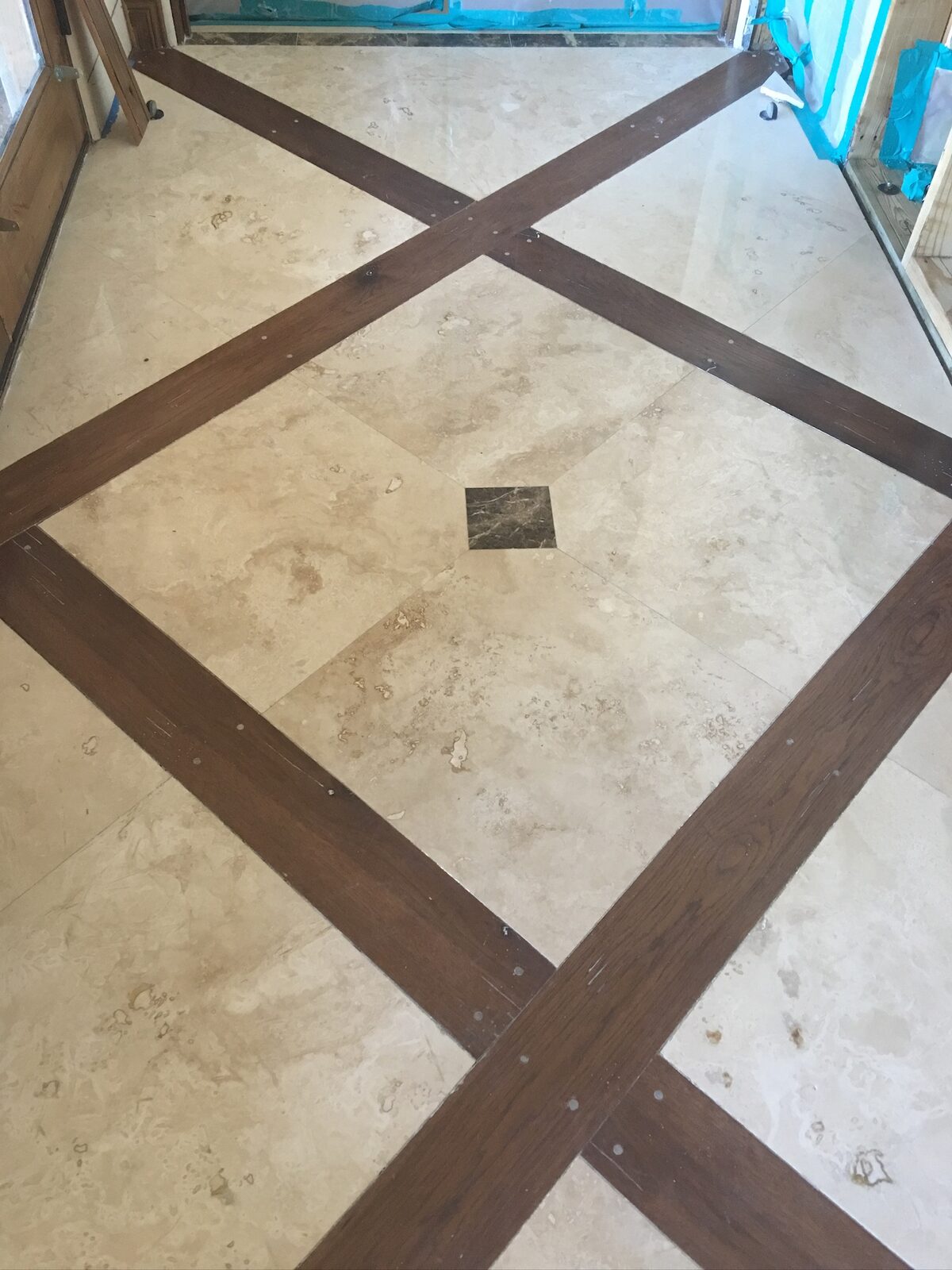
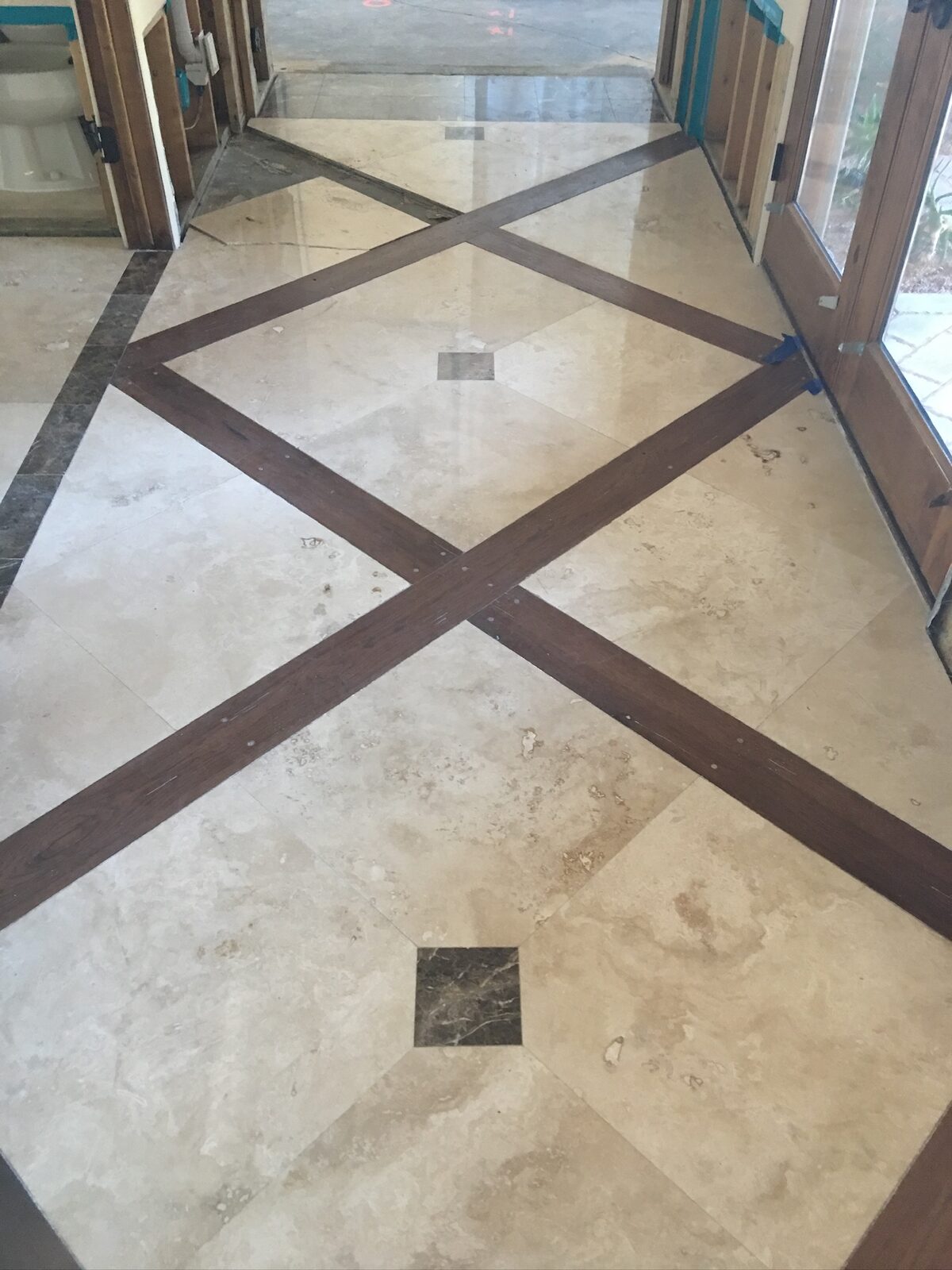
Residential reconstruction work by members of our team. See the full gallery →
More from Gold Water Fire
Abrasive Cleaning Methods for Soot on Framing and Masonry
A look at how abrasive cleaning methods remove soot from wood framing and masonry after a fire, and when each method fits the material.
AC Condensate Line Clogs & the Water Damage They Cause in Phoenix Homes
Why Phoenix AC condensate lines clog every summer, what the water damage looks like, and how to find the source before the ceiling stain spreads again.
Actual Cash Value vs Replacement Cost: Why Your Check Might Not Match the Repair Bill
Confused why your insurance check seems short after fire or water damage? Learn the difference between actual cash value and replacement cost coverage.
Not sure how deep the residue goes in your new home?
Gold Water Fire can walk through the property with you and explain what's actually driving the odor before you spend money on a fix that won't hold. Call (480) 999-3339 or email Help@goldwaterfire.com.
Call (480) 999-3339Fire Damage Restoration · Reconstruction & Rebuild · About Gold Water Fire · Contact Gold Water Fire