
Red Flags of Storm Chaser Contractors After a Weather Event
A storm rolls through, your roof is damaged or water has gotten into your walls, and before you've even had time to call your insurance company, someone is already knocking on your door with a quote in hand. It feels strange, and it should. If you're standing in your driveway holding a business card from someone you've never heard of, trying to figure out if they're legitimate or if you're about to make things worse, you're not overreacting. This is a real decision with real money and real risk attached to it, and the pressure to decide fast is part of the problem, not a sign you're being difficult.
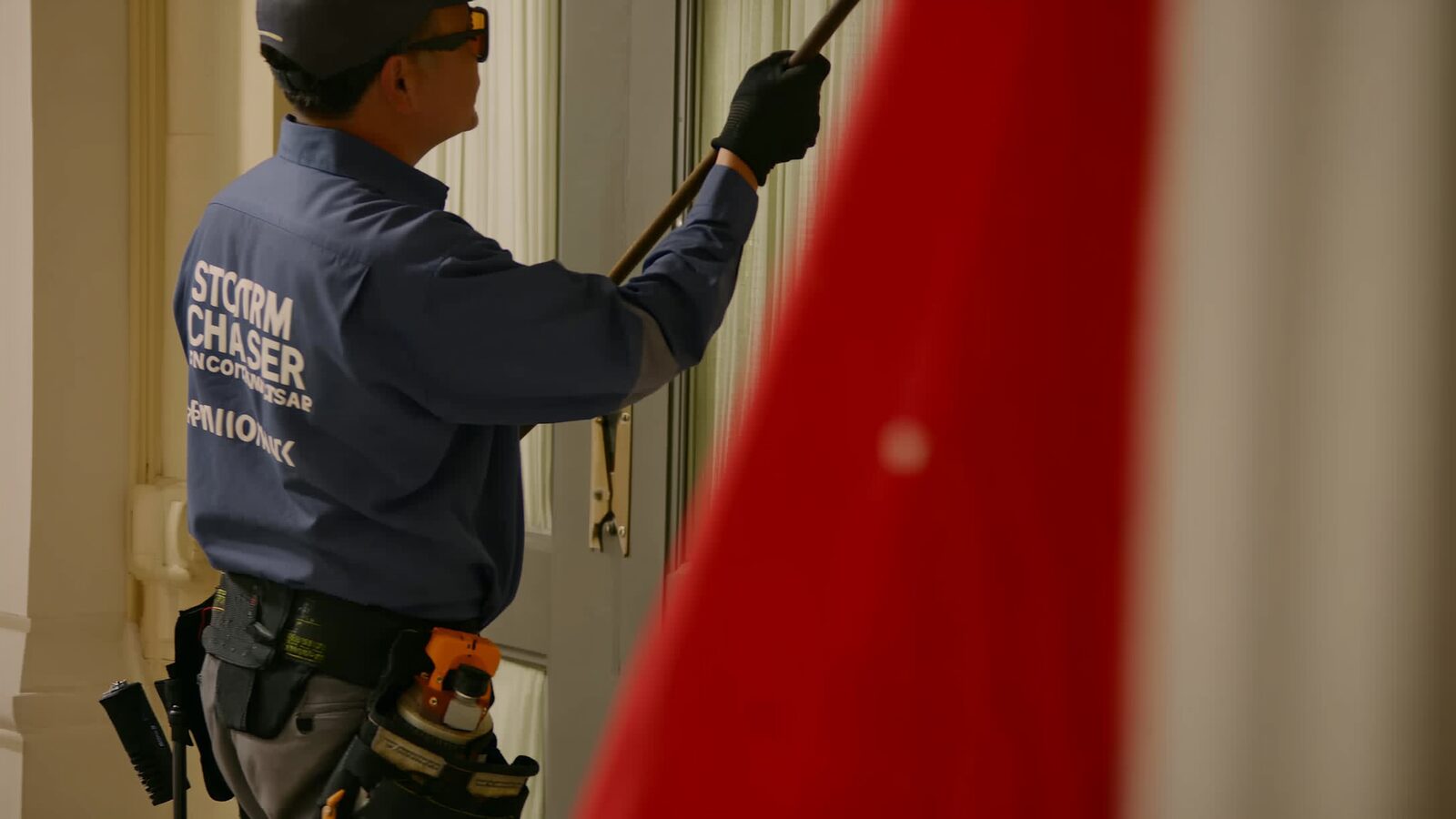
Red Flags of Storm Chaser Contractors After a Weather Event
Why contractors show up right after a storm
After a hailstorm, monsoon, or major wind event, it's common for out-of-town crews to move through affected neighborhoods offering free inspections and fast repairs. Some are legitimate businesses expanding their reach for a season. Others exist only to work storm damage: they arrive within days of the event, canvas a neighborhood block by block, and leave once the work dries up or the weather moves to another region. The pattern itself isn't proof of anything, but it's worth knowing the pattern exists so you can slow down and look closer before deciding who touches your home.
Signs worth pausing on
None of these alone means someone is dishonest, but a few of these together should make you slow down.
No local address or history
If the company can't point to a physical address you can visit, or their business seems to have appeared right around the time of the storm, that's worth noting. A local presence someone can find again in six months matters more than it might seem right now.
Pressure to sign today
Language like 'this price is only good if you sign right now' or 'we need to start before the next storm hits' is designed to shortcut your judgment. A legitimate assessment and a fair quote can survive you taking a day to think about it.
Asking for full payment up front
Requests for the entire job cost, or a very large deposit, before any work begins are a common pattern in storm-chasing schemes. Standard practice in restoration and reconstruction work involves payment tied to work completed, not paid entirely in advance.
Vague or missing license and insurance info
Any licensed contractor should be able to give you a license number you can look up yourself. In Arizona, contractor licenses are issued and searchable through the Arizona Registrar of Contractors. Hesitation or deflection here is a real signal.
Offering to handle your insurance claim for you
Be cautious of a contractor who wants to talk to your insurance adjuster directly, inflate the damage estimate, or offer to 'waive your deductible' by adjusting the invoice. This can cross into insurance fraud, and you are the one whose name is on the claim.
Door-to-door inspections with instant damage claims
Someone climbing onto your roof uninvited and coming down within minutes claiming extensive damage, before you've called your insurer or gotten a second opinion, is a pattern worth being skeptical of. Real damage assessment takes a careful look, not a glance.
Steps that protect you before you sign anything
Slow the process down enough to make a decision you won't regret. Document the damage yourself with photos and video before any repairs begin, even if it feels obvious. Get more than one written estimate, ideally from a company with a physical location and a license number you can verify. Call your insurance company directly rather than letting a contractor initiate that contact for you. Ask any contractor for references or past addresses where they've worked, and take the time to actually check on them. If a company refuses a written contract with a clear scope of work, that alone is reason enough to walk away.
What this looks like locally
Monsoon season brings sudden wind, hail, and heavy rain to the Phoenix metro, and it's not unusual for storm-related crews to move through neighborhoods in Mesa, Chandler, Gilbert, Queen Creek, and surrounding areas shortly after a significant weather event. Taking the time to verify a contractor's license, address, and insurance information matters just as much here as anywhere else, and there's no rule that says you have to decide who does the work on the same day someone knocks on your door. If water has already gotten into your home, understanding what happens in the hours right after matters more than picking a contractor in a hurry. Our guide on water damage restoration walks through what that process actually involves, and our fire damage restoration page covers the parallel process if fire or smoke was part of the damage.
Questions people ask us
Is it illegal for contractors to knock on doors after a storm?
Door-to-door solicitation itself is legal in most areas, though some cities and HOAs have their own rules about it. The legal problems come in when a contractor misrepresents damage, pressures someone into a contract, or interferes with an insurance claim in a fraudulent way.
How do I verify a contractor's license in Arizona?
Arizona contractor licenses are issued by the Arizona Registrar of Contractors (ROC), and license status can be looked up through their public records. Any licensed contractor should be able to give you their ROC number without hesitation.
Should I let a contractor talk to my insurance adjuster for me?
You are not required to let a contractor communicate with your insurer on your behalf. It's reasonable to want a contractor present during an inspection to point out damage, but the claim itself, and any communication about coverage or payout, should go through you.
What should I do if I already signed a contract with a company I'm now unsure about?
Many states have a legally required cancellation window for door-to-door sales contracts, often a few days. Review the paperwork for cancellation terms, and consider getting a second, independent opinion on the damage before any work begins.
The standard our team works to
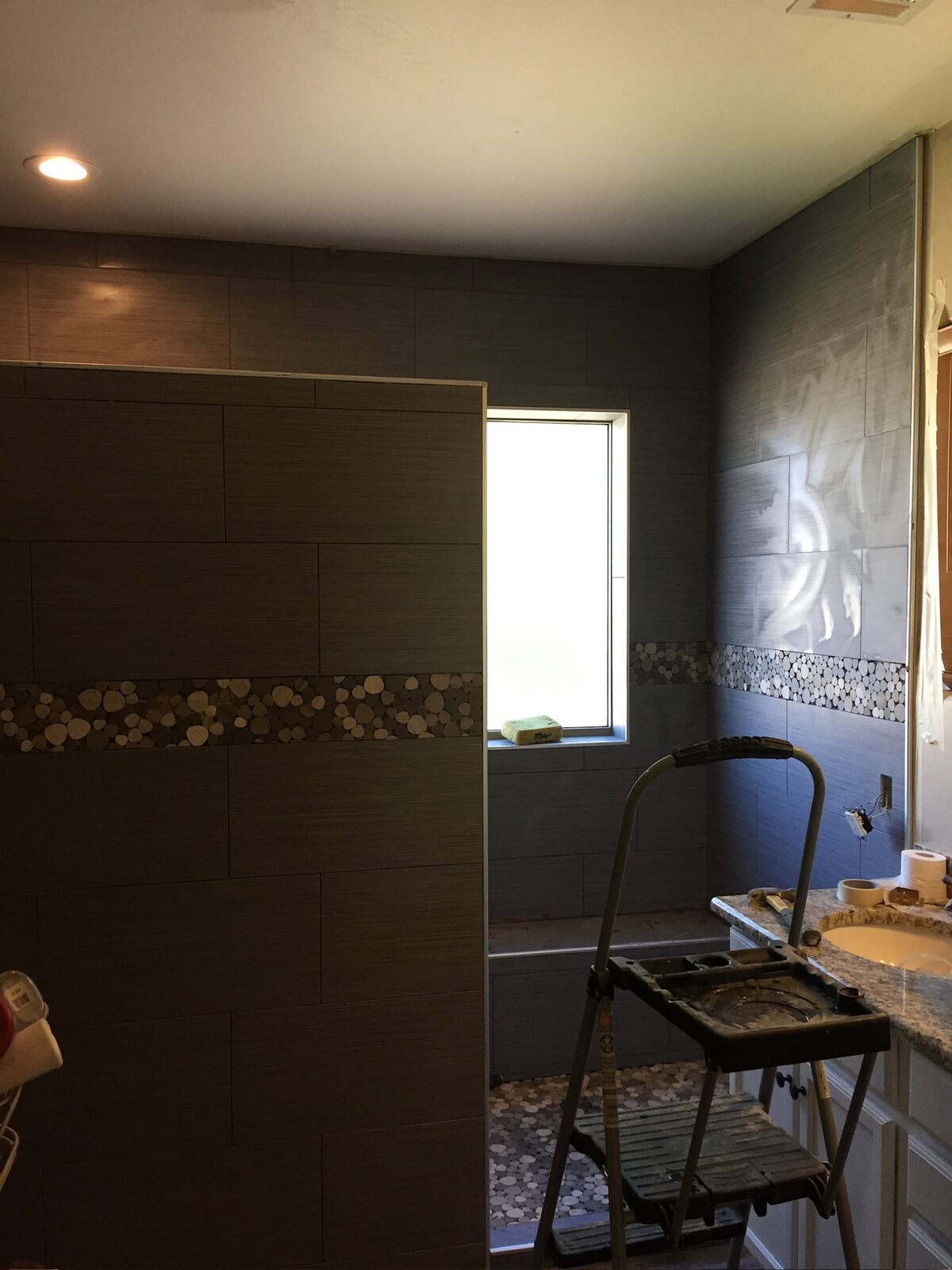
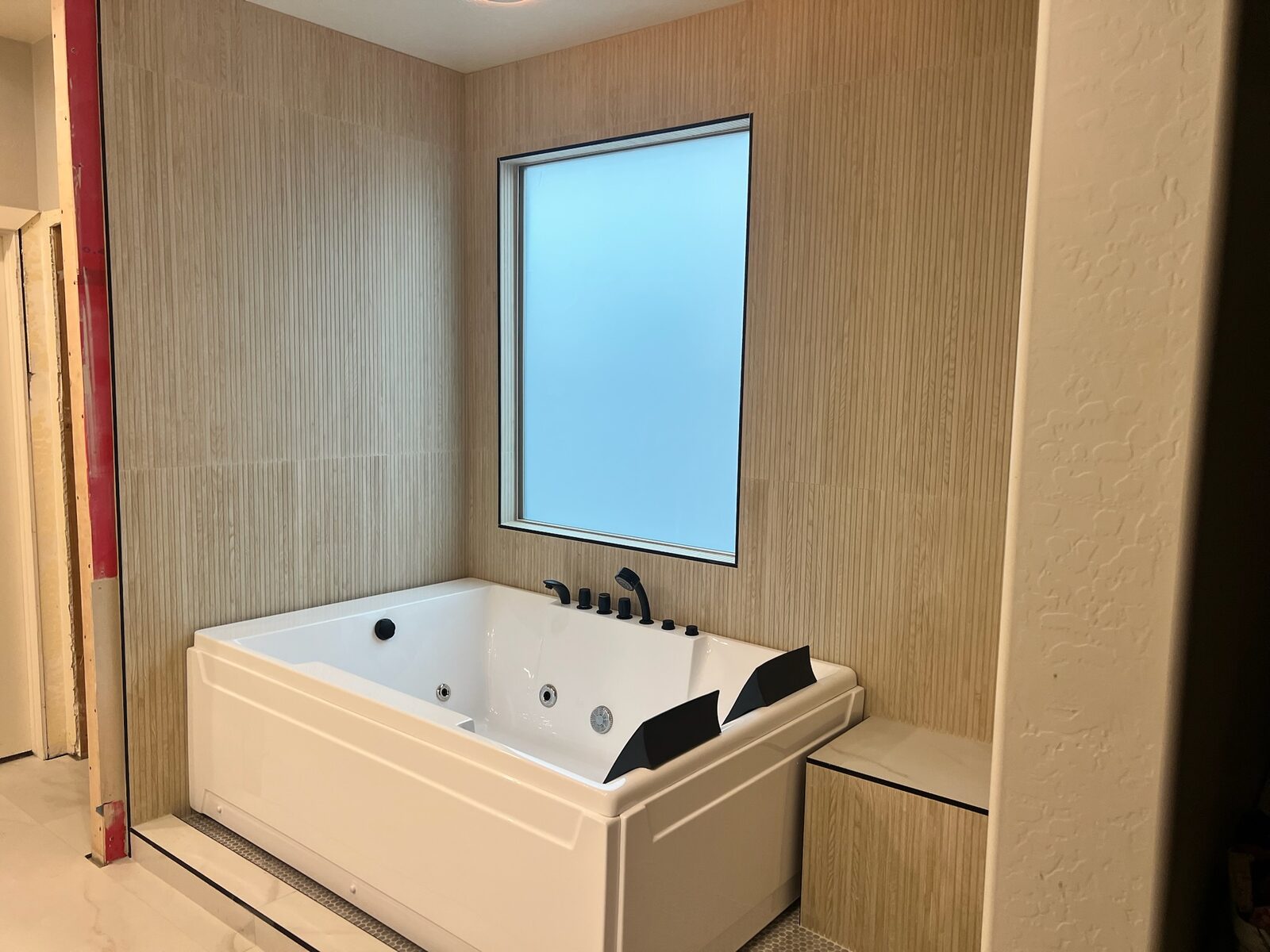
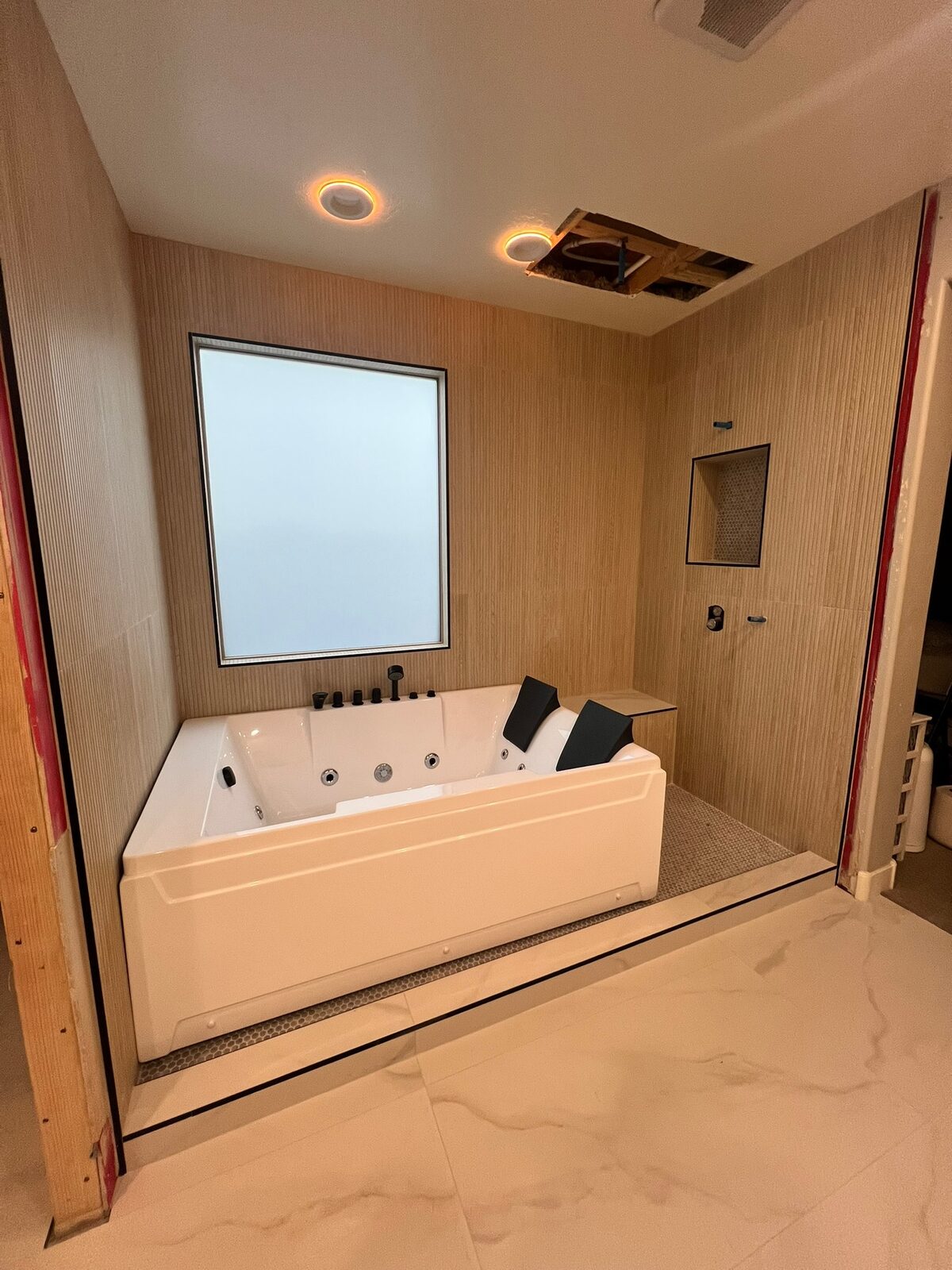
Residential reconstruction work by members of our team. See the full gallery →
More from Gold Water Fire
Abrasive Cleaning Methods for Soot on Framing and Masonry
A look at how abrasive cleaning methods remove soot from wood framing and masonry after a fire, and when each method fits the material.
AC Condensate Line Clogs & the Water Damage They Cause in Phoenix Homes
Why Phoenix AC condensate lines clog every summer, what the water damage looks like, and how to find the source before the ceiling stain spreads again.
Actual Cash Value vs Replacement Cost: Why Your Check Might Not Match the Repair Bill
Confused why your insurance check seems short after fire or water damage? Learn the difference between actual cash value and replacement cost coverage.
Not sure if a quote you received makes sense?
If you want a second opinion on storm damage in the Phoenix area, Gold Water Fire is glad to take a look and walk you through what we see, no pressure attached. Call (480) 999-3339 or reach out through our contact page.
Call (480) 999-3339Water Damage Restoration · Fire Damage Restoration · Reconstruction & Rebuild · About Gold Water Fire · Contact Us