
Desiccant vs Refrigerant Dehumidifiers: Why the Equipment Changes With Conditions
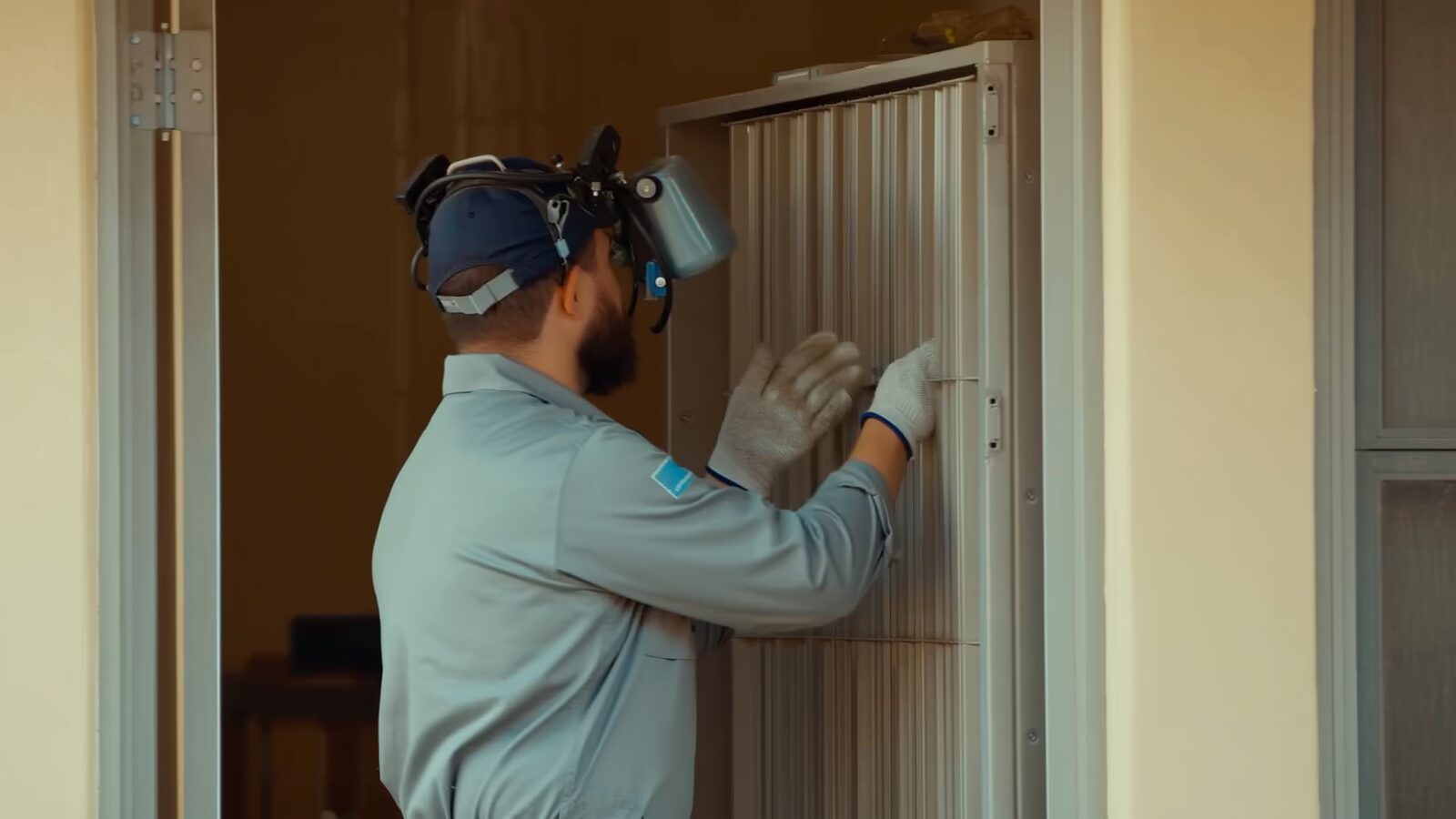
If you've watched a drying crew swap out equipment halfway through a job, or wondered why the machines running in your house look different from the ones a neighbor had after their own water event, you're not imagining a difference. It can feel unsettling when the plan seems to change mid-stream, especially when you're already trying to keep track of insurance calls, moisture readings, and a timeline nobody has fully explained. Not understanding why the drying process looks a certain way, or why it seems to shift, is its own kind of stress on top of the damage itself.
Desiccant vs Refrigerant Dehumidifiers: Why the Equipment Changes With Conditions
Two ways to pull moisture out of the air
Both types of dehumidifier are trying to do the same job: remove water vapor from the air so wet materials can release their moisture faster. They just get there differently. A refrigerant dehumidifier works like a small air conditioner. It pulls in air, passes it over a cold coil, and condenses the moisture out as liquid water, which drains away or collects in a tank. A desiccant dehumidifier uses a material, often a rotating wheel coated in a moisture-absorbing substance, that pulls water vapor directly out of the air without needing to cool it first. The dry air comes out warmer than it went in, while the desiccant wheel gets reactivated and vents the collected moisture elsewhere.
Temperature and humidity change which one works
Refrigerant units are efficient and quieter, but they lose effectiveness as temperatures drop. Below roughly 60 to 65 degrees Fahrenheit, the cold coil can frost over instead of condensing water, which slows or stops the drying process. Desiccant units don't rely on temperature the same way. They keep pulling moisture out of the air even in cold spaces, unheated garages, or areas where the ambient temperature has dropped because windows or walls were opened up for access. That's a big part of why a crew might bring in desiccant equipment for a cold crawlspace or a winter job, and rely on refrigerant units in a warm, closed-up living space.
What conditions usually decide the equipment mix
A few things tend to drive the decision on any given job. Ambient temperature is the biggest one, since it directly affects whether a refrigerant unit can keep condensing water. The size and airtightness of the space matters too: a large open area with a lot of wet material may need the higher grain depression a desiccant system can produce to keep pulling moisture from dense materials like hardwood or plaster. Outdoor humidity plays a role as well, particularly in a climate like the Phoenix metro area, where dry outside air can sometimes be used to ventilate a space instead of running mechanical dehumidification at all. Crews also watch how materials are drying: if moisture readings plateau, that's often a sign the current equipment mix isn't creating enough of a moisture gradient and something needs to change.
Signs the setup in your home might shift
It's common, not a sign that something went wrong, for equipment to change over the course of a dry-out. A job that starts with refrigerant units might add desiccant equipment if temperatures drop overnight, if a crawlspace or attic gets added to the affected area, or if moisture readings in wall cavities aren't dropping as expected. Conversely, a job that started with desiccant units for a cold or damp start might shift toward refrigerant equipment once the space warms up and the bulk of standing water is gone. None of this means the drying plan failed. It usually means the people monitoring the job are adjusting to what the moisture meters are actually telling them, rather than running the same setup on a fixed schedule.
Questions people ask us
Is one type of dehumidifier just better than the other?
Not universally. Refrigerant units are generally quieter and use less energy in warm, moderate-humidity spaces. Desiccant units cost more to run but keep working in cold or very dry conditions where refrigerant units struggle. The right choice depends on the specific space and conditions, not on one machine being superior overall.
Why does the air coming out of a desiccant dehumidifier feel warm?
The process of reactivating the desiccant material and driving off the moisture it absorbed generates heat, so the dry air exiting the unit is typically warmer than the air going in. This is normal and expected, not a malfunction.
Can the wrong dehumidifier actually slow down drying?
Yes. Running a refrigerant unit in a space that's too cold can cause the coil to frost and stop removing moisture effectively, which can stall a dry-out even though the machine is running. That's why equipment sometimes needs to be reassessed partway through a job.
Does Phoenix's climate change how drying equipment is used?
Dry outdoor air in the Phoenix metro area can sometimes reduce the need for heavy mechanical dehumidification, but indoor conditions during a water event, closed-up rooms, running air conditioning, damp materials, still drive the equipment decisions on any given job.
The standard our team works to
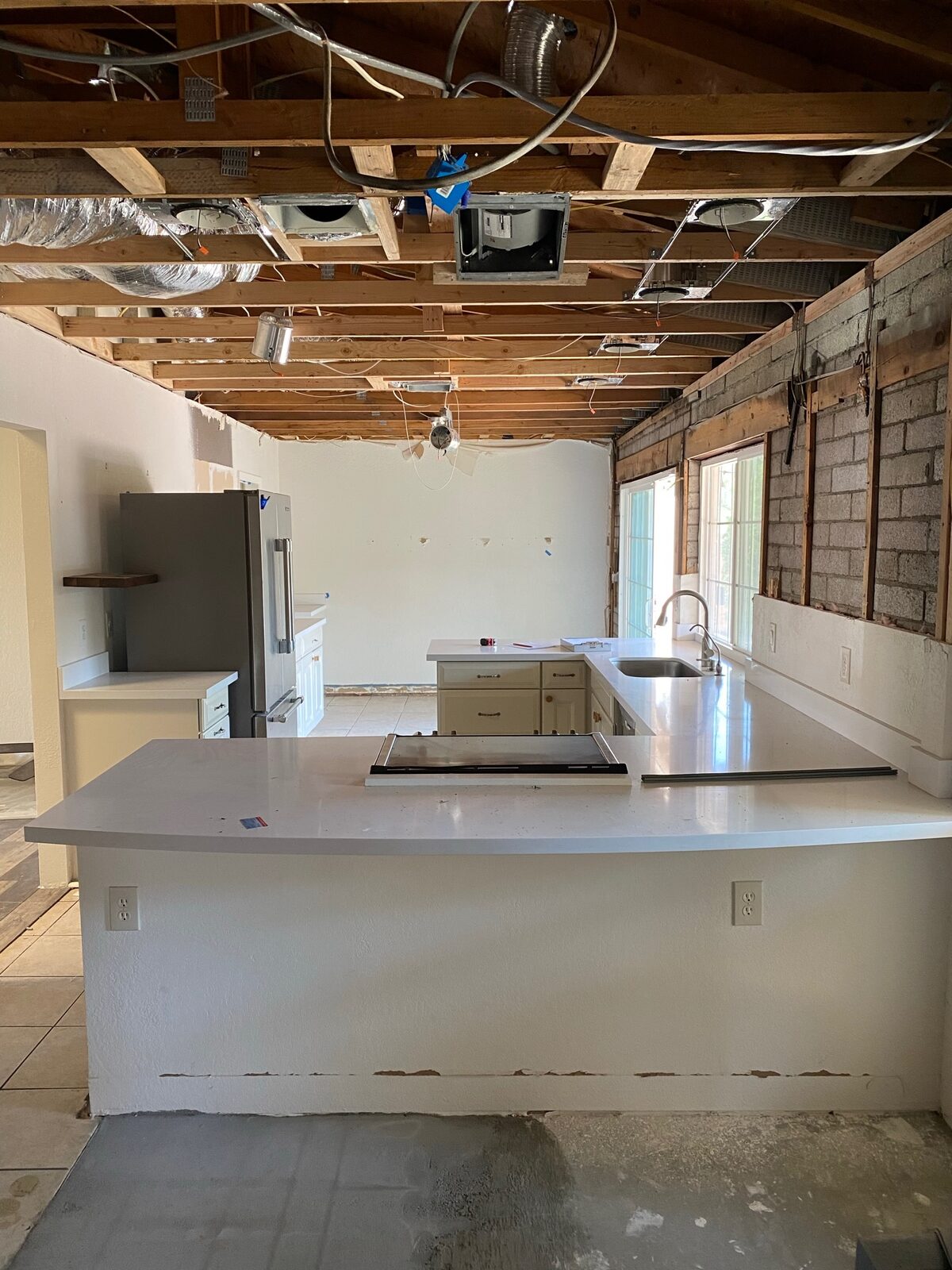
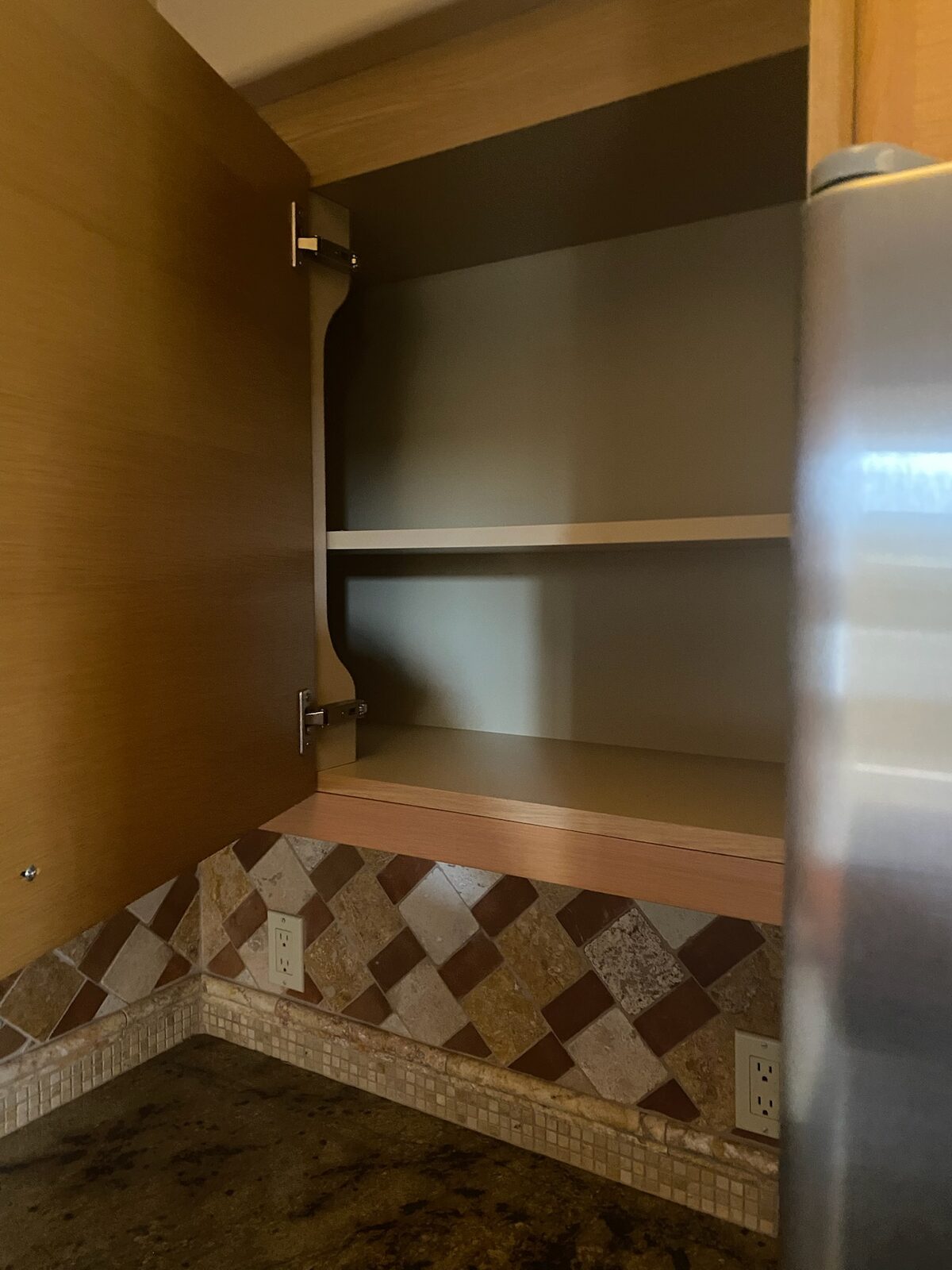
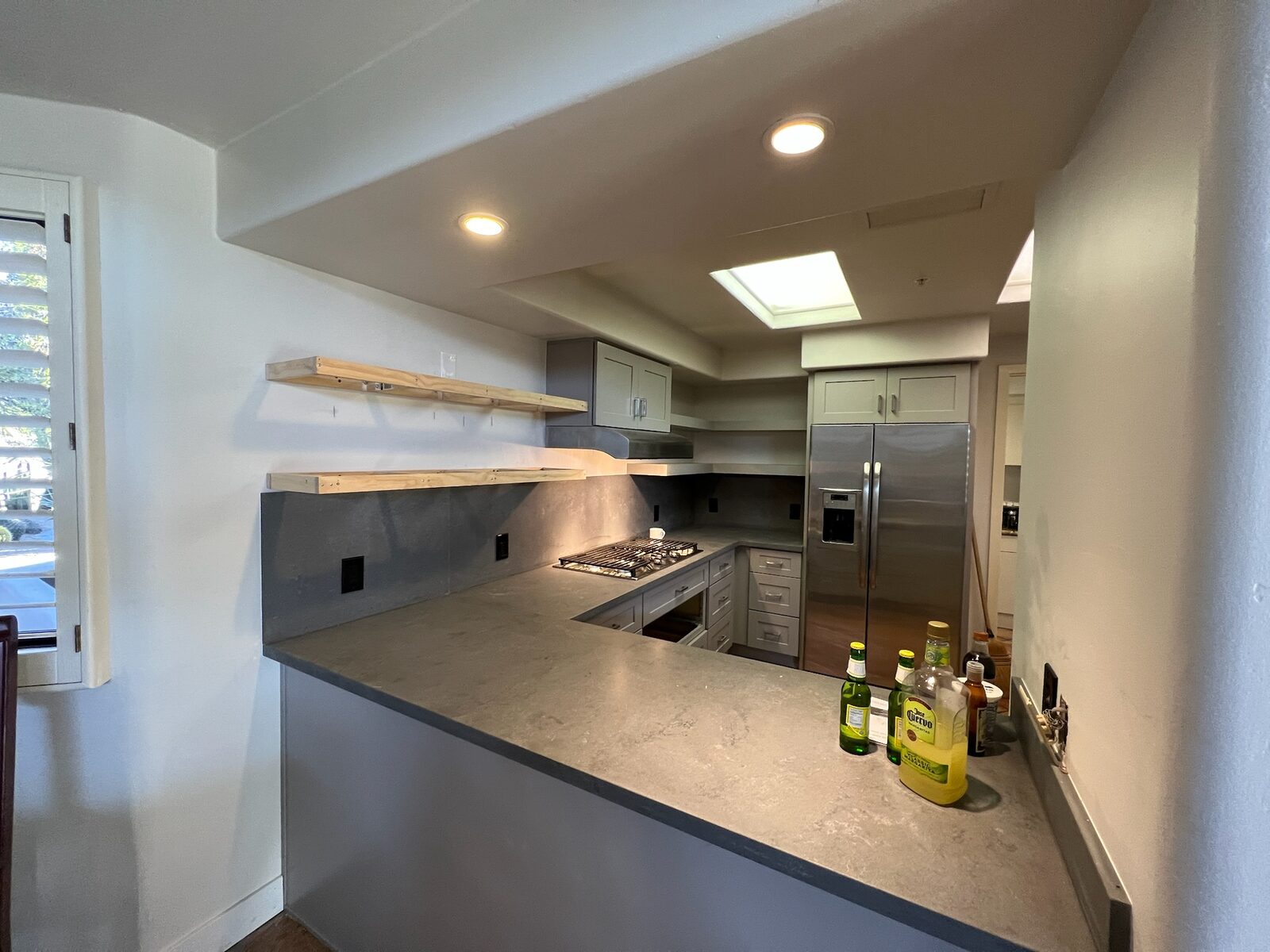
Residential reconstruction work by members of our team. See the full gallery →
More from Gold Water Fire
Abrasive Cleaning Methods for Soot on Framing and Masonry
A look at how abrasive cleaning methods remove soot from wood framing and masonry after a fire, and when each method fits the material.
AC Condensate Line Clogs & the Water Damage They Cause in Phoenix Homes
Why Phoenix AC condensate lines clog every summer, what the water damage looks like, and how to find the source before the ceiling stain spreads again.
Actual Cash Value vs Replacement Cost: Why Your Check Might Not Match the Repair Bill
Confused why your insurance check seems short after fire or water damage? Learn the difference between actual cash value and replacement cost coverage.
Not sure what your space needs right now
If you're watching equipment change in your own home and want it explained in plain terms, Gold Water Fire is available to walk through what's happening and why. Reach the team at (480) 999-3339 or Help@goldwaterfire.com.
Call (480) 999-3339Water Damage Restoration · About Gold Water Fire · Contact Gold Water Fire