
Duct Replacement vs Cleaning After Damage: How the Call Gets Made
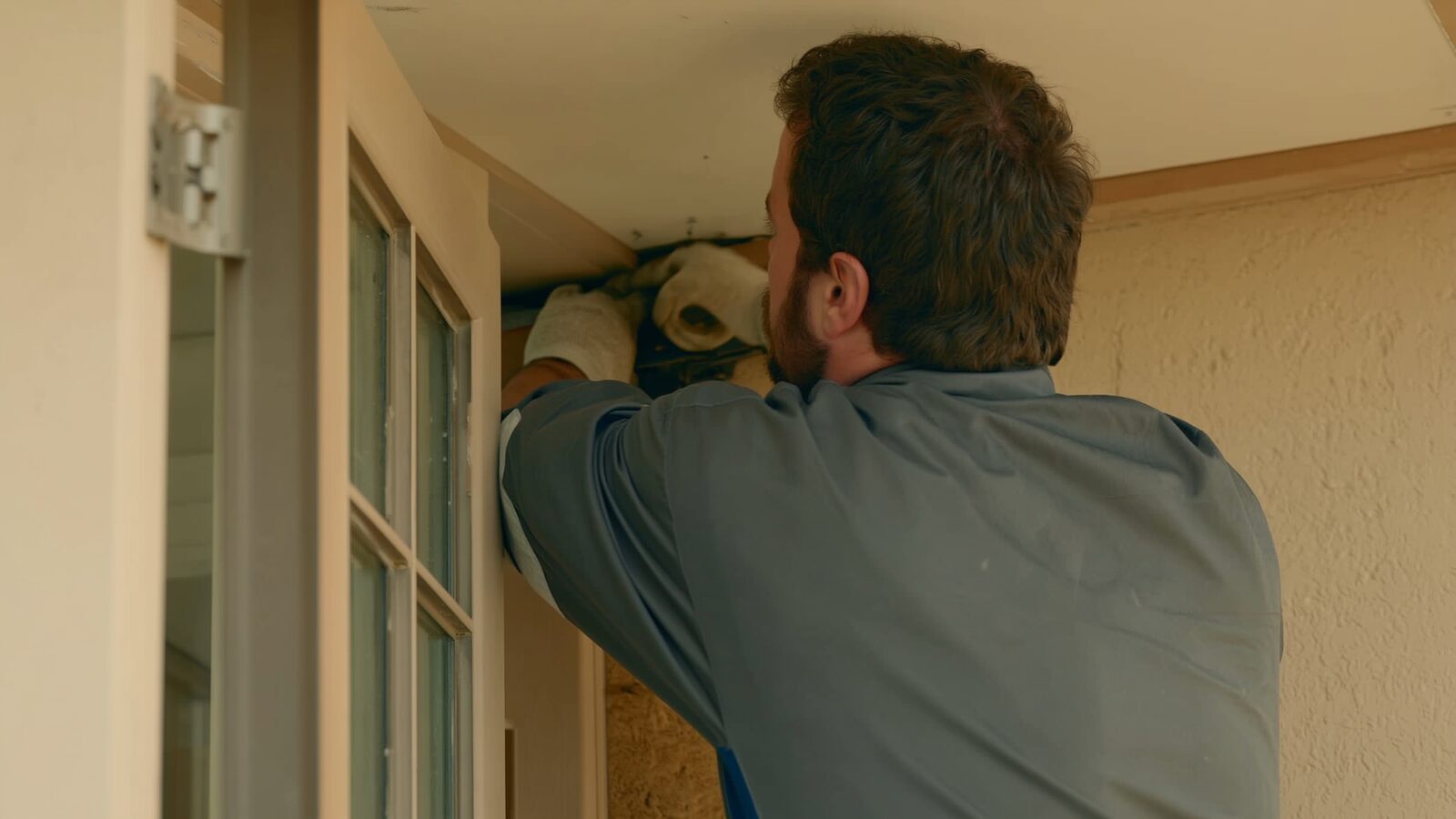
There's a particular kind of frustration in staring up at your ductwork after a leak or a fire, trying to figure out if it's fine or if it's quietly contaminating the air in every room it feeds. Nobody hands you a clear rule for this. You're left wondering if you're overreacting to a musty smell, or underreacting to something that's going to cause problems for years. That uncertainty is exhausting on top of everything else you're already dealing with.
Duct Replacement vs Cleaning After Damage: How the Call Gets Made
Why this isn't a simple yes-or-no question
Ductwork doesn't fail the same way twice. A duct that got a little humid during a slow leak behaves nothing like one that sat in standing water for three days, or one that pulled smoke and soot through its return lines during a fire. The material matters too. Sheet metal ducts respond differently than flexible ducting or duct board, which has an insulating layer that can absorb and hold contamination in a way metal doesn't. So the honest answer to 'clean or replace' is always: it depends on what happened, where, and to what kind of duct. Anyone who gives you a flat answer without asking those questions is guessing.
What actually gets inspected
A real assessment usually works through a few specific checks: the duct material and construction, how long moisture or smoke was present, whether there's visible microbial growth or heavy soot residue, whether insulation inside the duct (if it's duct board or lined metal) got wet, and how accessible the runs are for either cleaning equipment or removal. Cameras and moisture meters are common tools for looking inside runs without tearing open every joint. The goal is to find out not just that there's a problem, but how deep it goes.
When cleaning is enough
Cleaning tends to hold up when the duct material itself is non-porous (bare sheet metal, for example), the exposure was brief, and there's no sign of active microbial growth or structural residue baked into the surface. Professional duct cleaning after damage isn't the same as a routine dust cleaning: it typically involves negative-pressure equipment, agitation tools to dislodge residue from duct walls, and sometimes antimicrobial treatment on surfaces, followed by verification that the contamination is actually gone, not just pushed further down the line.
When replacement is the right call
Replacement becomes the safer answer when ducts are made of porous or lined material that absorbed moisture or smoke, when standing water sat in a run long enough for growth to take hold, when soot has permeated seams and joints in a way cleaning tools can't reliably reach, or when the ductwork was already old or damaged before the event and the added stress pushes it past a reasonable repair point. In these cases, cleaning can look successful on the surface while leaving contamination inside material that can't be fully cleaned, only removed.
How the two options actually get weighed
In practice, the decision usually comes down to comparing the cost and disruption of replacement against the real, verifiable outcome of cleaning. If testing after a cleaning attempt still shows contamination, or if the duct material can't be inspected thoroughly enough to confirm it's clean, replacement stops being the more expensive option and starts being the only option that actually solves the problem. This is also where whole-house context matters. If a water event affects ductwork alongside flooring, drywall, or structural elements, the duct decision often gets made as part of a broader water damage restoration plan rather than in isolation. The same is true after fire, where soot in ductwork is frequently part of a larger fire damage restoration assessment, and where duct replacement can overlap with other reconstruction work already underway in the home.
Questions people ask us
Can I just smell or look at the ducts myself to decide?
You can catch obvious red flags this way, like a strong musty smell at vents or visible soot around registers, but you can't see inside duct board insulation or into sealed joints. A real assessment usually involves camera inspection or moisture testing inside the runs, not just a look at the accessible parts.
Does flexible ducting get treated differently than metal?
Yes. Flexible duct has more seams, more surface texture for residue to cling to, and in many cases an inner liner that can hold moisture or soot in ways smooth sheet metal doesn't. That makes it more likely to end up on the replacement side of the decision when there's been significant exposure.
If part of the duct system is fine, does the whole system need attention?
Not necessarily. Damage assessments are usually done run by run, since a leak or fire event often affects some sections much more than others. It's common for part of a system to be cleaned and another part replaced within the same job.
How do I know if a cleaning actually worked?
A legitimate cleaning process should include some form of verification afterward, whether that's a visual re-inspection with a camera or a check for lingering odor and residue. If nobody checks the result, there's no real way to know the contamination didn't just get redistributed.
The standard our team works to
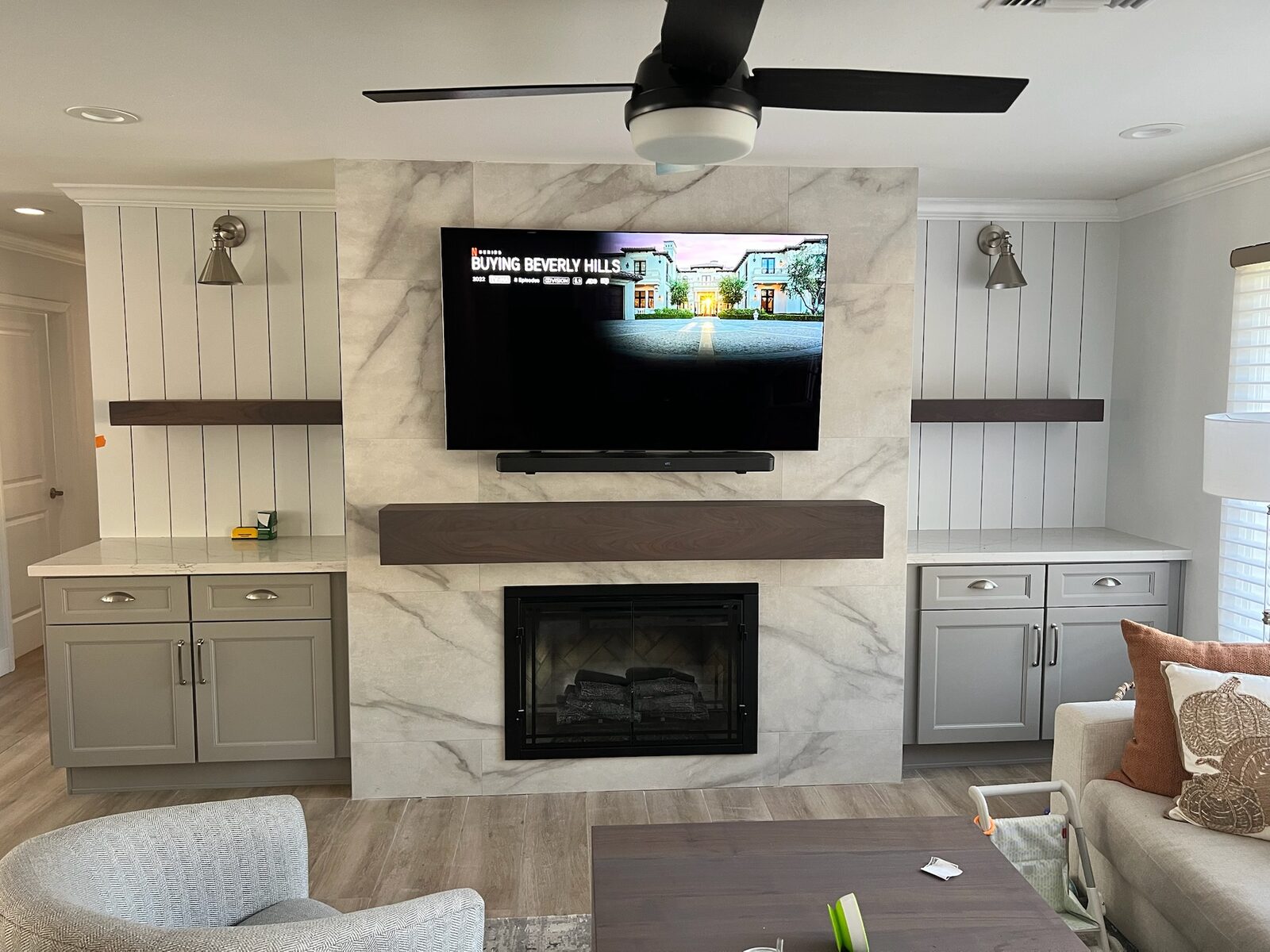
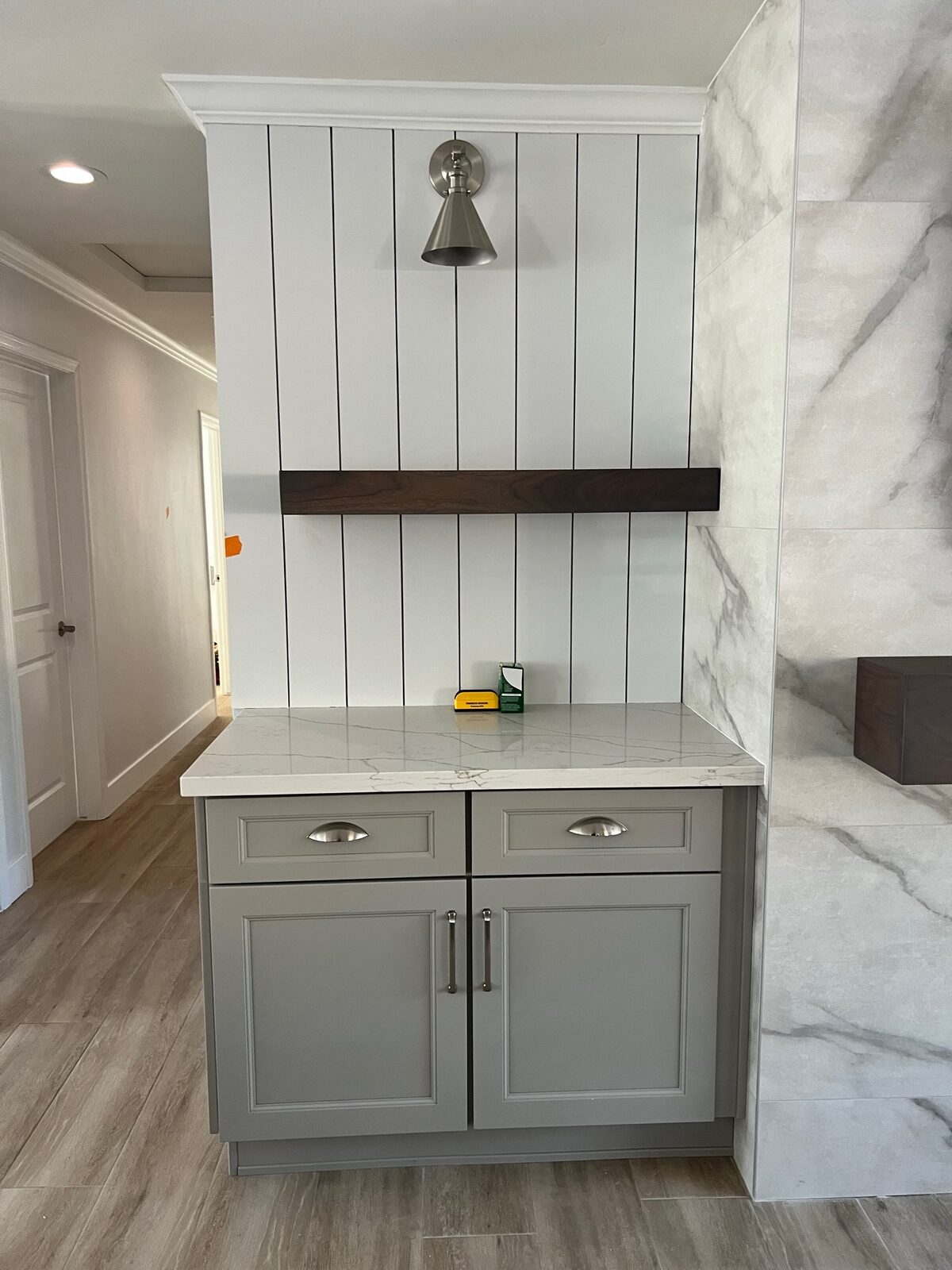
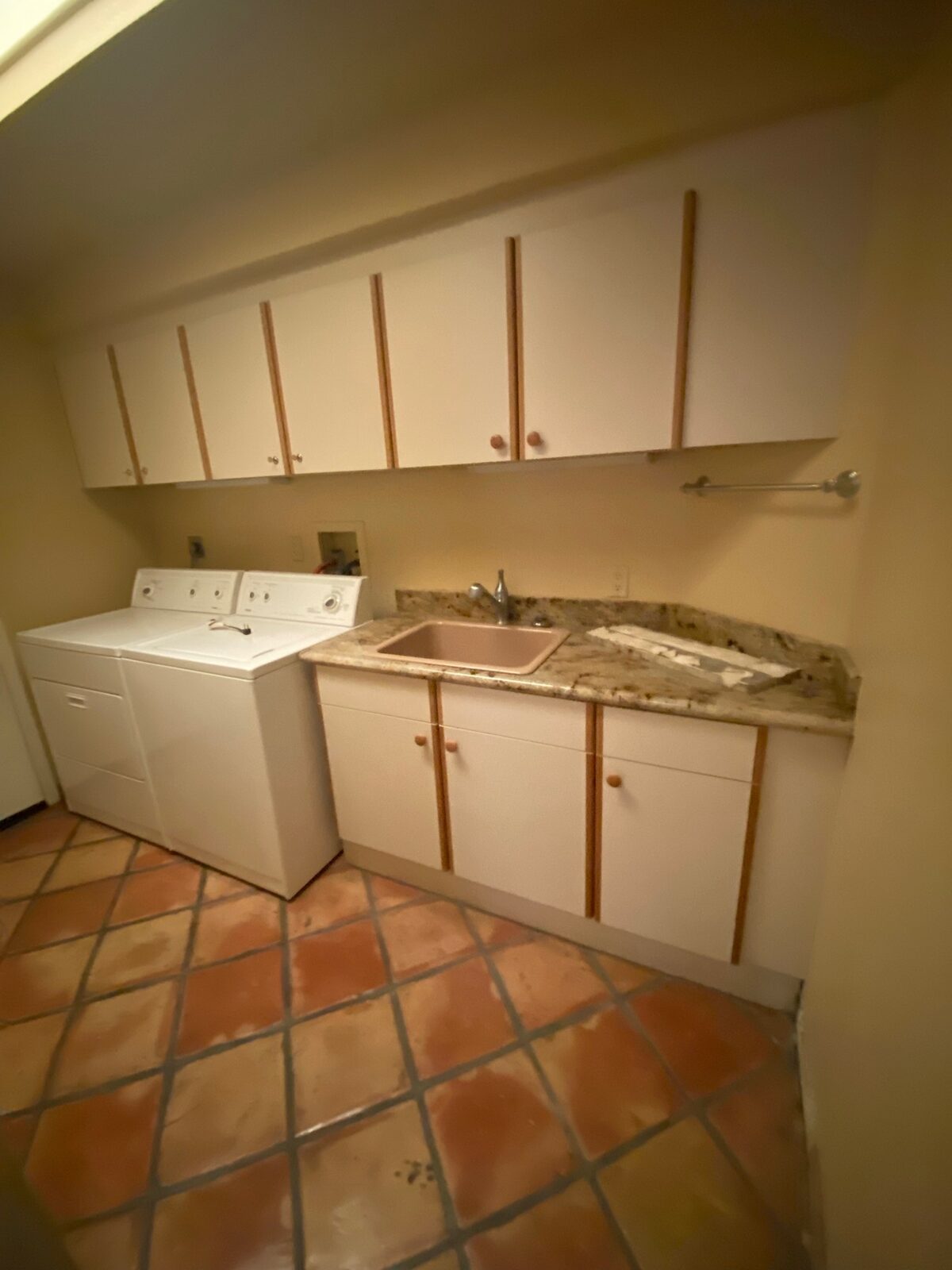
Residential reconstruction work by members of our team. See the full gallery →
More from Gold Water Fire
Abrasive Cleaning Methods for Soot on Framing and Masonry
A look at how abrasive cleaning methods remove soot from wood framing and masonry after a fire, and when each method fits the material.
AC Condensate Line Clogs & the Water Damage They Cause in Phoenix Homes
Why Phoenix AC condensate lines clog every summer, what the water damage looks like, and how to find the source before the ceiling stain spreads again.
Actual Cash Value vs Replacement Cost: Why Your Check Might Not Match the Repair Bill
Confused why your insurance check seems short after fire or water damage? Learn the difference between actual cash value and replacement cost coverage.
Not sure what your ductwork needs after damage?
Gold Water Fire can take a look at what happened in your home and help you understand whether cleaning or replacement actually fits the situation. Call (480) 999-3339 or reach out through our contact page to talk it through.
Call (480) 999-3339Water Damage Restoration · Fire Damage Restoration · Reconstruction & Rebuild · Contact Gold Water Fire