
How to Work With Your Insurance Adjuster During the Reconstruction Phase of a Claim
The drying equipment is gone. The demo is done. Someone told you weeks ago that the rebuild was the easy part, and yet here you are, still living around a plywood subfloor and a hallway that ends in bare studs, holding a spreadsheet you did not write, in a program you have never used, describing your own house in line items you do not recognize. You are not confused because you missed something. This part of a claim genuinely does not explain itself. Payments arrive in pieces with no note attached. A number changes and nobody calls to say why. You keep asking a question and getting an answer that is technically responsive and somehow still leaves you exactly where you were. If you have been quietly wondering whether you are doing this wrong, sit with the more likely explanation first: the process was built for the people inside it, not for the person who lives in the house.
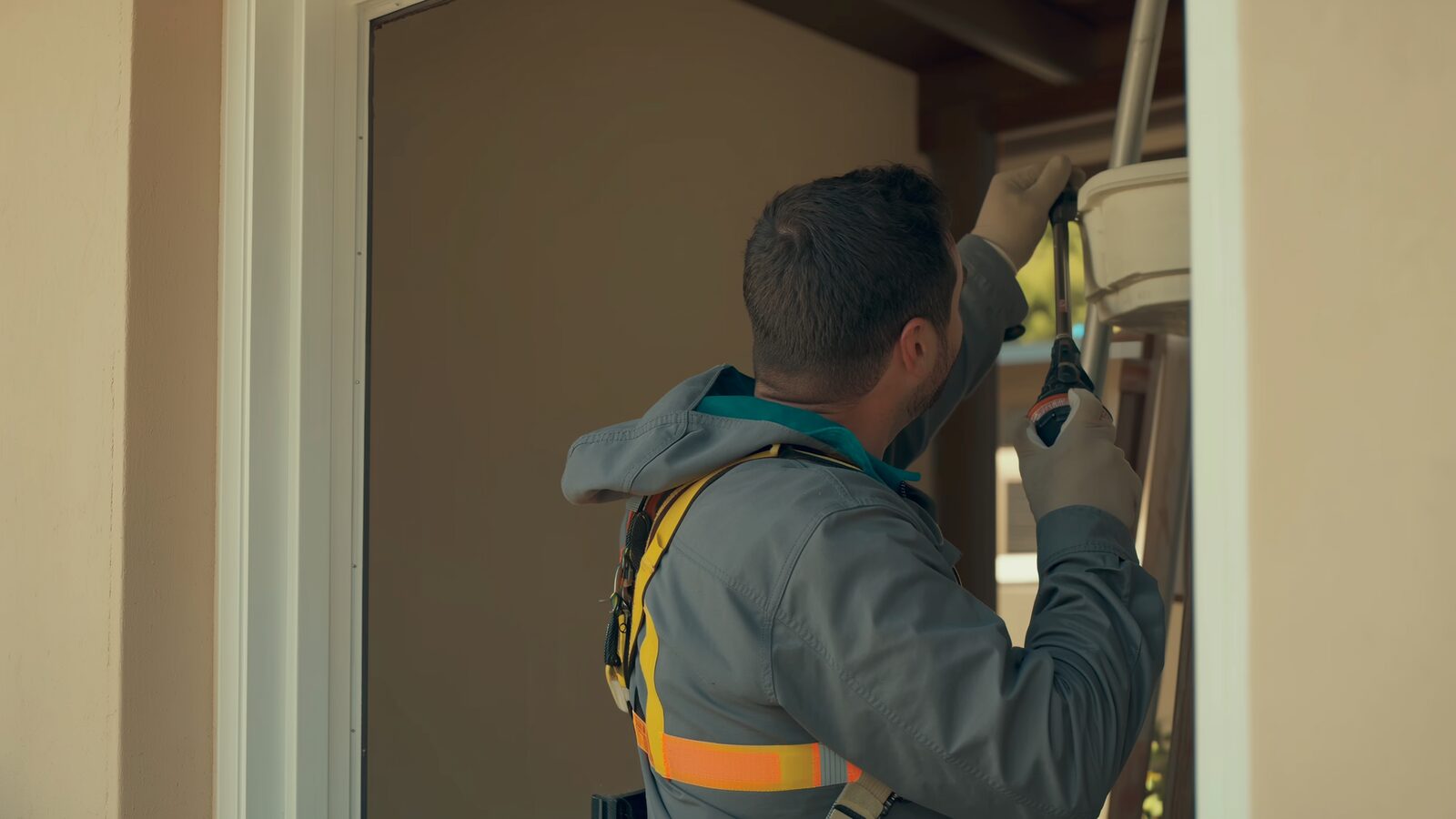
How to Work With Your Insurance Adjuster During the Reconstruction Phase of a Claim
Reconstruction is a second claim conversation, not a continuation of the first
The mitigation phase and the reconstruction phase are usually handled as two different discussions, and that is the source of most of the confusion homeowners feel here. Mitigation is emergency work: stop the water, remove what is unsalvageable, dry the structure, control contamination. It is often billed on an industry pricing schedule and it moves fast because it has to. Reconstruction is different. It is a construction estimate, built line by line, room by room, and it has to describe work that has not happened yet. That means somebody has to write down every single thing your house needs before anyone can agree on what it costs. Baseboard by the linear foot. Drywall by the square foot. Texture, prime, two coats of paint, each as its own line. If a line is not written, it is not funded, and no one is going to notice the omission on your behalf, because the estimate is not a description of your house, it is a description of what someone believes your house needs. Those are not the same document. Understanding that one distinction explains most of what has felt arbitrary so far.
The words that keep appearing, in plain language
You do not need to learn the whole insurance vocabulary. You need about six terms, because these are the ones that quietly control how much money reaches your rebuild and when.
Scope
The written list of every repair item, with quantities. Not a price, a description. Almost every disagreement that looks like a price argument is actually a scope argument: two people describing different amounts of work and comparing the totals.
ACV and RCV
Actual cash value is replacement cost minus depreciation, and it is usually what the first check covers. Replacement cost value is the full amount. On a replacement cost policy, the difference is generally held back until the work is actually completed and documented.
Recoverable depreciation
The withheld portion. It is typically released after you show the work was done, often with a final invoice and photos. Many homeowners assume the first check is the whole settlement and plan the rebuild around a number that was never meant to be the total.
Supplement
A request to add to the approved scope when something is found that the original estimate did not include. Hidden rot behind a shower pan. Wiring that will not pass inspection. Supplements are a normal part of reconstruction, not an accusation that anyone did the estimate badly.
Overhead and profit
An allowance recognizing that a job involving multiple trades needs someone coordinating them. Whether it applies depends on the policy and the complexity of the job. It is a common point of discussion, and it is a legitimate one to raise.
Matching and code upgrade
Two separate questions. Matching asks what happens when the discontinued tile in your kitchen cannot be bought anymore. Code upgrade asks who pays when current code requires something the old construction did not have. Policies handle both very differently, so read yours.
What actually moves a reconstruction claim forward
Not volume, and not persistence for its own sake. What moves a reconstruction claim is documentation that makes agreement easy. A few habits that consistently help: Put everything in writing, even the phone calls. After a call, send a short email: here is what I understood us to have agreed on. That one email converts a conversation into a record, and it gives the adjuster a chance to correct you cheaply if you misheard. Ask for the estimate as a file, not a summary. Request the full line item estimate, every page. Then read it against your own walkthrough. Walk each room and ask a simple question: is everything that has to be touched written here? Ceilings get missed. So does paint on the side of a wall that was only half opened. Ask why, not just how much. If a line is priced lower than a contractor bid, the useful question is not "can you raise it," it is "what quantity and what materials is this line assuming?" Nine times out of ten the gap is a quantity or a material grade, and once that is named the number resolves itself. Keep the photo record building. Photos of open walls before they close are worth more than any argument later. Once drywall goes up, the evidence for a supplement is gone. Do not let the file go quiet. Claims stall in silence, not in disagreement. A brief written check-in with a specific question is more effective than a long one with none. And know that you are allowed to have your contractor speak to scope directly. A contractor and an adjuster comparing line items in the same language usually resolve things faster than a homeowner relaying between them. Our reconstruction and rebuild work is built around that kind of documentation, and it follows naturally from the water damage and fire damage side of a loss.
The pressure points nobody warns you about
A few patterns show up again and again in Phoenix area rebuilds, and knowing them ahead of time takes some of the sting out. The gap between the check and the bid. The first payment is often ACV, so it will look short. That is expected, not a denial. Ask specifically what is being withheld as recoverable depreciation and what triggers its release. The scope that stops at the visible edge. Water travels. In a slab home, it can move under cabinet toe kicks and along the base of interior walls well past the room where it started. An estimate written from what was visible on day one will not include what the drying process later exposed. That is what supplements exist for. Stucco, tile, and matching. Older Phoenix homes frequently have discontinued tile and stucco textures that a patch will never truly match. Raise it early, while the scope is still being written, not after the tile is set. Monsoon season timing. Roof related losses cluster, adjuster caseloads climb, and everything takes longer in July and August. It is not personal and it is not your file being ignored, but it does mean written follow ups matter more. The mortgage company. If your loss is large, the insurance check may be made out to you and your lender, and the lender may release funds in stages tied to inspections. This surprises people at the worst possible moment. Call your mortgage servicer early and ask what their draw process looks like, before you need the money. Deadlines in the policy. Most policies contain time limits for completing repairs and claiming withheld depreciation. They are in the policy language, they are enforceable, and they are easy to miss while you are living somewhere else and just trying to get through the week.
Questions people ask us
Can I choose my own contractor for the rebuild?
In general, yes. Insurers commonly maintain preferred vendor programs and will suggest one, but the decision about who repairs your property is typically yours as the homeowner. What the insurer controls is the amount they will pay, which comes back to the scope. If you choose your own contractor, the useful step is getting that contractor and the adjuster comparing line items directly, so both sides are describing the same work in the same terms.
Why is the contractor's bid higher than the insurance estimate?
Usually because the two documents describe different amounts of work, not because one of them is wrong. Insurance estimates are often written from an initial inspection, before walls are opened. A contractor bidding the actual rebuild is pricing what is really there, including access, code requirements, and details the first walkthrough could not see. Ask for both documents side by side and compare quantities line by line. Most gaps turn out to be a missing item or a different assumption about materials.
What is a supplement and will asking for one hurt my claim?
A supplement is a request to add work to the approved scope after something is discovered that the original estimate did not include, such as rot found behind a wall or wiring that will not pass inspection. Supplements are a routine part of reconstruction. They are strongest when they arrive with photos taken before the area was closed up, a clear description of what was found, and pricing in the same format as the original estimate.
How do I get the withheld depreciation released?
On a replacement cost policy, the held back portion is generally paid after the repairs are actually completed. Insurers usually want proof: a final invoice showing the work performed, photos of the completed areas, and sometimes lien waivers or permit sign offs. Ask your adjuster in writing exactly what documentation they need and whether there is a deadline for submitting it, since many policies set one.
The standard our team works to
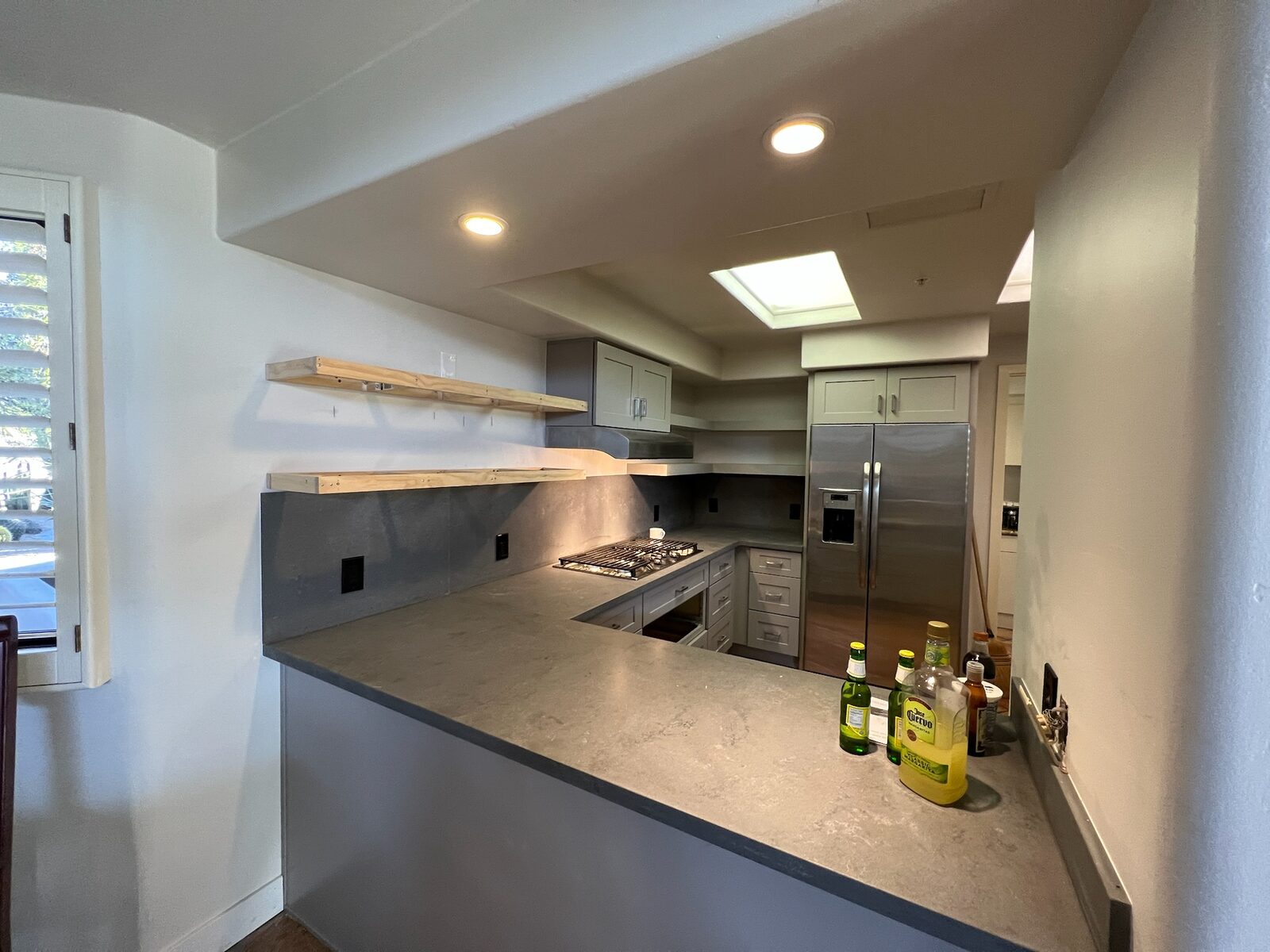
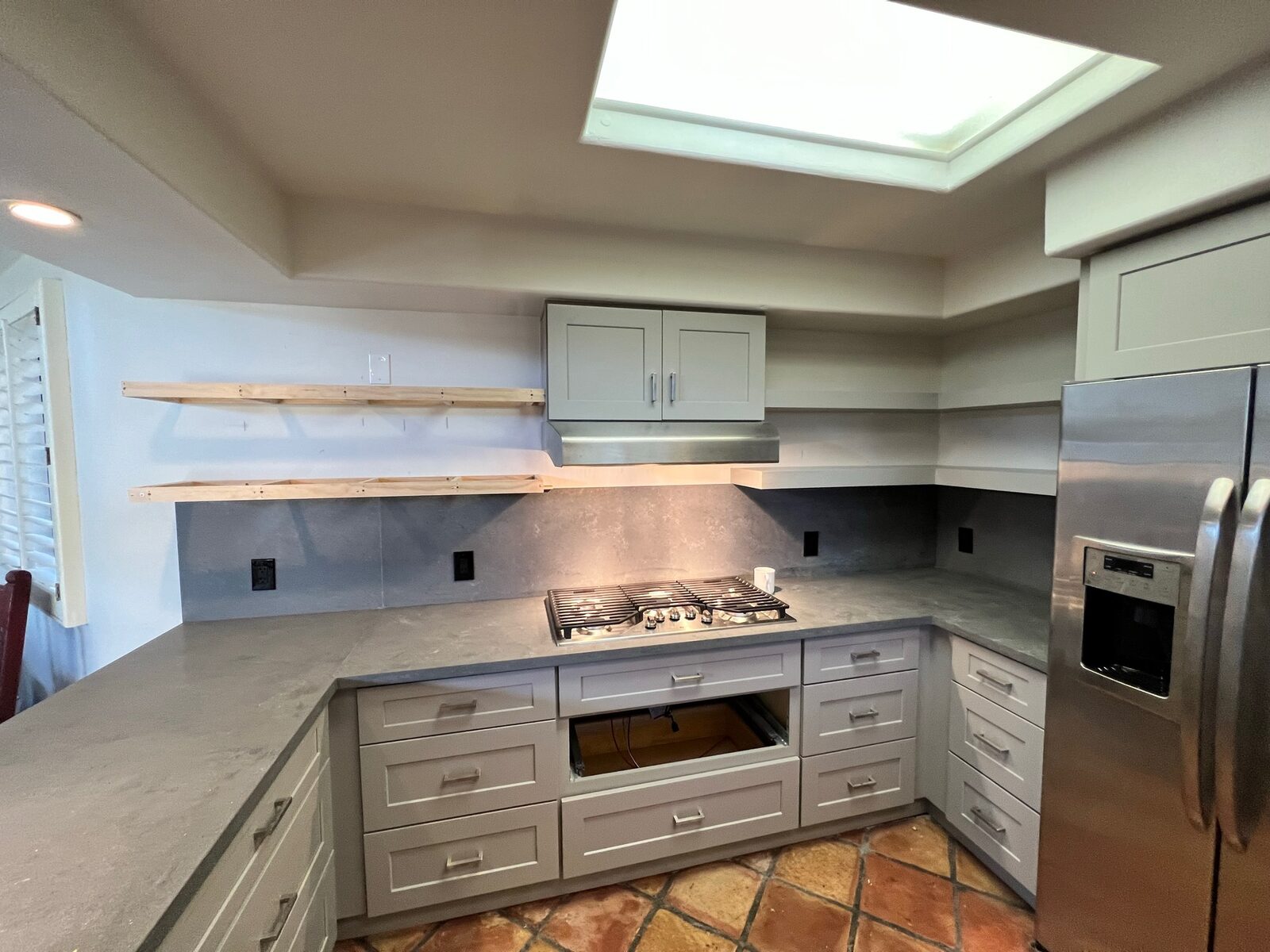
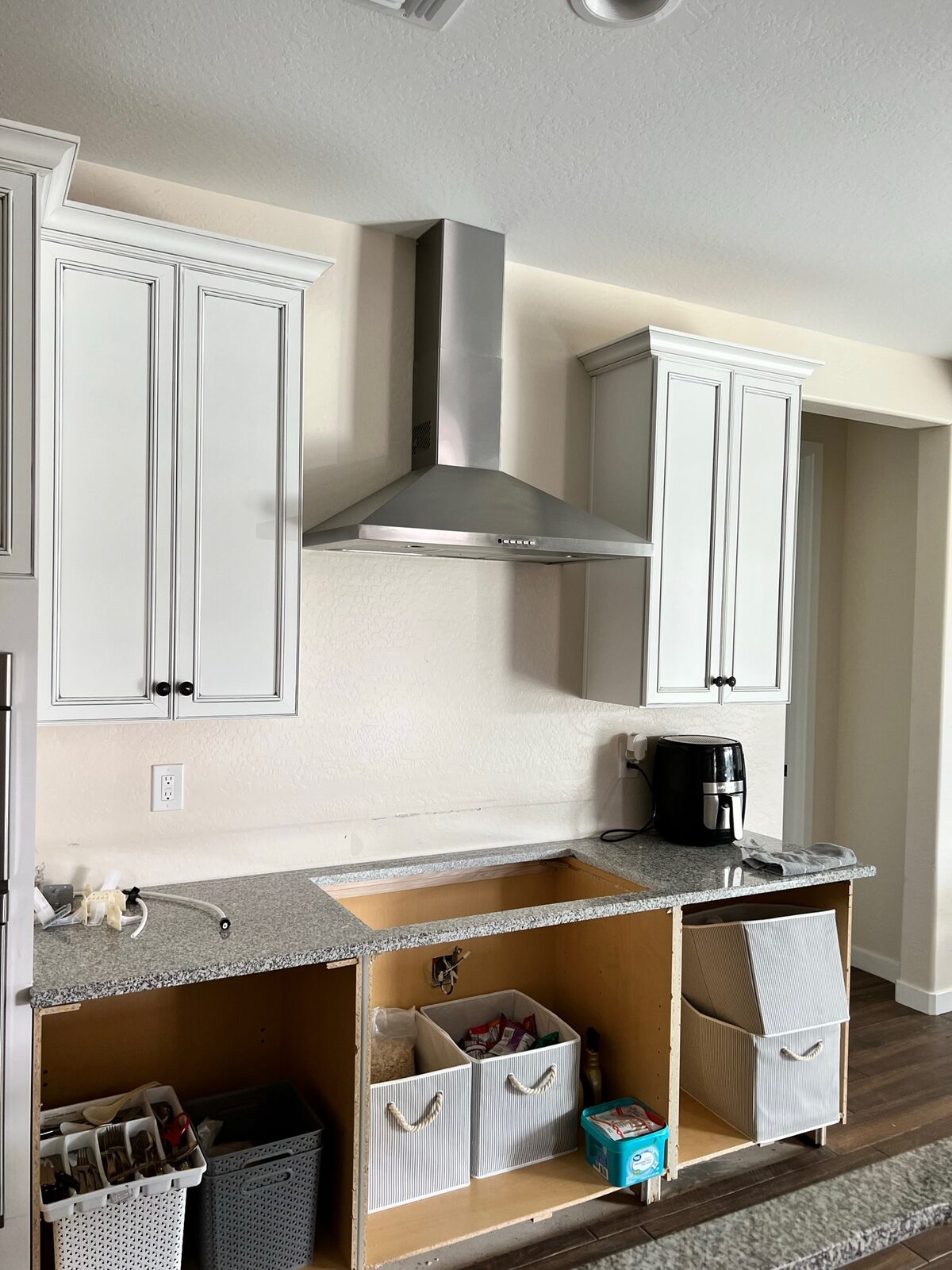
Residential reconstruction work by members of our team. See the full gallery →
More from Gold Water Fire
Abrasive Cleaning Methods for Soot on Framing and Masonry
A look at how abrasive cleaning methods remove soot from wood framing and masonry after a fire, and when each method fits the material.
AC Condensate Line Clogs & the Water Damage They Cause in Phoenix Homes
Why Phoenix AC condensate lines clog every summer, what the water damage looks like, and how to find the source before the ceiling stain spreads again.
Actual Cash Value vs Replacement Cost: Why Your Check Might Not Match the Repair Bill
Confused why your insurance check seems short after fire or water damage? Learn the difference between actual cash value and replacement cost coverage.
If you want someone to read the estimate with you
You do not have to figure out a line item estimate alone, and you do not have to have decided anything yet. Call Gold Water Fire at (480) 999-3339 or email Help@goldwaterfire.com, and we can walk your scope with you. Brandon Gurr, our Construction Manager, leads our reconstruction work across the Phoenix metro area, from Peoria and Avondale out through Chandler, Gilbert, Queen Creek, and San Tan Valley. AZ ROC #264344 KB-2.
Call (480) 999-3339Reconstruction & Rebuild · Water Damage Restoration · Fire Damage Restoration · About Gold Water Fire · Contact Us