
Monsoon Claims: How Wind, Rain, and Flooding Get Untangled in One Storm
You watched the storm roll in, heard the roof take a beating, and by morning there's water in three rooms and you genuinely don't know which part of that came from wind, which from rain, and which from something that backed up outside. Nobody hands you a clean explanation in the moment. You're just left staring at stained ceilings and soaked carpet trying to figure out what even happened, let alone what to do about it.

Monsoon Claims: How Wind, Rain, and Flooding Get Untangled in One Storm
Why one storm can create three different damage stories
A Phoenix monsoon rarely does just one thing to a house. Wind can lift shingles or tiles and open a path for water. That same wind can drive rain sideways under eaves and through weep screeds that were never designed to handle horizontal rain. And if the storm drops enough water fast enough, runoff from the yard or street can push in at the slab, the garage, or a low threshold. By the time you're standing in the aftermath, the actual sequence, what failed first and what followed, has already happened and left no obvious timeline behind.
What insurance policies actually separate
Most homeowner policies treat these causes differently. Wind damage to a roof or structure is typically a covered peril. Rain that enters through a wind-created opening is usually treated as part of that same wind claim. But surface water or flooding, water that enters from ground level rather than through storm damage to the structure, often falls under separate flood coverage that a standard homeowner policy doesn't include. This is the single biggest reason the source of water in a monsoon claim gets scrutinized so closely: it can determine whether a loss is covered at all.
How the physical evidence tells the story
Untangling cause usually comes down to reading the building itself. A missing tile with a matching stain trail below it points to wind-driven rain entering at that exact spot. Water pooled only near exterior doors or a garage slab, with no roof damage above, points more toward surface flooding. Staining patterns that follow a roofline versus staining that follows a floor plan tell very different stories. Moisture readings taken at different heights on a wall can also help show whether water traveled down from above or up from the ground, which matters just as much as where it ended up.
Why timing and documentation matter so much
The days right after a monsoon event are when the clearest evidence exists. Standing water recedes, drywall dries and hides its original moisture line, and debris gets cleared before anyone photographs where it landed. Homeowners who document conditions early, photos of roof damage, water lines, pooling locations, and any debris, give themselves a much stronger record if a claim later needs to distinguish between wind, wind-driven rain, and flooding. Waiting even a few days can make it genuinely harder to reconstruct what happened.
Questions people ask us
If wind and flooding both damaged my house in the same storm, is any of it covered?
It depends on your specific policy. Wind damage and the rain that enters through wind-caused openings are often covered under standard homeowner policies, while surface flooding is frequently excluded unless you carry separate flood coverage. A claims adjuster will typically look at the physical evidence to determine which category each area of damage falls into.
Can water damage from wind-driven rain look the same as flooding damage?
They can look similar once materials are soaked, but the patterns usually differ. Wind-driven rain tends to trace back to a specific opening, like a damaged roof section or a gap around a window, while flooding tends to show up at floor level across a wider area without any related damage above it.
Why does it matter how water got into my house if the damage is the same either way?
Because the source of the water often determines what type of coverage applies. Two rooms with visually identical water damage can be handled completely differently by a policy depending on whether the water came through storm damage to the structure or rose up from ground level.
What should I do right after a monsoon if I'm not sure what caused the damage?
Photograph everything before cleanup begins, including roof damage, water lines on walls, and where standing water pooled. That documentation, taken as close to the event as possible, is often what allows the cause to be identified accurately later.
The standard our team works to
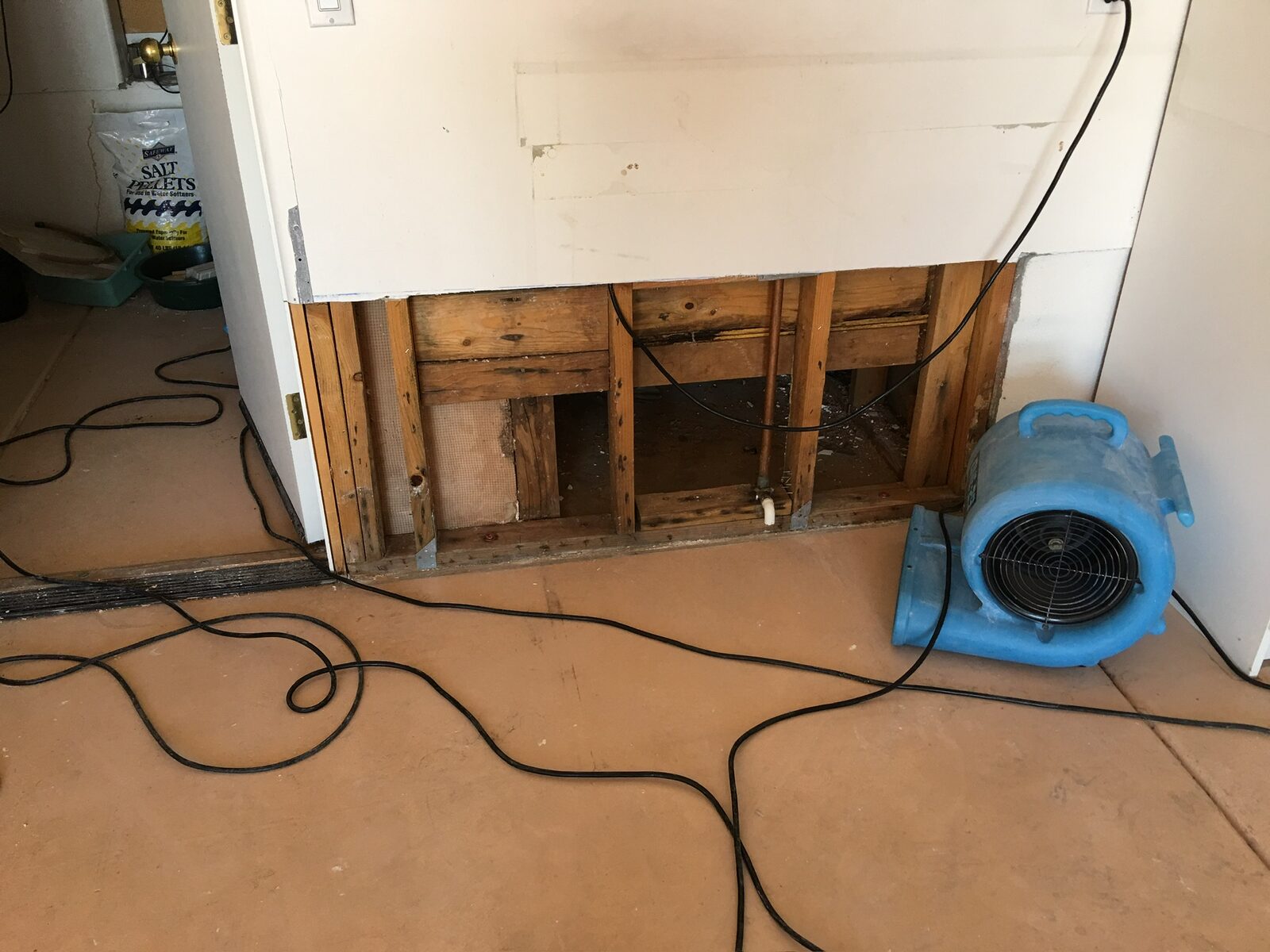
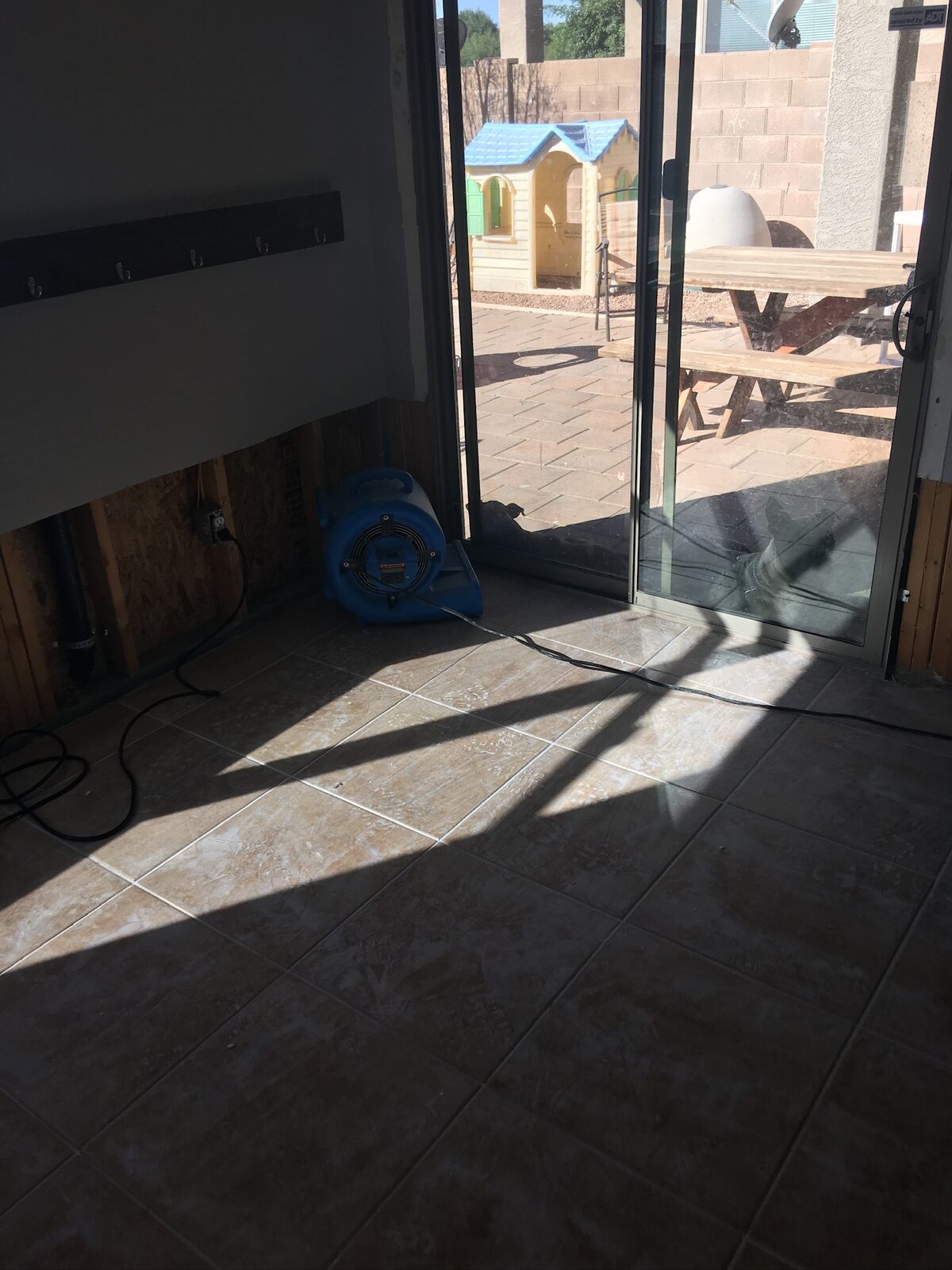
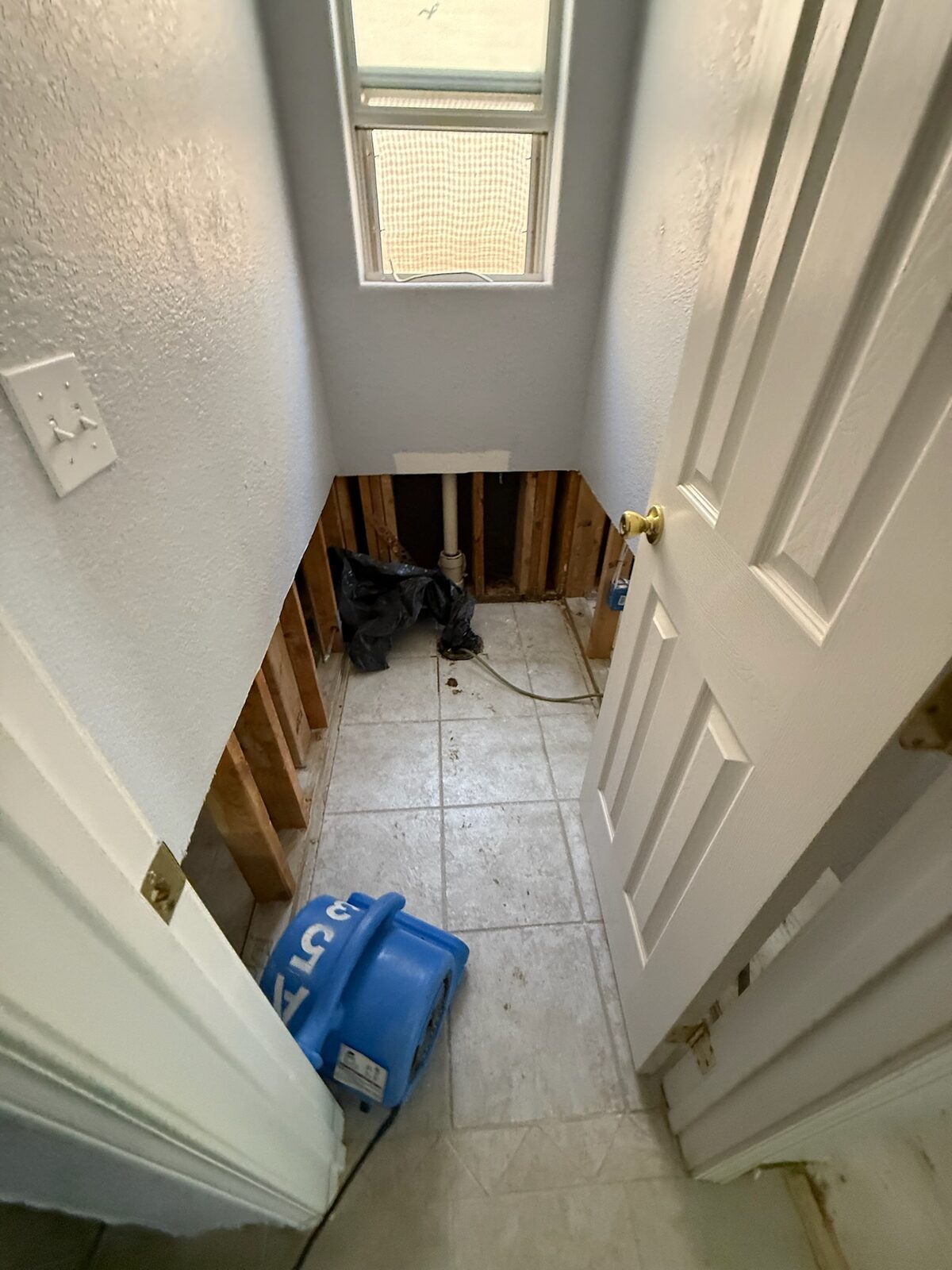
Residential reconstruction work by members of our team. See the full gallery →
More from Gold Water Fire
Abrasive Cleaning Methods for Soot on Framing and Masonry
A look at how abrasive cleaning methods remove soot from wood framing and masonry after a fire, and when each method fits the material.
AC Condensate Line Clogs & the Water Damage They Cause in Phoenix Homes
Why Phoenix AC condensate lines clog every summer, what the water damage looks like, and how to find the source before the ceiling stain spreads again.
Actual Cash Value vs Replacement Cost: Why Your Check Might Not Match the Repair Bill
Confused why your insurance check seems short after fire or water damage? Learn the difference between actual cash value and replacement cost coverage.
Not sure what your monsoon damage actually is?
Gold Water Fire evaluates water and storm damage across the Phoenix metro area and can help you understand what you're looking at before you deal with your insurance company. Call (480) 999-3339 or reach out through our contact page.
Call (480) 999-3339Water Damage Restoration · Contact Gold Water Fire · About Gold Water Fire