
Keeping a Claim Diary, and What to Write in It
Somewhere around the third or fourth phone call, most people lose track of who they talked to and what was actually said. A claims adjuster mentions a number, then a different number comes up two weeks later, and you're left trying to remember if you misheard the first time or if something changed. It's not you. Insurance claims move through a lot of hands, and every one of those hands remembers the conversation a little differently. Writing things down as you go isn't about being suspicious of anyone, it's about having something solid to stand on when your own memory gets crowded out by everything else you're dealing with.
Keeping a Claim Diary, and What to Write in It
Why a claim diary matters
A claim diary is simply a dated, ongoing written record of everything that happens during a water or fire damage claim: who you spoke with, what was said, what was promised, and what you did in response. Insurance claims often stretch over weeks or months, and they involve multiple people (an adjuster, maybe a supervisor, a contractor, a mitigation crew) who each touch a small piece of the process. Without a written record, it's easy to lose the thread of what's actually been agreed to. A diary gives you a single place to check when someone asks 'didn't you already send that?' or when you need to recall the exact date water intrusion was first noticed.
What to write down after every contact
Keep entries short and factual. For every phone call, email, or in-person visit, note the date and time, the full name and role of the person you spoke with (adjuster, contractor, supervisor), a brief summary of what was discussed, and any specific commitment made, such as a deadline, a dollar figure, or a next step someone agreed to take. If a call ends with 'I'll follow up by Friday,' write that down. If it doesn't happen by Friday, you'll have the exact line to reference.
The details that matter most
Beyond call logs, a claim diary should track: the date damage was discovered and the date it was reported, any temporary repairs you made and what they cost, a running list of damaged items and where they were located in the home, appointment dates for inspections or estimates, and copies (or notes) of anything mailed or emailed. If you take photos or video, note the date and what room or item each set of images covers, so you can match visual evidence to your written timeline later.
How to organize it so it's usable
A notebook works, a shared document works, a notes app works. What matters is consistency: one place, entries in order, dated every time. Some people also keep a simple table with columns for date, contact name, topic, and outcome, which makes it faster to scan later when you need to answer a specific question. Whatever format you pick, resist the urge to rewrite past entries after the fact. If something changes, add a new dated line rather than editing the old one.
Questions people ask us
When should I start a claim diary?
As soon as you notice the damage, before you even call your insurance company. The first entry can simply be the date and time you discovered the problem and what you saw, which becomes the anchor point for everything that follows.
Does a claim diary need to be formal?
No. It just needs to be dated, factual, and consistent. A plain notebook or a running note on your phone works fine, as long as you actually update it after each call or visit rather than trying to reconstruct it from memory weeks later.
What if I forget to log a conversation right away?
Write it down as soon as you remember, and note that it's a delayed entry with your best recollection of the date. A late entry is still more useful than no record at all.
Should I include contractor conversations too, not just the insurance company?
Yes. Any conversation that touches the timeline, scope, or cost of repairs is worth logging, whether it's with your adjuster, a mitigation crew, or a reconstruction contractor. The goal is one complete record, not separate ones for each party.
The standard our team works to
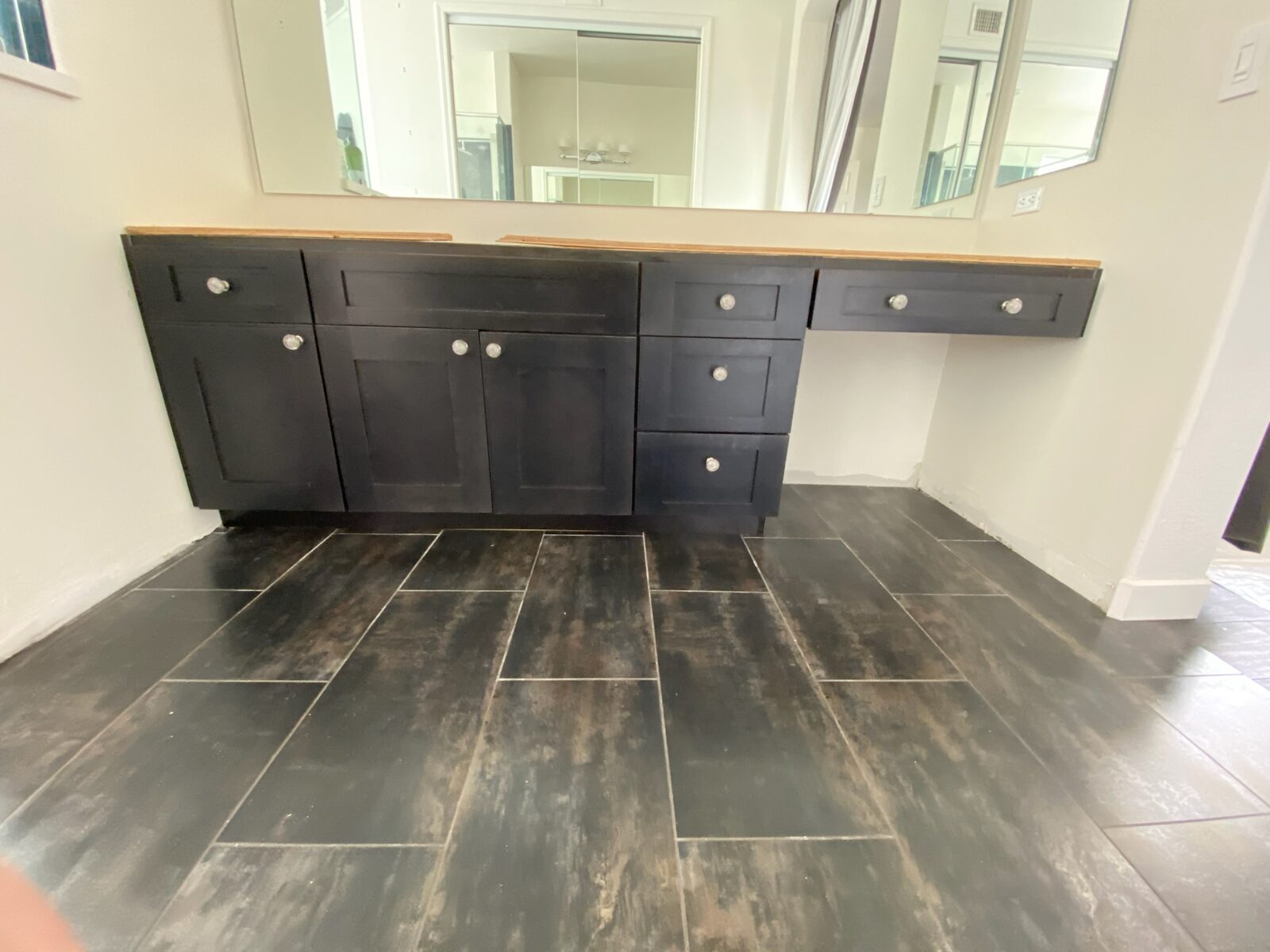
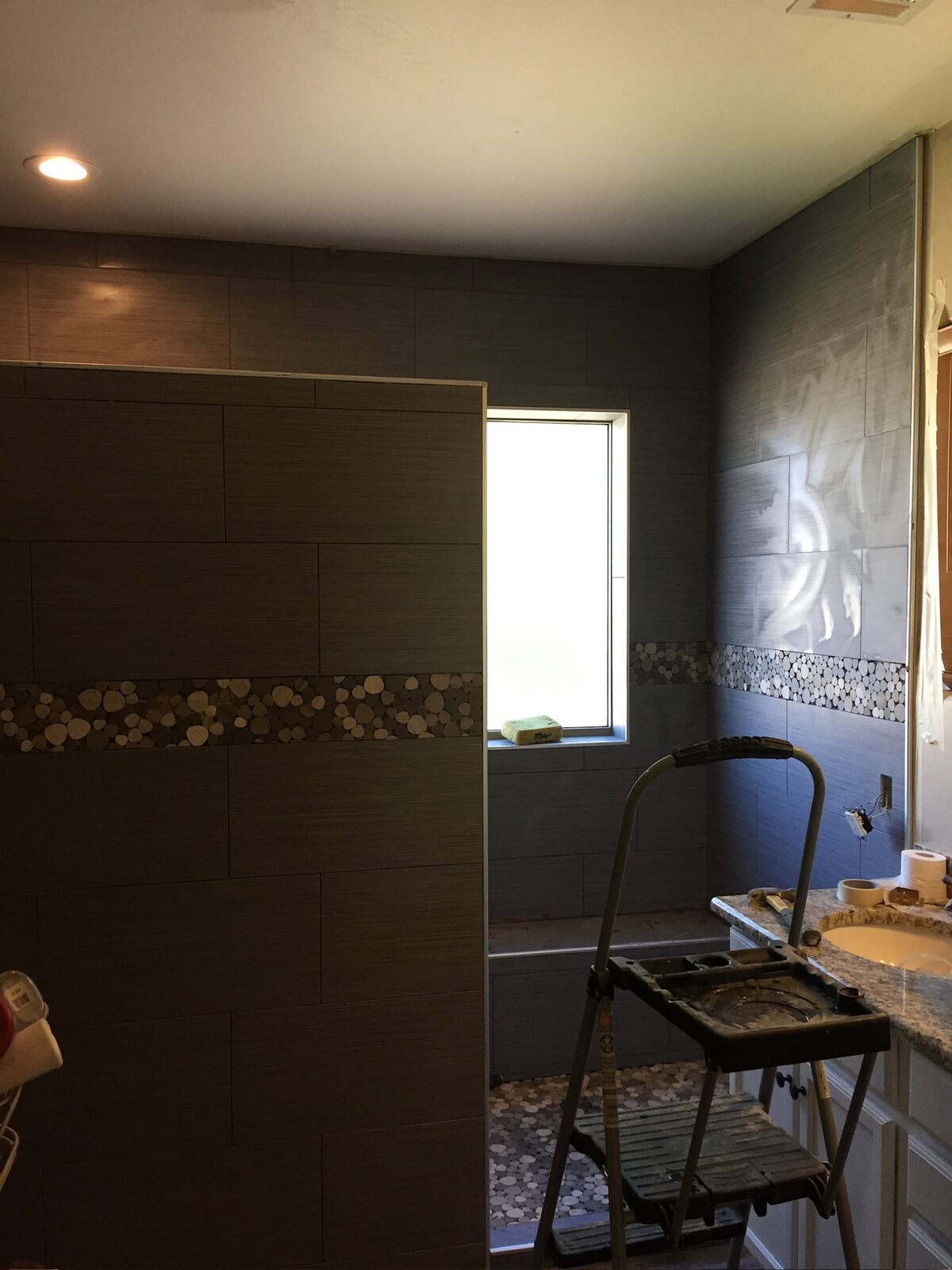
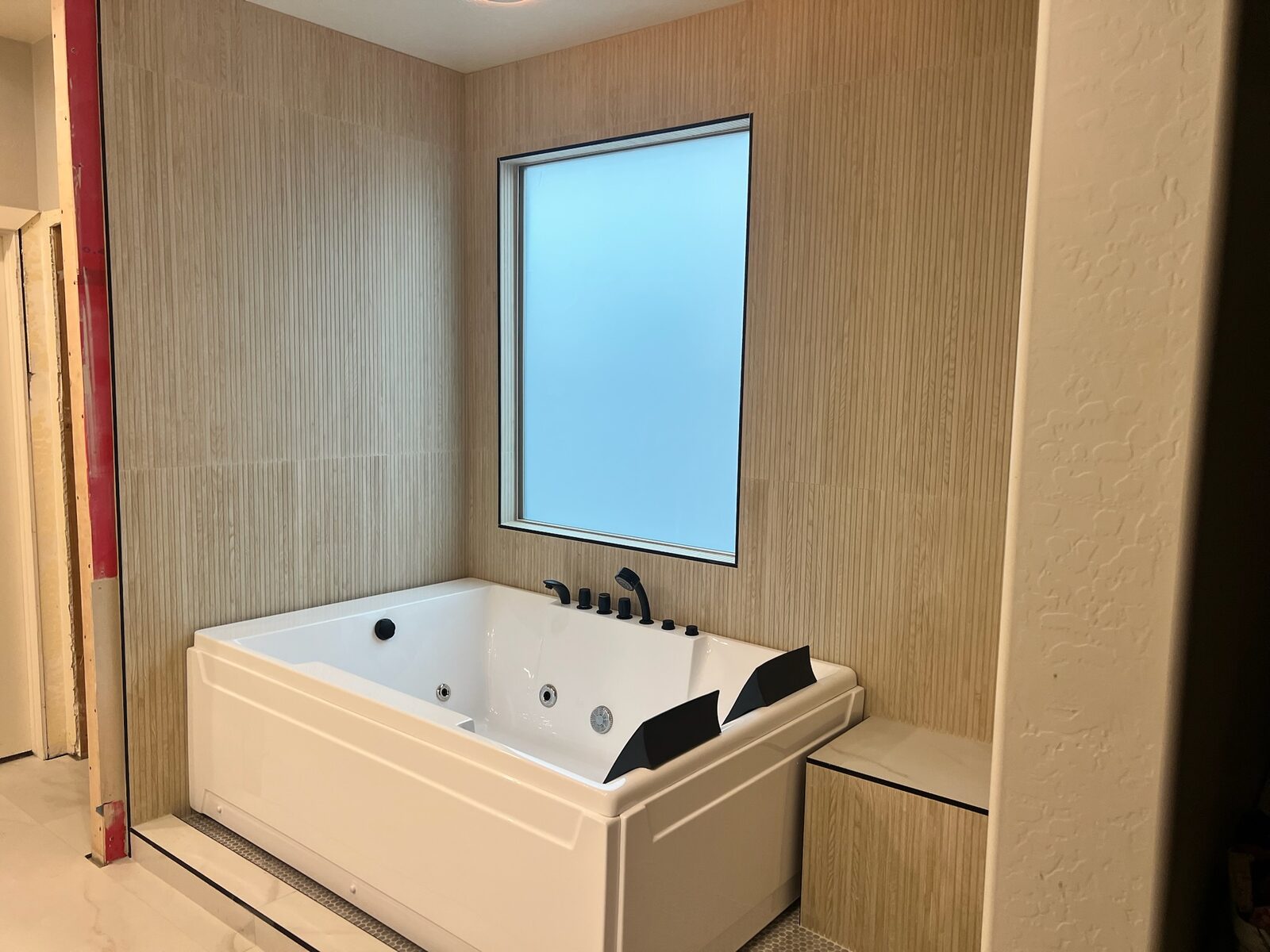
Residential reconstruction work by members of our team. See the full gallery →
More from Gold Water Fire
Abrasive Cleaning Methods for Soot on Framing and Masonry
A look at how abrasive cleaning methods remove soot from wood framing and masonry after a fire, and when each method fits the material.
AC Condensate Line Clogs & the Water Damage They Cause in Phoenix Homes
Why Phoenix AC condensate lines clog every summer, what the water damage looks like, and how to find the source before the ceiling stain spreads again.
Actual Cash Value vs Replacement Cost: Why Your Check Might Not Match the Repair Bill
Confused why your insurance check seems short after fire or water damage? Learn the difference between actual cash value and replacement cost coverage.
Dealing with water or fire damage right now?
If you're in the middle of documenting a loss, Gold Water Fire can walk through the damage with you and help you understand what's ahead. Reach out at (480) 999-3339 or Help@goldwaterfire.com, or visit our <a href="/contact.html">contact page</a> to get started.
Call (480) 999-3339Water Damage Restoration · Fire Damage Restoration · Reconstruction & Rebuild · Contact Us