
How to Document Property Damage for Insurance Before Any Cleanup Starts
There is a particular kind of tiredness that comes from standing in a room you know well and not recognizing it. The instinct is to start moving things. Pick up the soaked rug, stack the books that swelled, open a window, get some of it out of sight so the room stops looking like an accusation. And underneath that instinct is usually something harder to say out loud: a worry that you will handle this wrong, that some step you skip today will turn into a denied line item weeks from now, and that you will not even know which step it was. If this is the second or third time water has come through, that worry has an extra edge to it, because part of you has stopped believing the last repair actually fixed anything and you have not had a quiet moment to figure out why.
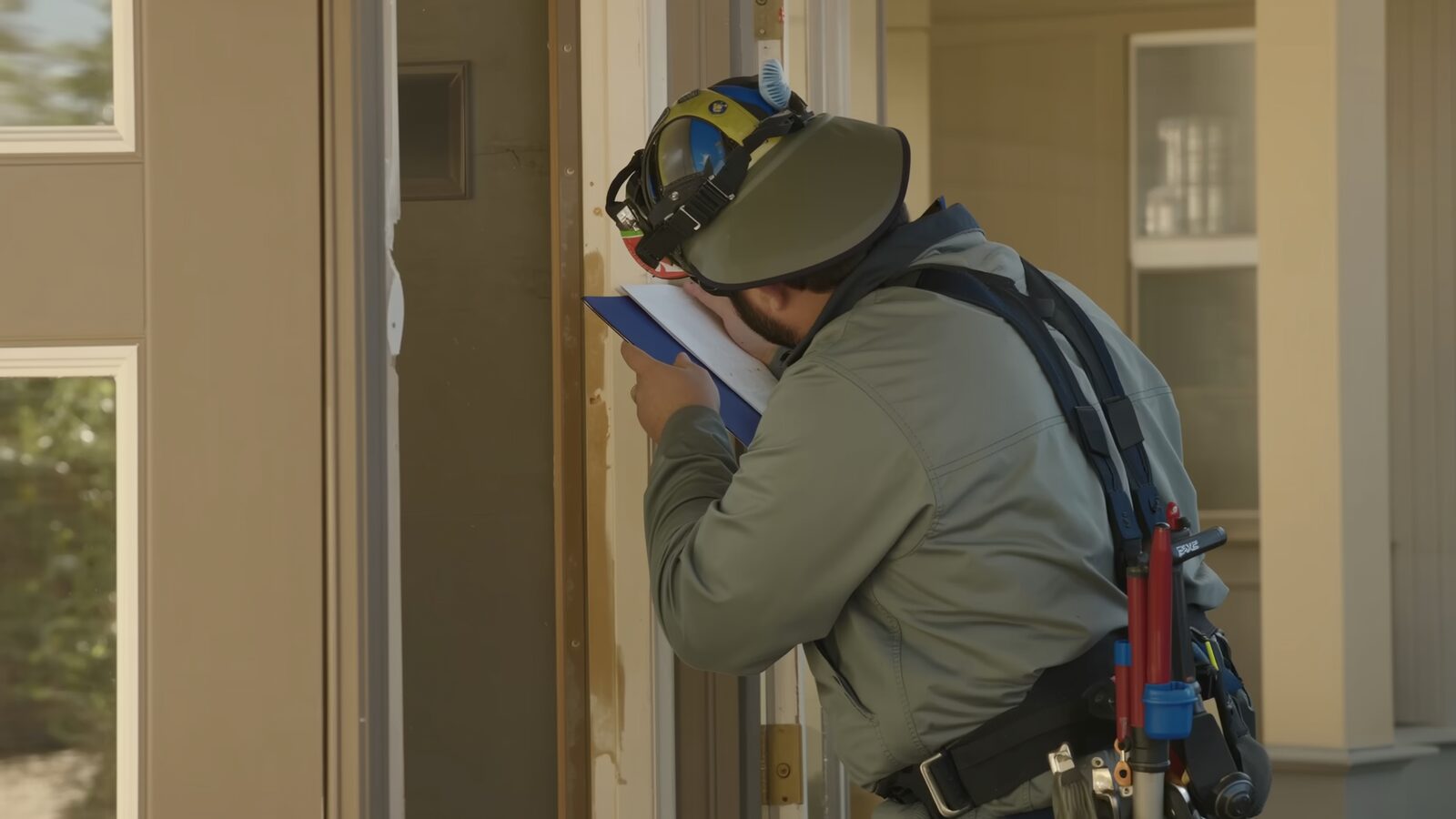
How to Document Property Damage for Insurance Before Any Cleanup Starts
Why the first hour of photos matters more than the next ten
An insurance claim is settled on evidence of a condition that, by the time anyone reviews it, no longer exists. Water gets extracted. Soot gets wiped. Drywall gets cut out. All of that is correct and necessary, and all of it erases the proof. The adjuster is not being difficult when they ask what the standing water line was; they genuinely cannot see it anymore, and neither can you. There is a second reason to photograph first. Most policies contain a duty to mitigate, meaning you are expected to take reasonable steps to stop damage from getting worse. That duty and your duty to document are not in conflict, but they run on a clock together. Photograph, then mitigate. If water is actively running, shut it off first and photograph the aftermath. Safety always outranks documentation. If there is standing water near outlets or a panel, if the structure was in a fire, or if you smell gas, you do not go in for pictures.
What to actually capture, room by room
Work in a consistent pattern so you do not lose track of what you have covered. Go room by room, and in each room shoot wide first, then medium, then close. Do not delete anything, even blurry frames. Storage is free and a redundant photo has never hurt a claim.
Wide shots from every doorway
Stand in each doorway and photograph the whole room, then turn and do the same from the opposite corner. These establish context and let a reviewer place every close-up you take later. Include ceilings. Water travels laterally above a ceiling and drops far from the source.
Water lines and staining
Photograph the visible waterline on baseboards, drywall and furniture legs, and put a tape measure or a common object in frame so height is readable. Note the color of the water if you can: clear supply water, gray from an appliance, or contaminated water from a sewer line all get handled differently.
Contents, one item at a time
Every damaged item gets its own photo, plus a photo of its brand label, model number or serial plate. Furniture, electronics, rugs, clothing, tools, and anything stored in a garage or on a closet floor. Boxed items count, and cardboard wicks water upward, so a box that looks dry at the top may not be.
Source, systems and hidden areas
Photograph the failed component itself: the split supply line, the corroded water heater fitting, the burned outlet, the appliance hose. Then photograph the surrounding area before anyone removes it. Also capture under sinks, behind toilets, inside cabinets, along the bottom of interior walls, and any HVAC vents that were near the fire or water.
Video walkthrough with narration
After the stills, take one slow continuous video of the whole property, talking as you go. Say the date, the room you are in, what you are looking at, and anything you noticed at the time such as a smell or a sound. Narrated video captures details you will not think to photograph.
Smoke, soot and odor after a fire
Soot is not evenly distributed and photographs poorly against dark surfaces. Shoot white or light surfaces, the tops of door casings, the underside of shelves, HVAC returns, and the inside of drawers and closets. Odor cannot be photographed, so write down where it is strongest instead.
The written record most people forget
Photos prove condition. Writing proves sequence, and sequence is where claims usually get argued. Start a single running log, a notebook or a phone note, with dated entries. Record when you first noticed the problem and what tipped you off, when you shut off the water or the power, who you called and at what time, and what each person told you. Every phone call with your insurer goes in it: date, time, the name of the person, the claim number, and what they said would happen next. If a conversation matters, follow it with a short email confirming what you understood, because that turns a phone call into a document. Build a contents list as a spreadsheet with columns for the item, the room, the age, roughly what it cost, and where it came from. Receipts help but are rarely available; credit card statements, order history in an email account and even old photos of the room with the item visible in the background all support the entry. Keep every receipt from the event itself as well, including hotel nights, meals if you cannot cook, fans or dehumidifiers you rented, and tarps or plastic you bought. Those often fall under additional living expenses or reasonable mitigation costs. One more thing worth doing: do not throw damaged items away until the claim has been reviewed, even the obvious losses. Move them to a garage or a corner of the yard and photograph the pile. A discarded item is very hard to get paid for.
When it keeps happening, the documentation is telling you something
If you have photographed the same wall twice in three years, the file you are building is no longer just a claim packet. It is a record of a pattern, and patterns have causes. Recurring staining in the same spot after a repair usually means the water was never coming from where everyone assumed, or that materials were dried to the touch but not to a moisture reading, or that something behind the wall was replaced without the source being corrected. Cosmetic repair over trapped moisture looks finished for a while and then does not. That is worth sitting with before you decide what to do next. Compare your photos across events. Same wall, or same side of the house? After rain, or after use of a fixture? Growing, or the same size each time? Those questions are answerable, and answering them is often more valuable than the current claim itself. When you are ready to have someone else look at it, Gold Water Fire handles water damage restoration and fire damage restoration across the Phoenix metro, and does the reconstruction and rebuild work afterward so the repair and the drying are not two separate stories. You can read about the people who would show up on our about page, or reach out when it makes sense to.
Questions people ask us
Do I have to wait for the adjuster before I start cleanup?
Generally no, and waiting can work against you. Most policies ask you to take reasonable steps to prevent further damage, and standing water left in place gets worse quickly. The expectation is that you document thoroughly first, then mitigate. Call your insurer to open the claim, tell them what you are doing and when, and keep the photos and receipts.
What if I already cleaned up before I took any pictures?
Photograph what is left right now, including the removed materials if you still have them, and write down from memory what the room looked like with the date you are writing it. Older photos of the same rooms taken before the loss, from family pictures or a listing, help establish prior condition. Anyone who saw it, a neighbor or a plumber, can also confirm what they observed.
How much detail is too much?
There is effectively no such thing on a property claim. Hundreds of photos is normal. The failure mode is almost always too few, not too many, and photos you never need cost you nothing while a missing one can cost a line item.
Should I keep the broken part that caused the damage?
Yes, if it can be safely removed and stored. A failed supply line, a burst hose or a damaged appliance component can matter for both your claim and any question of who is responsible for the failure. Bag it, label it with the date and location, and photograph it in place before removal.
The standard our team works to
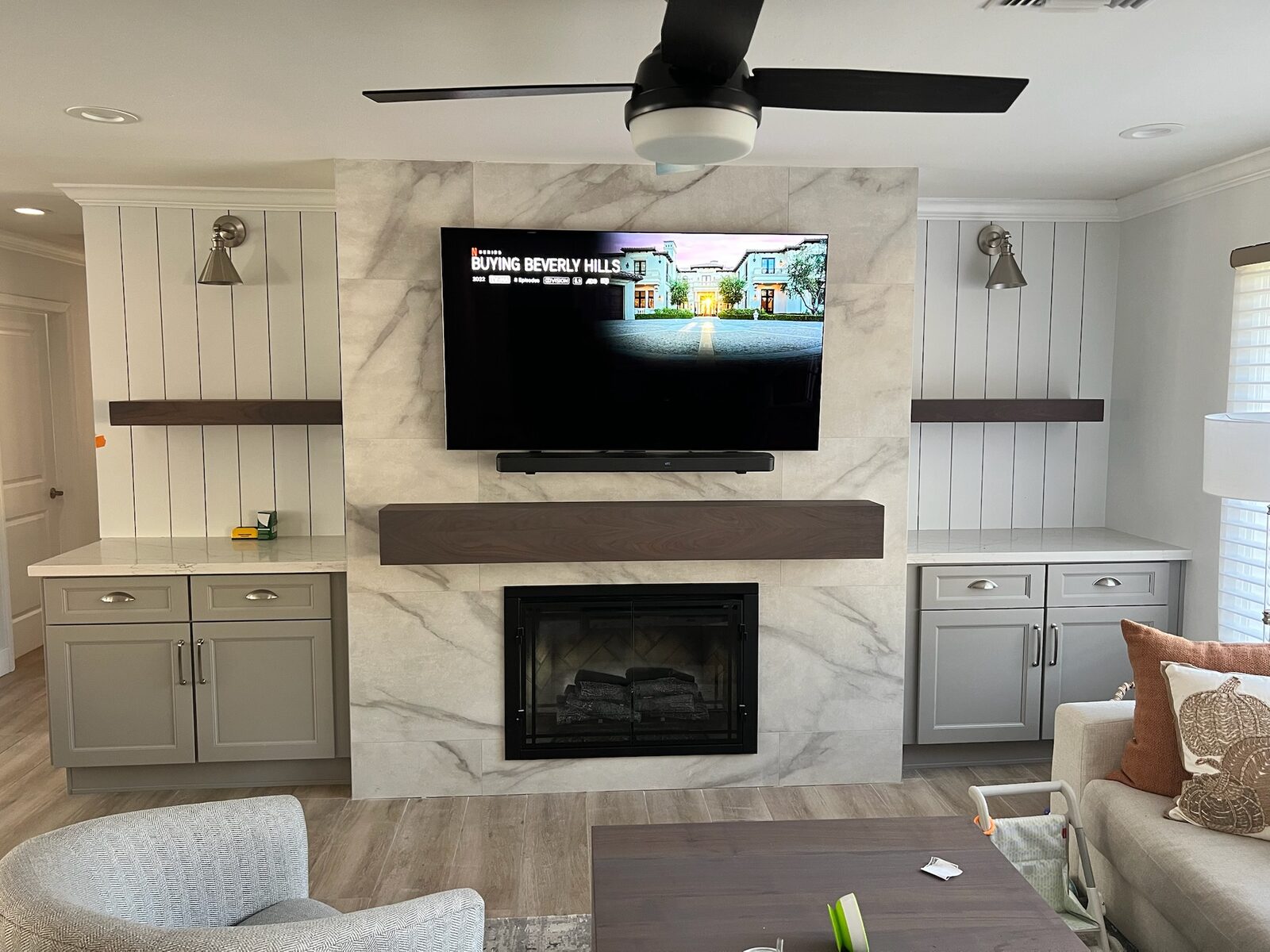
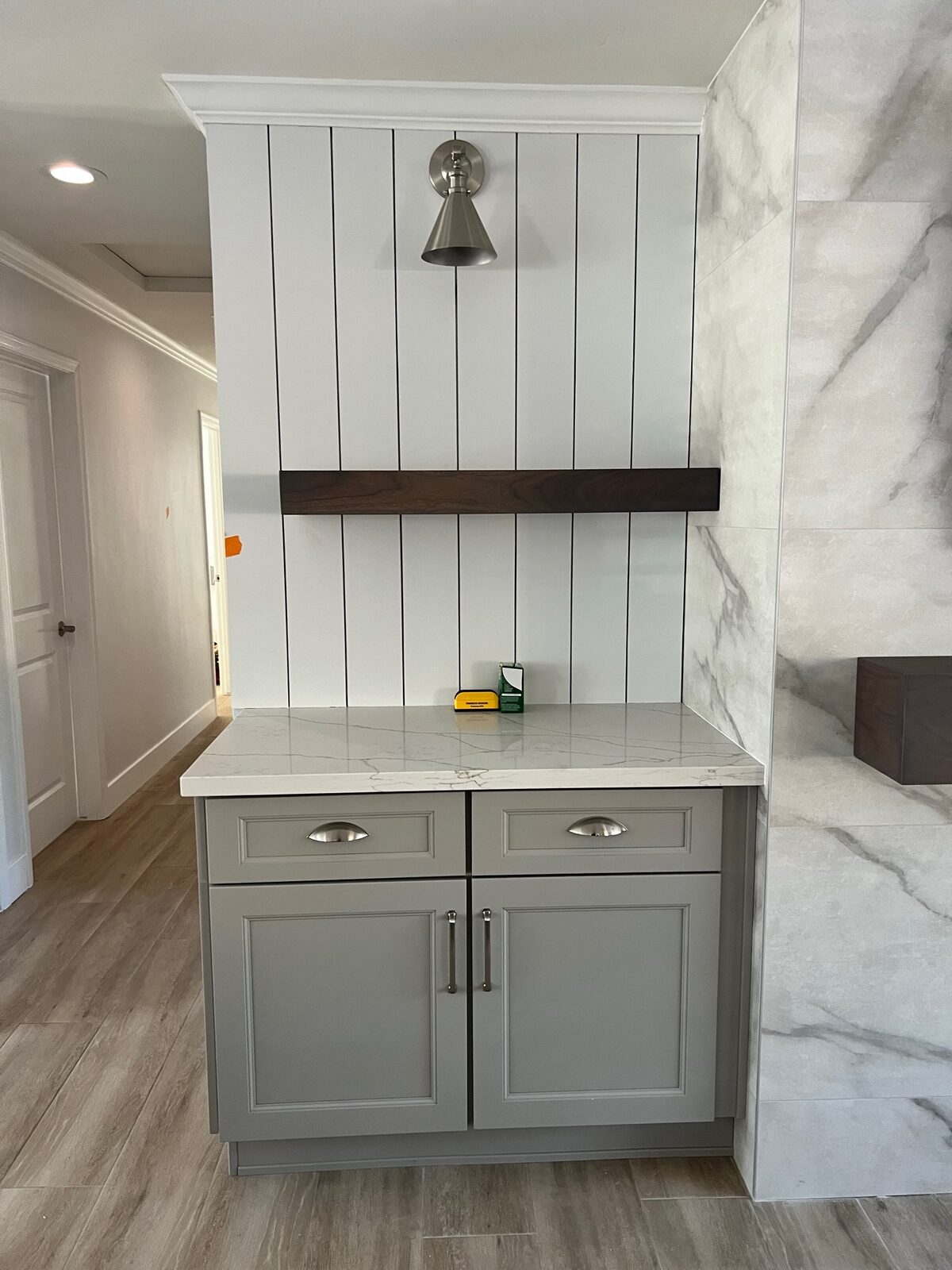
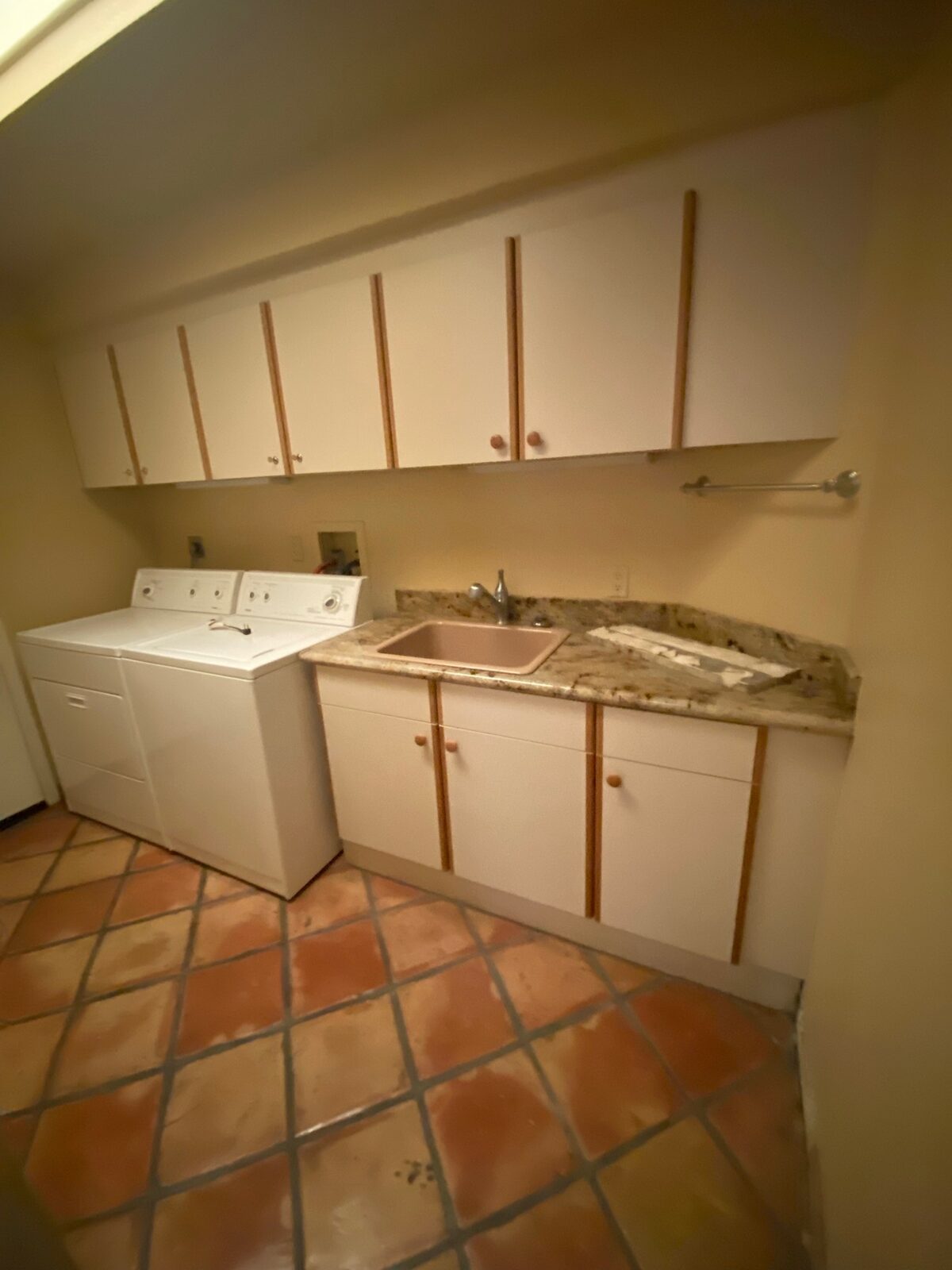
Residential reconstruction work by members of our team. See the full gallery →
More from Gold Water Fire
Abrasive Cleaning Methods for Soot on Framing and Masonry
A look at how abrasive cleaning methods remove soot from wood framing and masonry after a fire, and when each method fits the material.
AC Condensate Line Clogs & the Water Damage They Cause in Phoenix Homes
Why Phoenix AC condensate lines clog every summer, what the water damage looks like, and how to find the source before the ceiling stain spreads again.
Actual Cash Value vs Replacement Cost: Why Your Check Might Not Match the Repair Bill
Confused why your insurance check seems short after fire or water damage? Learn the difference between actual cash value and replacement cost coverage.
If you would rather not sort this out alone
Gold Water Fire works across the Phoenix metro, from Peoria and Avondale out to Queen Creek, San Tan Valley and Apache Junction. Call (480) 999-3339 or email Help@goldwaterfire.com and tell us what you are looking at. If you are still in the documenting stage, that is fine, we can talk through it.
Call (480) 999-3339Water Damage Restoration · Fire Damage Restoration · Reconstruction & Rebuild · About Gold Water Fire · Contact