
What a Supplement Is, and Why One Gets Filed Mid-Project
If you're partway through a repair and someone just mentioned the word "supplement," it's normal to feel a little uneasy. You thought the scope was settled. You thought the estimate covered what needed covering. Now there's a new number, a new form, a delay you didn't plan for, and nobody explained why any of it happened before it started happening. That confusion is fair. Most homeowners have never heard the term before their own claim, and it rarely gets explained clearly until after it's already caused stress.
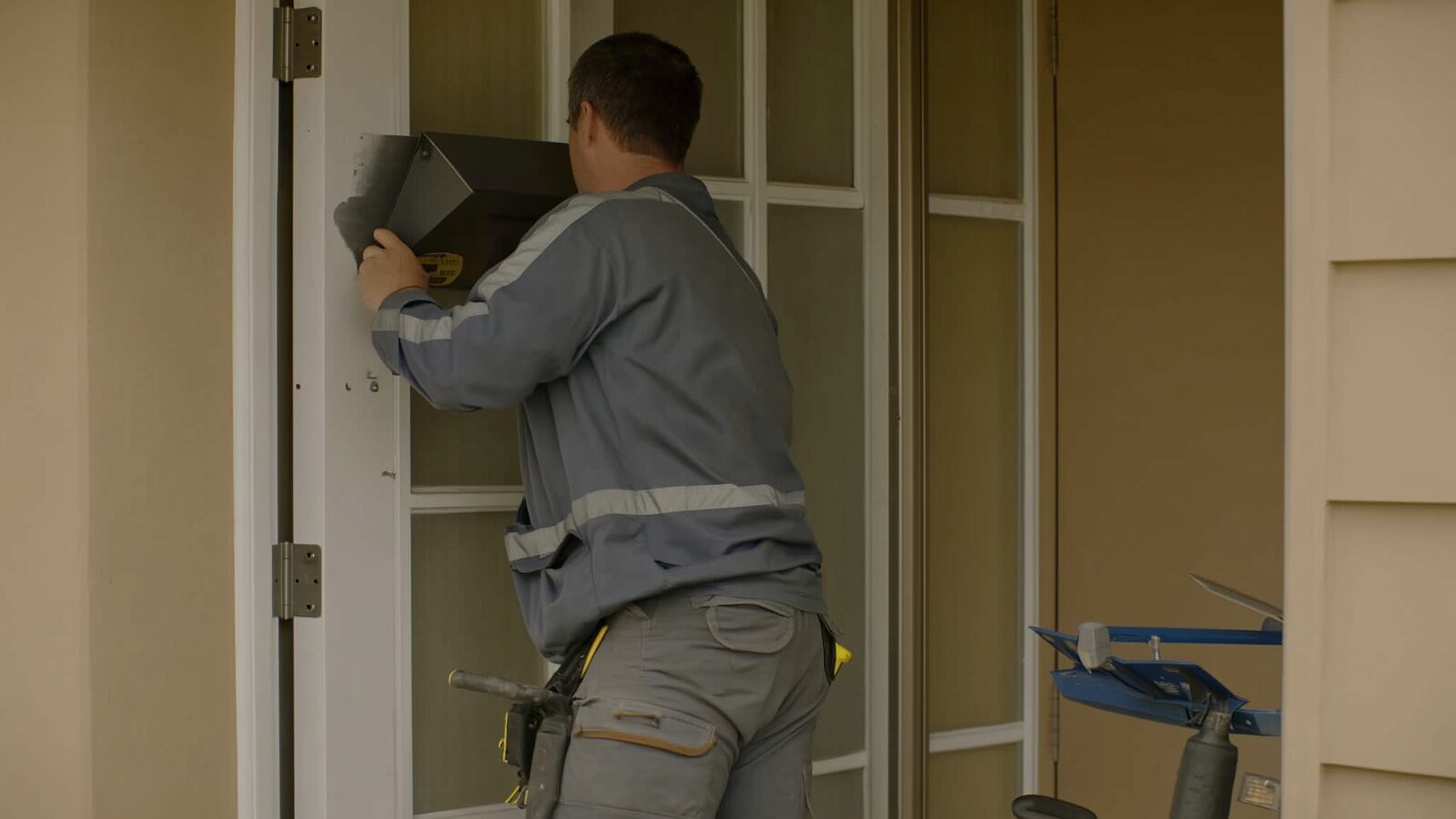
What a Supplement Is, and Why One Gets Filed Mid-Project
What a Supplement Actually Is
A supplement is an additional request to an insurance carrier for coverage that wasn't part of the original approved estimate. It's not a change of mind and it's not an upsell. It's a formal update to the scope of work, submitted with documentation, asking the carrier to approve payment for something that was found or that became necessary after the initial estimate was written. Every restoration and reconstruction claim has the potential to need one, because the first estimate is written from what's visible, not from what's hidden behind drywall, under flooring, or inside a wall cavity.
Why the First Estimate Is Rarely the Final One
An initial estimate is built during the first inspection, often within the first day or two after damage is discovered. At that point, an adjuster or estimator can only account for what can be seen and measured: visible water lines, charred surfaces, obvious structural damage. Once demolition begins, that picture can change. Moisture readings might show wet insulation behind a wall that looked dry from the front. Fire damage might have traveled through a chase or duct in a way that wasn't visible until ceiling material came down. Mold might surface once flooring is pulled. None of that is a mistake in the original estimate. It's simply the limit of what can be known before the walls are opened.
Hidden moisture or mold
Materials that read dry on the surface can be saturated underneath. Once removal starts, actual moisture content and mold growth often extend beyond the first documented area.
Structural or code findings
Framing, subfloor, or electrical work uncovered during demolition sometimes doesn't meet current code and has to be brought up to standard as part of the repair.
Scope changes during rebuild
Matching materials, discovering additional affected rooms, or finding that a repair method the original estimate assumed isn't actually workable once work is underway.
What Triggers a Supplement Mid-Project
A supplement typically gets filed once a contractor or restoration crew documents a difference between what was approved and what the job actually requires. That documentation usually includes photos, moisture readings, or notes from the point damage was discovered, along with a written explanation of why the additional work is necessary. It gets submitted to the insurance carrier for review, and the carrier decides whether to approve it, request more information, or push back on part of it. This is a normal part of how claims involving hidden or evolving damage work, not a sign that something went wrong with the original inspection.
What This Means for Your Timeline
A supplement can add time to a project because the carrier needs a window to review and approve the request before certain work can proceed or be invoiced. That pause is often the most frustrating part for a homeowner already living with disruption. Understanding that the delay is about carrier review, not about work stalling for no reason, tends to make that waiting period easier to sit with. If you're trying to understand where your own project stands, the type of damage you're dealing with often shapes how likely a supplement is: read more on water damage restoration, fire damage restoration, or reconstruction and rebuild work.
Questions people ask us
Does a supplement mean my contractor made a mistake on the original estimate?
No. Supplements exist because the first estimate can only reflect what's visible at the time of inspection. Damage discovered once walls, flooring, or ceilings are opened is common and is the reason the supplement process exists in the first place.
Will I have to pay for a supplement out of pocket?
That depends on your policy and what the carrier approves. A supplement is a request submitted to your insurance company, and the carrier reviews it the same way it reviewed the original estimate. Your policy documents and adjuster are the source for what your specific coverage allows.
How long does a supplement review usually take?
Timelines vary by carrier and by how much documentation is needed. There's no fixed number that applies to every claim, since it depends on the complexity of the finding and how quickly the carrier's review process moves.
Can work continue while a supplement is under review?
In many cases some work can continue while other parts wait on approval, but this depends on the specific finding and the carrier's process. It's worth asking directly what can move forward and what needs to pause.
The standard our team works to
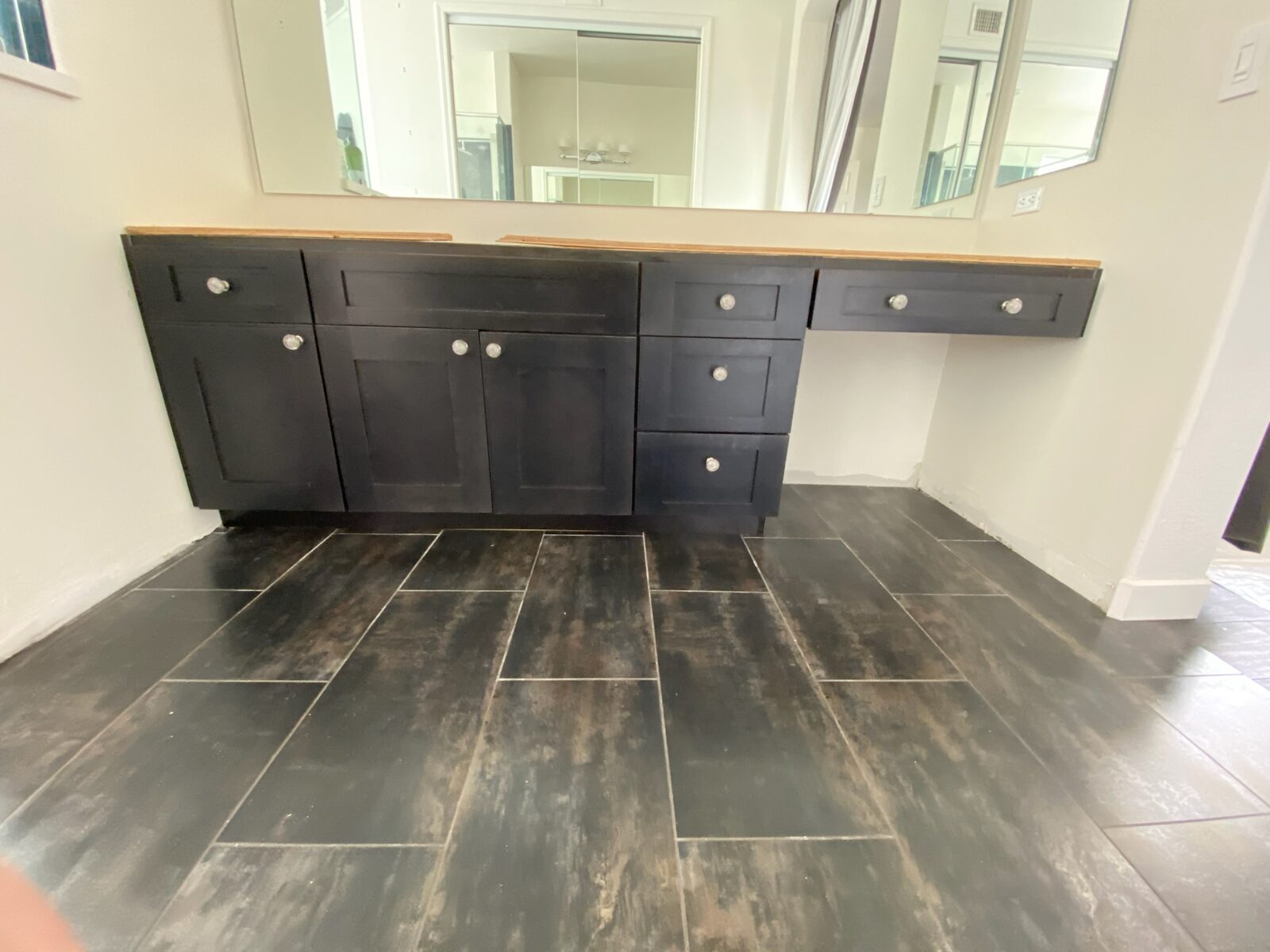
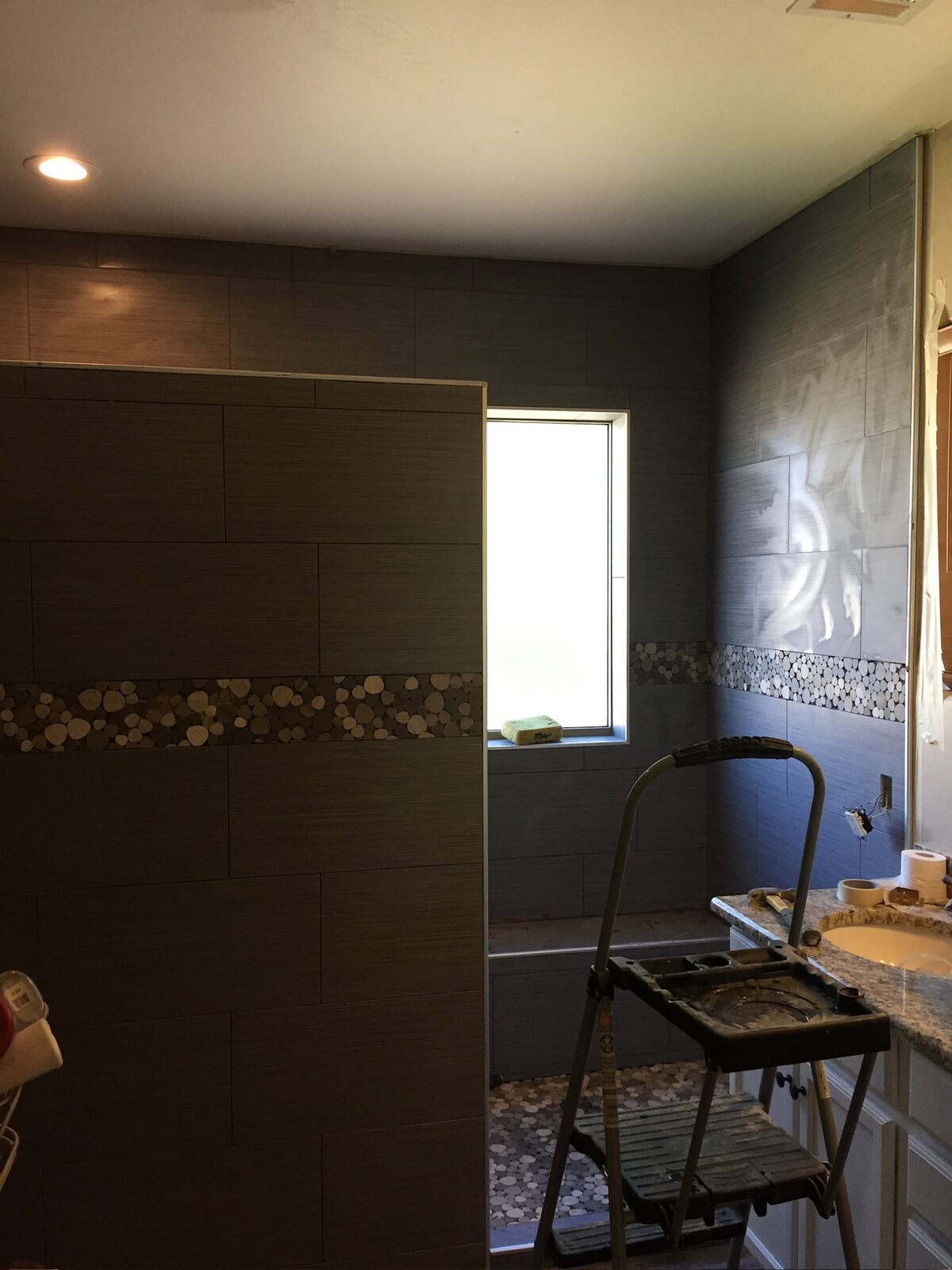
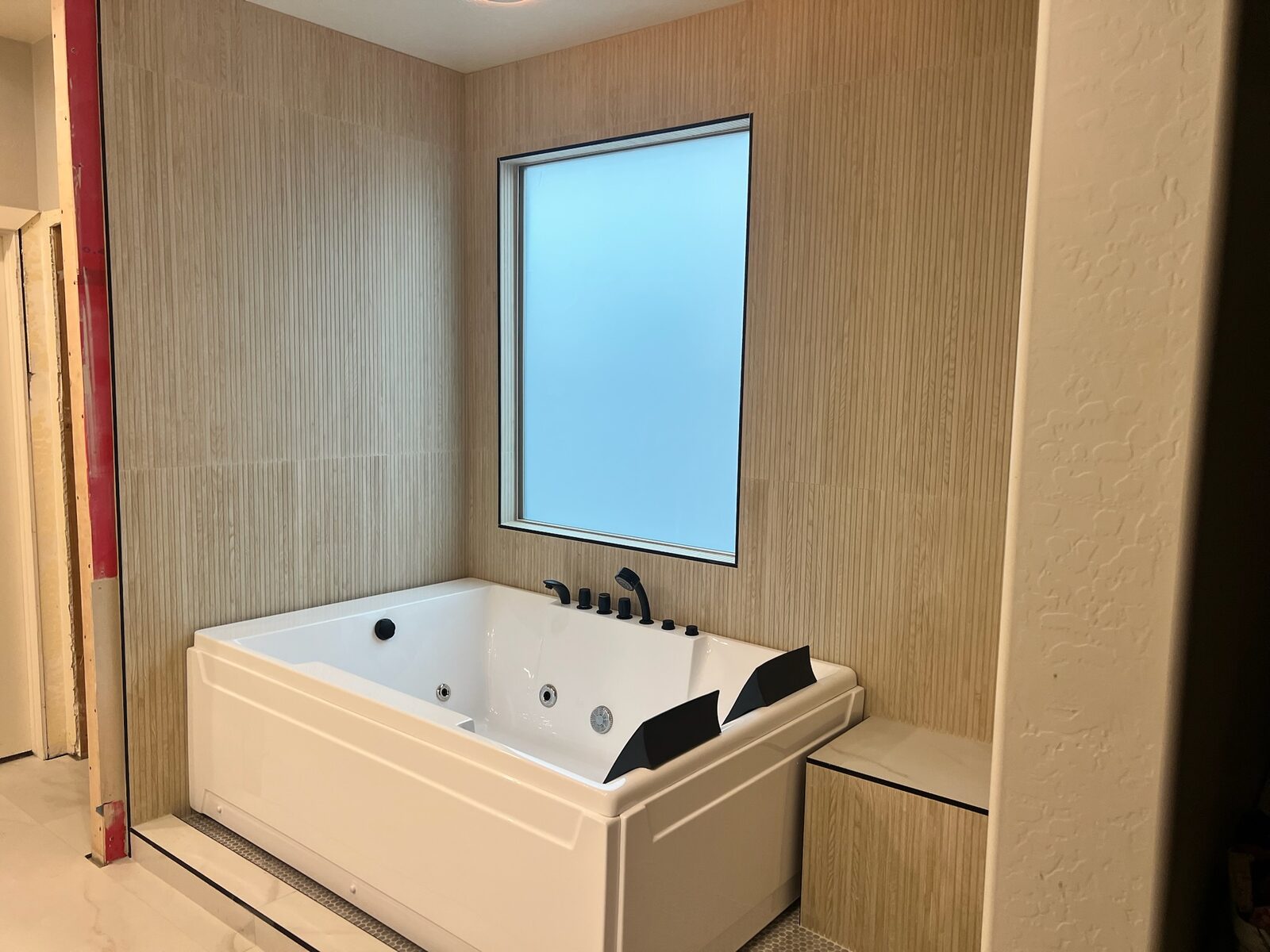
Residential reconstruction work by members of our team. See the full gallery →
More from Gold Water Fire
Abrasive Cleaning Methods for Soot on Framing and Masonry
A look at how abrasive cleaning methods remove soot from wood framing and masonry after a fire, and when each method fits the material.
AC Condensate Line Clogs & the Water Damage They Cause in Phoenix Homes
Why Phoenix AC condensate lines clog every summer, what the water damage looks like, and how to find the source before the ceiling stain spreads again.
Actual Cash Value vs Replacement Cost: Why Your Check Might Not Match the Repair Bill
Confused why your insurance check seems short after fire or water damage? Learn the difference between actual cash value and replacement cost coverage.
Dealing with a supplement on your own claim?
If you're trying to make sense of a scope change on a current water, fire, or rebuild project, Gold Water Fire can walk through what's been found and what it means for your claim. Reach us at (480) 999-3339 or Help@goldwaterfire.com, or visit our <a href="/contact.html">contact page</a> to get in touch.
Call (480) 999-3339Water Damage Restoration · Fire Damage Restoration · Reconstruction & Rebuild · Contact Gold Water Fire