
What Daily Moisture Monitoring Logs Record and Why They Matter to a Claim
If you've had water damage and you're watching someone walk through your home every day with a meter, pointing it at walls and floors and writing numbers on a clipboard, you might be wondering what any of that actually accomplishes. It can feel like a lot of waiting, a lot of noise from fans and dehumidifiers, and not a lot of explanation. You're not wrong to want to understand what's being measured and what happens to those numbers afterward, especially when you know an insurance adjuster is going to be looking at this claim at some point.
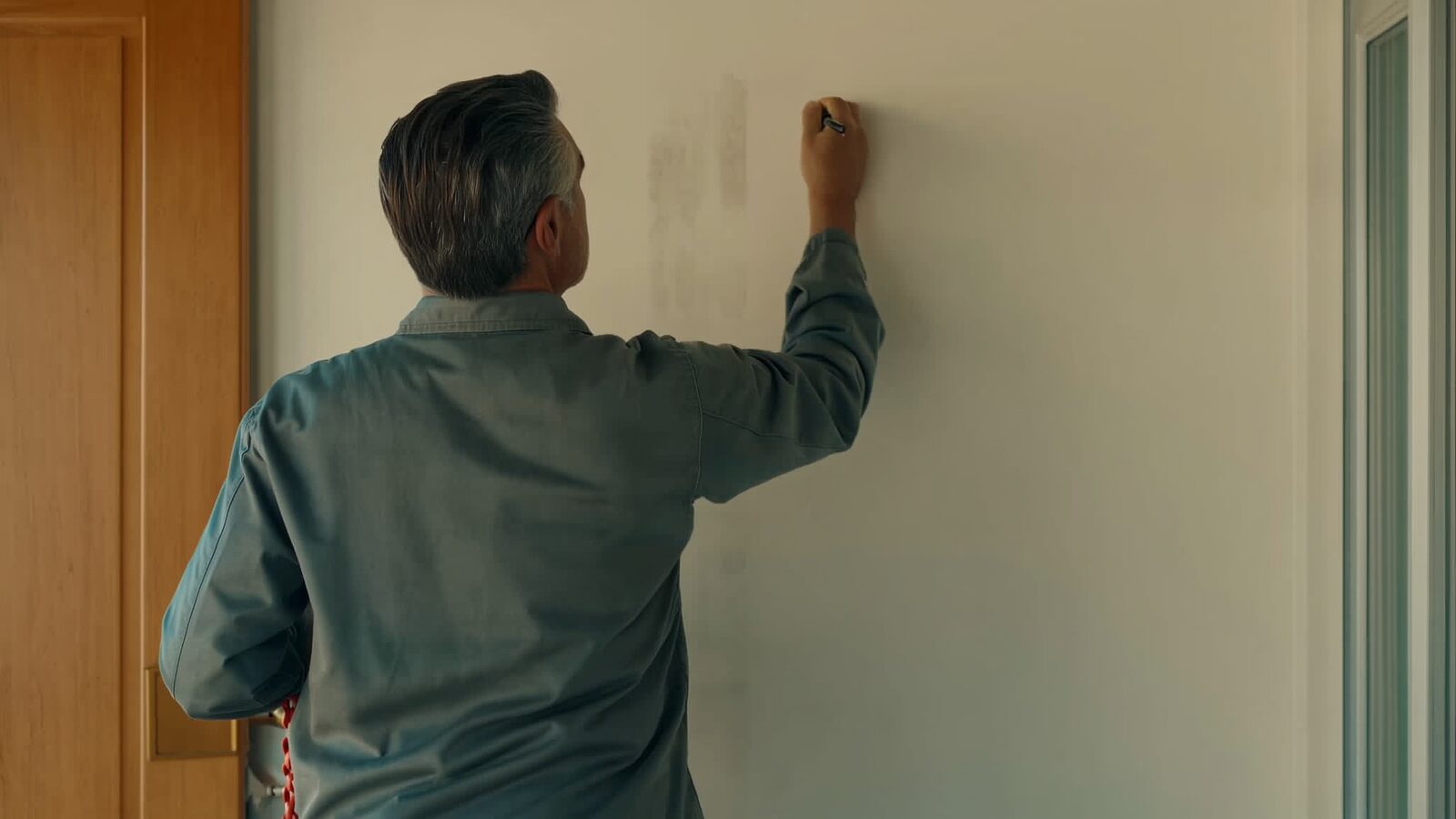
What Daily Moisture Monitoring Logs Record and Why They Matter to a Claim
What actually gets recorded each visit
A daily moisture monitoring log during a drying job typically tracks a handful of consistent data points at the same reference locations each day: moisture content readings in affected materials (drywall, subfloor, framing, baseboards), ambient temperature and relative humidity in the affected space, the same readings in an unaffected 'dry standard' room for comparison, and the equipment running at that point (air movers, dehumidifiers, and their settings or readouts). The log also usually notes the date and time of each reading, so there's a clear timeline of how conditions changed from the first day to the last.
Why the same spots get checked every single day
Materials dry at different rates depending on what they're made of, how wet they got, and how enclosed the space is. A single reading only tells you where things stand at that moment. A daily log, checked at the same reference points, is what shows the trend: whether moisture content is actually dropping toward a dry standard or has stalled out, which can mean hidden moisture, a leak that hasn't fully stopped, or a material that needs a different drying approach. Without consistent daily readings, there's no way to tell the difference between a job that's on track and one that's quietly not working.
How these logs connect to an insurance claim
Insurance claims for water damage are generally evaluated on documentation, not just on the fact that damage occurred. A daily monitoring log creates a dated record showing when drying started, how conditions changed day by day, and when materials reached an acceptable dry standard. That kind of record can support decisions like why certain materials were removed instead of dried in place, how many days of equipment rental or drying time were reasonable, and whether the affected area was actually returned to a dry condition before repairs began. Adjusters and claim reviewers often look for this kind of continuous record rather than a single before-and-after comparison.
What to look for if you're reviewing your own log
If you're handed a copy of a monitoring log, or you're asking to see one, look for a few things: consistent reference points from day to day (not different spots each time), a comparison to a dry standard reading in an unaffected area, and a clear end point where readings reach that standard. Gaps in dates, readings that jump around without explanation, or a log that stops before reaching a documented dry standard are worth asking about directly.
Questions people ask us
How long does daily moisture monitoring usually continue?
It generally continues until the affected materials reach a dry standard comparable to an unaffected reference area in the same home, which depends on the materials involved, how much moisture they absorbed, and the drying conditions in the space.
What is a dry standard reading and why does it matter?
A dry standard is a moisture reading taken in an unaffected part of the home, used as the baseline that damaged materials are compared against. It matters because moisture content numbers alone don't mean much without something normal to compare them to.
Can I request a copy of the daily monitoring log for my claim?
Documentation like this is typically part of the job record, and it's reasonable to ask your restoration contractor for a copy to keep with your own claim records.
What happens if moisture readings stop dropping?
A plateau in readings usually signals something needs attention, whether that's an ongoing moisture source, a material that needs a different drying method, or equipment placement that needs adjusting. It's one of the main reasons daily checks matter more than a single inspection.
The standard our team works to
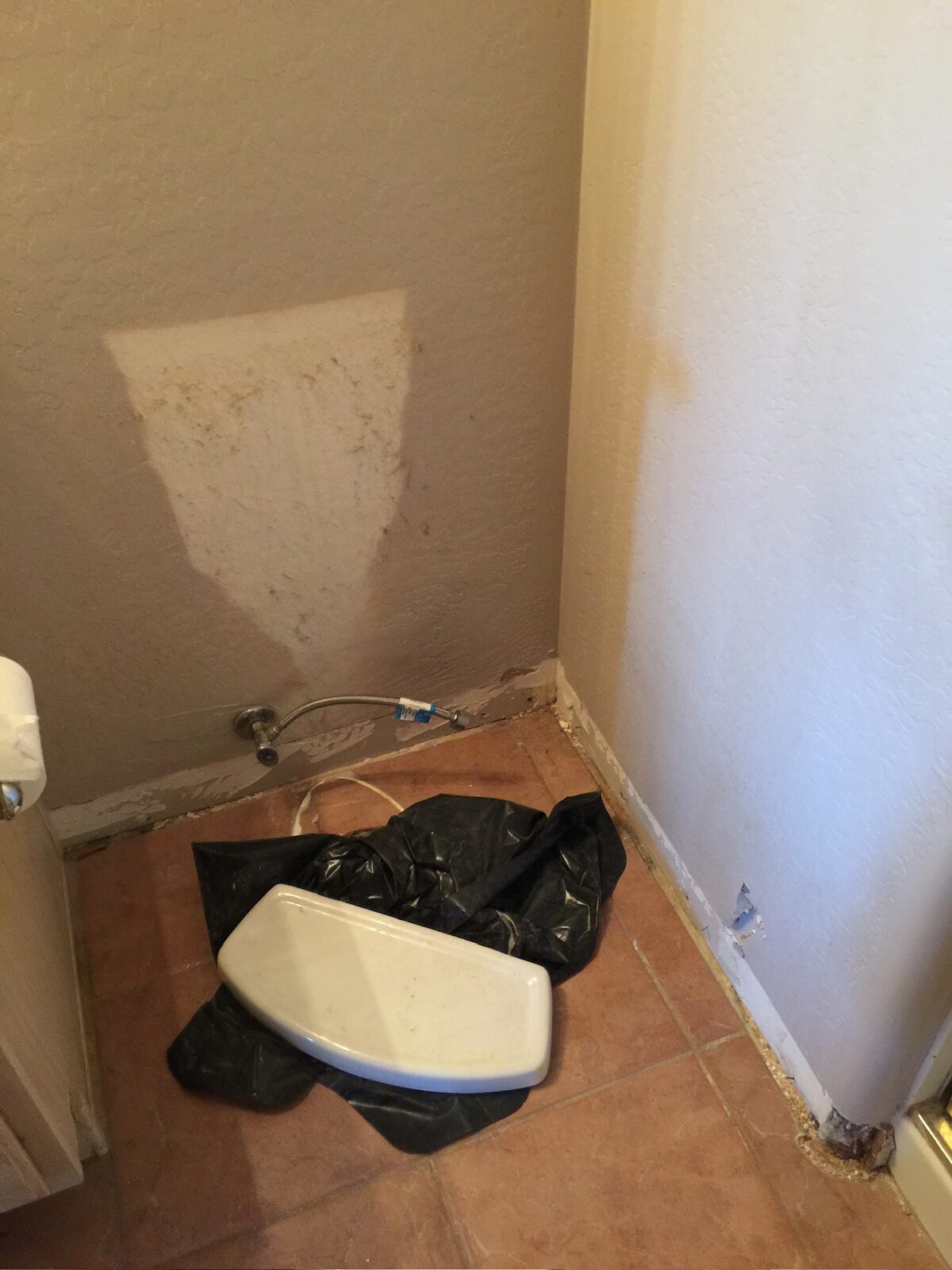
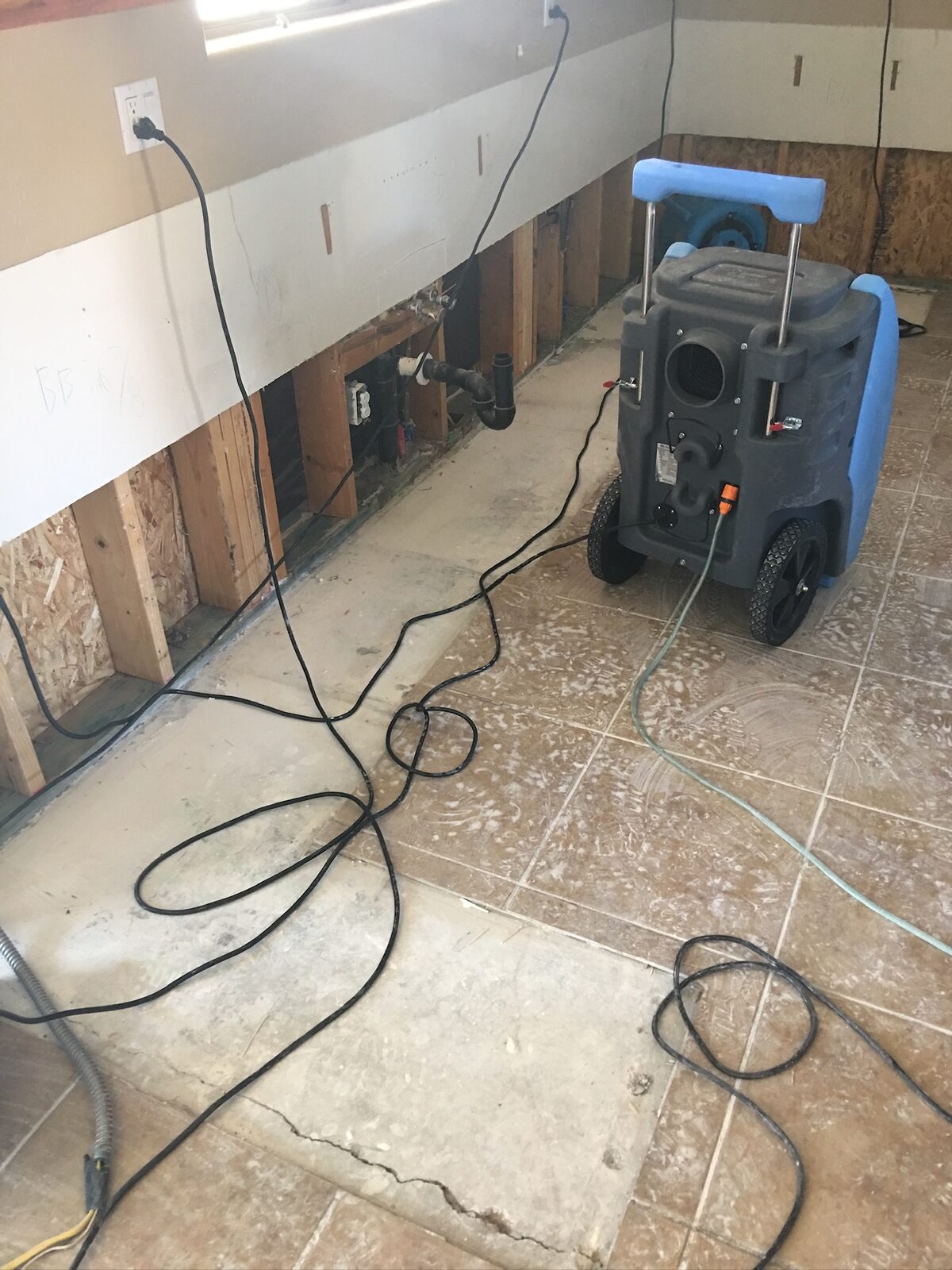
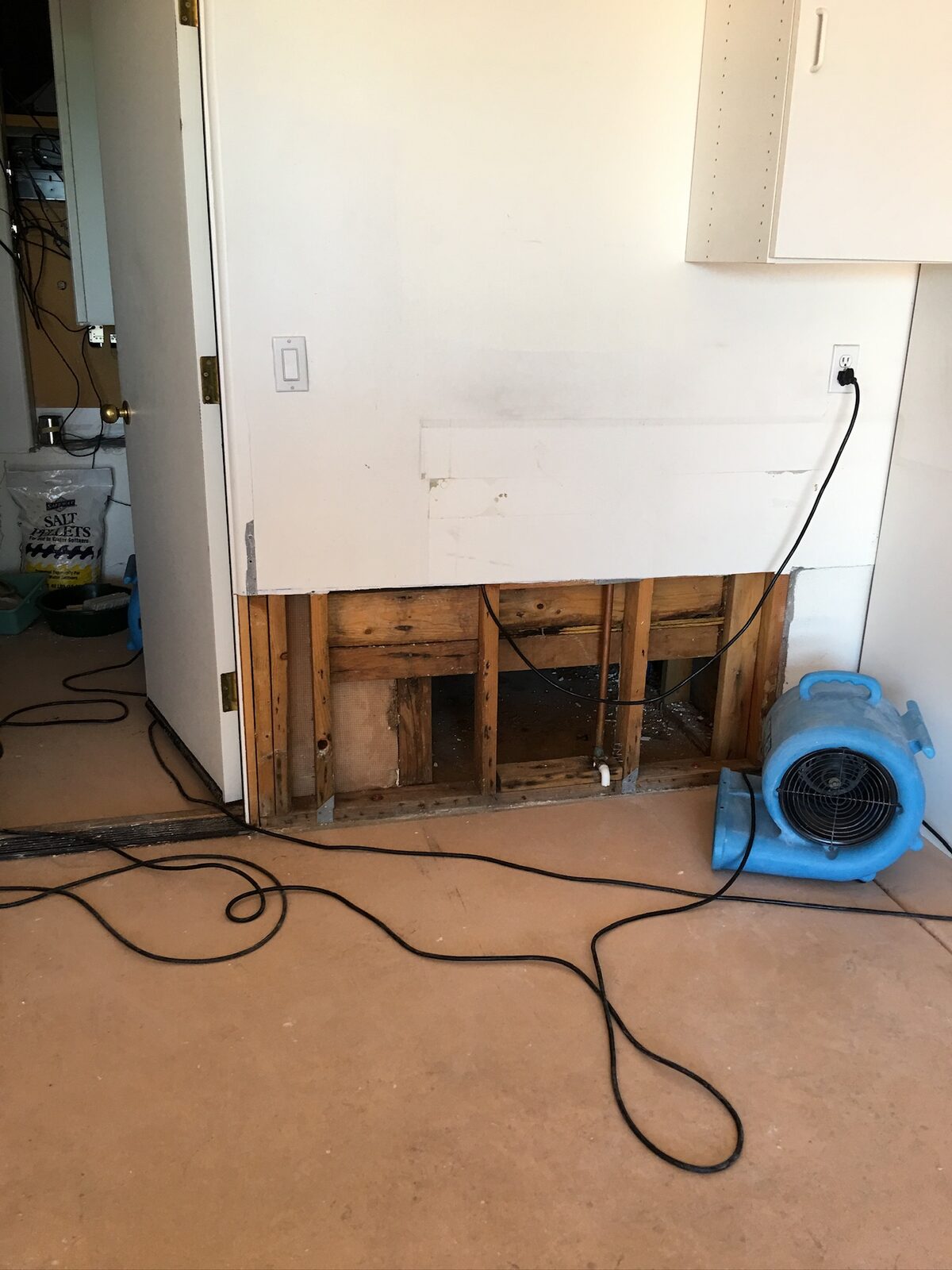
Residential reconstruction work by members of our team. See the full gallery →
More from Gold Water Fire
Abrasive Cleaning Methods for Soot on Framing and Masonry
A look at how abrasive cleaning methods remove soot from wood framing and masonry after a fire, and when each method fits the material.
AC Condensate Line Clogs & the Water Damage They Cause in Phoenix Homes
Why Phoenix AC condensate lines clog every summer, what the water damage looks like, and how to find the source before the ceiling stain spreads again.
Actual Cash Value vs Replacement Cost: Why Your Check Might Not Match the Repair Bill
Confused why your insurance check seems short after fire or water damage? Learn the difference between actual cash value and replacement cost coverage.
Have questions about a drying job or a claim in progress?
Gold Water Fire serves the Phoenix metro area, from NW Peoria and SE Avondale to SW San Tan Valley and NW Apache Junction. Call (480) 999-3339 or email Help@goldwaterfire.com to talk through what you're seeing.
Call (480) 999-3339Water Damage Restoration · About Gold Water Fire · Contact Us