
Why One Contractor for Mitigation and Rebuild Simplifies a Claim
If you're staring at two different companies, two different phone numbers, and two different sets of paperwork after a pipe burst or a fire, and you still don't have a straight answer about when your house will actually be back together, you're not missing something obvious. This is genuinely confusing, and it's confusing by design in a lot of cases, because the industry has historically split the "dry it out" work from the "build it back" work into two separate businesses that don't always talk to each other well.
Why One Contractor for Mitigation and Rebuild Simplifies a Claim
The claim has two phases, and they are not the same job
Every water or fire claim moves through two distinct stages. The first is mitigation: extracting standing water, running dehumidifiers and air movers, removing wet drywall or charred material, and stopping the damage from spreading further. The second is reconstruction: rebuilding the drywall, flooring, cabinetry, paint, and trim that had to come out. Insurance adjusters usually scope and pay for these in stages too, which is part of why so many companies only do one half of the work. Mitigation firms are often equipped for extraction and drying but not licensed or staffed for structural rebuild. General contractors who handle rebuild often don't carry the specialized drying equipment or moisture-monitoring protocols mitigation requires. That split isn't a conspiracy, it's just how the trade has historically organized itself.
What actually goes wrong when two companies split the job
The friction shows up in predictable places. The mitigation company finishes drying and leaves, and then the homeowner has to find, vet, and schedule a separate contractor for the rebuild, often with a gap of days or weeks in between while quotes get collected. The two companies may disagree about what's actually needed: was that drywall cut back far enough, is the subfloor really dry, does the scope match what the adjuster approved. When there's a dispute, the mitigation company points to the rebuild contractor and the rebuild contractor points back, and the homeowner is the one stuck relaying messages between two businesses that have no obligation to coordinate with each other. Paperwork gets duplicated or contradicts itself. And because the adjuster is also dealing with two separate estimates instead of one continuous scope, claim review can take longer simply because there's more to reconcile.
Two companies, two timelines
Scheduling a second contractor after mitigation ends means waiting for their availability from scratch, often after your claim has already been open for a while.
Two scopes to reconcile
When the drying scope and the rebuild scope come from different companies, the adjuster has to match up two documents instead of reviewing one continuous plan.
No single point of accountability
If something is missed, whether it's hidden moisture behind a wall or a mismatched repair, each company can point to the other instead of owning the fix.
What one contractor handling both phases can simplify
When mitigation and reconstruction are handled by the same company, the same team that documented the original damage carries that knowledge straight into the rebuild plan. There's no re-explaining the situation to a second set of strangers, no gap between drying out and rebuilding while you shop for a second contractor, and one point of contact for the adjuster to work with from start to finish. That doesn't mean the process is instant or that every claim moves at the same speed, insurance review still takes the time it takes, but it removes one entire layer of coordination that homeowners otherwise have to manage themselves on top of everything else going on. Water damage restoration and fire damage restoration both flow into reconstruction and rebuild, and when it's the same company doing all of it, that handoff happens internally instead of becoming your job to manage.
Questions worth asking before you sign with anyone
Whether or not you end up working with us, ask any contractor these questions before you commit: Do you handle both mitigation and reconstruction, or will I need to find a second company for the rebuild? Who documents the damage, and does that documentation carry forward to whoever does the rebuild? Will the same project manager be involved from the first day through the final walkthrough? What happens if hidden damage is found once drywall or flooring comes out, who makes that call and how is it documented for the adjuster? Getting clear answers to these before work starts can save you from discovering the gap after the drying equipment is already out of your house.
Questions people ask us
Do I have to use the same company for mitigation and rebuild?
No, you can choose separate contractors for each phase. Some homeowners do this because their insurer recommends a specific mitigation vendor. It's worth knowing going in that this route means you'll be responsible for coordinating the handoff yourself.
Will my insurance company require two separate contractors?
Most policies don't require this. Insurers typically care that the work is done properly and documented clearly, not that it's split between two businesses. Ask your adjuster directly if you're unsure.
How long is the gap between mitigation ending and rebuild starting?
This depends on scheduling, claim approval, and the extent of the damage, so there's no fixed timeline. A gap is more likely when a second contractor has to be found and scheduled from scratch after mitigation wraps up.
What if hidden damage is found during the rebuild phase?
This happens more often than people expect, especially with water damage that traveled behind walls or under flooring. Whoever finds it needs to document it clearly and communicate with the adjuster before proceeding, which is easier to manage when one company has been tracking the project from the start.
The standard our team works to
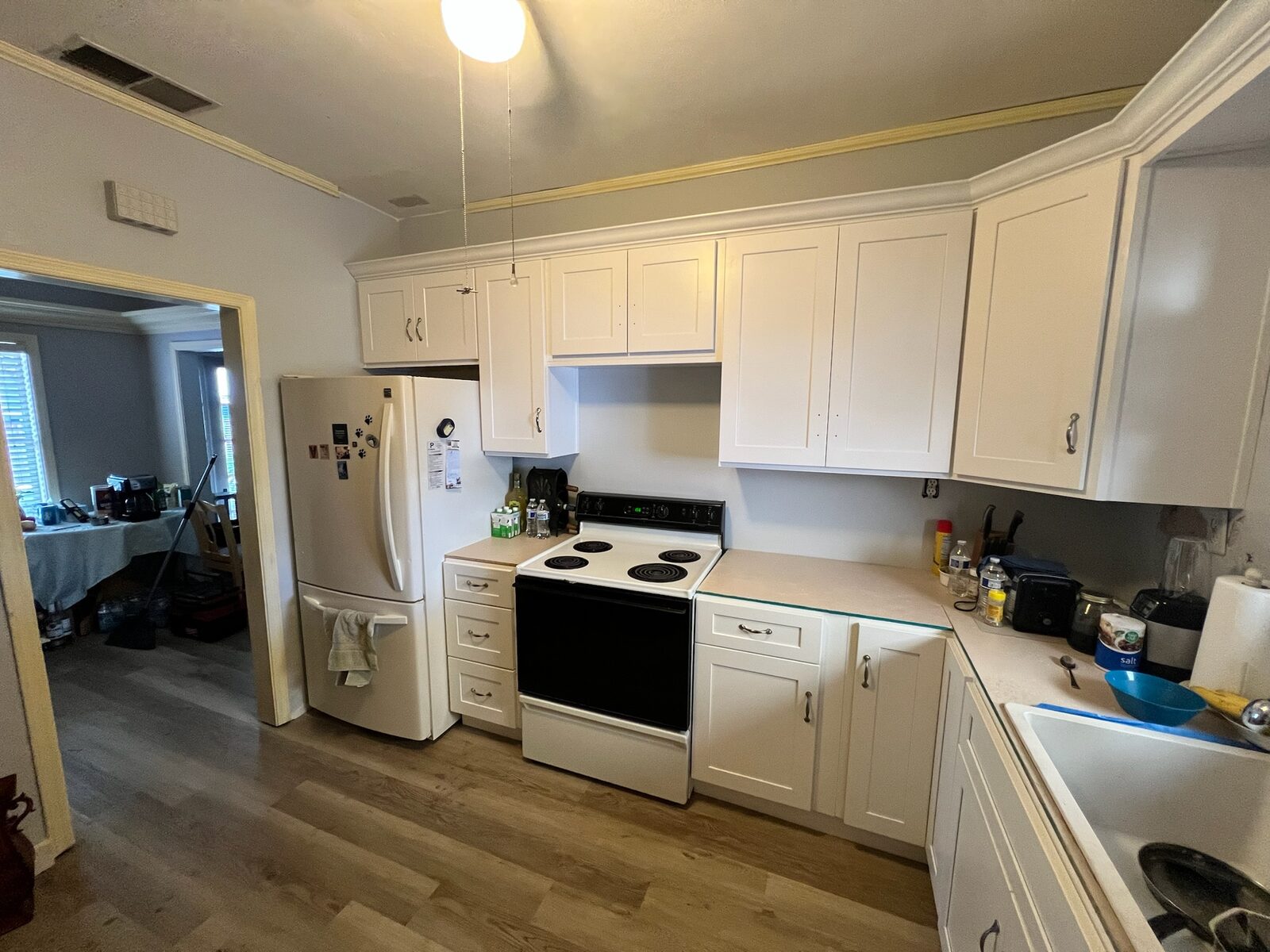
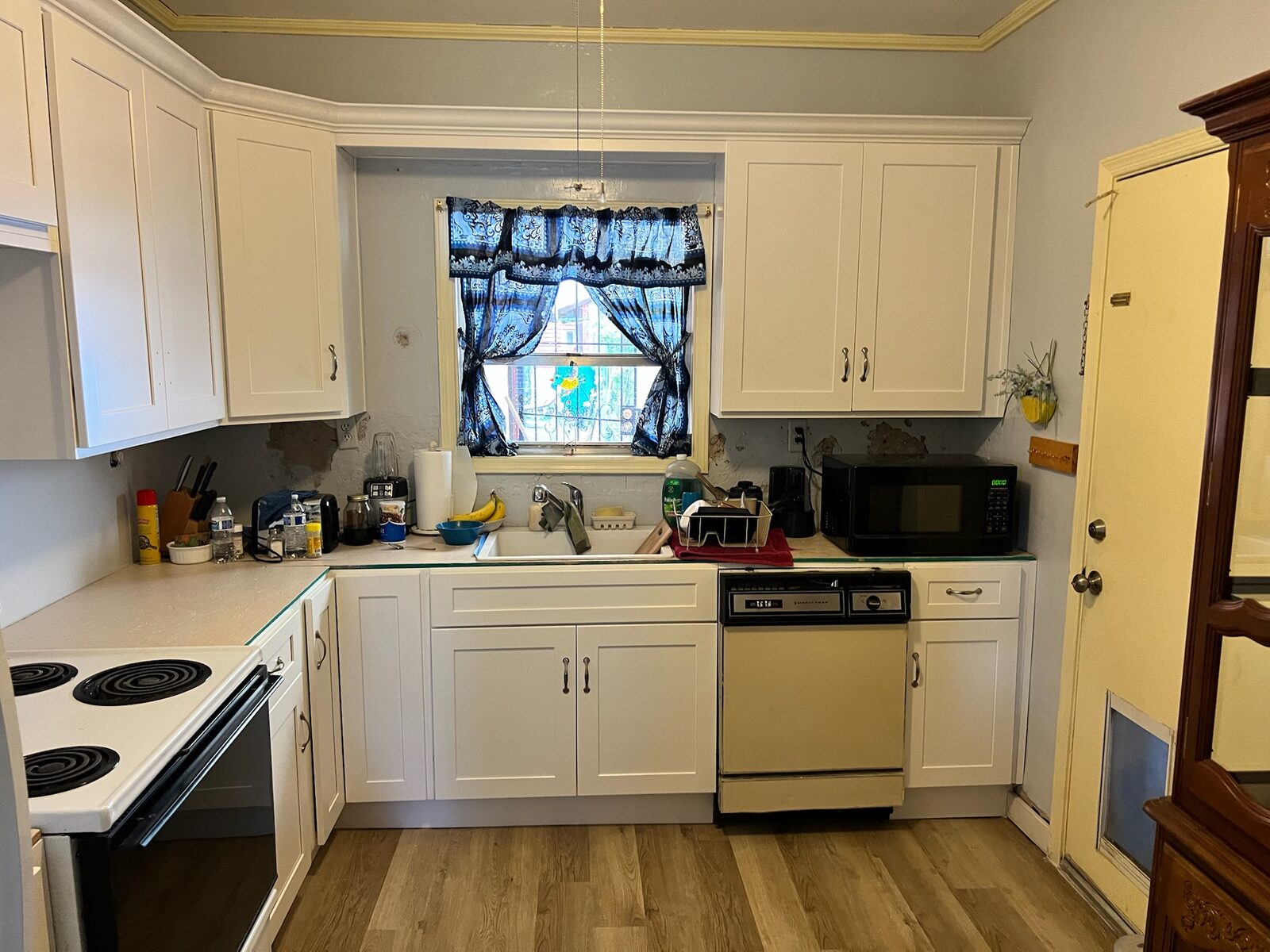
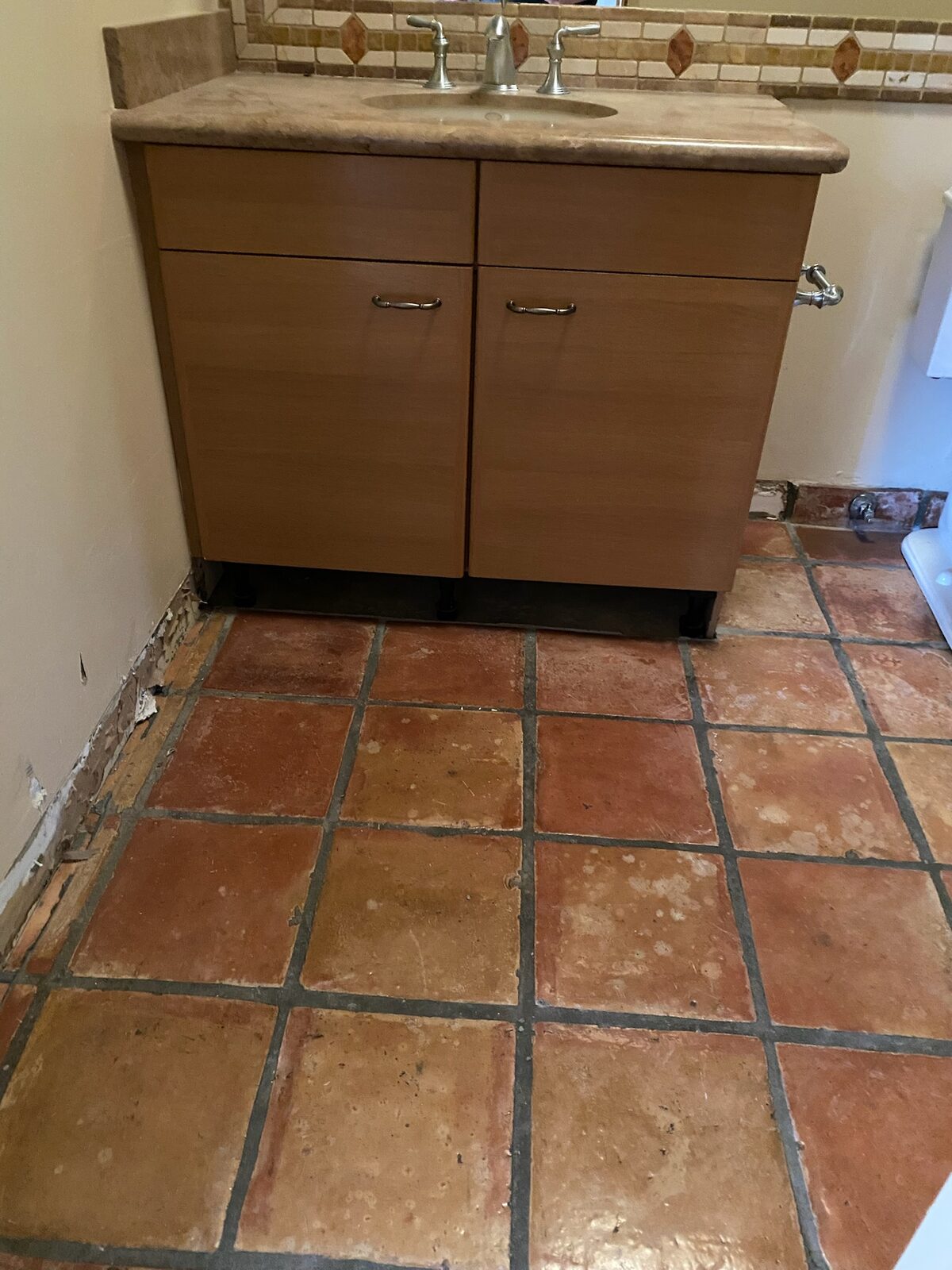
Residential reconstruction work by members of our team. See the full gallery →
More from Gold Water Fire
Abrasive Cleaning Methods for Soot on Framing and Masonry
A look at how abrasive cleaning methods remove soot from wood framing and masonry after a fire, and when each method fits the material.
AC Condensate Line Clogs & the Water Damage They Cause in Phoenix Homes
Why Phoenix AC condensate lines clog every summer, what the water damage looks like, and how to find the source before the ceiling stain spreads again.
Actual Cash Value vs Replacement Cost: Why Your Check Might Not Match the Repair Bill
Confused why your insurance check seems short after fire or water damage? Learn the difference between actual cash value and replacement cost coverage.
Have questions about your specific situation?
If you're trying to figure out whether your claim needs one contractor or two, call Gold Water Fire at (480) 999-3339 or reach out through our contact page. We're happy to talk through what you're looking at before you decide anything.
Call (480) 999-3339