
Reopening a Claim When Damage Shows Up After Repairs Began
You thought this was over. The claim was approved, the crew came in, maybe drywall is already back up or new flooring is down, and then you notice something that doesn't add up. A soft spot near the baseboard. A smell that wasn't there before the repair started. A stain bleeding through fresh paint. It's disorienting to find damage after you believed the problem was already handled, and it's fair to wonder if you missed something, if the first inspection was wrong, or if you're now on your own to pay for it. None of that confusion means you did anything wrong.
Reopening a Claim When Damage Shows Up After Repairs Began
Why hidden damage surfaces mid-repair
Water and fire damage don't always announce themselves where you can see them. Water travels along the path of least resistance, following framing, subfloor seams, and wall cavities far from the original leak or flood line. A moisture reading taken during the first inspection might have missed a pocket that was still trapped behind a wall or under cabinetry. Fire damage works differently but causes the same surprise: smoke and soot migrate through HVAC systems and wall voids, and heat can weaken structural members in ways that aren't obvious until a wall is opened for repair. This is a known, common pattern in restoration work, not a sign that the original assessment was careless.
What to do the moment you notice it
Stop and document before anything else changes. Take photos and video of the new damage from multiple angles, including something for scale if possible. Note the date you noticed it and, if you can pin it down, when the repair crew would have exposed that area. If the damage is active, meaning still wet or still producing odor, note that too, since it affects how urgently it needs to be addressed. Avoid patching it yourself or letting it get covered by the next phase of work until it has been recorded and reported.
How reopening a claim actually works
Most insurance policies allow a claim to be reopened or supplemented when new damage tied to the same covered event is discovered, even after work has started. This typically means contacting your adjuster or claims department, explaining what was found and when, and providing your documentation. Insurers generally want to know whether the newly found damage stems from the same cause as the original claim (the same water intrusion or fire event) since that connection is usually what determines whether it falls under the existing claim rather than requiring a new one. Keep a written record of who you spoke with and when, since claims involving multiple contacts can get confusing to track otherwise.
Why a restoration contractor's documentation matters here
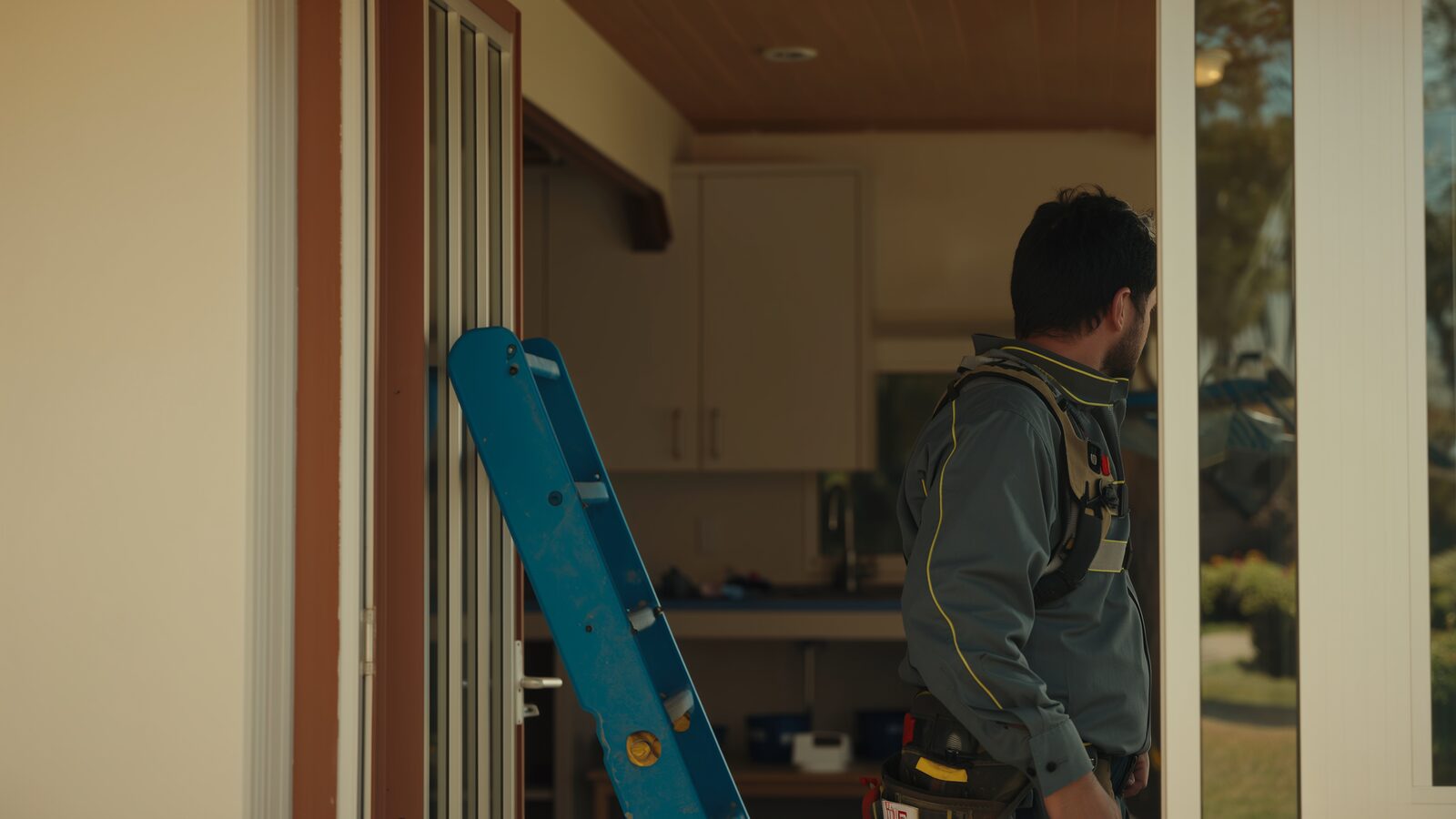
A contractor who is already on site during repairs is often the one who finds concealed damage first, since demolition and rebuild work expose areas that a visual inspection alone cannot reach. Detailed notes on when a wall was opened, what was found behind it, and moisture or char patterns can support a supplemental claim. This is general information about how the claims process tends to work, not a guarantee of any particular outcome with your insurer or policy.
Related reading
For more on how initial water damage assessments work, see Water Damage Restoration. If the damage traces back to a fire event, Fire Damage Restoration covers how soot and structural damage get identified. If repairs are already underway and need to expand in scope, Reconstruction & Rebuild covers what that process involves.
Questions people ask us
Can an insurance claim be reopened after repairs have already started?
In most cases, yes, if the newly discovered damage is connected to the same covered event as the original claim. Policies and insurers vary, so it's worth confirming directly with your adjuster or claims department as soon as you find something new.
What if the insurance company says the new damage isn't covered?
Ask specifically why, in writing, and whether it's a coverage issue or a question of whether the damage is tied to the original event. Documentation showing when and how the damage was found can matter a great deal in that conversation.
Should I stop the repair work while I sort out the claim?
That depends on the situation and your contractor's judgment, since some damage needs prompt attention regardless of claim status. At minimum, make sure the newly found damage is documented before it gets covered up by the next phase of work.
Does finding more damage mean the first inspection was wrong?
Not necessarily. Concealed damage behind walls, under flooring, or in HVAC systems is often impossible to detect until repair work physically opens that area up.
The standard our team works to
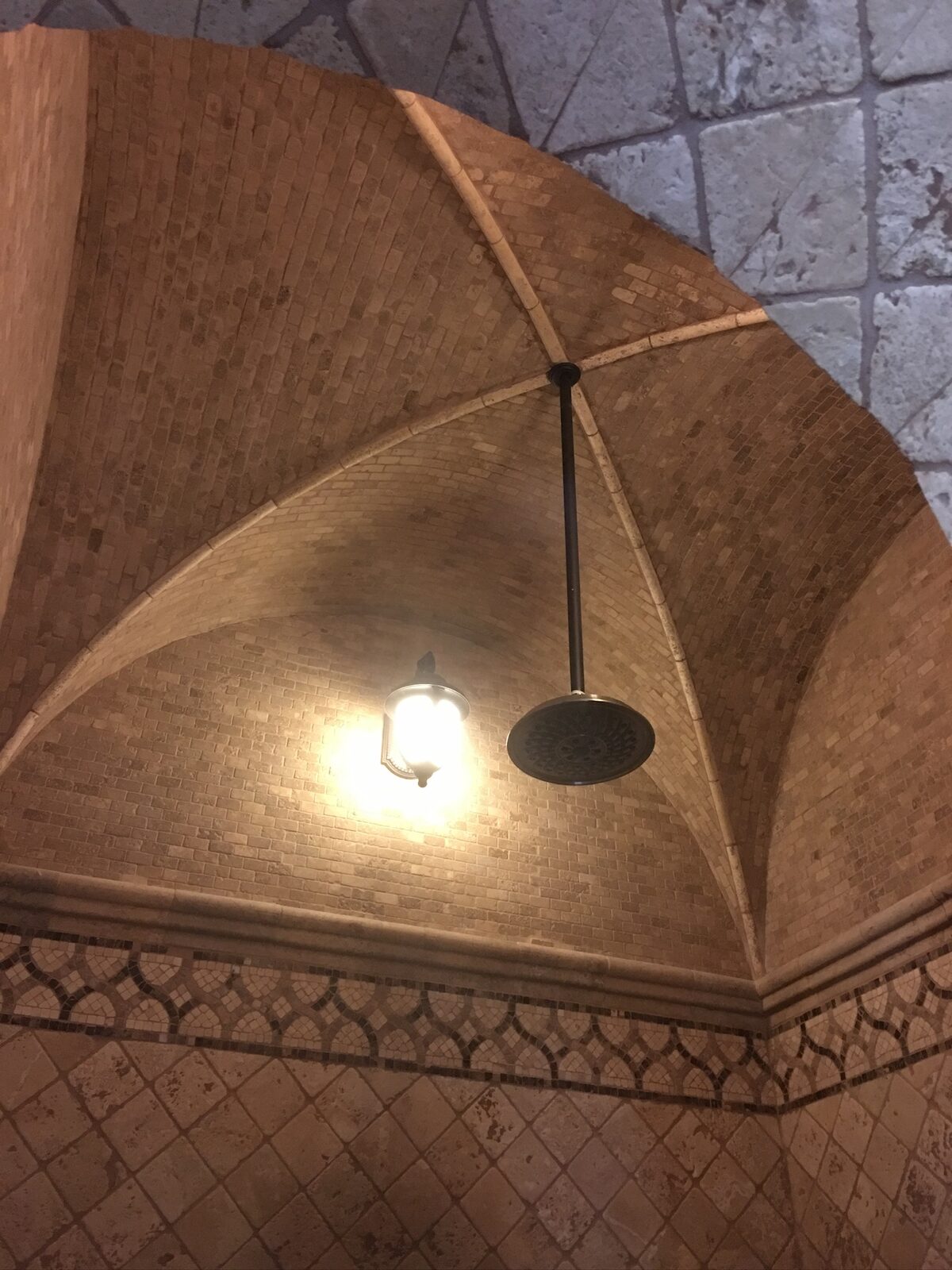
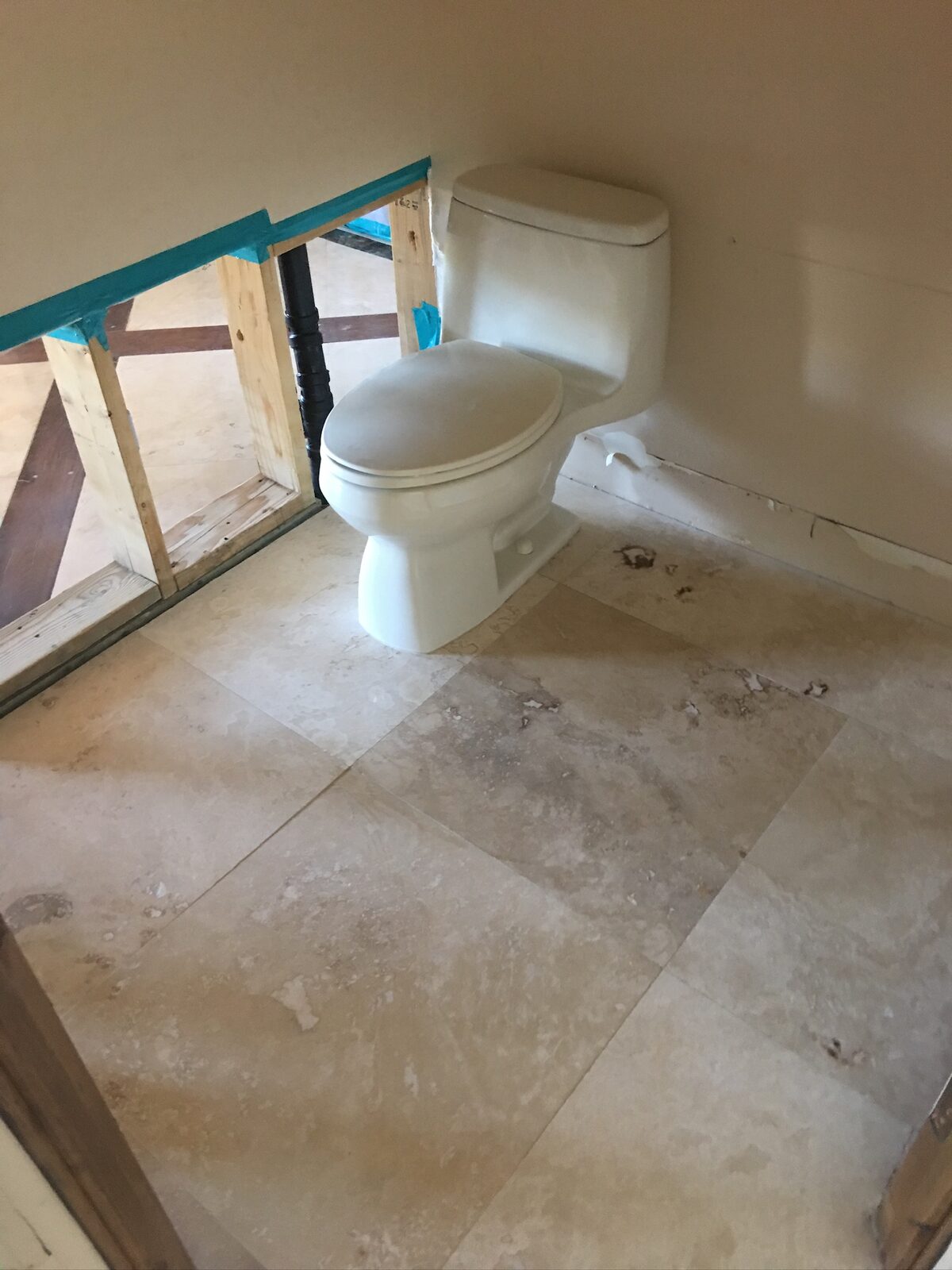
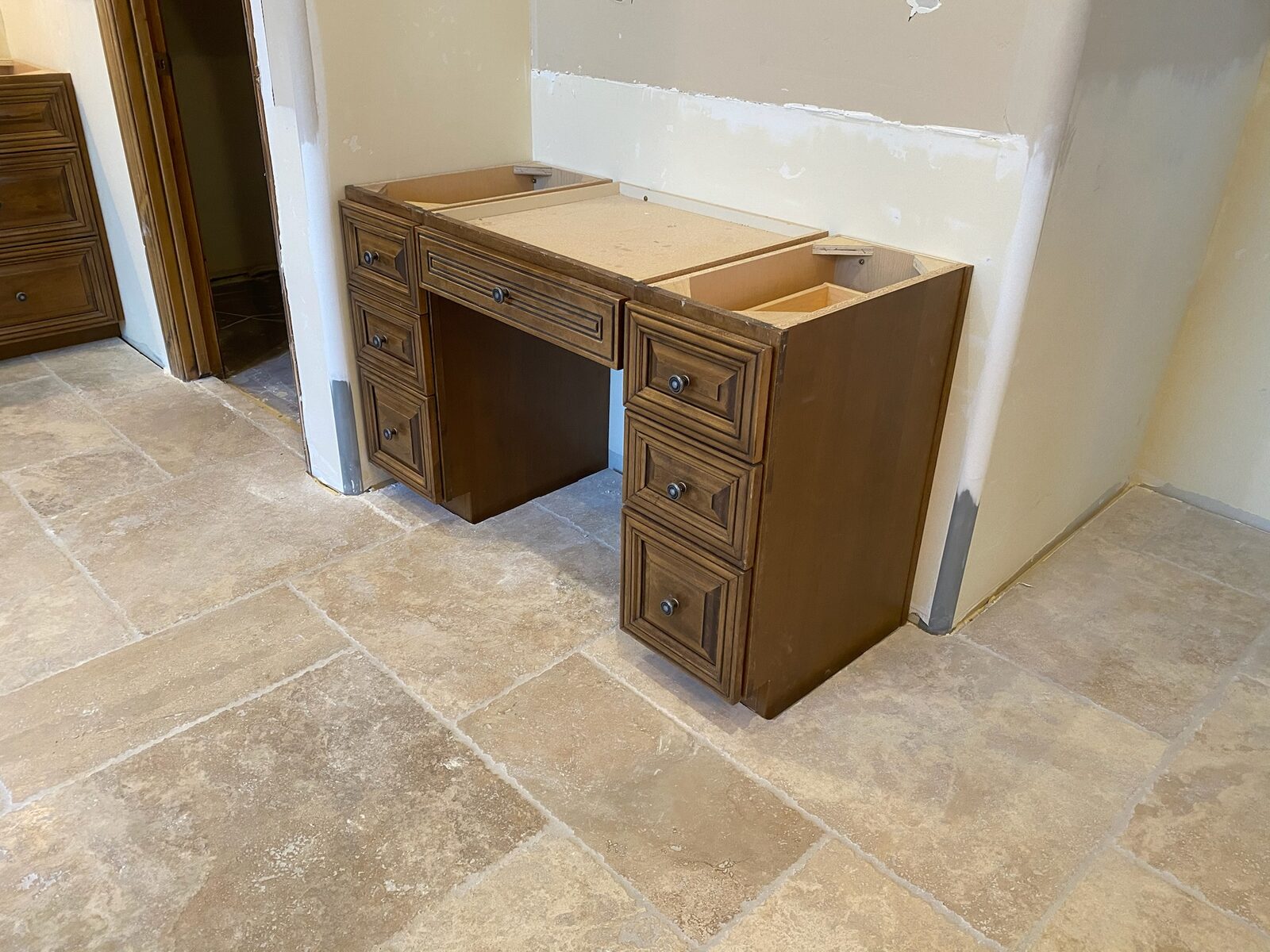
Residential reconstruction work by members of our team. See the full gallery →
More from Gold Water Fire
Abrasive Cleaning Methods for Soot on Framing and Masonry
A look at how abrasive cleaning methods remove soot from wood framing and masonry after a fire, and when each method fits the material.
AC Condensate Line Clogs & the Water Damage They Cause in Phoenix Homes
Why Phoenix AC condensate lines clog every summer, what the water damage looks like, and how to find the source before the ceiling stain spreads again.
Actual Cash Value vs Replacement Cost: Why Your Check Might Not Match the Repair Bill
Confused why your insurance check seems short after fire or water damage? Learn the difference between actual cash value and replacement cost coverage.
Found something new during your repair?
If damage has turned up after work already began, reach out to Gold Water Fire at (480) 999-3339 or Help@goldwaterfire.com to talk through what you're seeing and what documentation might help.
Call (480) 999-3339Water Damage Restoration · Fire Damage Restoration · Reconstruction & Rebuild · Contact Gold Water Fire