
Carpet After Drying: Restretching, Cleaning, and When Replacement Wins
The water is gone and the carpet looks dry, but it doesn't feel right underfoot anymore. Maybe there are ripples near the baseboard, or a section that bunches up when you walk on it, or a smell that lingers even though everything looks fine on the surface. It's a strange kind of limbo: the emergency is technically over, but you're left staring at the floor wondering if it's actually okay, or if you're standing on a problem that's just been hiding from you.
Carpet After Drying: Restretching, Cleaning, and When Replacement Wins
Why carpet ripples or loosens after it dries
Carpet is held in place by tack strips around the room's perimeter and, in many installs, a separate pad underneath. When carpet fibers and backing absorb water, they can stretch and swell. As the material dries, it doesn't always shrink back evenly. The result is ripples, waves, or loose spots, especially near walls, doorways, and high-traffic paths. This is a mechanical issue, not a hygiene issue by itself, and it's usually fixable without replacing the carpet.
What restretching actually fixes
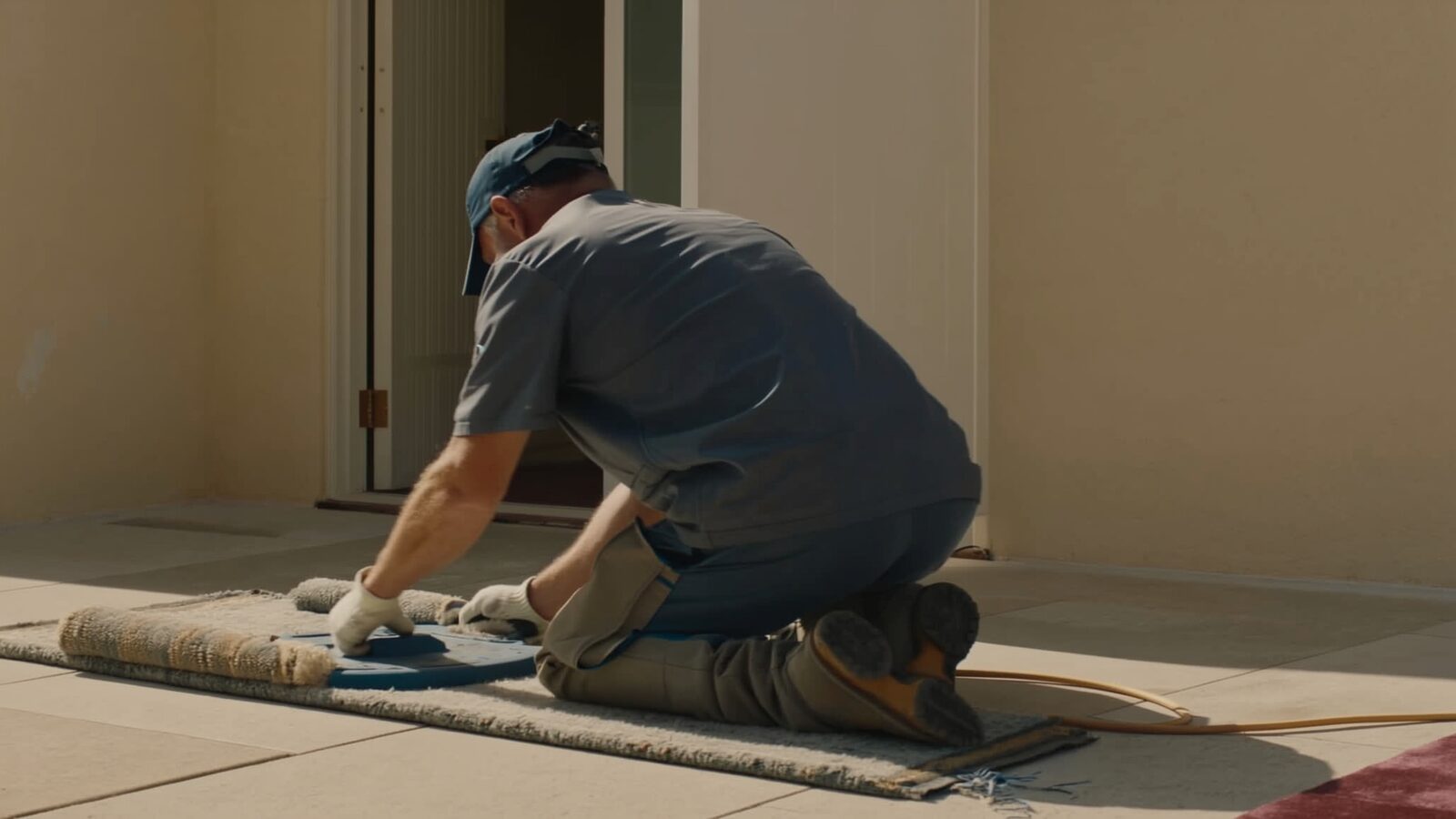
A power stretcher is used to pull the carpet taut again and re-hook it onto the tack strips around the room's edges. This resolves ripples, bunching, and the loose, spongy feel that shows up after carpet has been wet and dried. Restretching addresses the carpet itself, not what's underneath it. If the pad or subfloor absorbed water too, restretching alone won't solve odor or long-term softness, because the problem is below the surface you're stretching.
What professional cleaning can and can't remove
Hot water extraction and other deep-cleaning methods can pull out residue, discoloration, and much of the smell that clean water leaves behind. It works well when the water source was clean, like a supply line or overflow, and the carpet was dried quickly. It's less reliable when the water sat for more than a day or two, when the source was a drain or sewage backup, or when the pad underneath stayed damp. In those cases, cleaning may mask a smell temporarily without solving what's causing it.
Signs the pad or subfloor need attention too, not just the carpet
A few things point to a problem deeper than the carpet: a smell that returns a day or two after cleaning, a soft or squishy feel underfoot even after the surface feels dry, discoloration on the underside of the carpet when a corner is pulled back, or visible staining on the subfloor itself. Carpet pad is inexpensive to replace compared to carpet, and it holds onto moisture and odor far more than carpet fibers do. If the pad was wet for any real length of time, replacing just the pad while keeping the carpet is often worth considering before assuming the whole floor has to go.
When replacement is the better call
Some situations move past what restretching and cleaning can fix. Carpet that was submerged or wet for an extended period can lose its backing integrity, meaning it won't hold a stretch even after the work is done. Water contaminated by sewage or heavy contaminants (often called gray or black water) creates a health consideration that cleaning alone doesn't resolve, since porous materials like carpet and pad can hold contaminants deep in the fibers. Persistent odor after a proper dry-out and cleaning attempt, visible mold on the carpet backing or pad, or delamination (where the backing separates from the carpet fibers) are all signs that replacement is the more reliable path forward.
A practical way to think through the decision
Start with the source: clean water that was addressed quickly leans toward restretch and clean. Contaminated water, or clean water left standing for days, leans toward replacement of at least the pad, and often the carpet too. Next, check the pad by pulling back a corner, since pad condition often tells you more than the visible carpet does. Finally, trust your nose after a real cleaning attempt has fully dried. If the smell comes back, something underneath is still holding moisture, and that's a sign the fix needs to go deeper than the surface.
Questions people ask us
Can carpet be saved after a flood or major leak?
It depends on how long it stayed wet and what kind of water was involved. Clean water addressed within a day or two often allows carpet to be saved. Water that sat longer, or came from a contaminated source, more often calls for replacing the pad, the carpet, or both.
How do I know if it's the carpet or the pad causing a lingering smell?
Pull back a corner of the carpet near where the water was and look at the pad underneath. Pad holds moisture and odor much more than carpet does, so if the smell is strongest there, or the pad looks discolored, that's usually the source.
Does restretching carpet get rid of odor?
No. Restretching only fixes the physical fit of the carpet, the ripples and looseness. It does nothing for smell or moisture trapped in the pad or subfloor. Odor needs to be addressed separately through cleaning or replacement of what's holding it.
Is it normal for carpet to ripple after it dries from a leak?
Yes, this is common. Carpet fibers and backing can stretch when wet and not shrink back evenly as they dry, leaving ripples or loose spots. It's usually a mechanical fix (restretching) rather than a sign the carpet is ruined.
The standard our team works to
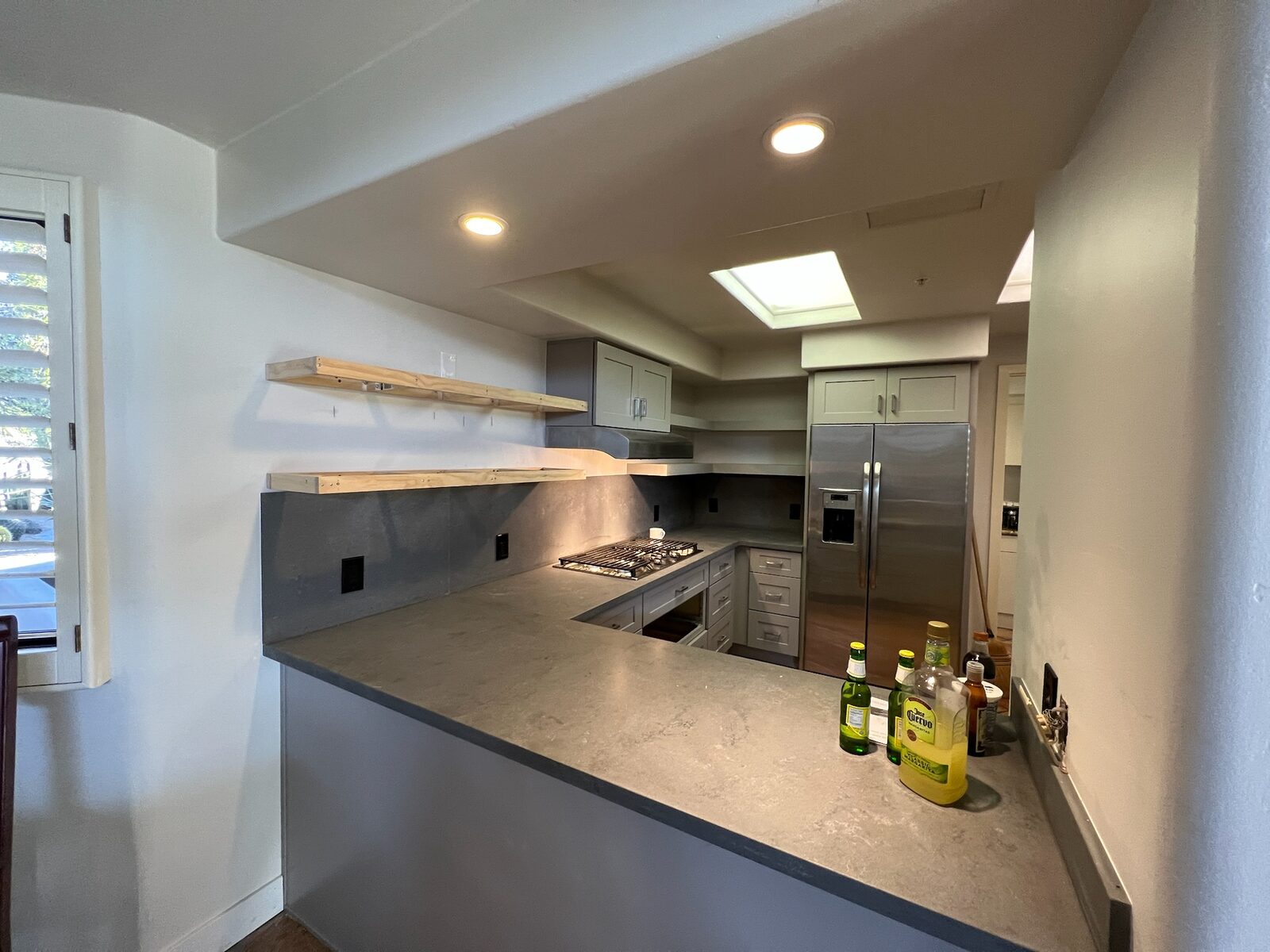
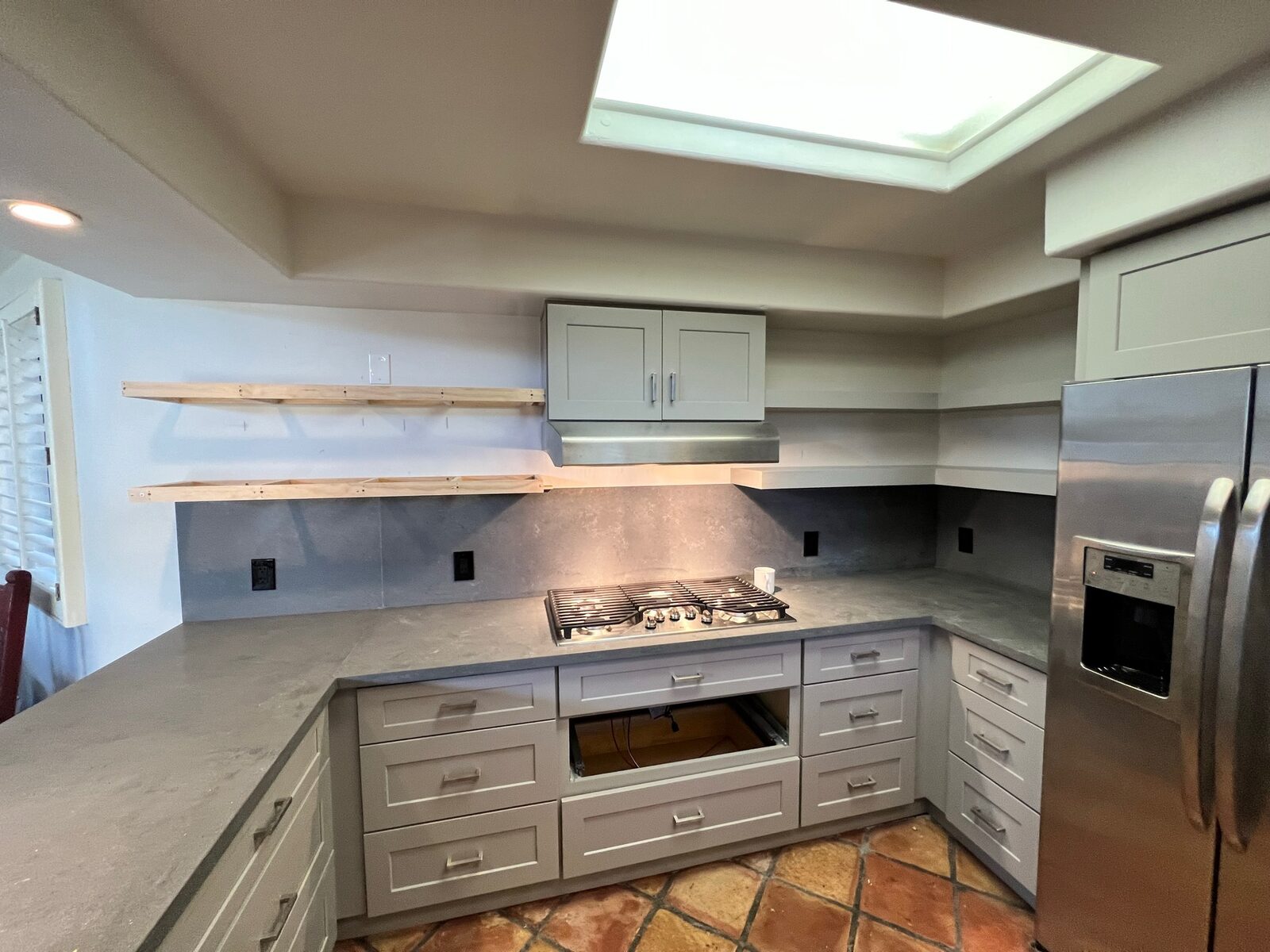
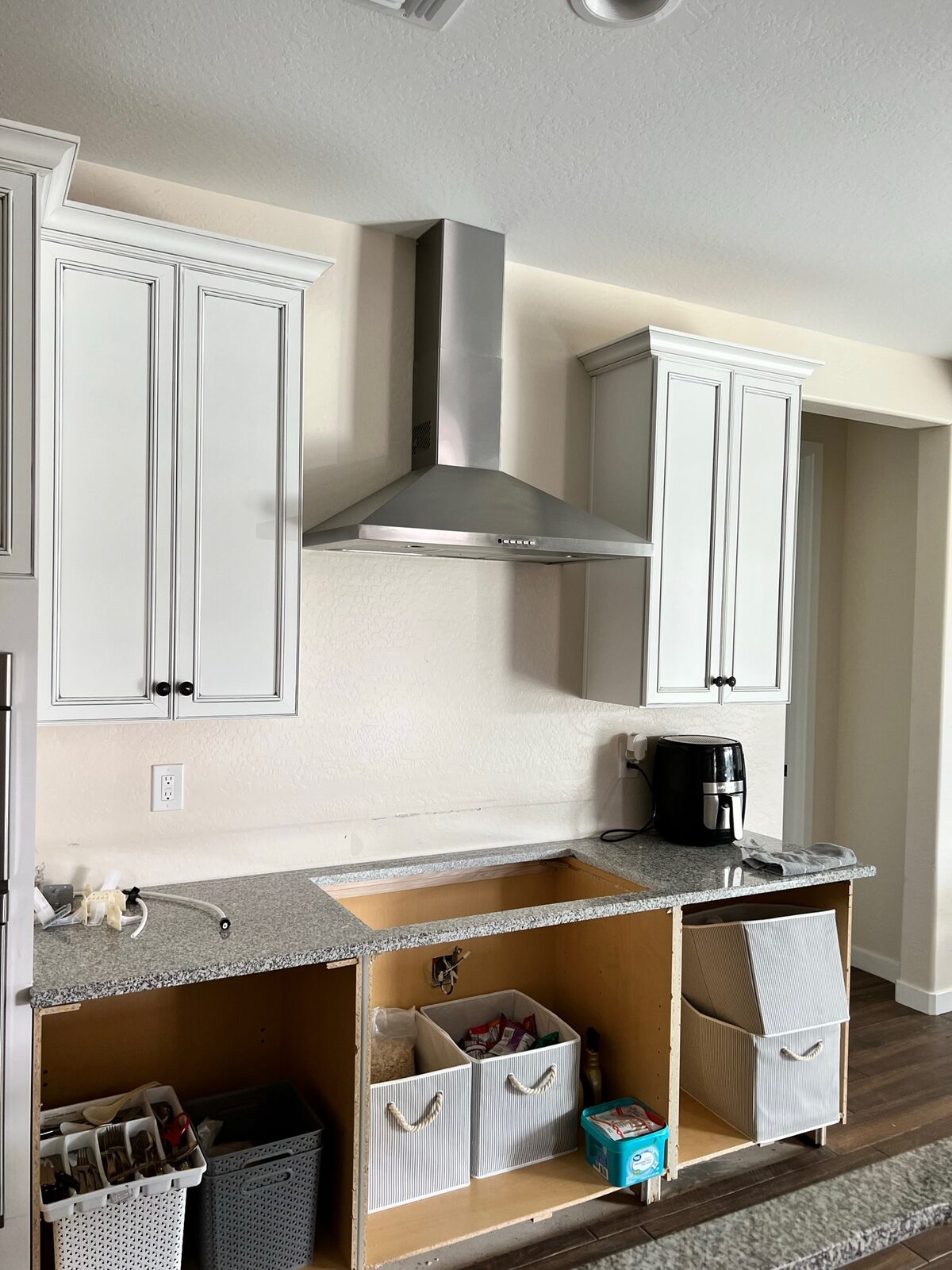
Residential reconstruction work by members of our team. See the full gallery →
More from Gold Water Fire
Abrasive Cleaning Methods for Soot on Framing and Masonry
A look at how abrasive cleaning methods remove soot from wood framing and masonry after a fire, and when each method fits the material.
AC Condensate Line Clogs & the Water Damage They Cause in Phoenix Homes
Why Phoenix AC condensate lines clog every summer, what the water damage looks like, and how to find the source before the ceiling stain spreads again.
Actual Cash Value vs Replacement Cost: Why Your Check Might Not Match the Repair Bill
Confused why your insurance check seems short after fire or water damage? Learn the difference between actual cash value and replacement cost coverage.
Not sure which way your carpet should go?
If you're dealing with carpet after a leak or water event in the Phoenix area, Gold Water Fire can take a look and talk through what's actually happening underneath it. Reach us at (480) 999-3339 or Help@goldwaterfire.com.
Call (480) 999-3339Water Damage Restoration · Reconstruction & Rebuild · Contact Gold Water Fire