
Floor Mat Drying Systems: Rescuing Hardwood Without Tearing It Out
Standing over a hardwood floor that's just taken on water, it's hard to know what you're actually looking at. Is this a floor that can be saved, or is it already gone underneath the finish where you can't see? The cupping, the slight give underfoot, the smell that won't quite go away, none of it tells you clearly whether you're looking at a repair or a full replacement. That uncertainty is its own kind of stress, especially when every contractor you call seems to have a different answer before they've even walked the room.
Floor Mat Drying Systems: Rescuing Hardwood Without Tearing It Out
What a floor mat drying system actually does
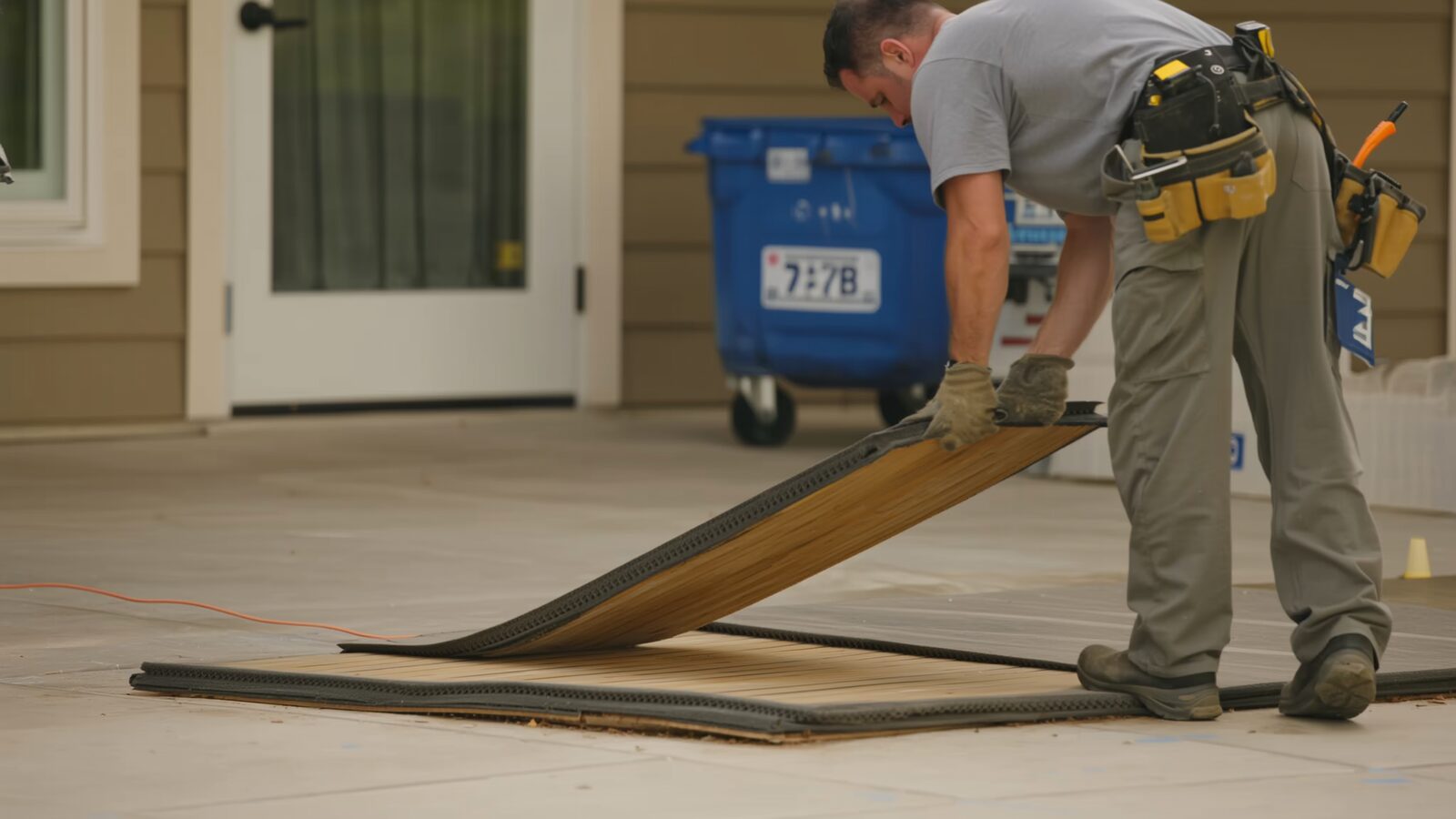
A floor mat drying system uses flat, sealed mats placed directly on the wood surface, connected to a specialized dehumidifier or vacuum-style extraction unit. Instead of drying the room's air and hoping the floor eventually gives up its moisture, the mats create a controlled vacuum or airflow directly against the wood. This pulls moisture out through the seams, joints, and the wood grain itself, from the top surface down through the subfloor, without removing a single board.
Why this matters before anyone reaches for a crowbar
Hardwood is often written off too quickly after water intrusion because visible symptoms, cupping, slight buckling, discoloration, look dramatic. But wood is porous and somewhat forgiving. If the water exposure was recent and the subfloor hasn't delaminated or rotted, there's frequently a window where in-place drying can pull the floor back to a stable moisture content before permanent damage sets in. Tearing out hardwood is not always the only option, and it's worth knowing that before agreeing to demolition.
How the process typically unfolds
Moisture content in the wood is measured first, board by board, using a penetrating or non-penetrating meter, and compared against a dry standard from an unaffected area of the same floor. Mats are then laid across the affected boards and sealed at the edges. Negative pressure or targeted airflow draws moisture out over a period of days, with moisture readings checked periodically to track progress. Drying continues until the wood returns to a moisture content close to that dry standard, not just until the floor looks or feels dry to the touch, since surface dryness and internal dryness are not the same thing.
When mat drying isn't the right call
In-place drying has real limits. If the subfloor has swollen, delaminated, or shows signs of rot, if the hardwood has already separated from the subfloor (a hollow sound when tapped is a clue), or if the water sat long enough for mold to establish itself inside the assembly, drying in place can mask a bigger problem rather than solve it. Engineered wood with a thin veneer layer is also less forgiving than solid hardwood, since the veneer can delaminate permanently even when the core dries out fine. A careful moisture inspection, not guesswork, is what determines which category a given floor falls into.
Questions people ask us
How long does it take to dry hardwood floors with mat systems?
It depends on how much water the wood absorbed, the species and thickness of the flooring, and the subfloor material underneath. Drying is tracked by moisture meter readings rather than a fixed number of days, and continues until the wood reaches a stable moisture content that matches an unaffected reference area.
Can hardwood floors always be saved after water damage?
No. Whether a floor can be dried in place depends on how long it was wet, whether the subfloor has swollen or delaminated, and whether the wood has already separated from the subfloor. A moisture inspection is the only reliable way to know which situation you're dealing with.
Does the floor finish need to come off before drying?
Not always, though a finish can slow how quickly moisture escapes through the top surface. Some drying approaches account for this by extending drying time or adjusting airflow, rather than requiring the finish to be sanded off first.
How do I know if my floor is a candidate for this instead of replacement?
Signs worth paying attention to include how recently the water exposure happened, whether the boards still feel solid underfoot rather than hollow or spongy, and whether there's any visible mold growth. A hands-on moisture assessment is the only way to know for certain.
The standard our team works to
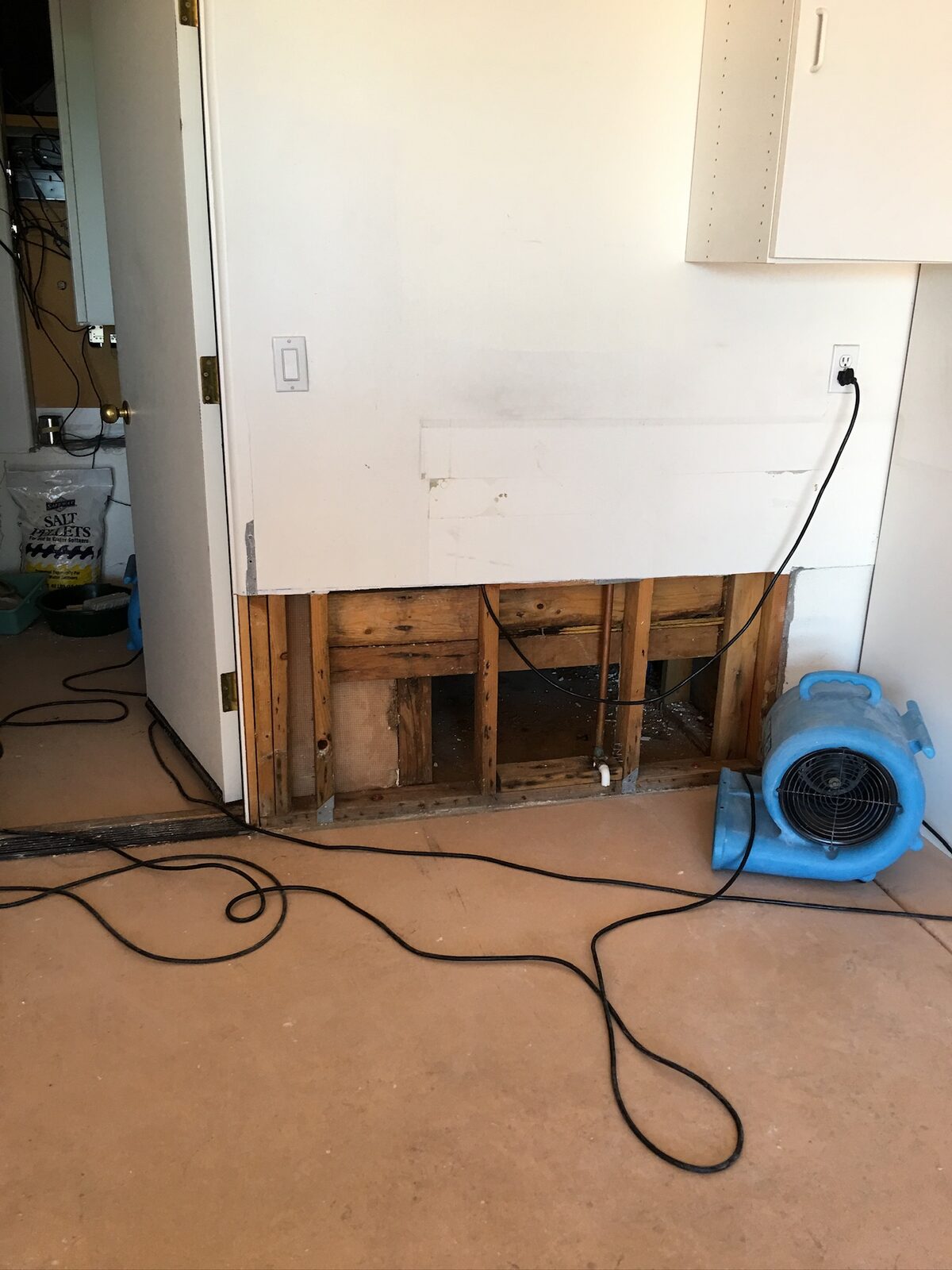
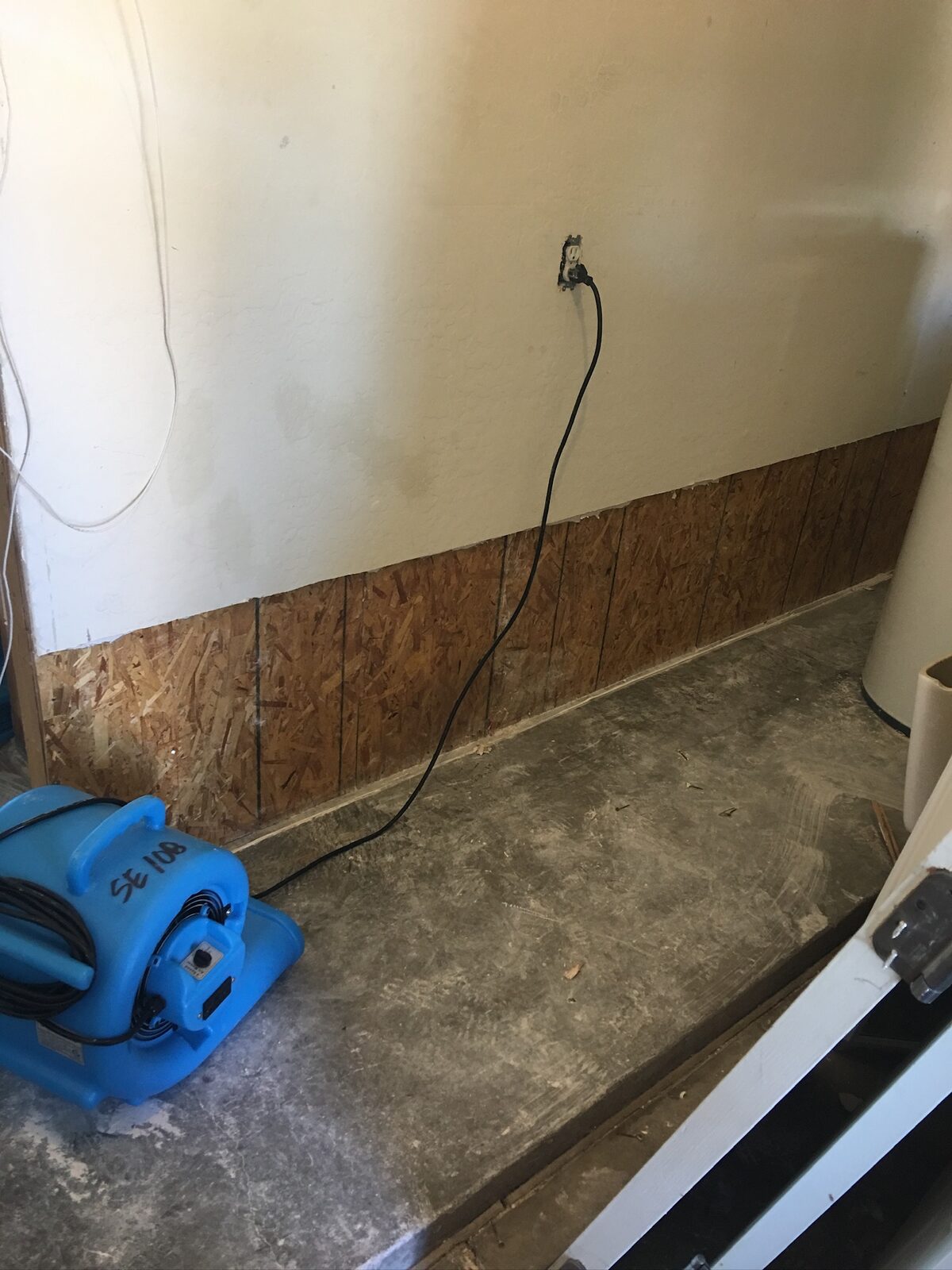
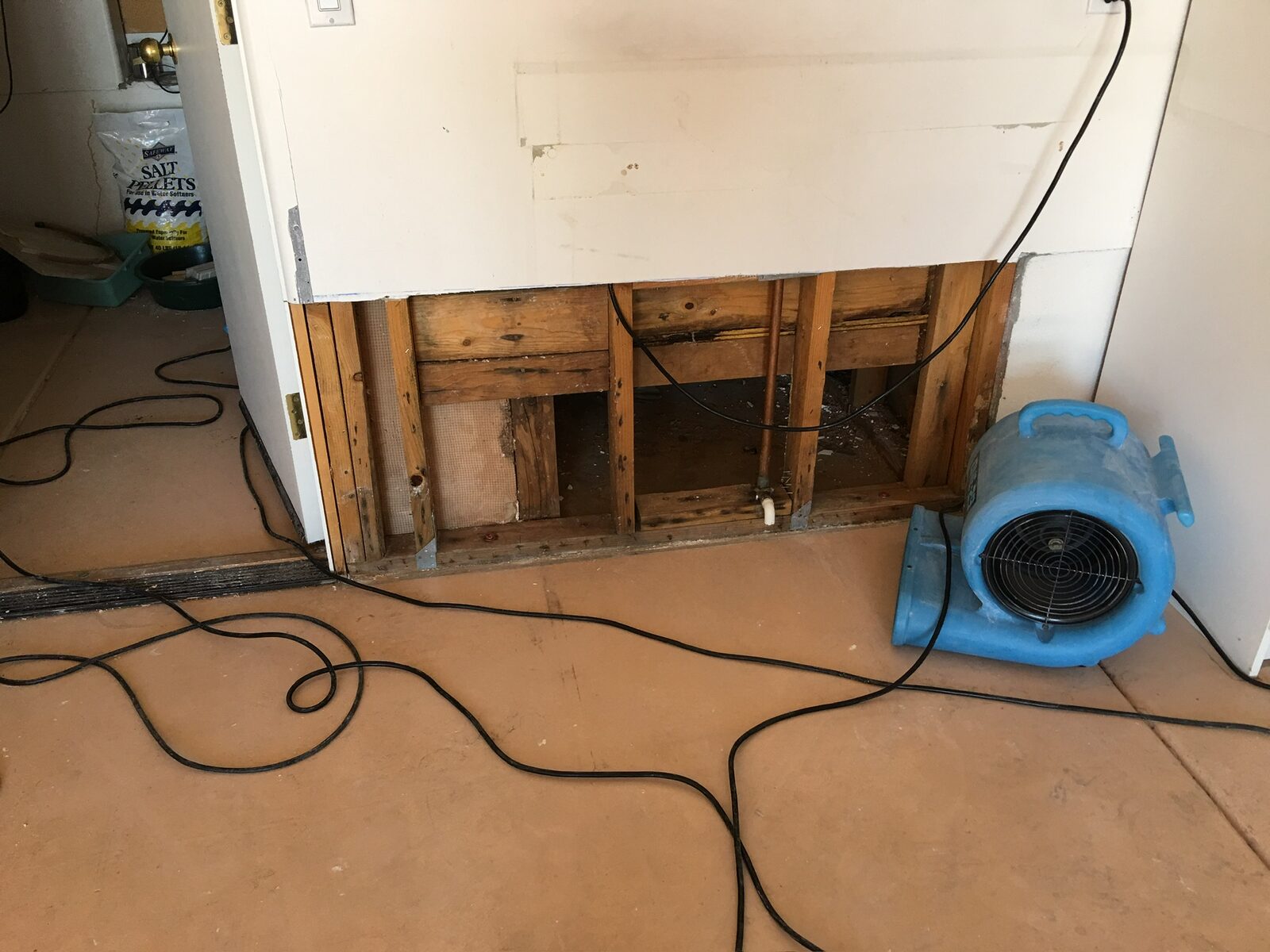
Residential reconstruction work by members of our team. See the full gallery →
More from Gold Water Fire
Abrasive Cleaning Methods for Soot on Framing and Masonry
A look at how abrasive cleaning methods remove soot from wood framing and masonry after a fire, and when each method fits the material.
AC Condensate Line Clogs & the Water Damage They Cause in Phoenix Homes
Why Phoenix AC condensate lines clog every summer, what the water damage looks like, and how to find the source before the ceiling stain spreads again.
Actual Cash Value vs Replacement Cost: Why Your Check Might Not Match the Repair Bill
Confused why your insurance check seems short after fire or water damage? Learn the difference between actual cash value and replacement cost coverage.
Not sure if your floor can be saved?
If you're standing in front of a wet hardwood floor in the Phoenix area and trying to figure out what happens next, Gold Water Fire can walk through it with you. Reach out at (480) 999-3339 or Help@goldwaterfire.com.
Call (480) 999-3339Water Damage Restoration · Contact Gold Water Fire · About Gold Water Fire