
A Musty Smell With No Visible Mold: Where to Look and What It Means
You've walked the room twice now. Checked behind the couch, under the sink, along the baseboards. Nothing looks wet, nothing looks stained, and yet the smell is there every time you walk back in, faint but unmistakable, like a basement that never quite dries out. It's an unsettling kind of not-knowing. You can't point to it, you can't photograph it, and part of you is starting to wonder if you're imagining it. You're not. A musty smell almost always means moisture is present somewhere, even when every visible surface looks clean and dry.
A Musty Smell With No Visible Mold: Where to Look and What It Means
Your nose is picking up something your eyes can't see yet
That musty odor is caused by microbial volatile organic compounds, gases given off by mold and mildew as they grow and feed. The smell can develop before a colony is large enough to see, and it can also come from mold growing somewhere you simply can't look directly: inside a wall cavity, under flooring, behind a cabinet back, or inside HVAC ductwork. So the absence of a visible spot doesn't mean the absence of moisture. It usually means the moisture and the growth are just out of sight, not out of existence.
The places that hide moisture longest
Start with anywhere water could get in or condense and then have no easy way to dry out. Under sinks and around supply lines, behind and beneath dishwashers and washing machines, along the bottom plate of exterior walls, inside closets that share a wall with a bathroom, around window frames and door thresholds, in crawl spaces or under-slab areas if your home has them, and inside or around HVAC supply and return vents. Pull back rugs, check the underside of furniture that sits against exterior walls, and open cabinet doors to feel for cool, damp air or a stronger smell concentration. If the odor gets noticeably stronger in one specific spot, that's usually your best clue to where the source is.
Reading the clues without seeing the source
A smell that's strongest near the floor often points to a plumbing leak, slab moisture, or poor drainage against the foundation outside. A smell concentrated near a ceiling or upper wall can point to a roof leak, attic condensation, or a leak from a unit above if you're in a multi-level or shared building. A smell that comes and goes with the air conditioner running is worth paying attention to, since it can mean moisture inside the ductwork or a condensate drain line that isn't draining properly. A smell that's worse after it rains almost always means water is getting in from outside, even if it's drying out again before you notice a stain.
Signs the moisture has been there a while
A musty smell that has been consistent for weeks, rather than appearing after a single rain or spill, suggests the moisture source is ongoing rather than a one-time event. Other signs to watch for alongside the smell: paint or drywall that feels slightly soft or looks faintly discolored even without a clear stain, wood flooring that feels cool or slightly uneven underfoot, or a noticeable increase in allergy-type symptoms (sneezing, congestion, irritated eyes) specifically inside that room. None of these confirm mold on their own, but together with a persistent odor they point toward moisture that's had time to settle in rather than a passing dampness.
Questions people ask us
Can a musty smell go away on its own without finding the source?
If the smell fades completely once you air out the room or run a dehumidifier, it may have been a temporary humidity issue. If it comes back once the room closes up again, there's likely an ongoing moisture source that airing out alone won't fix.
Is a musty smell always mold?
Not always. Stagnant water in a drain trap, damp cardboard or fabric, or even a dirty HVAC filter can produce a similar smell. But because mold and hidden moisture are common causes, it's worth ruling those out first rather than last.
Should I cut into a wall to check for hidden mold?
That's a reasonable last step, but not the first one. Checking obvious moisture points, running a dehumidifier, and monitoring where the smell is strongest can often narrow things down before any wall needs to be opened.
Does a stronger smell mean a bigger problem?
Generally, yes. A faint, barely noticeable odor may point to early or minor moisture. A strong, persistent smell that fills a room usually means either a larger affected area or a source that's been unaddressed for longer.
The standard our team works to
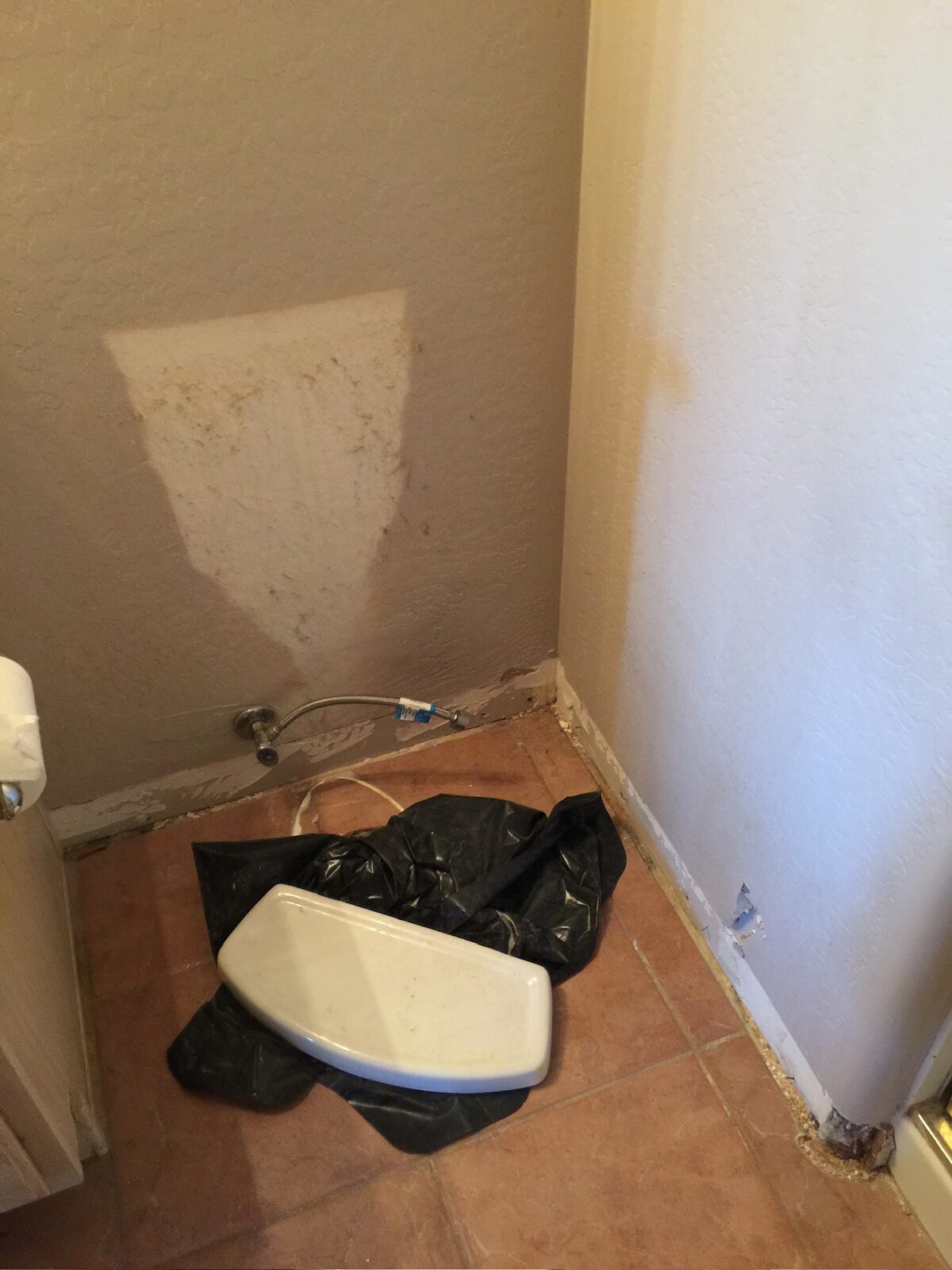
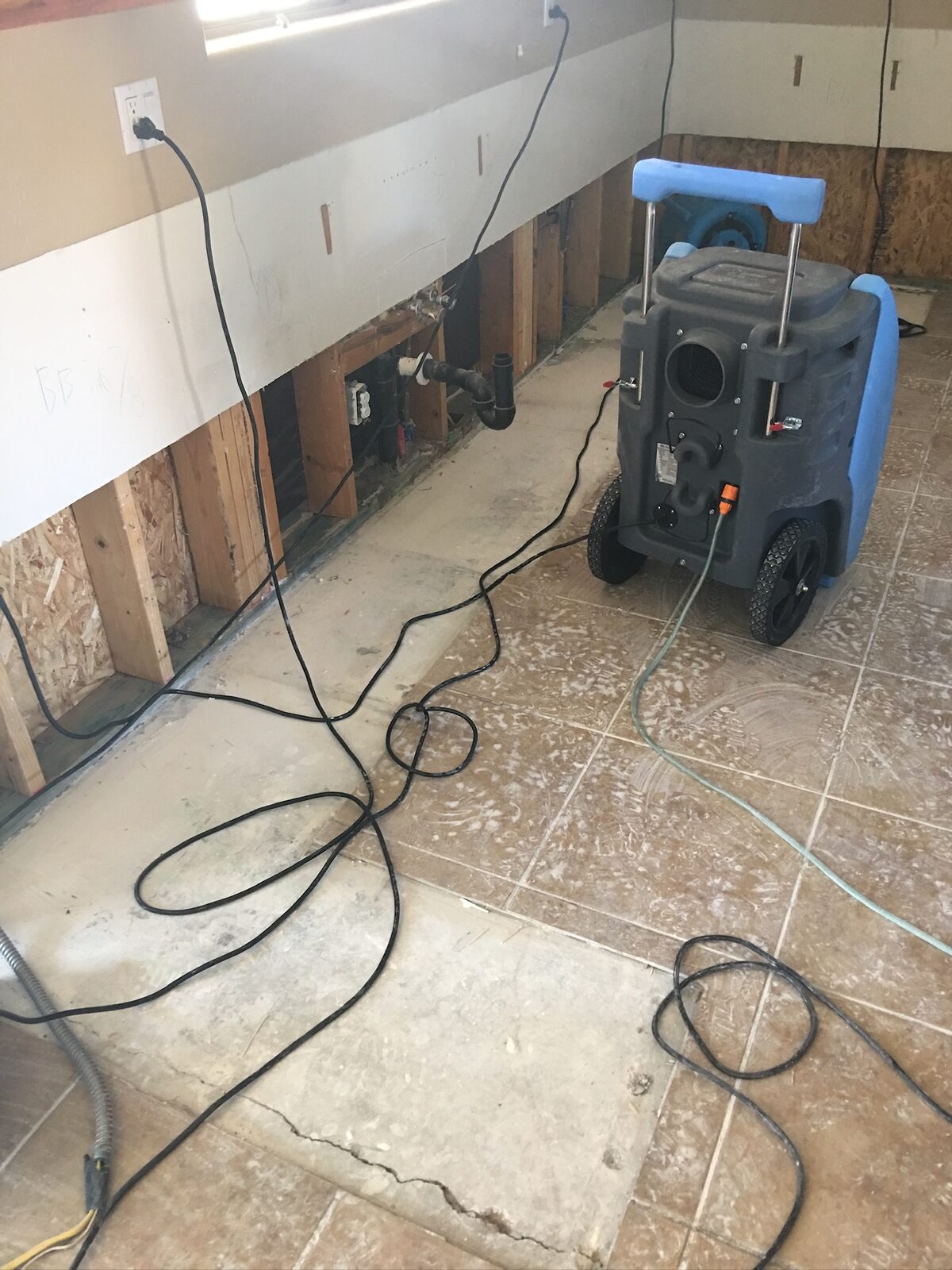
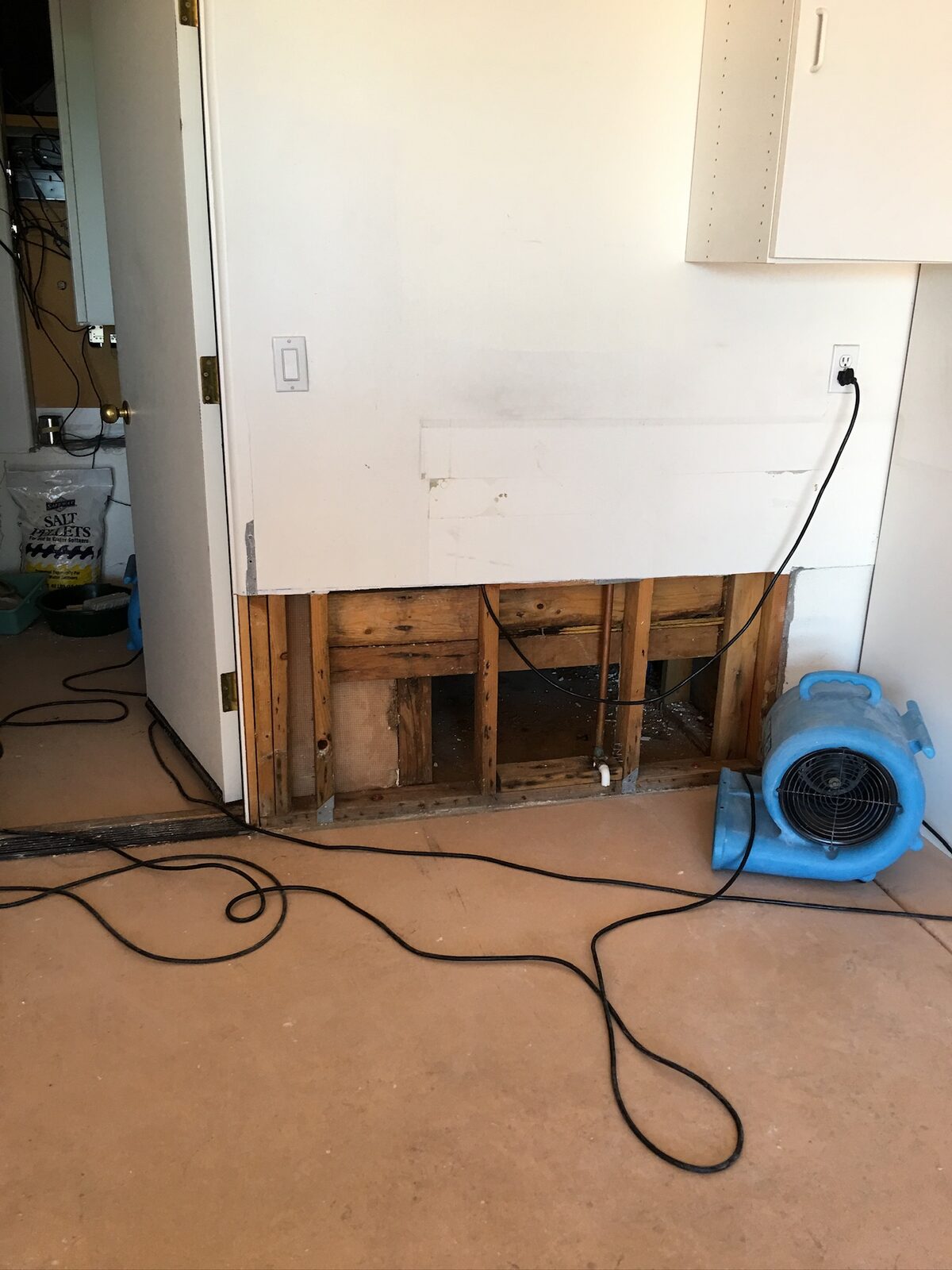
Residential reconstruction work by members of our team. See the full gallery →
More from Gold Water Fire
Abrasive Cleaning Methods for Soot on Framing and Masonry
A look at how abrasive cleaning methods remove soot from wood framing and masonry after a fire, and when each method fits the material.
AC Condensate Line Clogs & the Water Damage They Cause in Phoenix Homes
Why Phoenix AC condensate lines clog every summer, what the water damage looks like, and how to find the source before the ceiling stain spreads again.
Actual Cash Value vs Replacement Cost: Why Your Check Might Not Match the Repair Bill
Confused why your insurance check seems short after fire or water damage? Learn the difference between actual cash value and replacement cost coverage.
Not sure where the smell is coming from?
If you've checked the obvious spots and the musty smell is still there, it may be time for a closer look. Gold Water Fire serves the Phoenix metro area and can help you track down moisture that isn't visible yet. Reach out through our <a href="/contact.html">contact page</a> or call to talk through what you're noticing.
Call (480) 999-3339Water Damage Restoration · About Gold Water Fire · Contact Us