
What to Do in the Time Between Calling for Help and a Crew Arriving
The call is made. Now there is a stretch of time with nothing to fill it, standing in a hallway that is wet or smells like smoke, holding a phone, not sure whether to start moving things or just wait. That gap is one of the strangest parts of the whole thing. The emergency already happened, help is coming, and yet the house still looks exactly the way it looked five minutes ago. Most people spend that time either doing far too much or freezing entirely, and both are completely normal reactions.
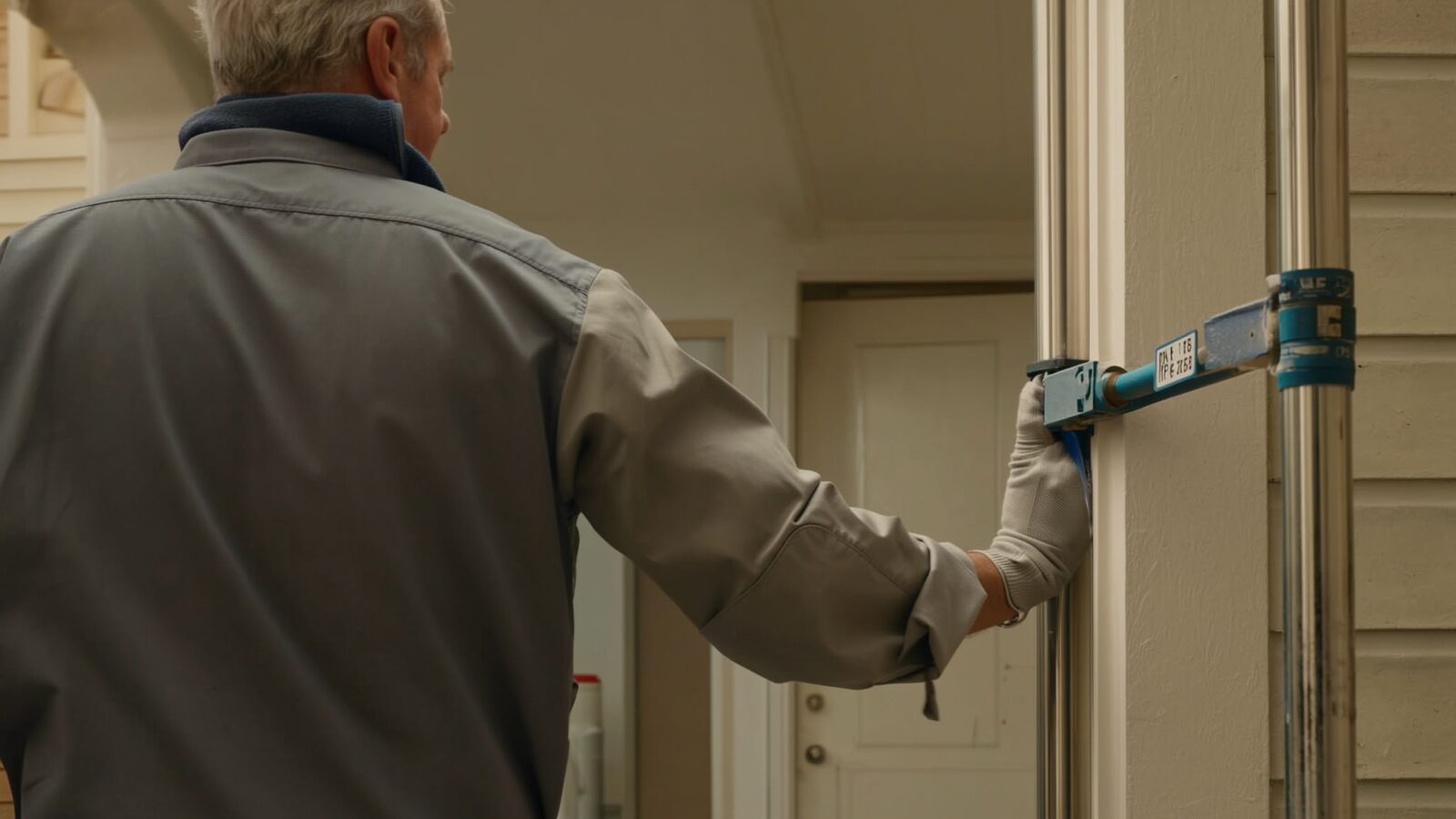
What to Do in the Time Between Calling for Help and a Crew Arriving
Safety comes before anything else in the house
Nothing in a home is worth an injury, and a surprising number of restoration-related injuries happen in this exact window, when someone is tired, rushed, and moving through a space that has changed. A few general rules apply to almost every situation. If there is standing water anywhere near outlets, appliances, or a panel, stay out of it and do not touch the panel with wet hands or wet feet. If you can safely reach the main breaker from a dry spot, shutting off power to the affected area is reasonable. If you cannot, leave it and tell the crew when they arrive. After a fire, even a small one, the air matters more than the walls. Soot particles are extremely fine and irritating to lungs, eyes, and skin. Do not sleep in a home that still smells strongly of smoke. If the fire department has tagged the structure or told you not to re-enter, that instruction holds regardless of how stable things look from the driveway. Watch ceilings. Drywall that has absorbed water gets heavy and sags before it fails. A bulging or dark, swollen ceiling is a sign to stay out of that room entirely.
Stop the source, if stopping it is simple
Water damage keeps getting worse until the water stops. Fire damage does not, which is why the to-do lists look different. For a supply line leak, burst pipe, or overflowing fixture, find the shutoff. In most Arizona homes the main water shutoff is either in a box near the street, on the exterior wall near the hose bib, or in the garage near the water heater. Toilets and sinks have their own small valve behind or under them. Water heaters have a valve on the cold inlet at the top. Turning any of these clockwise closes them, and if a valve is stiff, do not force it hard enough to snap it. If the water is coming from the roof during a monsoon, a bucket and a tarp is the whole realistic plan until the rain stops. Do not go up on a wet roof. If the source is a sewer backup, a washing machine drain, or anything with an odor, treat that water as contaminated and keep pets and children away from it. Do not run more water down any drain in the house until someone has looked at it. For fire and smoke, there is no equivalent valve. The useful move is airflow judgment: opening windows helps in mild weather and can hurt in Phoenix heat, since heat and humidity drive soot deeper into finishes. If the house is hot, leaving it closed until someone can set up controlled drying and filtration is usually the better call.
Document it, then stop documenting it
Photos taken before anyone moves anything are worth more than photos taken later, and they take about five minutes. This is the one genuinely productive thing to do during the wait. Walk each affected room and take wide shots from the doorway first, then closer shots of specific damage. Photograph the water line on the wall, the ceiling stain, the soot pattern above outlets and doorways, the wet carpet edge, the swollen cabinet base. Get the source if you can see it: the split pipe, the failed supply hose, the appliance. Open closets and cabinets on shared walls and shoot inside those too, because that is where damage hides. Take a short video walking through the space while narrating what you are seeing and the date. It is easier than captioning fifty photos. Photograph damaged contents individually if they are valuable, and do not throw anything away yet, even things that look obviously ruined. Insurance adjusters generally want to see items rather than a description of items. Then stop. You do not need a spreadsheet tonight.
What is worth moving, and what is fine to leave
Some quick moves in the first hour prevent damage that is otherwise permanent, and most of them involve getting things off wet floors. Lift furniture legs onto foil, plastic cups, or blocks of wood. Wood furniture legs sitting in water stain the carpet underneath with a dark ring that does not come out, and the legs themselves swell. Pull up area rugs from wall-to-wall carpet, because rug dye transfers. Move paper, books, photographs, and electronics up and out of the affected room. Paper wicks water fast and photos stick together permanently once they dry pressed against each other. Remove valuables, medications, and anything irreplaceable from smoke-affected rooms so they are not sitting in soot any longer than necessary. What you can safely skip: pulling up carpet, cutting drywall, running your own household fans across a soaked room, or spraying bleach on visible growth. Household fans in the wrong spot push moisture into unaffected areas, and surface cleaning a smoke-damaged wall can grind soot into the paint and make professional cleaning harder. Wet building materials need controlled drying and moisture readings, not enthusiasm. One more small thing: call your insurance carrier and open a claim if you have not. You do not need any answers to do it, just a claim number.
Worth doing now
Photos and a walkthrough video, furniture legs up on blocks, paper and electronics moved out, main water shut off if the valve is easy to reach, pets somewhere safe and quiet.
Fine to leave alone
Demolition, carpet removal, DIY drying, scrubbing soot off walls, sorting through what is salvageable. All of that goes better with equipment and moisture readings, and none of it gets worse by waiting.
Have ready when the crew gets there
Where the water came from and roughly when it started, whether power is on in that area, where the shutoff and the panel are, and anything the fire department told you. That is the whole briefing.
Questions people ask us
Should I start pulling up wet carpet myself?
Usually not. Carpet can often be dried in place or lifted so the pad underneath is replaced, and that decision depends on how clean the water is and how long it has been sitting. Pulling it up early can stretch it out of shape or spread contaminated water into dry rooms. Getting furniture legs off it matters more than removing it.
Is it safe to stay in the house while I wait?
That depends on what happened. After a fire, smoke odor and soot in the air are a real reason to sleep somewhere else, even if the damage looks limited to one room. With water, the main concerns are electrical hazards, sagging ceilings, and contaminated water. If the affected area is small, contained, and away from where you sleep, staying is often reasonable. If anything about it feels unsafe, it is.
Do I need to call my insurance company before or after calling a restoration contractor?
Either order works. Opening the claim early gives you a claim number and starts the adjuster process, and taking photos before anything is moved helps that conversation regardless of who you call first. You are generally free to choose who does the work.
Should I open the windows after a fire?
It depends on the weather. Ventilation helps clear smoke odor when the air outside is cool and dry. In Phoenix heat, pulling hot, humid air into a smoke-damaged house can drive soot deeper into paint, fabric, and finishes and make the odor harder to remove. When it is hot out, keeping the house closed until controlled filtration is set up is usually better.
The standard our team works to
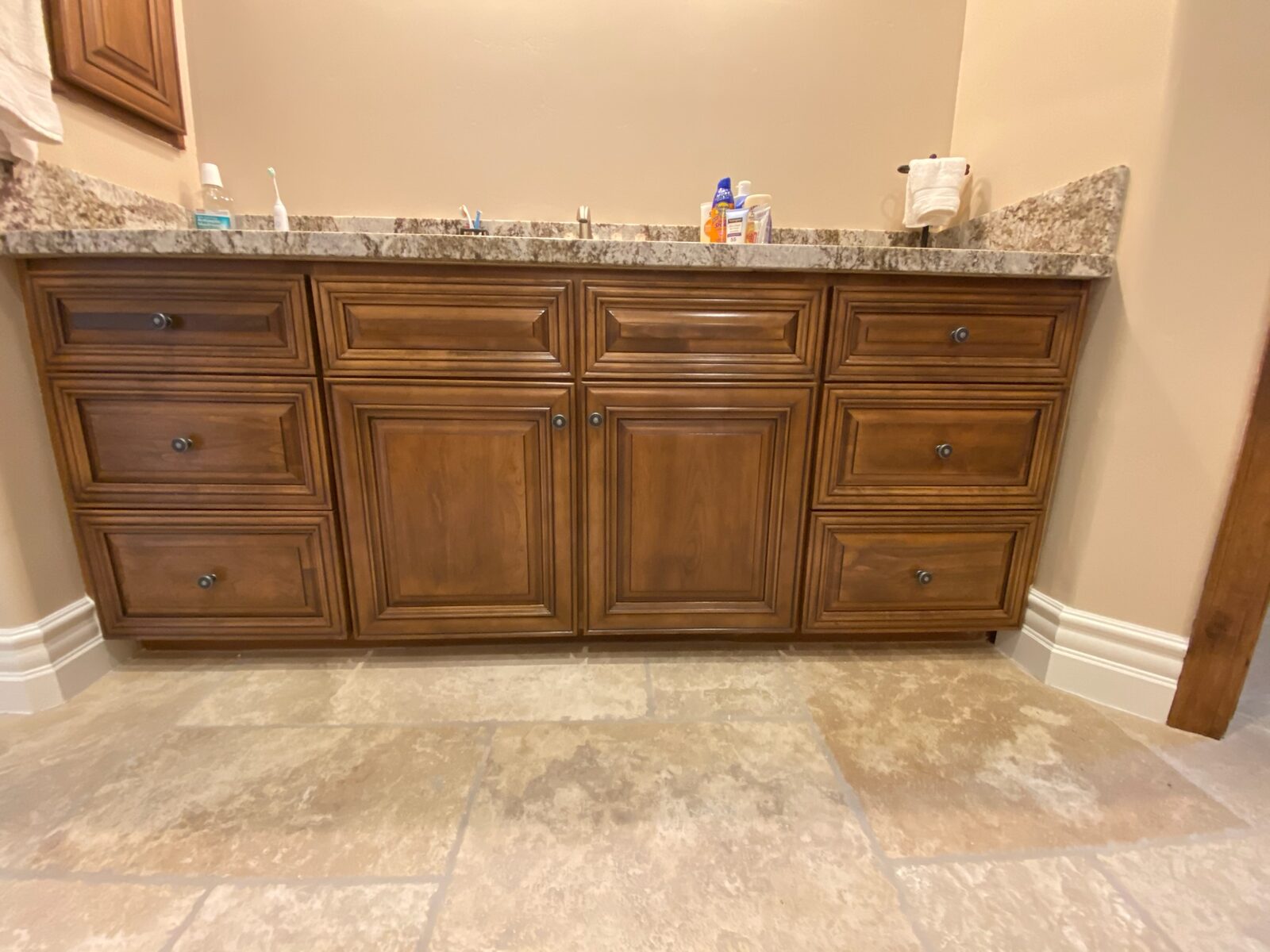
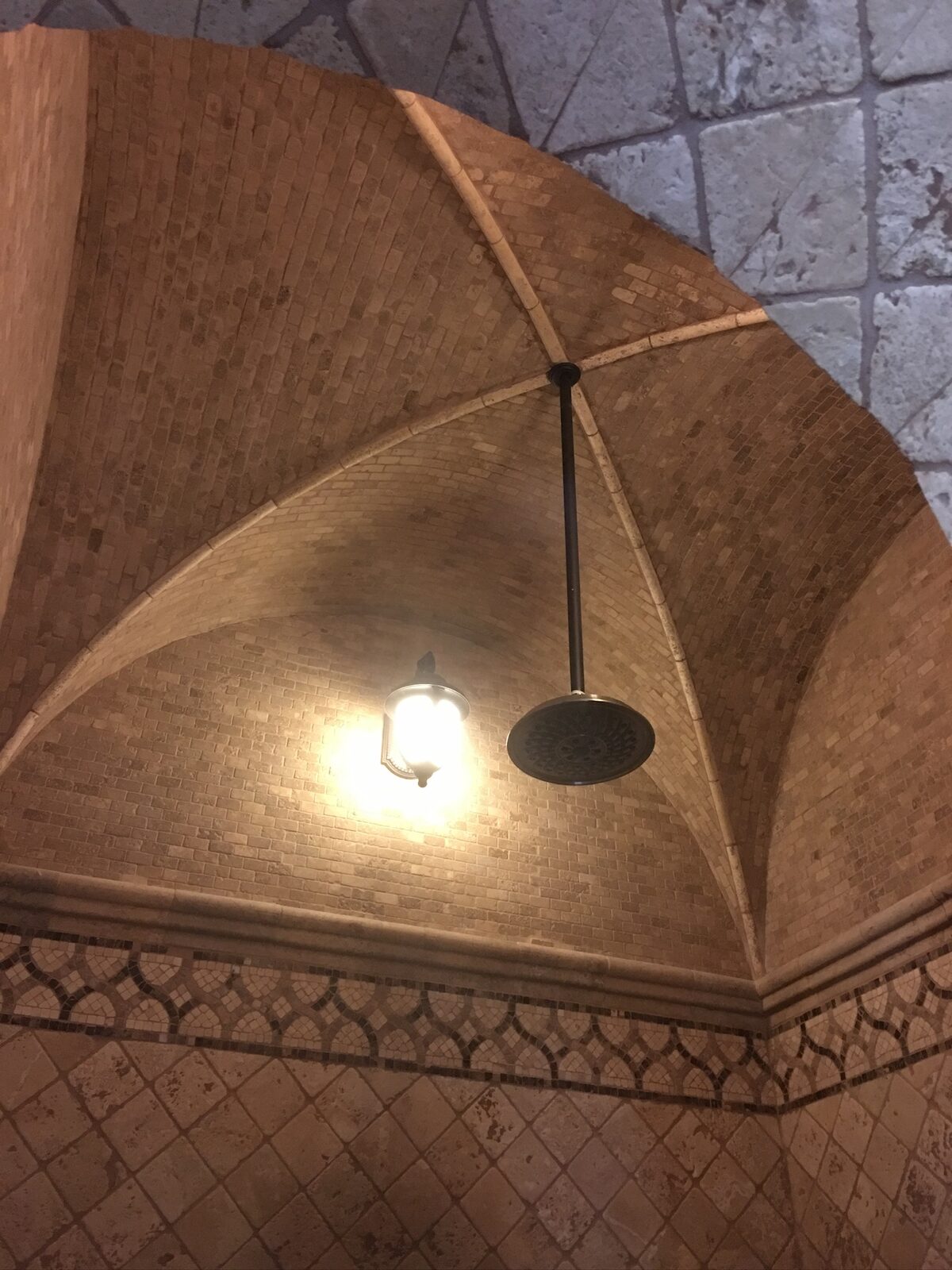
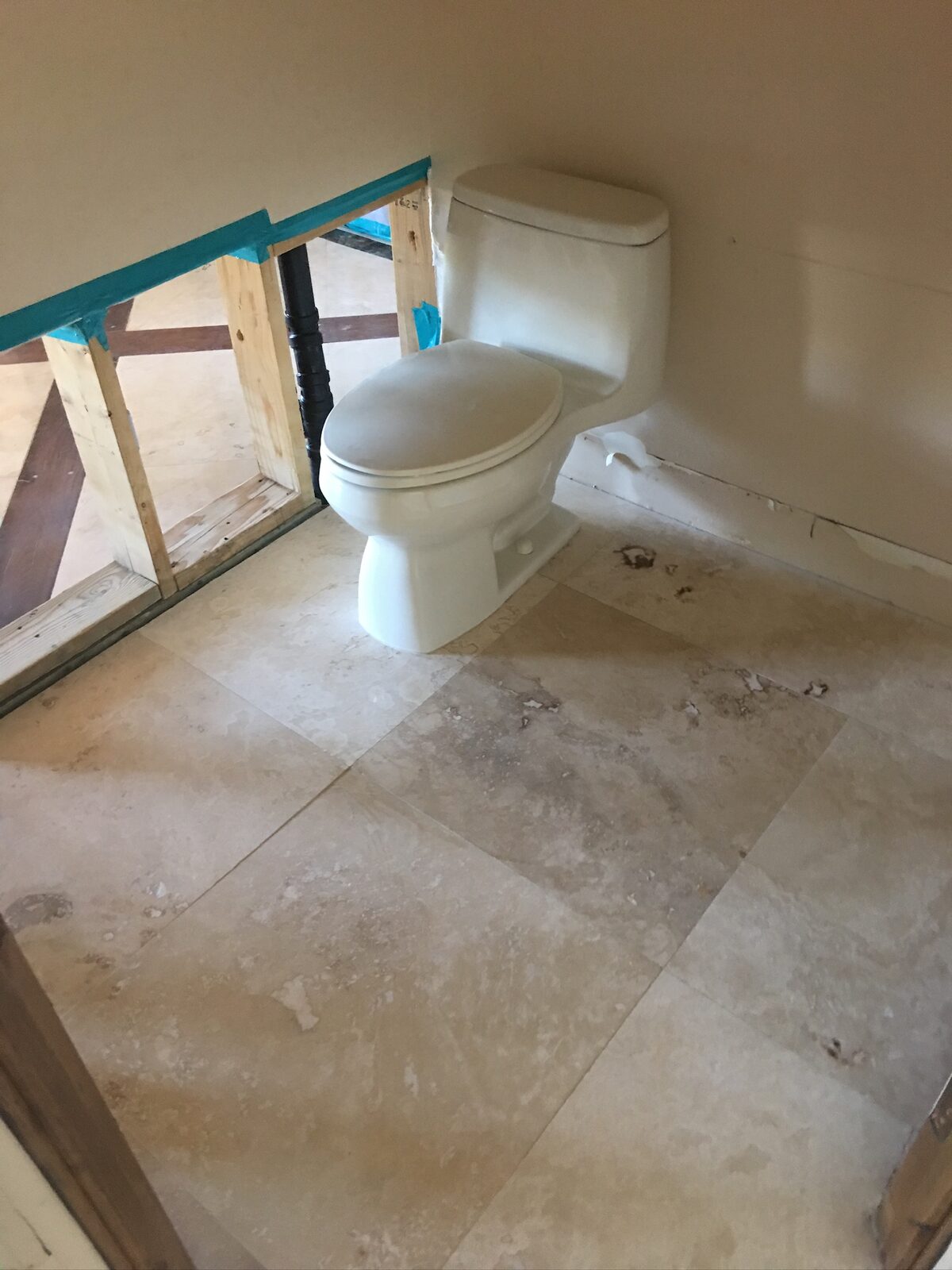
Residential reconstruction work by members of our team. See the full gallery →
More from Gold Water Fire
Abrasive Cleaning Methods for Soot on Framing and Masonry
A look at how abrasive cleaning methods remove soot from wood framing and masonry after a fire, and when each method fits the material.
AC Condensate Line Clogs & the Water Damage They Cause in Phoenix Homes
Why Phoenix AC condensate lines clog every summer, what the water damage looks like, and how to find the source before the ceiling stain spreads again.
Actual Cash Value vs Replacement Cost: Why Your Check Might Not Match the Repair Bill
Confused why your insurance check seems short after fire or water damage? Learn the difference between actual cash value and replacement cost coverage.
Not sure what you are looking at? Ask.
If you just want someone to tell you whether what you are seeing is urgent or can wait until morning, that is a fine reason to call. Gold Water Fire handles water damage restoration, fire damage restoration, and the reconstruction afterward across the Phoenix metro, from Peoria and Avondale out to Queen Creek and Apache Junction. Call (480) 999-3339 or email Help@goldwaterfire.com, and if it turns out you do not need us tonight, we will tell you that too.
Call (480) 999-3339Water Damage Restoration · Fire Damage Restoration · Reconstruction & Rebuild · Contact Us · About Gold Water Fire