
Attic Mold in Arizona: How It Happens in a Dry Climate
You climbed into the attic for a holiday box or an HVAC filter and caught a smell you couldn't place, or a dark patch on the plywood that shouldn't be there. It doesn't make sense. This is Phoenix. It hasn't rained in weeks. Mold is supposed to be a humid-climate problem, something that happens in Florida basements or Seattle crawlspaces, not under a desert roof baking at 150 degrees. So you start second-guessing what you saw, or wondering if you're overreacting. You're not. The confusion is fair, and it comes from a real gap between what people assume about dry climates and what actually happens inside a sealed attic space.
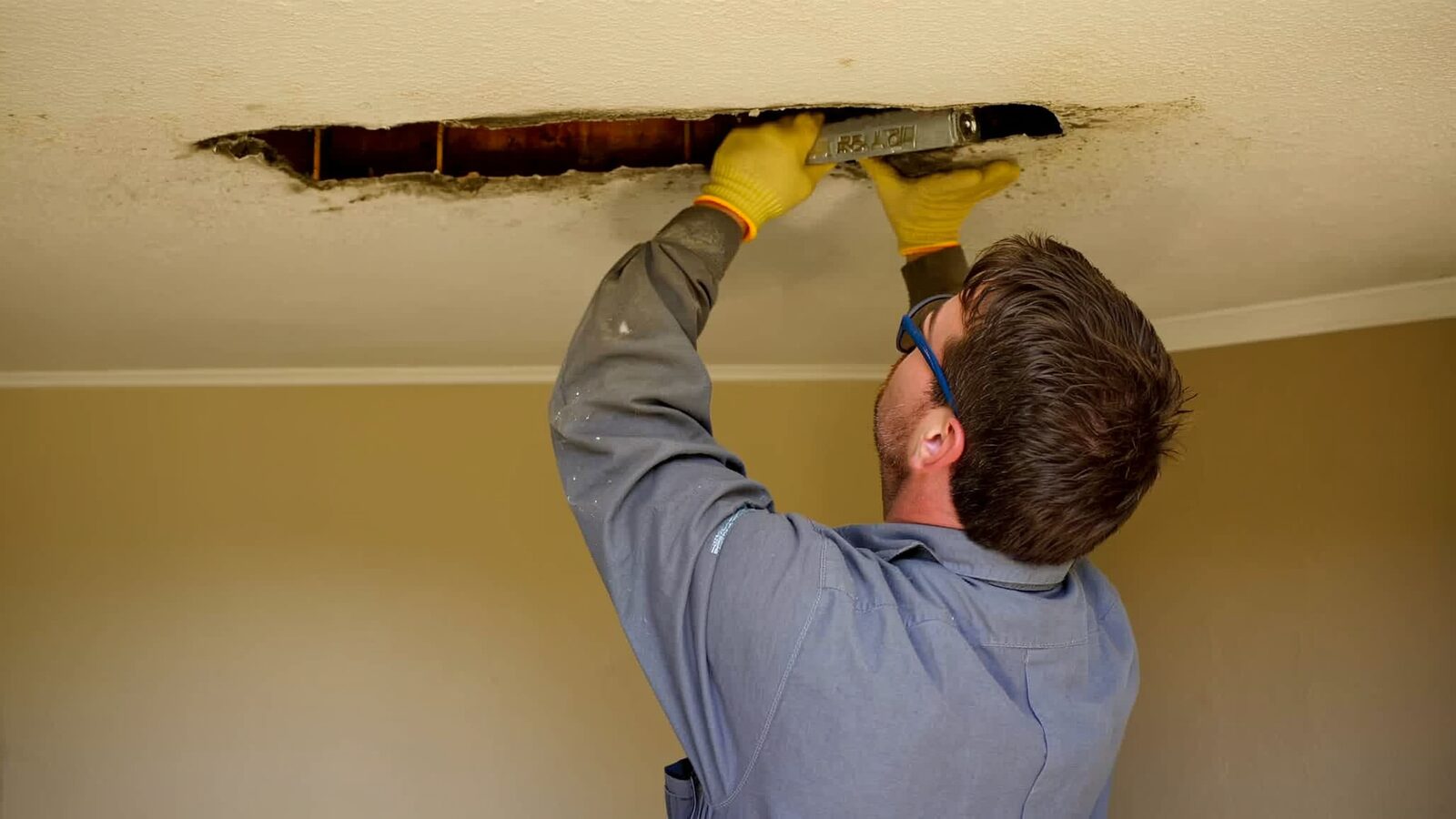
Attic Mold in Arizona: How It Happens in a Dry Climate
Why a desert attic can still grow mold
Mold needs three things: a food source (wood sheathing, insulation paper, dust), a temperature range it tolerates, and moisture. Arizona's outdoor air is dry, but an attic isn't outdoor air. It's a closed box, and any moisture that gets trapped inside it has nowhere to go. That moisture usually comes from one of a few sources: a roof leak that only shows itself during monsoon storms, condensation from an AC unit or ductwork running through the attic, a bathroom exhaust fan vented into the attic space instead of outside, or warm indoor air pushing upward through gaps and hitting a cooler surface at night. Once that moisture is present, the extreme heat doesn't stop mold, it just changes which strains thrive and how fast they move through organic material.
The role of AC systems and ductwork
In most Phoenix-area homes, the air handler and ductwork sit in the attic, which is also the hottest part of the house for most of the year. Cold refrigerant lines and duct surfaces create condensation when they meet that heat, especially if insulation has worn thin, a seam has separated, or a drain pan is clogged and overflowing. That moisture doesn't evaporate as fast as people assume, because it collects on wood and paper-faced insulation rather than open air. A slow, small drip that never gets noticed can feed mold growth for months before anyone smells or sees it.
Monsoon season is when hidden leaks show up
Arizona's dry stretches can hide roof damage for a long time. A cracked tile, worn flashing around a vent pipe, or a gap where stucco meets the roofline might do nothing for most of the year. Then a monsoon storm drives rain sideways or pools water against a low spot, and it finds its way in. Because the rest of the year is so dry, that intrusion can dry out on the surface between storms, masking the problem while moisture still lingers deeper in the insulation or sheathing. This is why attic mold in Arizona often gets tied to a single wet season rather than a slow, steady process.
What to look for before it spreads
A few signs are worth checking for directly: dark or greenish staining on the underside of the roof deck, insulation that looks matted or discolored in one section, a musty smell noticeable only near the attic hatch, or rusted nail heads poking through the sheathing, which points to trapped moisture. It also helps to check attic ventilation, since blocked soffit vents or a broken attic fan can let humidity build even without an active leak. None of these signs confirm mold on their own, but they're reasons to look closer rather than assume the dry climate rules it out.
Questions people ask us
If Arizona is so dry, why does attic mold happen at all?
An attic is a sealed space, not open air. Once moisture gets trapped inside it, whether from a roof leak, AC condensation, or a misvented exhaust fan, it behaves the same way it would in any climate. The heat changes how it plays out, but it doesn't prevent it.
Can attic mold cause problems in the rest of the house?
It can, especially if the attic shares airflow with living spaces through gaps, vents, or a return duct. Spores and musty odor can move down into the home even when the visible growth stays in the attic.
Does a small water stain in the attic always mean mold?
Not always, but a stain means moisture was present long enough to leave a mark, which is the same condition mold needs. It's worth having it looked at rather than assuming it dried out and resolved itself.
Is attic mold only a monsoon-season issue?
Monsoon storms are a common trigger because they expose weak points in roofing, but AC condensation and poor ventilation can create the same conditions year-round, independent of rainfall.
The standard our team works to
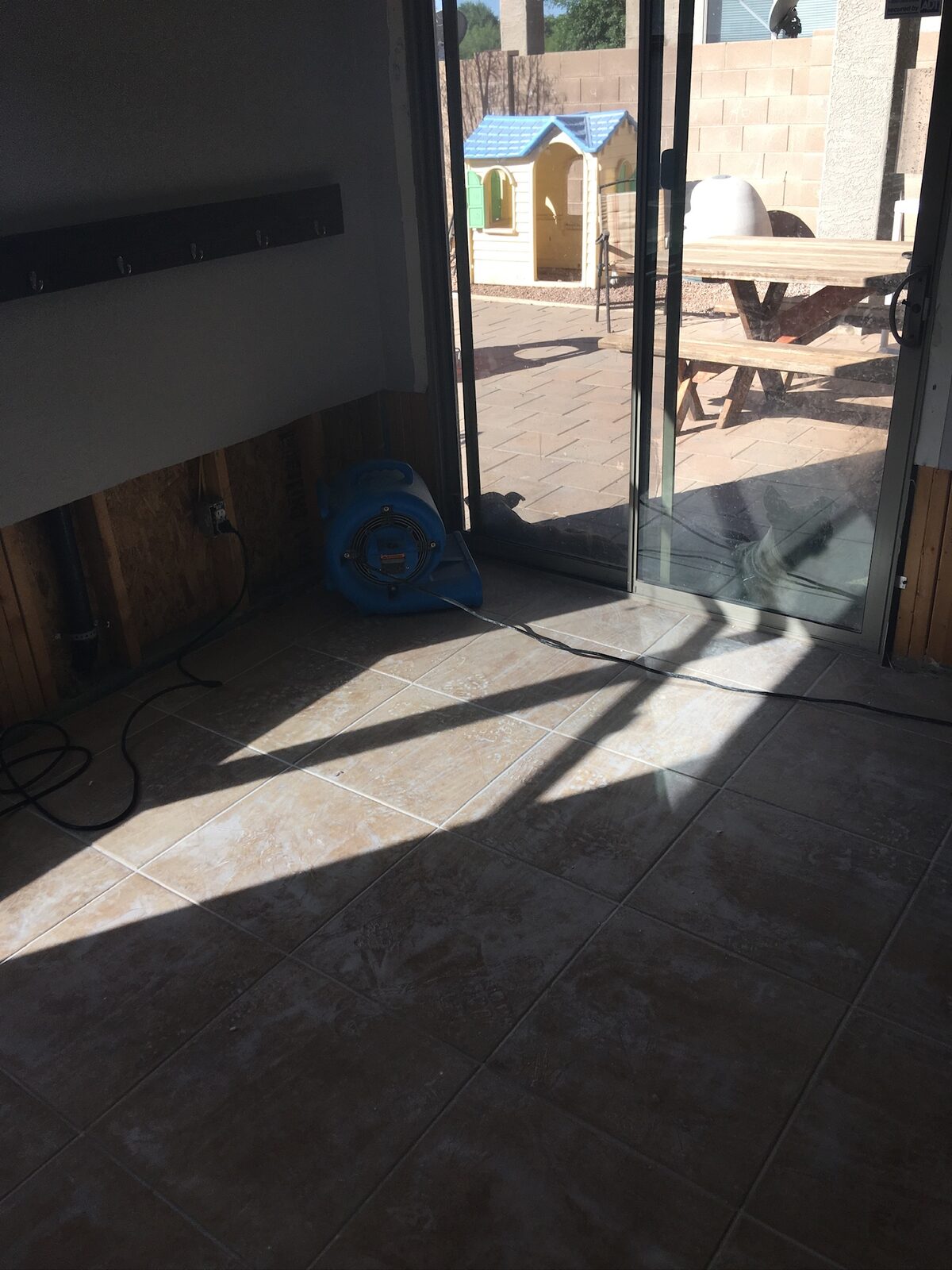
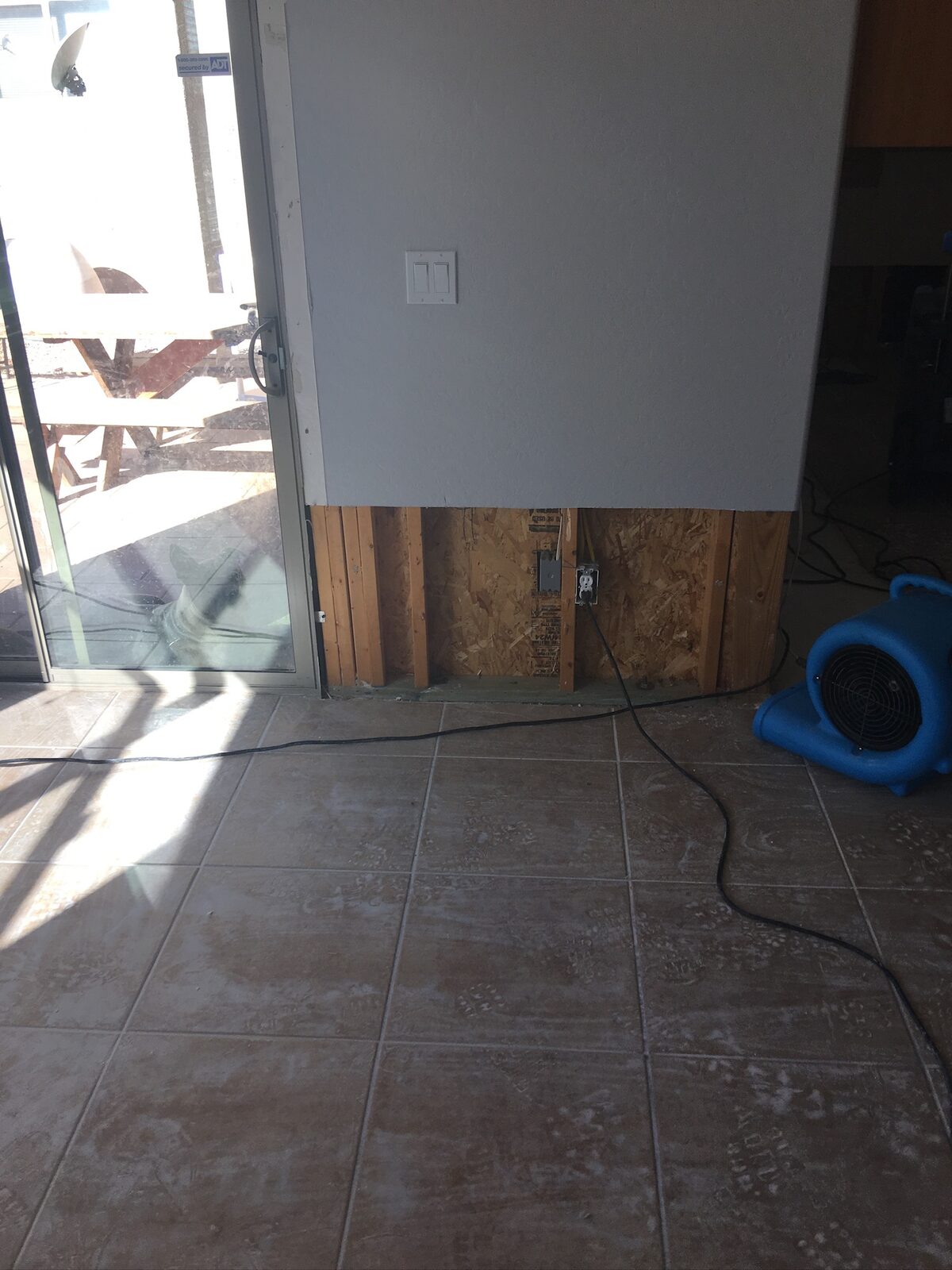
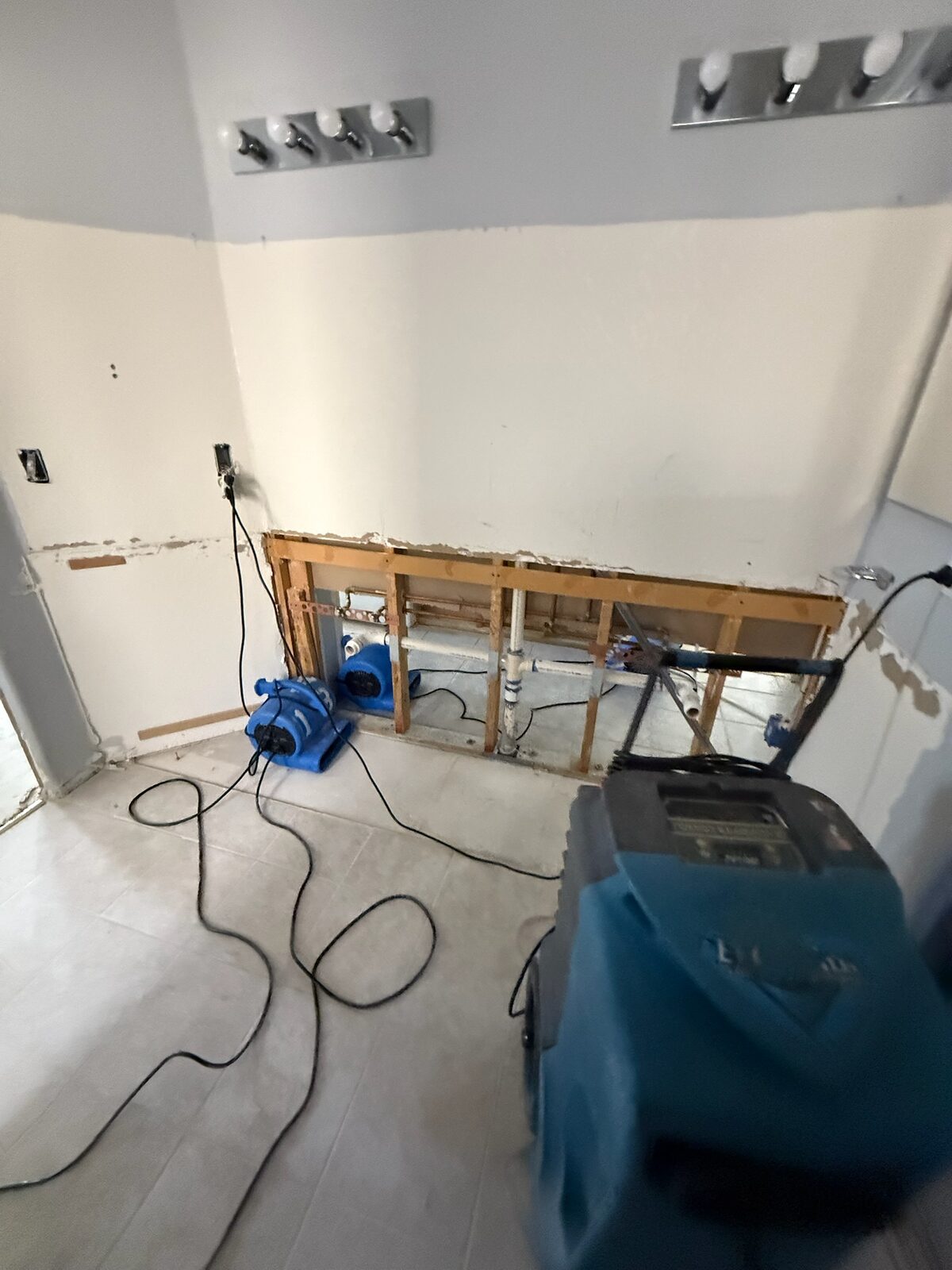
Residential reconstruction work by members of our team. See the full gallery →
More from Gold Water Fire
Abrasive Cleaning Methods for Soot on Framing and Masonry
A look at how abrasive cleaning methods remove soot from wood framing and masonry after a fire, and when each method fits the material.
AC Condensate Line Clogs & the Water Damage They Cause in Phoenix Homes
Why Phoenix AC condensate lines clog every summer, what the water damage looks like, and how to find the source before the ceiling stain spreads again.
Actual Cash Value vs Replacement Cost: Why Your Check Might Not Match the Repair Bill
Confused why your insurance check seems short after fire or water damage? Learn the difference between actual cash value and replacement cost coverage.
Not sure what you're looking at up there?
If you've spotted staining, smell something off, or just want a second set of eyes on your attic, Gold Water Fire can take a look. Call (480) 999-3339 or reach out through our contact page.
Call (480) 999-3339Water Damage Restoration · Contact Gold Water Fire · About Gold Water Fire