
Indoor Humidity Targets That Keep Mold From Getting Started
If you've noticed a musty smell, foggy windows, or that clammy feeling in a bathroom or basement long after the shower's done, you're probably wondering whether your home's humidity is a real problem or just an annoyance. It's a fair question, and one that's easy to answer once you know what to look for and what number you're aiming for.
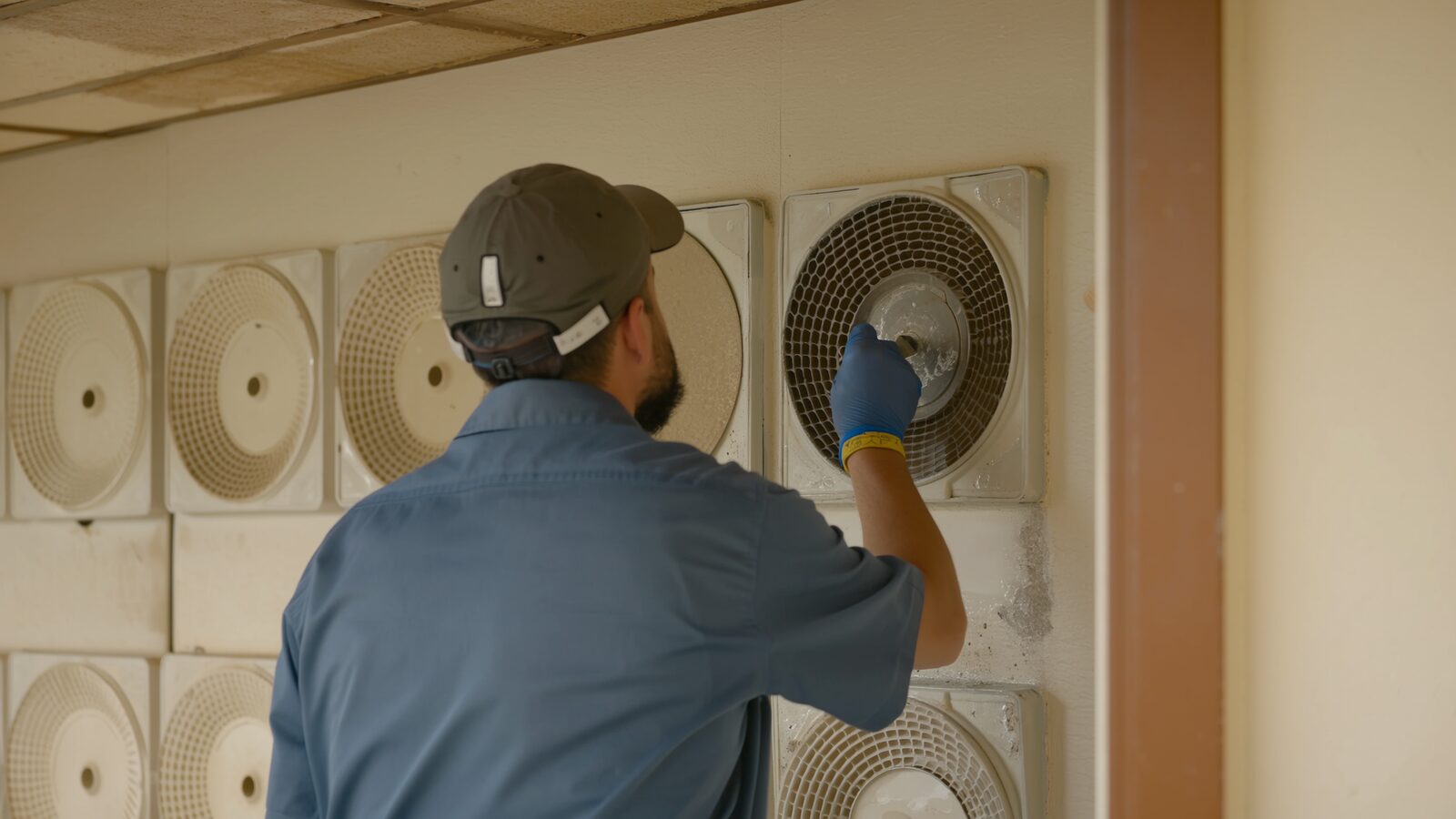
Indoor Humidity Targets That Keep Mold From Getting Started
The target range: 30% to 50% relative humidity
Mold spores are everywhere, indoors and out. They only become a growth problem when they land on a damp surface and stay damp long enough to colonize, which generally takes 24 to 48 hours of sustained moisture. Keeping indoor relative humidity between 30% and 50% starves that process before it starts. Above 60%, most building materials, drywall paper, wood framing, carpet backing, insulation, hold enough moisture to support growth, especially in corners with poor air movement. Below 30%, you risk dry skin, static, and cracked wood trim, so the goal isn't as low as possible, it's steady in that middle band.
How to actually measure it
A hygrometer is a small humidity gauge, often combined with a thermometer, and inexpensive ones are accurate enough for home use. Place one in the rooms that worry you most: a bathroom without a vent fan, a laundry room, a basement, a closet on an exterior wall. Check it at different times of day, since humidity swings with cooking, showering, and outdoor weather. A reading that spikes after a shower and drops back within an hour is normal. A reading that stays elevated for most of the day points to a ventilation or moisture-source problem worth addressing.
Why Phoenix-area homes have their own pattern
Outdoor air across the Phoenix metro, from Chandler and Gilbert out to Peoria and Buckeye, is usually dry, which keeps whole-house humidity low most of the year. That can create a false sense of security. The risk in this climate tends to concentrate in specific spots: bathrooms with poor ventilation, evaporative cooler components, areas around a leaking water heater or slow plumbing drip, and monsoon-season humidity spikes in July through September when moist air moves in fast. A home can read comfortably dry overall and still have a damp pocket behind a washing machine or under a sink that never sees that dry outdoor air.
Practical ways to hold the range
Run bathroom and kitchen exhaust fans during and for a while after use, not just while you're in the room. Fix small plumbing leaks and dripping fixtures promptly, since a slow drip under a sink can keep the humidity in that cabinet elevated for weeks without ever being visible. Use a portable dehumidifier in rooms that consistently read above 50%, especially basements or interior rooms with little airflow. During monsoon season, keep an eye on readings more often since outdoor humidity can climb quickly. If you already see a musty smell, discoloration on drywall, or a spot that stays damp no matter what you try, that's usually a sign of a moisture source that needs to be found and fixed rather than just ventilated around.
Questions people ask us
What humidity level actually causes mold to grow?
Sustained relative humidity above roughly 60%, combined with a surface that stays damp for a day or two, is generally enough to let mold spores colonize. Keeping indoor humidity between 30% and 50% removes that condition in most rooms.
Do I need a special tool to check my home's humidity?
A basic hygrometer, sold at most hardware stores, is enough. Place it in the rooms you're concerned about and check readings at different times of day rather than relying on a single measurement.
Why does my bathroom feel humid even though the rest of the house is dry?
Bathrooms generate a lot of moisture quickly from showers, and without a working exhaust fan or enough air exchange, that moisture can linger well after the room feels used, even in an otherwise dry climate.
Is a dehumidifier necessary in a Phoenix-area home?
Not usually for the whole house, since outdoor air here tends to be dry. A portable unit can still help in specific low-airflow rooms, like a basement or an interior bathroom, that read consistently above 50% humidity.
The standard our team works to
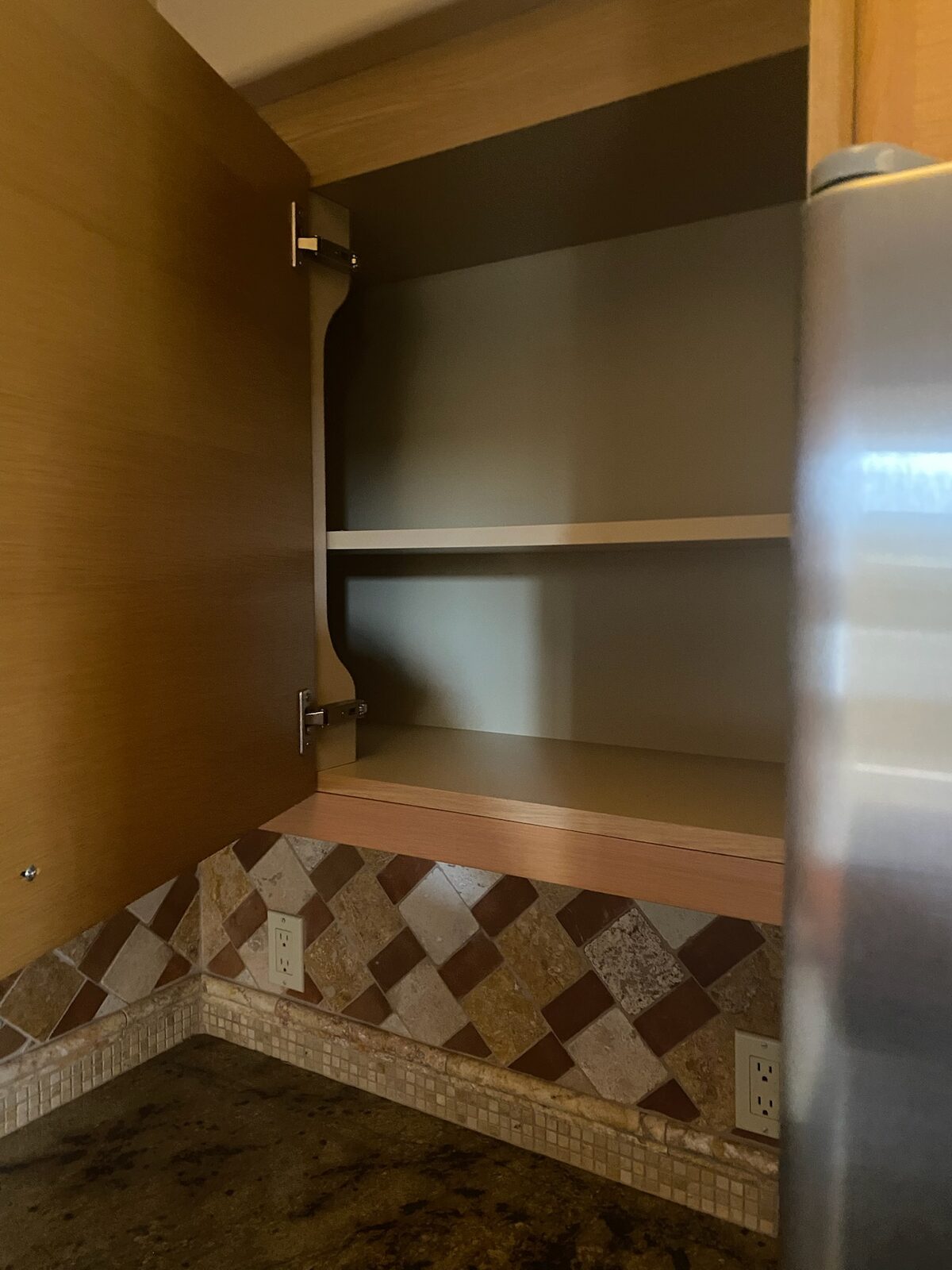
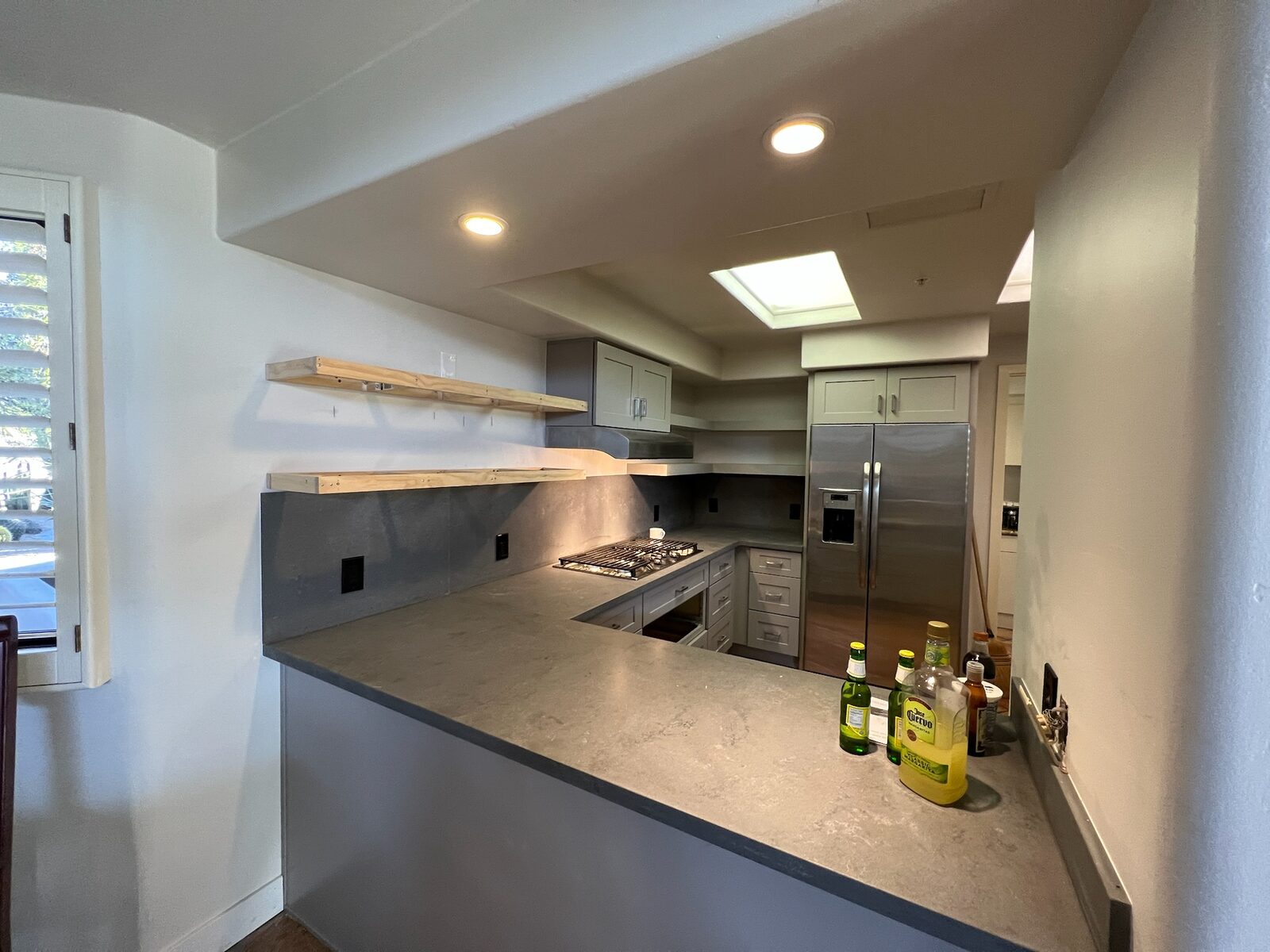
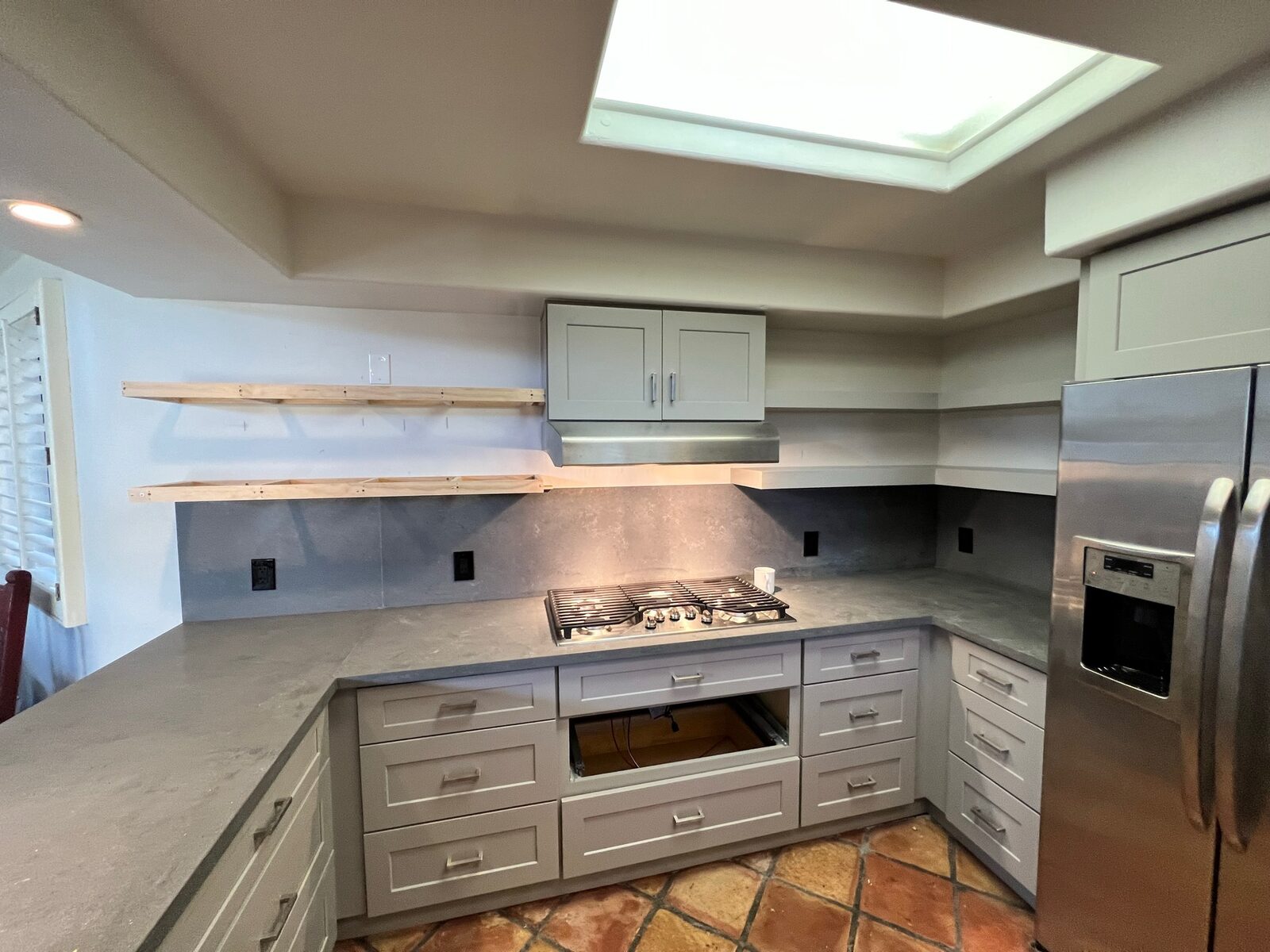
Residential reconstruction work by members of our team. See the full gallery →
More from Gold Water Fire
Abrasive Cleaning Methods for Soot on Framing and Masonry
A look at how abrasive cleaning methods remove soot from wood framing and masonry after a fire, and when each method fits the material.
AC Condensate Line Clogs & the Water Damage They Cause in Phoenix Homes
Why Phoenix AC condensate lines clog every summer, what the water damage looks like, and how to find the source before the ceiling stain spreads again.
Actual Cash Value vs Replacement Cost: Why Your Check Might Not Match the Repair Bill
Confused why your insurance check seems short after fire or water damage? Learn the difference between actual cash value and replacement cost coverage.
Found a damp spot that won't dry out?
If you've checked the humidity and something still isn't adding up, a spot that stays wet, a smell that won't go away, it might be worth a second look. Gold Water Fire serves the Phoenix metro area and can help you figure out what's going on. Reach out at (480) 999-3339 or through the <a href="/contact.html">contact page</a> whenever you're ready, no pressure.
Call (480) 999-3339