
The Difference Between Mitigation & Restoration, and Why the Two Terms Get Confused
You have a folder now, or a pile on the kitchen counter, and the papers in it do not agree with each other. One says mitigation. One says restoration. One says remediation, which nobody explained at all. A person came out, cut a line into your drywall, ran loud machines for a few days, took them away, and then things went quiet, and you are still standing in a room that is not fixed. Somewhere in the back of your mind is the question you have not said out loud: is this over, or did it never actually start? That confusion is not a sign you were not paying attention. The words genuinely do describe two different kinds of work, done at two different times, often billed on two different documents, and almost nobody tells a homeowner that up front.
The Difference Between Mitigation & Restoration, and Why the Two Terms Get Confused
Mitigation stops the loss. Restoration puts the house back.
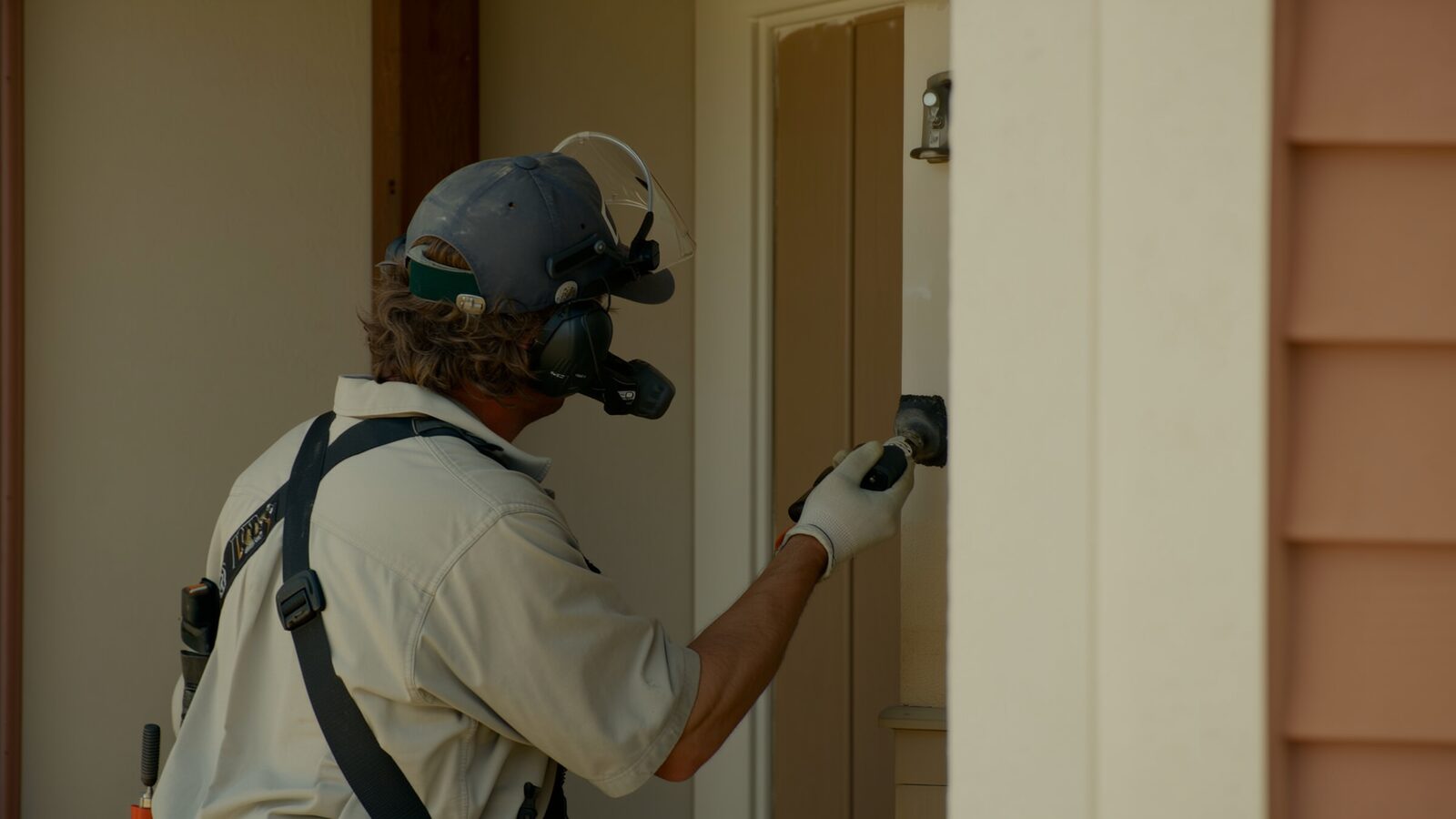
Mitigation is the emergency phase. Its whole job is to keep the damage from getting bigger: shut off or stop the water source, extract standing water, pull out saturated carpet pad and wet insulation, cut away drywall that has wicked moisture, set air movers and dehumidifiers, and monitor the moisture readings in the framing until the structure is dry. In a fire, mitigation looks like board-up, roof tarping, removing soot-covered contents, and controlling the smoke odor before it sets deeper into porous materials. Nothing about mitigation makes your house look better. It usually makes it look worse, because the point is to open things up and get the wet or contaminated material out. Restoration is the rebuild. New drywall, tape, texture, paint, baseboard, flooring, cabinets, trim, doors. It is construction work, and in Arizona it is licensed contracting work. Restoration is what turns the dried-out shell back into a room you live in. The two phases are related but they are not the same trade, not the same equipment, and not always the same crew.
Four reasons these terms get tangled
None of these are your fault. They are structural to how the industry and the insurance process are built.
The industry uses restoration as an umbrella word
Companies call themselves restoration companies even when the work they perform on your job is entirely mitigation. So a homeowner hears restoration, pictures a finished room, and then the crew dries the subfloor and leaves. Both parties used the same word and meant different things.
Insurance often splits them into two claims payments
Emergency mitigation is frequently handled and paid separately from the repair estimate, sometimes on a different schedule and sometimes with different documentation. Two invoices for one flood makes it feel like you are being billed twice for the same event, when you are actually being billed for two distinct scopes of work.
Remediation adds a third word
Remediation usually refers to removing a specific contaminant, most often mold. It overlaps with mitigation in practice, so people use the words interchangeably, but remediation carries containment and handling requirements that plain water extraction does not.
There is a real gap in the middle
After drying is verified and before rebuild begins, the house sits open. Nobody is on site. That silence reads as abandonment when it is actually a handoff point, and it is the moment most homeowners lose track of who owns the next step.
How to tell which one you have actually received
Pull out the documents and look for the vocabulary rather than the totals. Mitigation line items sound like this: water extraction, air mover per day, dehumidifier per day, antimicrobial application, drywall removal, carpet pad removal, content manipulation, moisture monitoring. Restoration line items sound like this: hang and finish drywall, texture to match, paint, install baseboard, install flooring, set cabinets, replace door and casing. If every line on your paperwork is priced per day or per unit of removal, you have a mitigation scope, and the rebuild has not been written yet. Ask directly whether a drying log or final moisture reading exists, and whether a separate repair estimate has been submitted to your carrier. Those two questions usually resolve the confusion in one phone call. It is also fair to ask whether the company doing the drying holds a contractor license to perform the rebuild, because in Arizona the reconstruction side is licensed work and not every mitigation crew carries it.
The part nobody warns you about
The most common reason a job stalls is that nobody was clearly responsible for the transition from dry to rebuilt. Mitigation ends on a moisture reading. Reconstruction begins on an approved scope. In between sits a stretch of time where the house is torn open, the equipment is gone, and the file is technically waiting on a document rather than on labor. If you know that gap exists, you can ask about it instead of sitting in it wondering what happened. Some companies do only the drying. Some do only the rebuild. Some carry both, which means the moisture documentation and the repair scope live in the same file and nobody has to be re-explained to. Gold Water Fire handles water damage restoration, fire damage restoration, and the reconstruction and rebuild that follows, across the Phoenix metro area from Peoria and Avondale out to Queen Creek, San Tan Valley and Apache Junction. Brandon Gurr, our Construction Manager, leads the rebuild side, and the company holds AZ ROC license #264344, KB-2. If you want someone to read your paperwork with you and tell you which phase you are actually in, that is a call we are glad to take.
Questions people ask us
Is mitigation included in restoration, or are they billed separately?
They are usually two separate scopes, and it is common for them to be billed separately even when one company performs both. Mitigation is typically priced by equipment days and removal units. Restoration is priced as a construction estimate by room and material. Seeing two invoices for one loss does not mean you were double charged.
Why did the crew leave my house torn open and never come back?
That is often the end of the mitigation phase rather than the end of the job. Once moisture readings confirm the structure is dry, the emergency work is complete. Rebuild is a separate scope that has to be written, approved and scheduled. If nobody told you that, ask who is responsible for submitting the repair estimate.
What does remediation mean compared to mitigation?
Remediation generally means removing a specific contaminant, most often mold, and it involves containment, controlled removal and cleaning of affected materials. Mitigation is the broader emergency work of stopping damage from spreading. In everyday conversation people use both words loosely, which is a large part of the confusion.
Can the same company do both the drying and the rebuild?
Some can and some cannot. Reconstruction is licensed contracting work in Arizona, so a company performing rebuild work needs the appropriate license. Gold Water Fire holds AZ ROC license #264344, KB-2 and performs both mitigation and reconstruction.
The standard our team works to
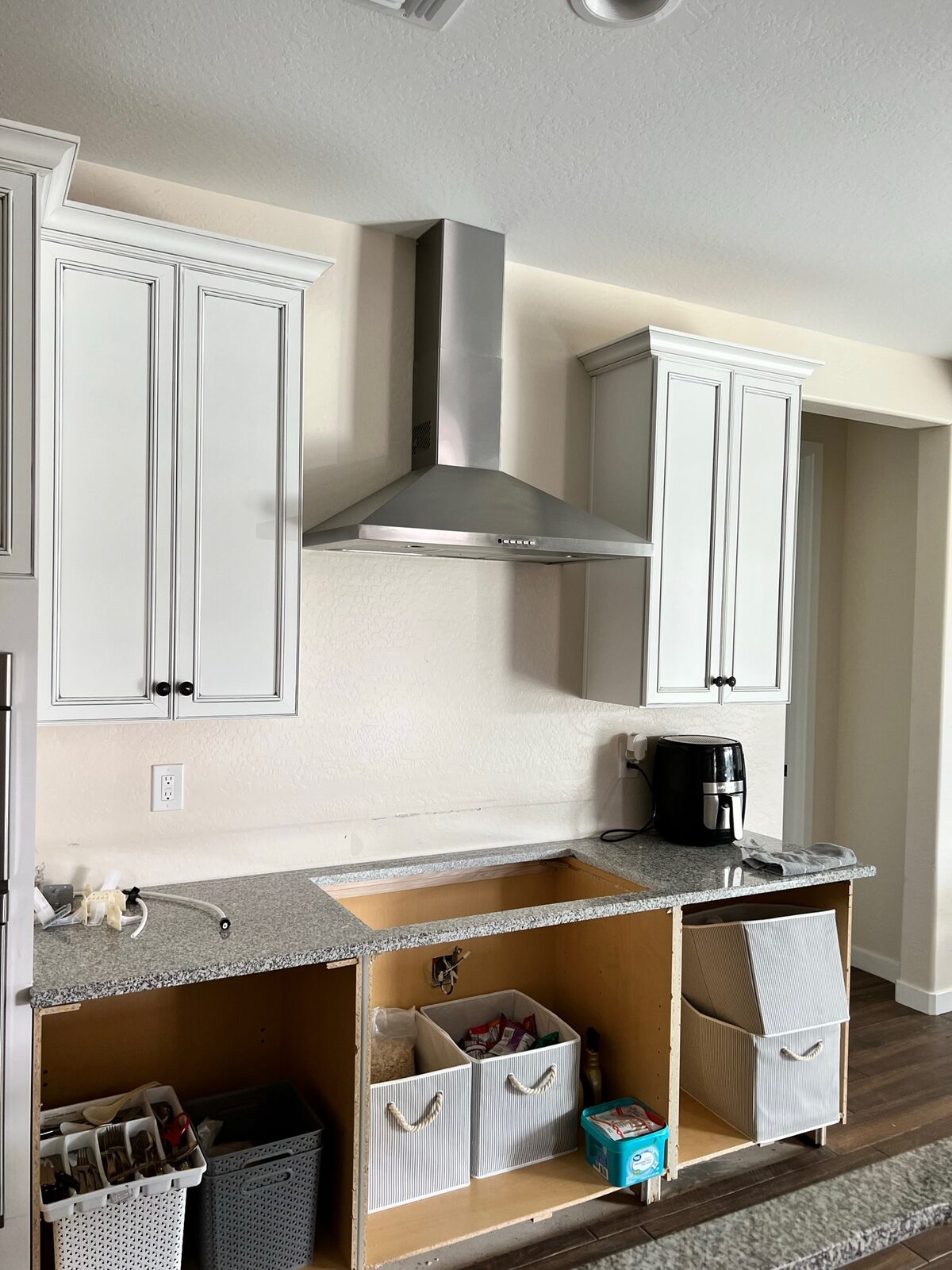
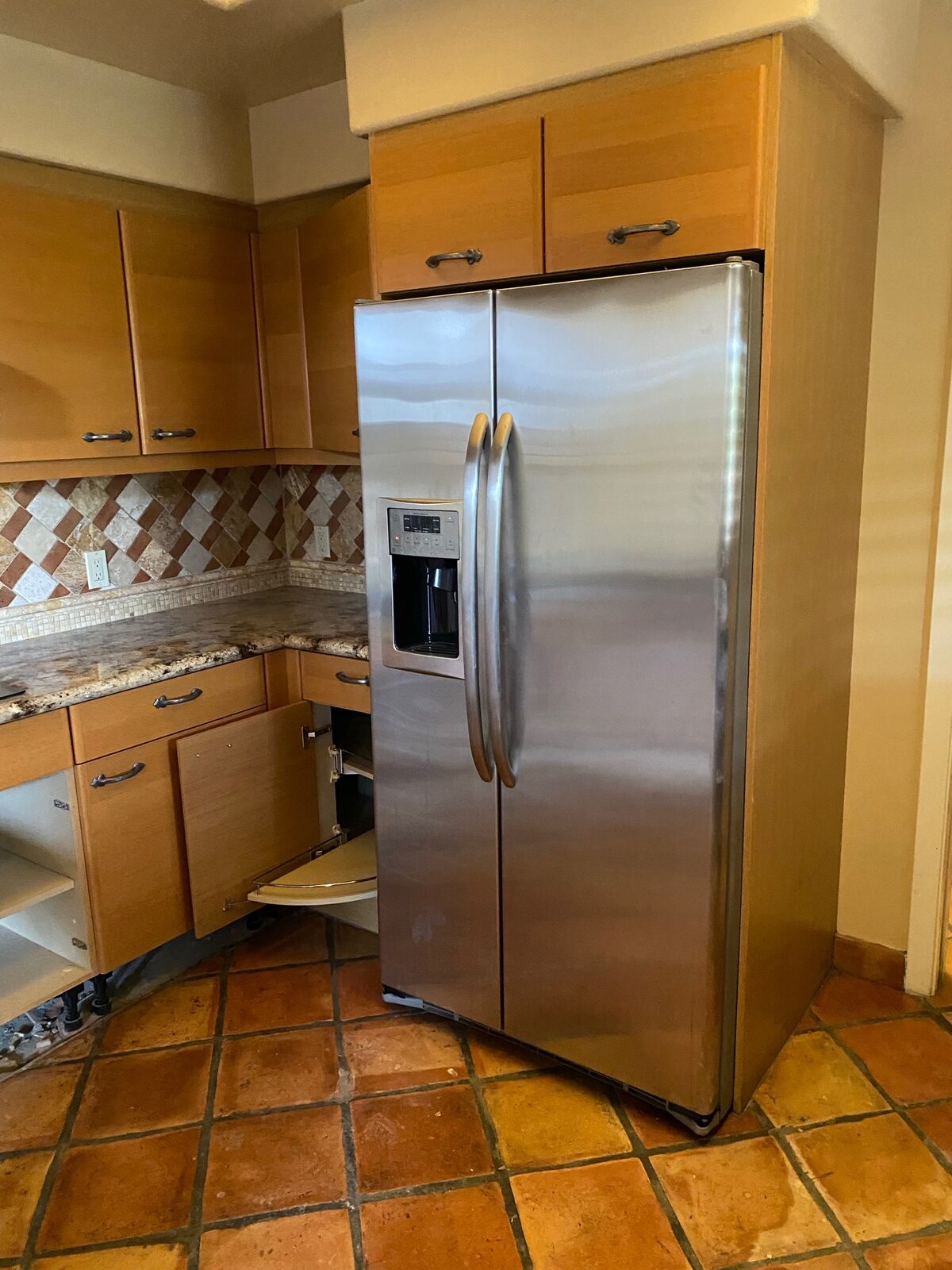
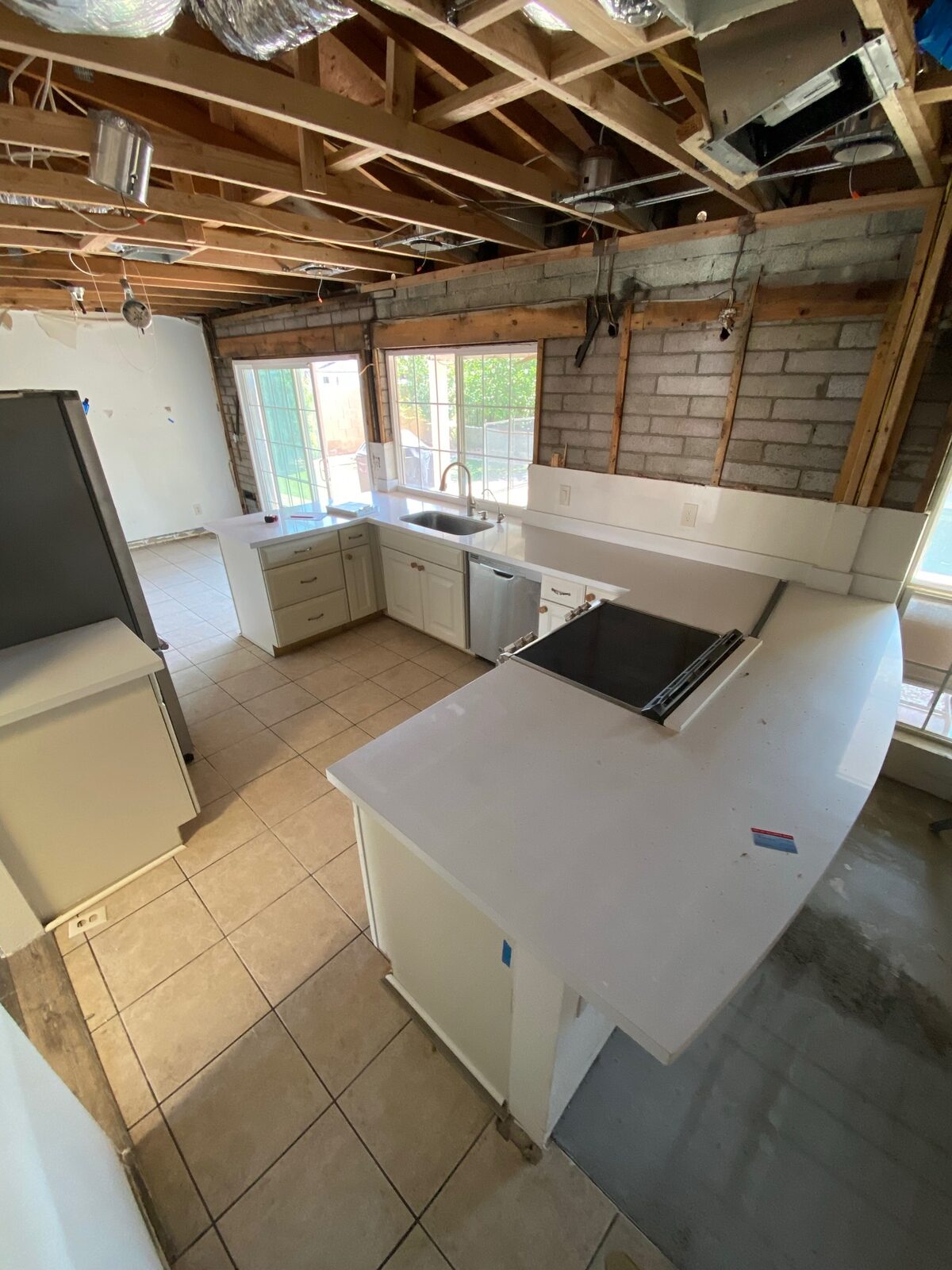
Residential reconstruction work by members of our team. See the full gallery →
More from Gold Water Fire
Abrasive Cleaning Methods for Soot on Framing and Masonry
A look at how abrasive cleaning methods remove soot from wood framing and masonry after a fire, and when each method fits the material.
AC Condensate Line Clogs & the Water Damage They Cause in Phoenix Homes
Why Phoenix AC condensate lines clog every summer, what the water damage looks like, and how to find the source before the ceiling stain spreads again.
Actual Cash Value vs Replacement Cost: Why Your Check Might Not Match the Repair Bill
Confused why your insurance check seems short after fire or water damage? Learn the difference between actual cash value and replacement cost coverage.
Not sure which phase your job is in
Bring us your estimate, your invoice or just the notes you scribbled down, and we will walk through what has been done and what has not. Call (480) 999-3339 or email Help@goldwaterfire.com. We serve the Phoenix metro area, including Mesa, Chandler, Gilbert, Scottsdale, Glendale, Tempe and Surprise.
Call (480) 999-3339Water Damage Restoration · Fire Damage Restoration · Reconstruction & Rebuild · About Gold Water Fire · Contact Us