
How Long Water Damage Restoration Actually Takes, & What Determines the Timeline
There are fans running in your hallway and you do not know when they stop. Somebody told you a number, or nobody told you anything, and you are trying to plan a week you cannot see the end of. Maybe this is the second time in this house. Maybe the floor felt dry three days ago and today the baseboard is dark again, and you are starting to wonder whether anyone actually knows what is happening under there, or whether you are just supposed to wait. That uncertainty is its own kind of exhausting, separate from the water itself. It is worth sitting with the question honestly before anyone hands you a date.
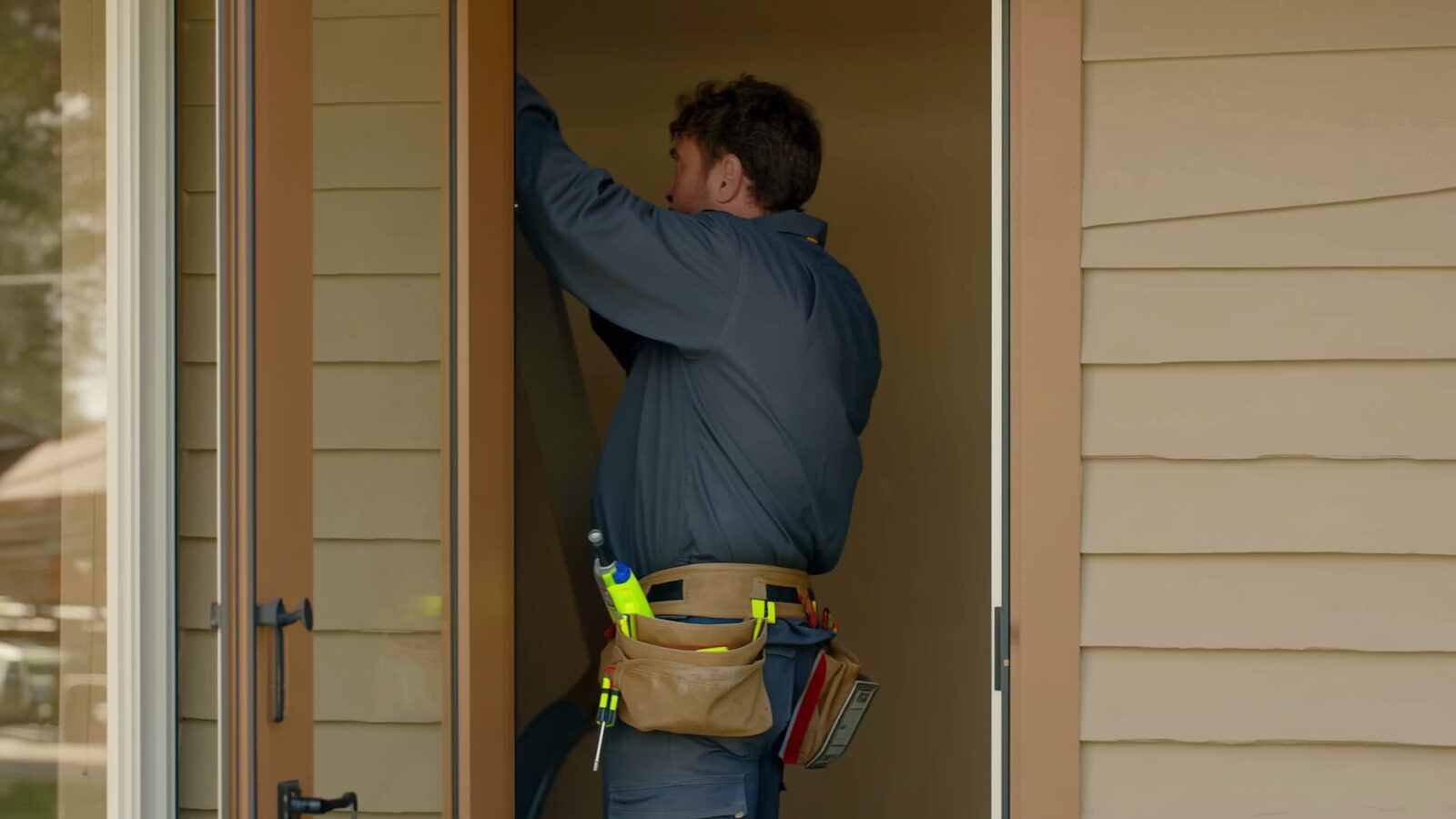
How Long Water Damage Restoration Actually Takes, & What Determines the Timeline
Why nobody can give you one number on day one
Water damage restoration is usually described in two parts, and people confuse them constantly. The first part is mitigation and drying: stopping the source, removing standing water, pulling out materials that cannot be saved, and running equipment until what is left reaches a dry standard. The second part is reconstruction: putting back the drywall, baseboard, cabinetry, flooring, and paint that came out. Those are different jobs with different clocks, and a single quoted timeline that blends them is usually a guess. The drying phase is measured, not scheduled. A crew sets equipment, then takes moisture readings on the same materials in the same spots each day. The equipment stays until the readings stop dropping and match a dry reference point elsewhere in the house. That is why an honest answer on day one sounds like a range with conditions attached, and why a confident single number should make you ask what it is based on. In many straightforward jobs, structural drying runs a few days; in others it runs considerably longer, and the reason is almost always one of the factors below.
The variables that decide whether this is days or weeks
Timelines are not random. They come down to a handful of physical realities in your specific house.
What the water was
Clean supply-line water is a drying problem. Water that came from a toilet, a sewer backup, or standing groundwater is a contamination problem first, and that changes everything. Porous materials that soaked up contaminated water generally come out rather than dry in place, which adds demolition time up front but often shortens the drying phase, because the wet material is gone.
How long it sat
Water found in an hour behaves very differently from water that ran overnight or wicked quietly behind a wall for weeks. Time lets moisture travel up drywall, under cabinet toe kicks, and into subfloor. A slow leak discovered late is frequently a longer job than a dramatic burst caught fast, which surprises people.
What it soaked into
Drywall, carpet pad, and unfinished framing release moisture relatively quickly. Dense hardwood, engineered flooring, tile with a mortar bed, plaster, and concrete slab hold water far longer and dry from the inside out. A house with lightweight materials can dry in a fraction of the time a house with dense assemblies needs.
Where it went that you cannot see
Wall cavities, insulation, the space under a bathtub, the underside of a stair tread. Trapped moisture with no airflow is the single most common reason a job that looked finished reopens later. Getting air into those cavities sometimes means small drilled holes or removing a section of baseboard, and that access work is part of the timeline.
The size and layout of the loss
Two rooms on one floor is a different job from water that traveled down a wall to the level below. Multi-level losses need equipment and monitoring in more places, and often need the ceiling assembly opened, which is slower and messier than working on a floor.
Insurance and approvals
Mitigation usually starts immediately because delay makes damage worse. Reconstruction often waits on an adjuster, a scope agreement, and material selections. This gap between the fans coming out and the rebuild starting is where most of the frustrating dead time in a claim lives, and it is worth asking about early.
What a typical sequence looks like, step by step
No two houses run identically, but the order rarely changes, and knowing the order helps you tell progress from stalling. First, the source is stopped and the extent is mapped. A technician uses moisture meters and often a thermal camera to find where water traveled, then marks the affected area. This matters more than it sounds: everything after it is scoped from this map, and a map drawn too small is the reason jobs get reopened. Second, extraction and controlled demolition. Standing water comes out. Materials that will not dry acceptably, or that were contaminated, are removed. Carpet pad, wet insulation, and swollen baseboard are common removals. Sometimes drywall is cut at a set height to expose the cavity. Third, drying. Air movers and dehumidifiers are placed based on the room volume and the amount of wet material, then readings are taken daily. This is the phase that ends when the numbers say so, not when the calendar says so. If someone pulls equipment without documenting final readings, ask for them. Fourth, cleaning and any antimicrobial treatment on the affected surfaces, then a final check. Fifth, reconstruction. Drywall, texture, paint, trim, flooring, cabinetry. This phase is scheduled work with lead times on materials, and flooring or custom cabinets can extend it well beyond the drying phase. On many claims, the rebuild is the longest part by a wide margin. You can read more about how that side works on our reconstruction and rebuild page.
If this is not the first time, the timeline is not really the problem
Some readers are not asking how long this takes. They are asking why they keep asking. Recurring damp in the same wall, a baseboard that darkens every summer, a stain that comes back after paint, a musty smell that returns when the AC runs hard: that pattern usually means the original source was never fully identified, or the drying was called complete while moisture was still trapped in an assembly. Common culprits in Arizona homes include condensate lines and drain pans on air handlers, slab leaks in supply lines under concrete, failed shower pans and tile grout that let water into the substrate rather than the drain, water heater fittings, roof or parapet flashing that only leaks in specific wind-driven rain, and irrigation or grading that pushes water toward a foundation. Each of these leaves a different signature. A condensate problem tracks with cooling season. A shower pan failure shows up on the ceiling below or the adjacent hallway baseboard. A slab leak may show as a warm spot on the floor or an unexplained jump in the water bill. The useful move when a problem repeats is not to redo the same repair faster. It is to have someone find the water path before anything is closed back up. That takes longer at the start and is usually the only thing that makes the timeline stop repeating. If you want to talk through what you are seeing, reach out and describe the pattern, not just the damage.
Questions people ask us
Can drying equipment be turned off at night?
Generally no. Drying works on continuous airflow and continuous dehumidification, and shutting equipment down overnight can undo much of the day's progress and extend the total time. The noise and the added electricity use are real, and they are worth raising with your crew, but the usual answer is that the machines run until the readings say the materials are dry.
Why did the fans come out but the house still is not fixed?
Because drying and rebuilding are two separate phases. When equipment leaves, it means the structure has reached a dry standard. The drywall, trim, flooring, and paint that were removed still have to be replaced, and that work is scheduled around scope approval and material availability. It is normal for the rebuild to take longer than the drying did.
How do I know the drying is really finished?
Ask for the moisture readings. A crew should be documenting readings on the same materials daily and comparing them to a dry reference area in an unaffected part of the house. Drying is complete when affected materials match that reference and stop changing, not when a set number of days has passed.
Does a bigger flood always mean a longer job?
Not always. A large volume of clean water on tile and framing can dry faster than a small, slow leak that sat behind a wall for weeks and soaked into dense material. What the water touched, how long it sat, and whether it was contaminated usually matter more than how many gallons there were.
The standard our team works to
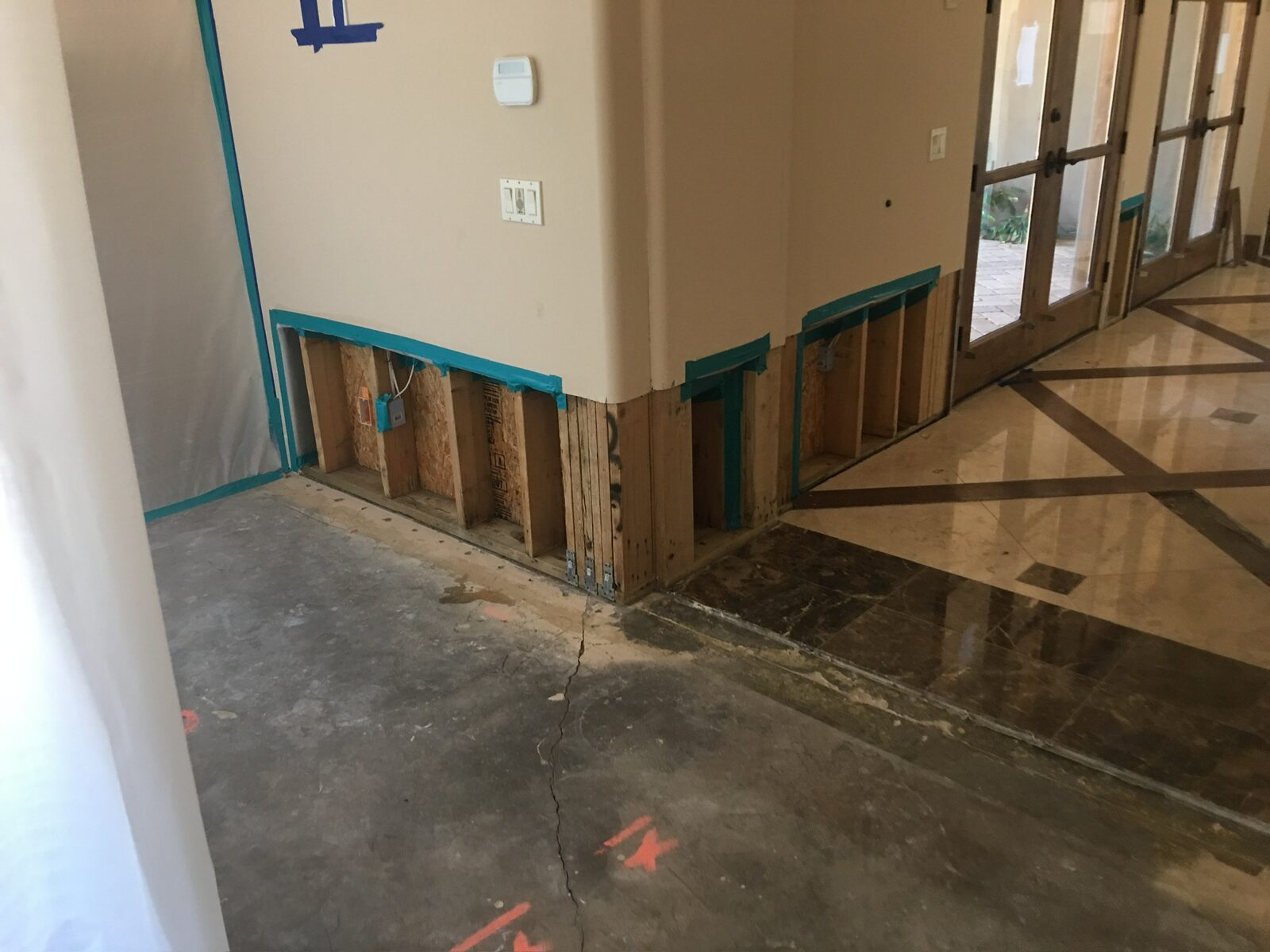
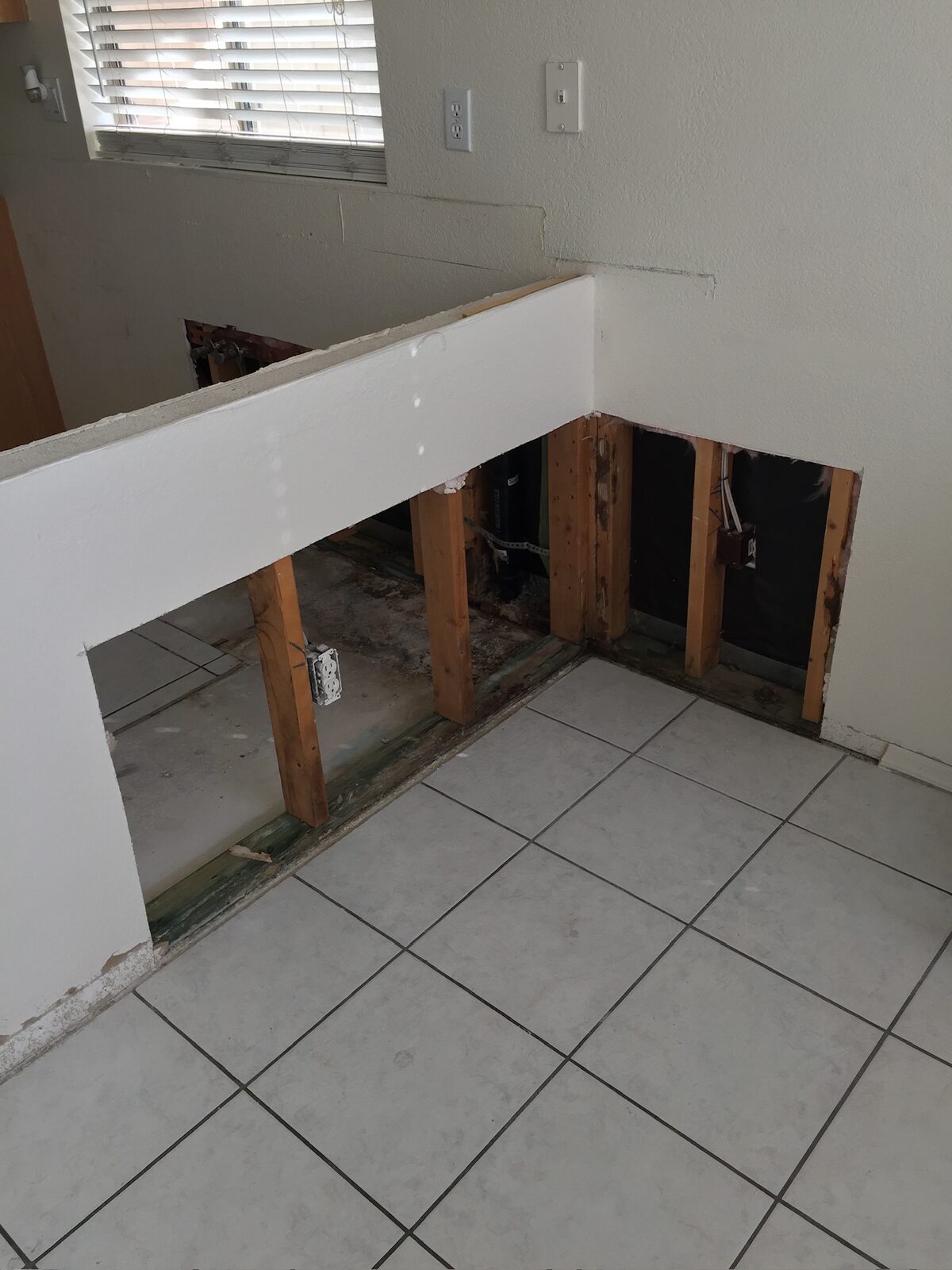
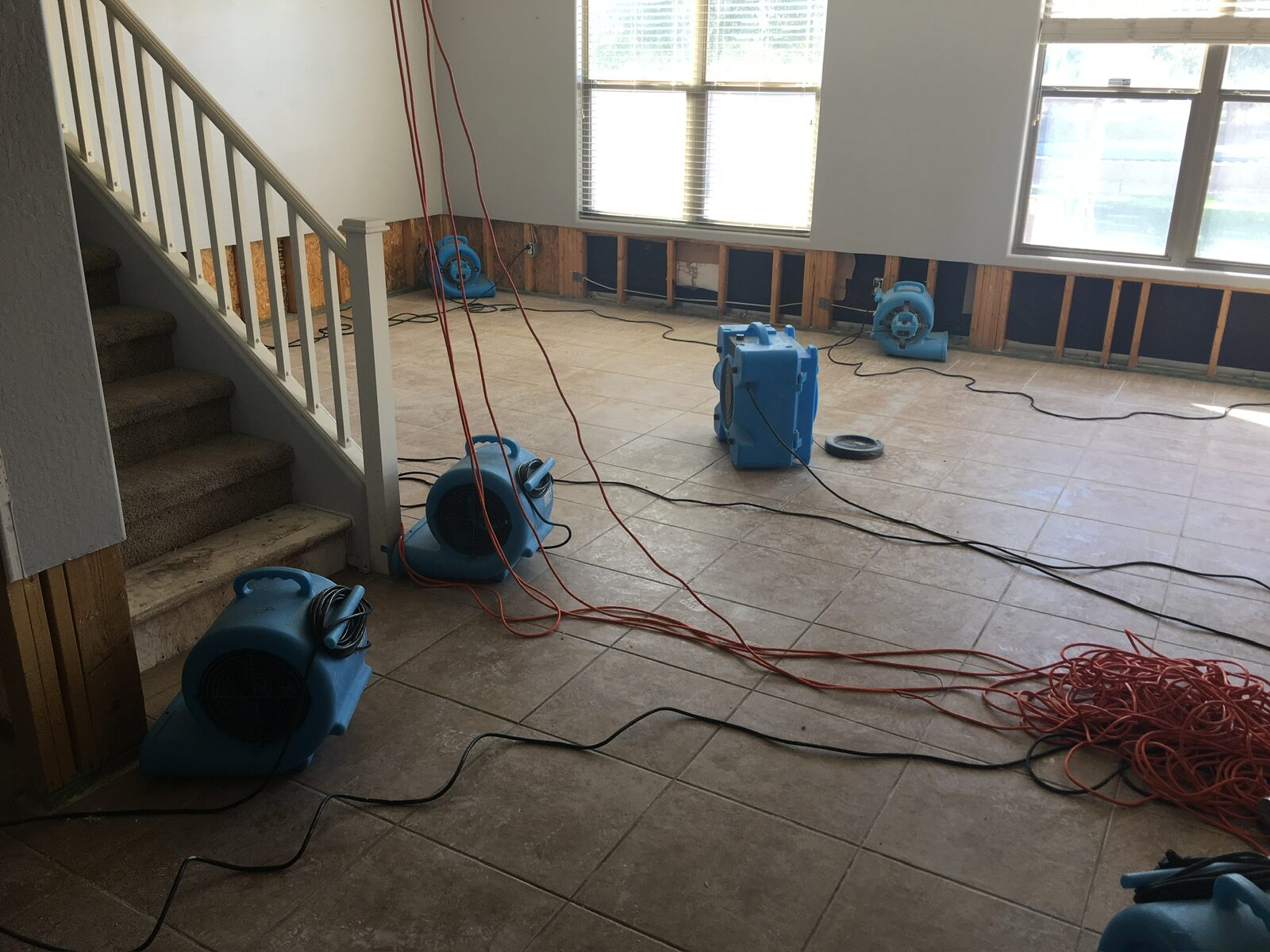
Residential reconstruction work by members of our team. See the full gallery →
More from Gold Water Fire
Abrasive Cleaning Methods for Soot on Framing and Masonry
A look at how abrasive cleaning methods remove soot from wood framing and masonry after a fire, and when each method fits the material.
AC Condensate Line Clogs & the Water Damage They Cause in Phoenix Homes
Why Phoenix AC condensate lines clog every summer, what the water damage looks like, and how to find the source before the ceiling stain spreads again.
Actual Cash Value vs Replacement Cost: Why Your Check Might Not Match the Repair Bill
Confused why your insurance check seems short after fire or water damage? Learn the difference between actual cash value and replacement cost coverage.
Not sure what you are actually dealing with
If you are looking at a damp wall and cannot tell whether this is a small repair or something that keeps coming back, describe what you are seeing to Gold Water Fire at (480) 999-3339 or Help@goldwaterfire.com. We work across the Phoenix metro area, from Peoria and Avondale out through Chandler, Gilbert, Queen Creek, San Tan Valley, and Apache Junction.
Call (480) 999-3339Water Damage Restoration · Reconstruction & Rebuild · Fire Damage Restoration · Contact Gold Water Fire · About Our Team