
Mold Testing and Mold Remediation Are Not the Same Service
If you've been searching for "mold testing" and "mold removal" and getting confused about which one you actually need, you're not missing something obvious. The two terms get used interchangeably online, on packaging, and even by some contractors, which makes it genuinely hard to figure out where to start when you're standing in a room that smells musty or looking at a dark patch on drywall and just want to know what's happening and what it means for your home.
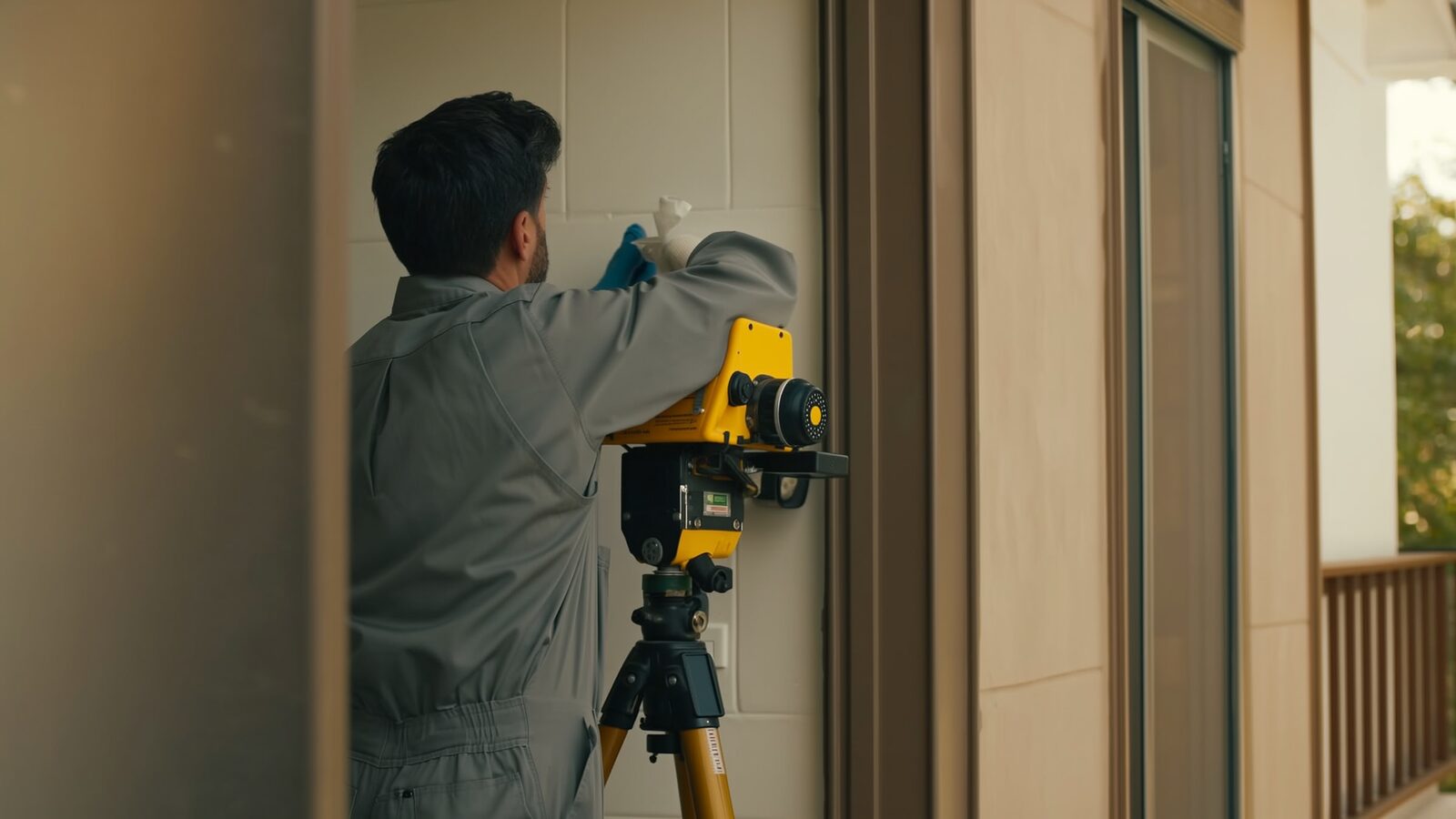
Mold Testing and Mold Remediation Are Not the Same Service
What mold testing actually does
Mold testing is a diagnostic step. A tester takes air samples, surface swabs, or both, and sends them to a lab to identify what type of mold is present and in what concentration. The result is information: a report that tells you what species you're dealing with and whether spore counts are elevated compared to a normal baseline. Testing does not remove anything from your home. It does not dry out a wet wall or clean a moldy surface. It answers a question. That's useful when you can see or smell something but aren't sure if it's mold, or when you want documentation before or after a remediation project to confirm the work actually resolved the problem.
What mold remediation actually does
Remediation is the physical work of removing mold and fixing the conditions that let it grow. That typically means containing the affected area so spores don't spread to the rest of the house, removing porous materials that have absorbed mold (like drywall or insulation) since those usually can't be fully cleaned, treating remaining surfaces, and running air filtration and drying equipment. Remediation also has to address the underlying moisture source, because mold grows where there is sustained dampness. If that source isn't fixed, whatever growth comes back will just be a repeat of the same problem.
Why the order usually matters
In most cases, testing before remediation only makes sense if there's real uncertainty about whether mold is present or what's causing an odor or a health complaint. If you can already see visible mold growth after a known water event, like a leak or flood, testing to confirm what you're already looking at often just delays the work. Where testing earns its cost is on the back end: after remediation is done, a post-remediation air or surface test can verify that spore levels are back to a normal range before you move furniture back in or consider the space closed out.
Reading the signs before you call anyone
A few patterns are worth knowing regardless of who you hire. Mold needs moisture and organic material to grow, so it shows up fastest around past or current leaks: under sinks, around window frames, behind baseboards after flooding, in attics with roof leaks, and in bathrooms with poor ventilation. A musty smell without visible growth often means mold is growing somewhere hidden, like inside a wall cavity or under flooring, which is a case where testing (or simply opening up the material to look) is more useful than guessing. Discoloration that's fuzzy, slightly raised, or spreads in a pattern following water staining is more likely mold than a flat stain from tannins or dirt, though the only way to know for certain is testing or lab analysis of a sample.
Questions people ask us
Do I need to test for mold before remediation starts?
Not always. If mold is already visible following a known water intrusion, remediation can typically proceed without a separate lab test, since the priority is removing the growth and drying the space. Testing adds the most value when there's uncertainty about whether mold is present at all, or when you want a lab-confirmed baseline before and after the work.
Can I just clean visible mold myself without remediation?
Small, isolated surface mold on a nonporous surface can sometimes be wiped down, but mold that has spread into porous materials like drywall, carpet, or insulation usually requires removal of that material rather than cleaning, because the mold has grown into the material itself. If the area is large or the moisture source hasn't been fixed, the growth is likely to return.
Will a mold test tell me if my house is safe?
A test gives you a snapshot of spore type and concentration at the time and location the sample was taken. It's a data point, not a full safety verdict. Interpreting results usually means comparing indoor levels to outdoor baseline samples and considering where samples were taken relative to visible growth or moisture sources.
What's the difference between mold remediation and mold removal?
The terms are often used to mean the same thing. Remediation is the more precise industry term because it covers the full process, containment, removal of affected materials, cleaning, drying, and addressing the moisture source, rather than just the act of physically removing mold from a surface.
The standard our team works to
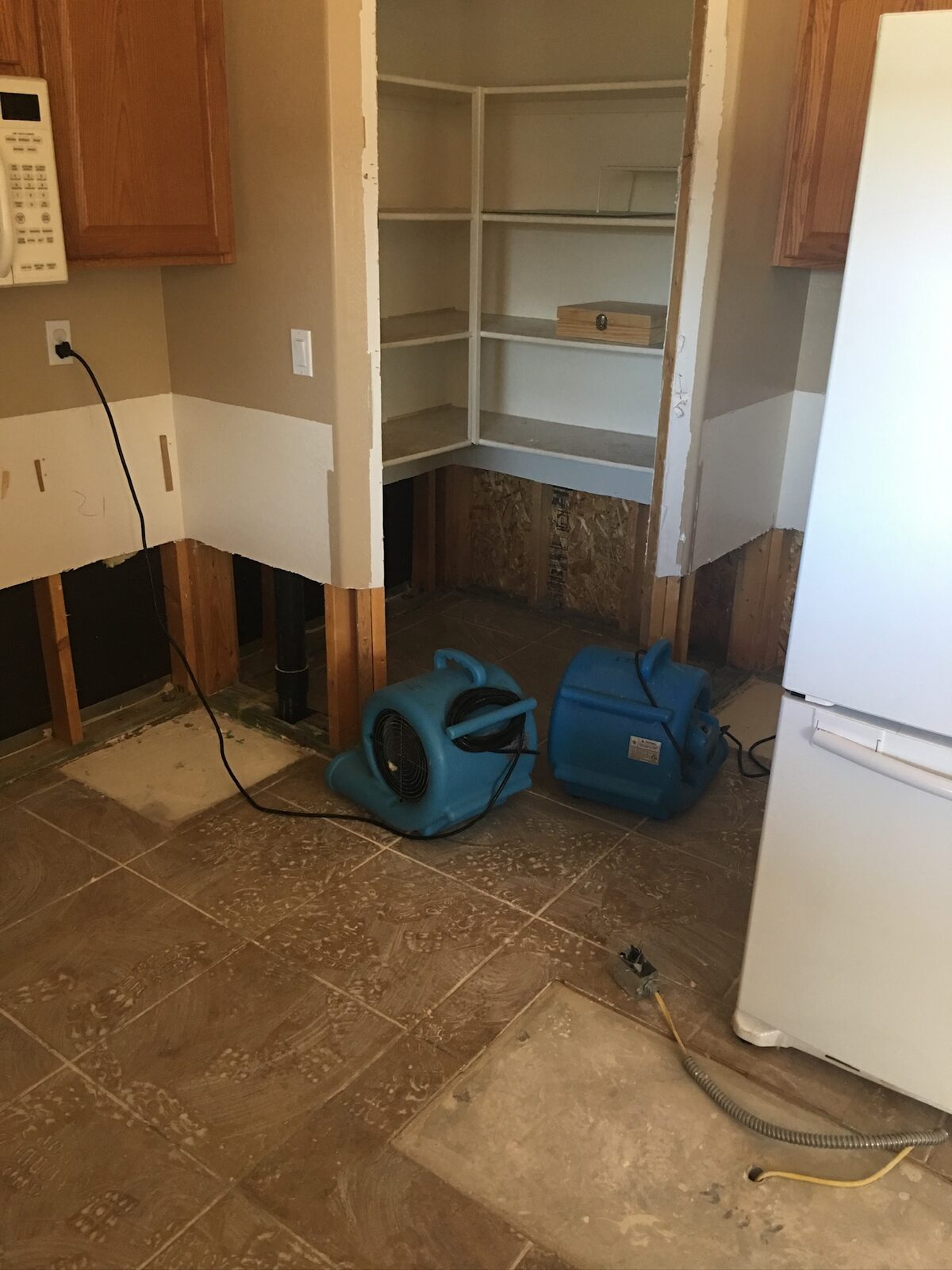
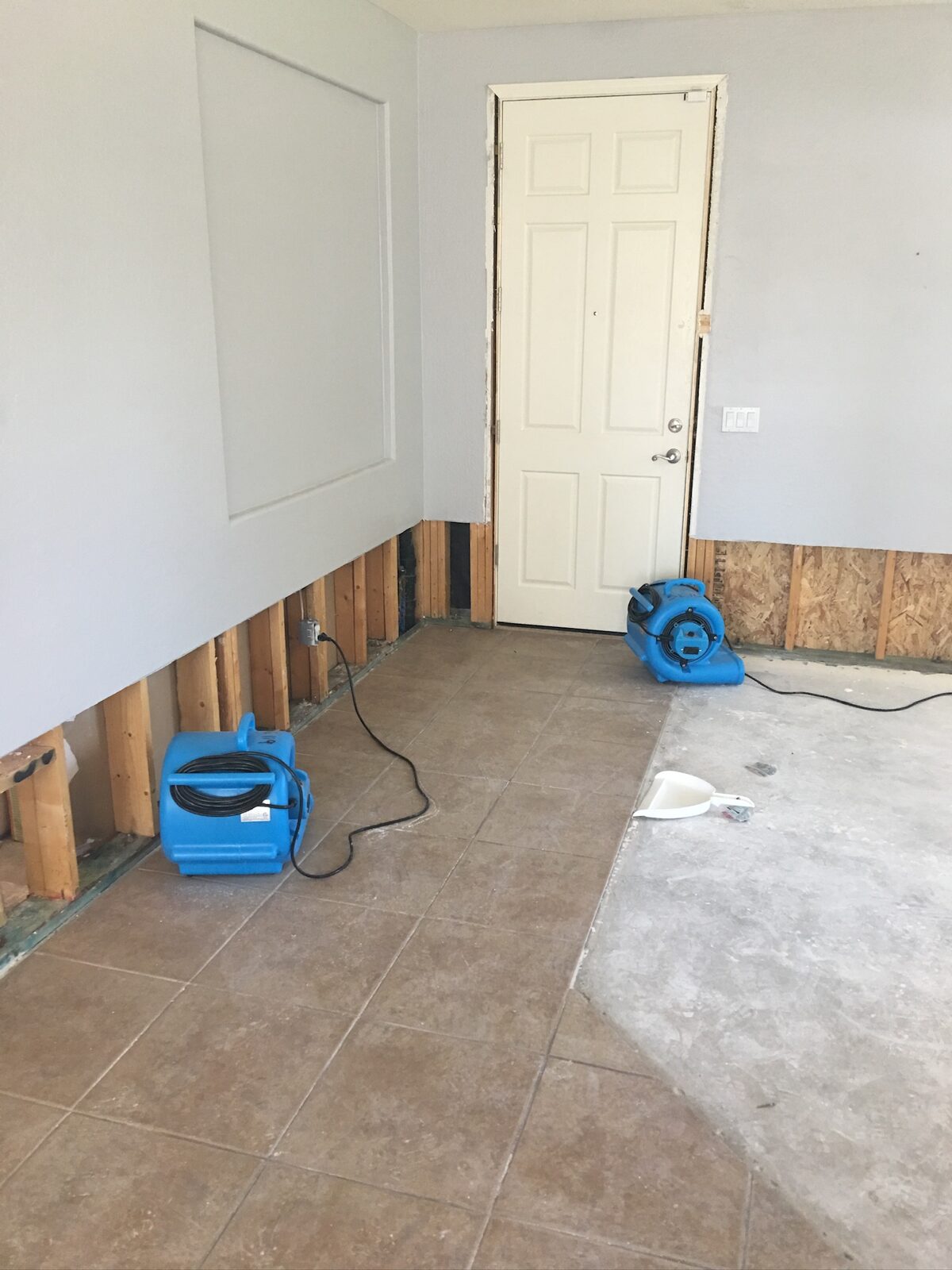
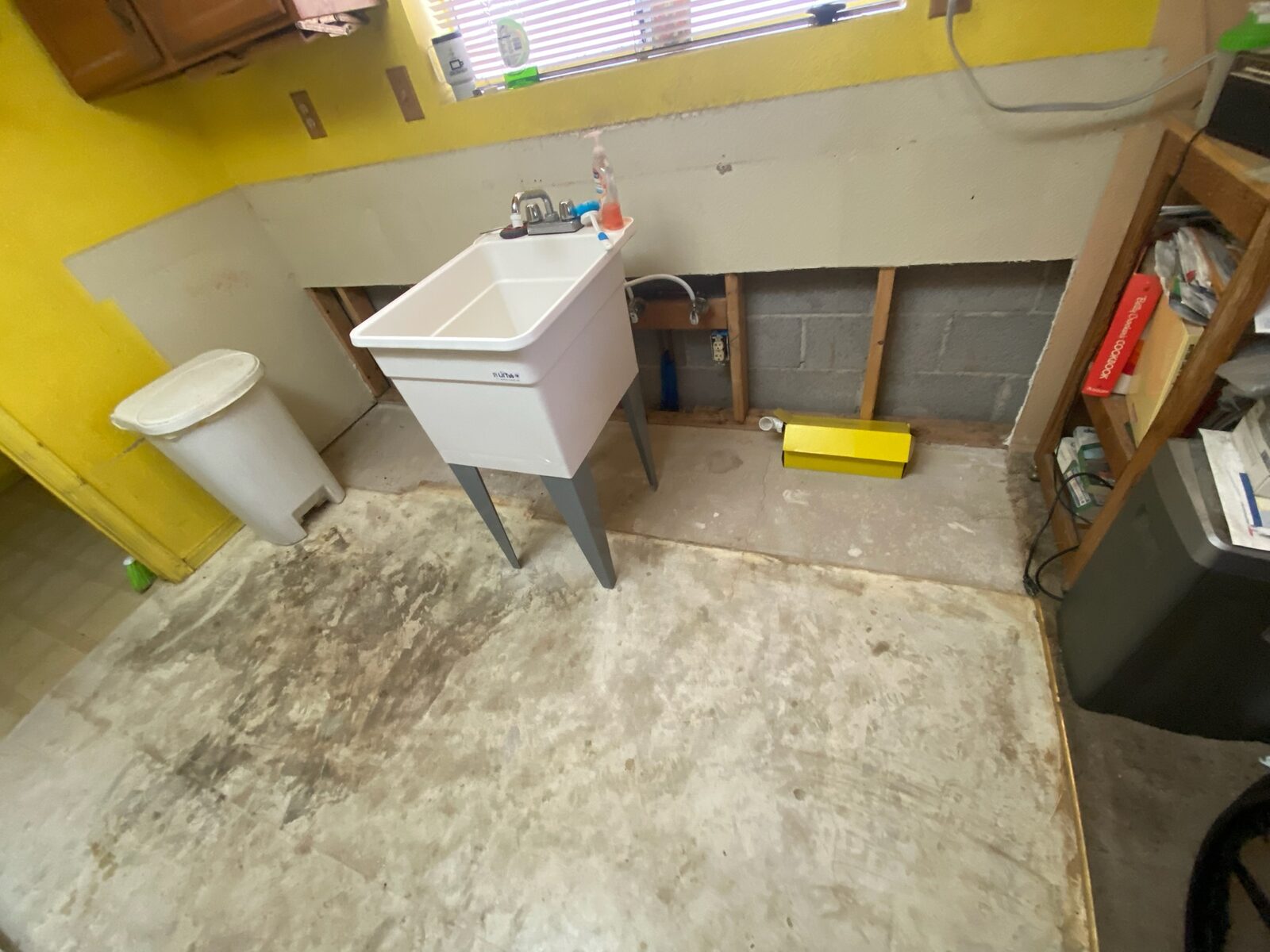
Residential reconstruction work by members of our team. See the full gallery →
More from Gold Water Fire
Abrasive Cleaning Methods for Soot on Framing and Masonry
A look at how abrasive cleaning methods remove soot from wood framing and masonry after a fire, and when each method fits the material.
AC Condensate Line Clogs & the Water Damage They Cause in Phoenix Homes
Why Phoenix AC condensate lines clog every summer, what the water damage looks like, and how to find the source before the ceiling stain spreads again.
Actual Cash Value vs Replacement Cost: Why Your Check Might Not Match the Repair Bill
Confused why your insurance check seems short after fire or water damage? Learn the difference between actual cash value and replacement cost coverage.
Not sure whether you need testing, remediation, or both?
If you're looking at a moisture problem in a Phoenix-area home and trying to figure out what to do next, Gold Water Fire can walk through what you're seeing and help you understand your options. Call (480) 999-3339 or email Help@goldwaterfire.com.
Call (480) 999-3339