
How an HVAC System Spreads a Mold Problem Through a House
You cleaned the mold in the bathroom, and now it's showing up on a closet wall on the other side of the house. Or it keeps returning in the same spot no matter how many times it's wiped down. It doesn't make sense on the surface, and that's the frustrating part: you're treating what you can see, but something keeps feeding it. If your house has central air, there's a good chance the HVAC system is part of the story, and understanding how is the first step to actually stopping it.
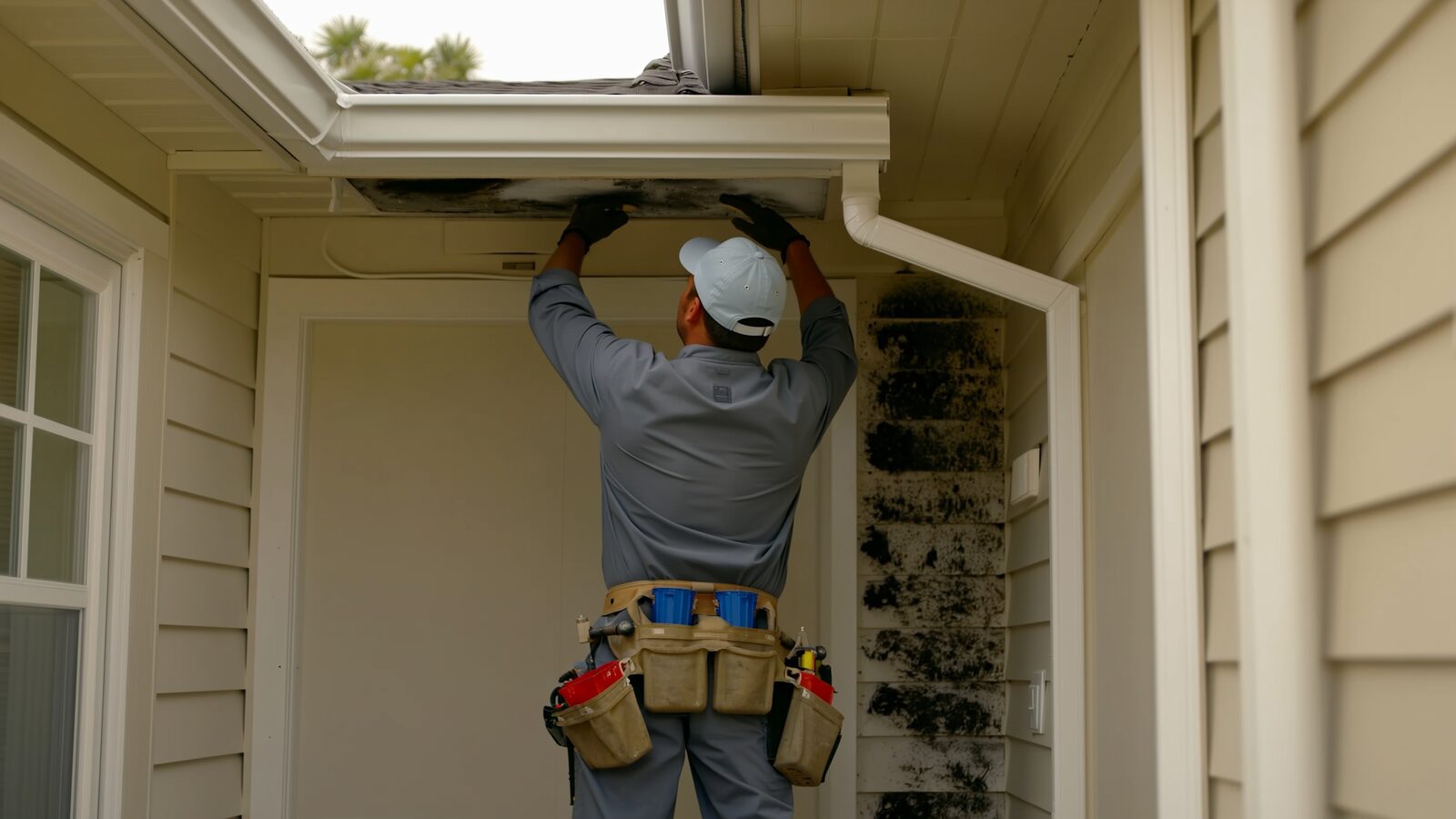
How an HVAC System Spreads a Mold Problem Through a House
Why mold shows up far from where the moisture started
Mold needs three things to grow: moisture, a food source (dust, drywall paper, wood, even the grime on a coil), and still air to settle in. A central HVAC system disrupts that last part in the wrong direction. Every time the blower runs, it pulls air from every connected room through the return ducts, passes it across the coil and blower housing, and pushes it back out through the supply ducts into other rooms. If mold spores are present anywhere in that loop, whether on a damp coil, in a dusty duct run, or around a condensate pan that isn't draining right, the system doesn't contain them. It circulates them to every room the ductwork reaches.
The parts of the system that let mold take hold
A few specific components create the conditions mold needs. The evaporator coil sits in constant condensation during Arizona's cooling season, and if the drain pan or condensate line is clogged or draining poorly, water sits there long enough to grow something. Flexible ductwork, especially in an attic, can develop small tears or disconnected joints that pull in attic dust and moisture instead of conditioned air. Return air grilles pull household air, including whatever spores are already airborne, back into the system to start the cycle again. And a system that's been shut off for a stretch, common in a vacant room or a house left unoccupied for a while, gives condensation time to sit still instead of drying out.
Signs the HVAC system is involved, not just the room you noticed
A musty smell that's strongest right when the air kicks on is one of the clearest signals, since it suggests the odor is coming from inside the ductwork or coil rather than a wall. Mold appearing in more than one room, especially rooms that don't share a wall or plumbing line, points toward something shared between them, and ductwork is often the only thing that is. Dust coming out of vents that looks unusually dark or clumped can be a sign of growth inside the duct itself. And if a room feels consistently more humid than the rest of the house even with the AC running, the system may not be dehumidifying that space properly, which gives mold a longer window to establish itself.
Why cleaning the visible mold isn't enough on its own
Wiping down a moldy patch on drywall or baseboard deals with what's visible, but if the HVAC system is redistributing spores every time it cycles, the same conditions can rebuild in the same spot or a new one within days or weeks. A thorough look at a mold problem that keeps recurring usually needs to include the return grilles, the visible duct runs, the coil and drain pan, and the areas immediately around supply vents in every affected room, not just the one where mold was first noticed. Addressing the moisture source that started the problem matters too. Mold doesn't grow without a water or humidity issue behind it, so the HVAC involvement is usually a symptom of that root cause spreading further than expected, not the original cause itself.
Questions people ask us
Can mold actually grow inside the ductwork itself, not just on surfaces in the room?
Yes. Duct interiors collect dust, and if moisture reaches that dust, whether from a leak, high humidity, or condensation near the coil, mold can establish itself on the inside of the duct walls and get carried further by every cycle of the blower.
Does running the AC less often help slow the spread?
Not by itself, and it can make things worse. Less airflow can mean higher humidity sitting in rooms, which feeds mold growth. The better move is figuring out where moisture is getting into the system or the ducts and addressing that directly.
Is it possible to have a mold problem in the HVAC system with no visible mold anywhere in the house yet?
Yes. A musty smell that's stronger when the air is running, without any visible spotting on walls or ceilings, is a common early sign that growth is inside the system before it's become visible in a room.
Should the whole HVAC system be checked, or just the room where mold was found?
Since the system connects every room it serves, a problem noticed in one room can point back to something shared, like the coil, drain pan, or a duct run. Checking the full system, not just the one room, gives a clearer picture of how far it has actually spread.
The standard our team works to
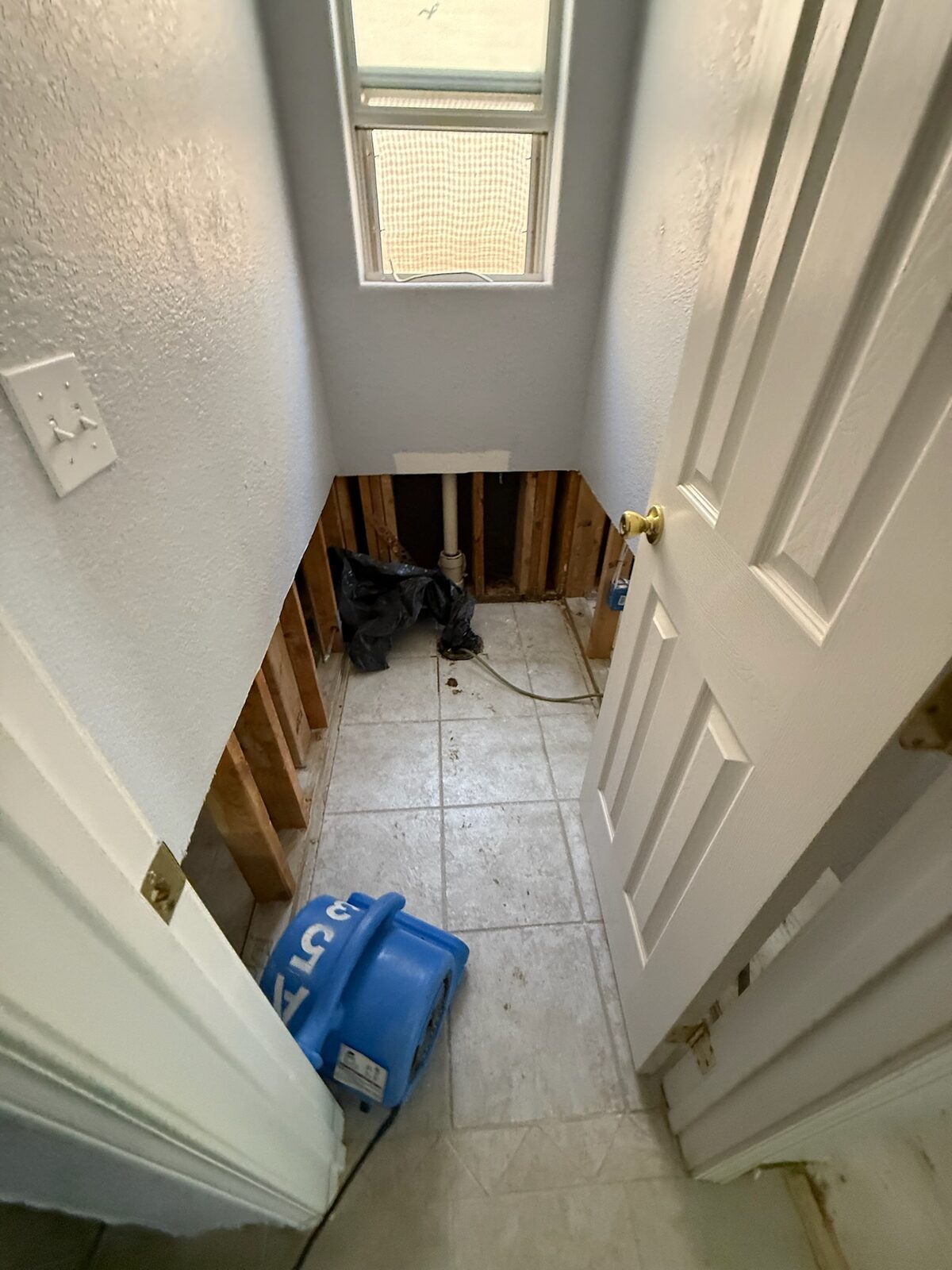
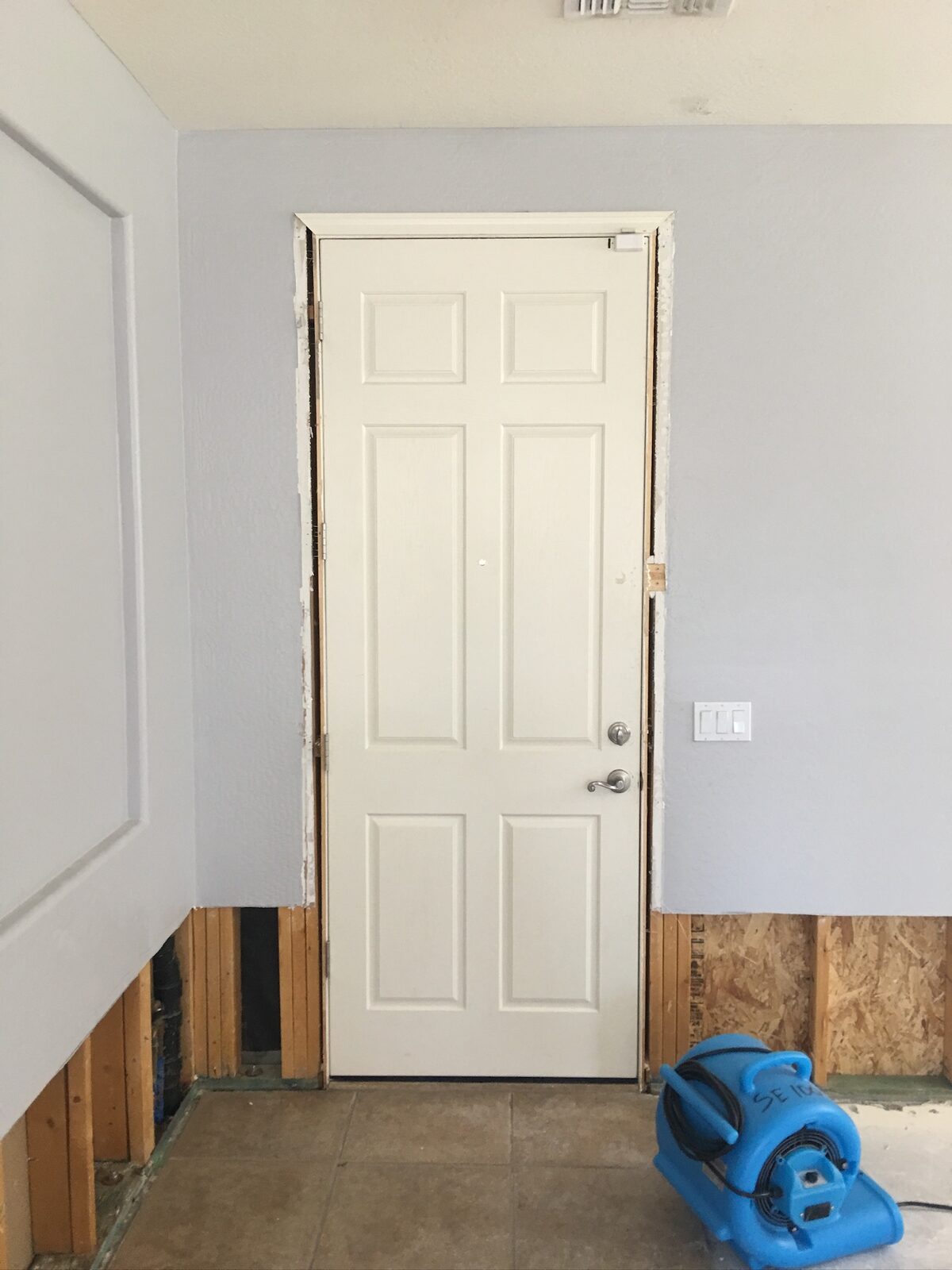
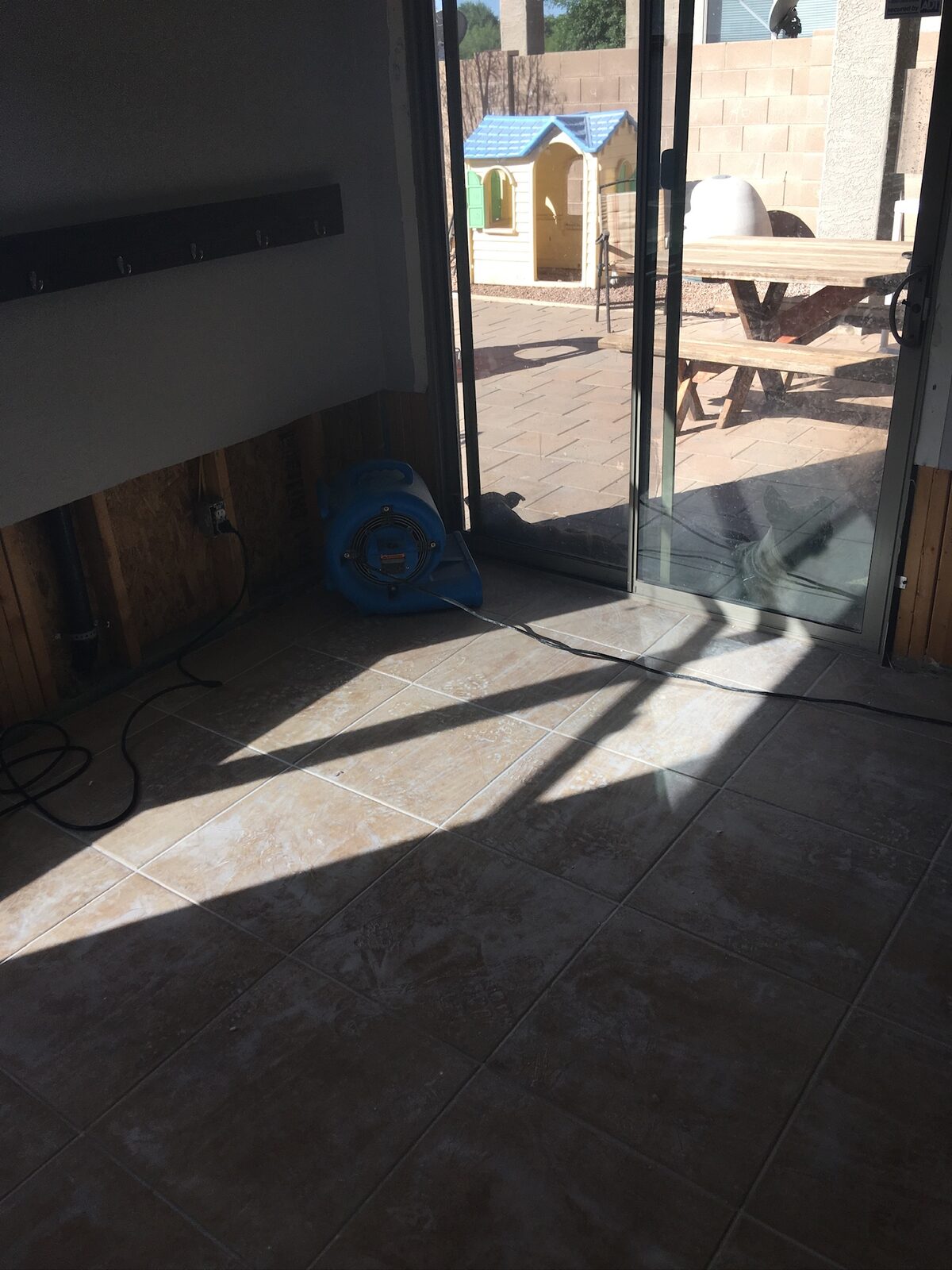
Residential reconstruction work by members of our team. See the full gallery →
More from Gold Water Fire
Abrasive Cleaning Methods for Soot on Framing and Masonry
A look at how abrasive cleaning methods remove soot from wood framing and masonry after a fire, and when each method fits the material.
AC Condensate Line Clogs & the Water Damage They Cause in Phoenix Homes
Why Phoenix AC condensate lines clog every summer, what the water damage looks like, and how to find the source before the ceiling stain spreads again.
Actual Cash Value vs Replacement Cost: Why Your Check Might Not Match the Repair Bill
Confused why your insurance check seems short after fire or water damage? Learn the difference between actual cash value and replacement cost coverage.
Not sure how far a mold problem has traveled through your house?
Gold Water Fire serves the Phoenix metro area, from NW Peoria and SE Avondale to SW San Tan Valley and NW Apache Junction. Call (480) 999-3339 or email Help@goldwaterfire.com to talk through what you're seeing, or visit our <a href="/water-damage-restoration.html">water damage restoration</a> page to understand how moisture issues connect to problems like this.
Call (480) 999-3339Water Damage Restoration · Reconstruction & Rebuild · About Gold Water Fire · Contact Us