
Why Structural Drying Takes Days Rather Than Hours
You mopped up the water. The floor looks dry. But three days later, there are still fans running in your living room and someone keeps coming back to check moisture readings with a little meter. It's confusing, and honestly a little frustrating, when everything looks fine but you're told it isn't done. If you're staring at drying equipment wondering why this is taking so long, you're not imagining that it feels excessive. There's a real reason it works this way, and it has nothing to do with how the equipment is being run.
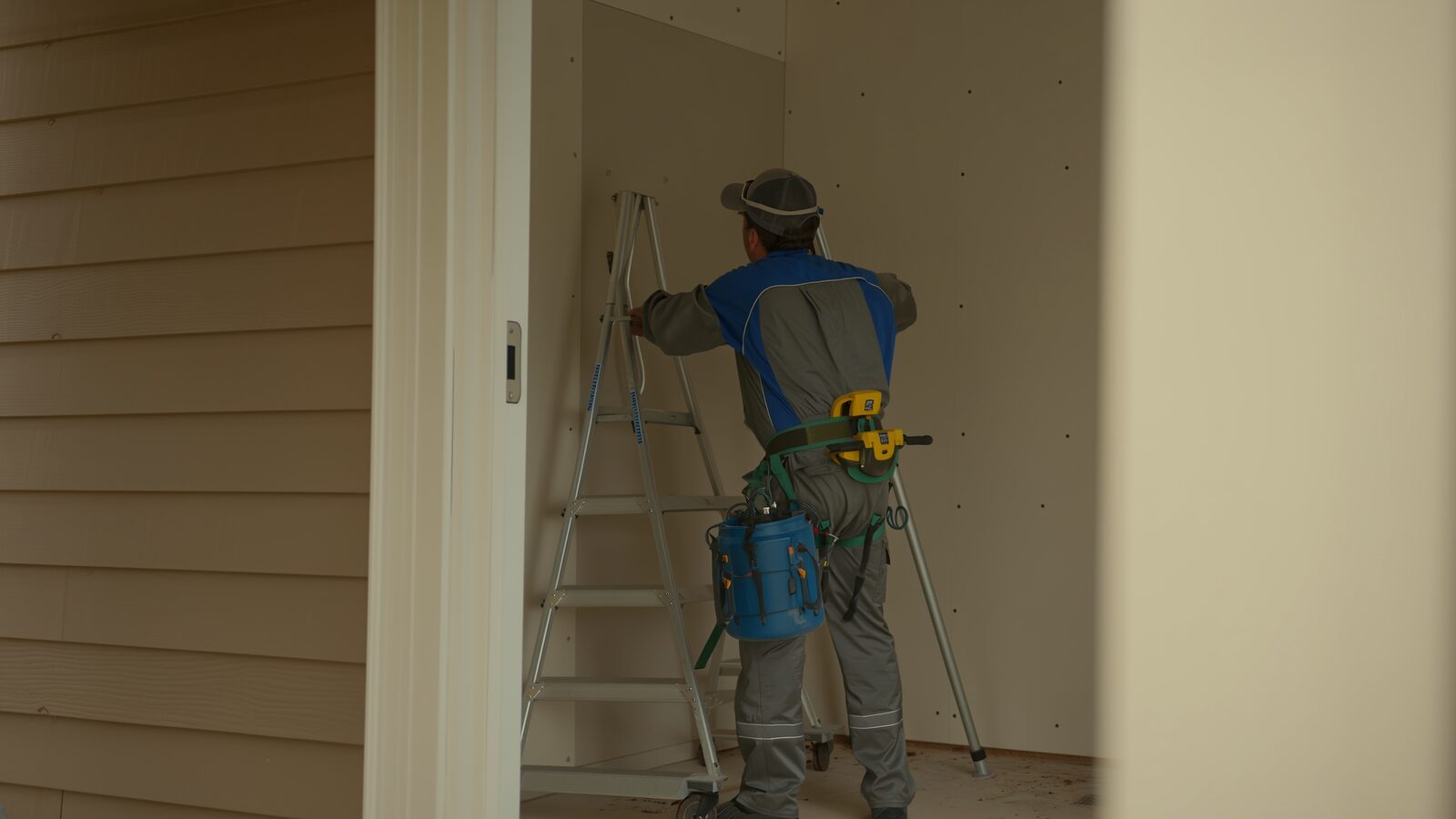
Why Structural Drying Takes Days Rather Than Hours
What you can see is not what's wet
Standing water is the part that's obvious. It's also the smallest part of the problem. Once visible water is removed, the water that soaked into drywall, framing, subfloor, and insulation is still there, and it doesn't announce itself the way a puddle does. A wall can look completely normal, same paint, same texture, no stain, and still be holding a significant amount of moisture inside the material. That moisture doesn't sit still either. It moves through wood and drywall by capillary action, wicking upward and sideways from where the water originally landed, which is part of why the damp area at the end of drying is often bigger than the wet area at the start.
Materials release water on their own schedule
Different building materials hold and release moisture at very different rates. Drywall gives up water relatively fast. Solid wood framing, subfloor, and especially engineered wood products release it much more slowly because the water has to migrate from deep inside the material out to the surface before it can evaporate at all. This is a physical process, not something that speeds up with more airflow past a certain point. You can dry the surface of a wet 2x4 in an afternoon and still have a wet core days later. That's also why a moisture meter reading matters more than how a wall feels or looks: touch and sight only tell you about the surface.
The air itself has to be managed, not just moved
Fans alone don't dry a structure. Evaporation only works if the surrounding air can actually absorb more moisture, and once the air in a room reaches a certain saturation point, blowing more air across a wet surface stops helping and can even slow things down. That's why drying setups use dehumidifiers alongside air movers: the dehumidifier pulls moisture out of the air so the air has room to keep absorbing more from the materials. Get that balance wrong (too much air movement, not enough dehumidification, or the reverse) and drying stalls out even though equipment is running around the clock.
Hidden cavities change the timeline
Wall cavities, the space under cabinets, subfloor beneath tile, and the gap behind baseboards all trap moisture where it's hard to reach and hard to see. Getting air circulating into those spaces sometimes means removing baseboards, drilling small access holes in drywall, or lifting flooring in specific spots, not because the damage is worse than expected, but because that's the only way to actually dry what's trapped in there. Skipping that step doesn't make the moisture disappear. It just means it stays behind the wall, out of sight, and shows up later as a musty smell, warped material, or mold growth.
Questions people ask us
If the floor already feels dry, why do the fans need to keep running?
Surface-dry and structurally dry are two different things. The surface of a material can feel completely dry to the touch while the core of that same material, or the framing behind it, still holds moisture that hasn't had time to migrate out yet. Equipment usually stays in place until moisture readings taken with a meter confirm the material itself has reached a normal range, not just the surface.
Does running the fans on high speed up drying?
Not necessarily, and past a certain point it can actually work against you. Evaporation depends on the air being able to absorb more moisture. If the air is already saturated, more airflow doesn't pull more water out, it just moves saturated air around. That's why dehumidification is paired with air movement rather than air movement being used alone.
How is it decided that drying is finished?
Drying is generally considered complete when moisture readings in the affected materials come back in line with readings from an unaffected, comparable area of the same structure, not simply when things look or feel dry.
What happens if drying is stopped too early?
Moisture trapped inside walls, subfloor, or framing that isn't fully dried out can lead to warping, delamination of engineered wood products, or mold growth that may not become visible or noticeable by smell until well after the equipment has already been removed.
The standard our team works to
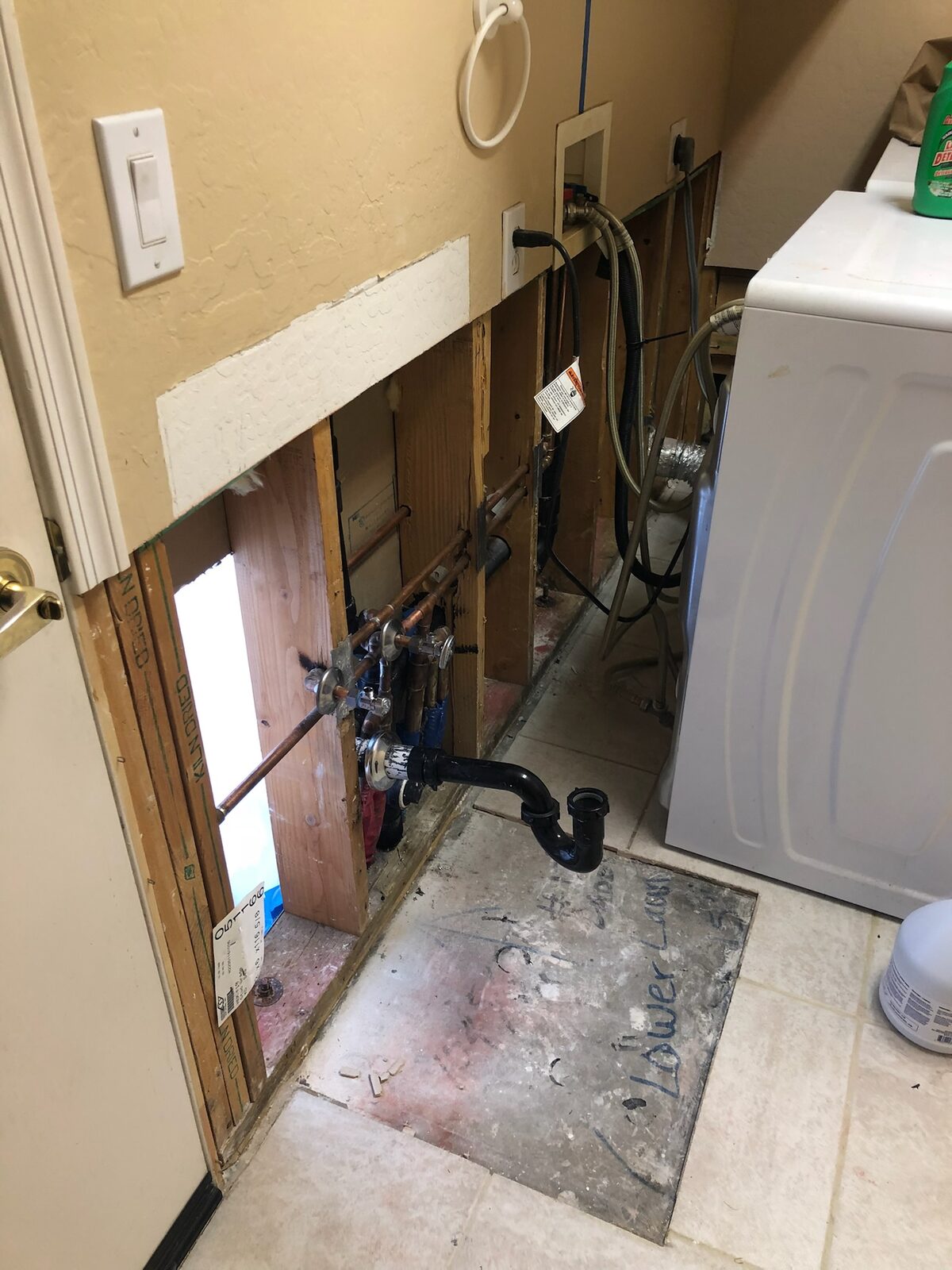
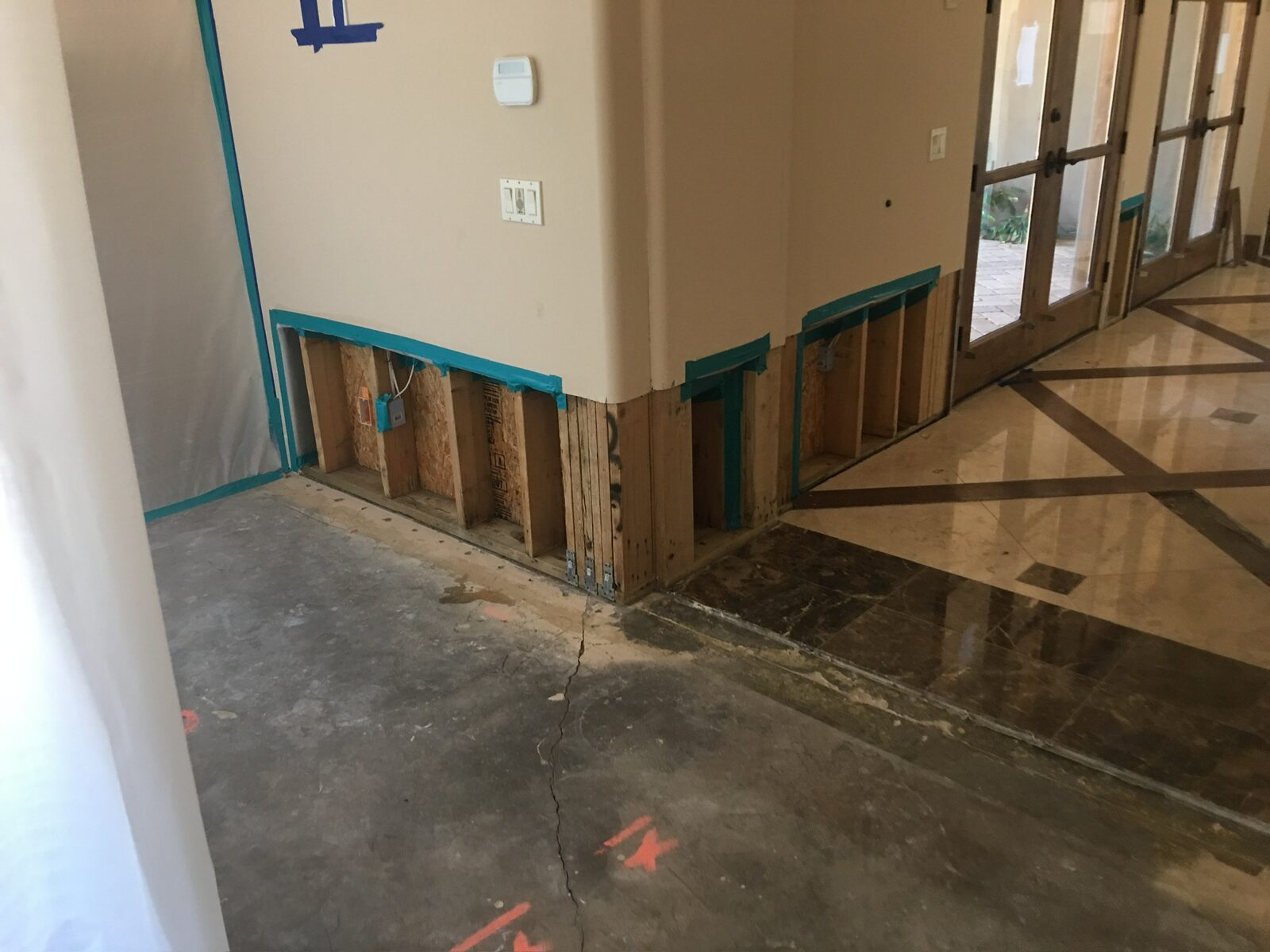
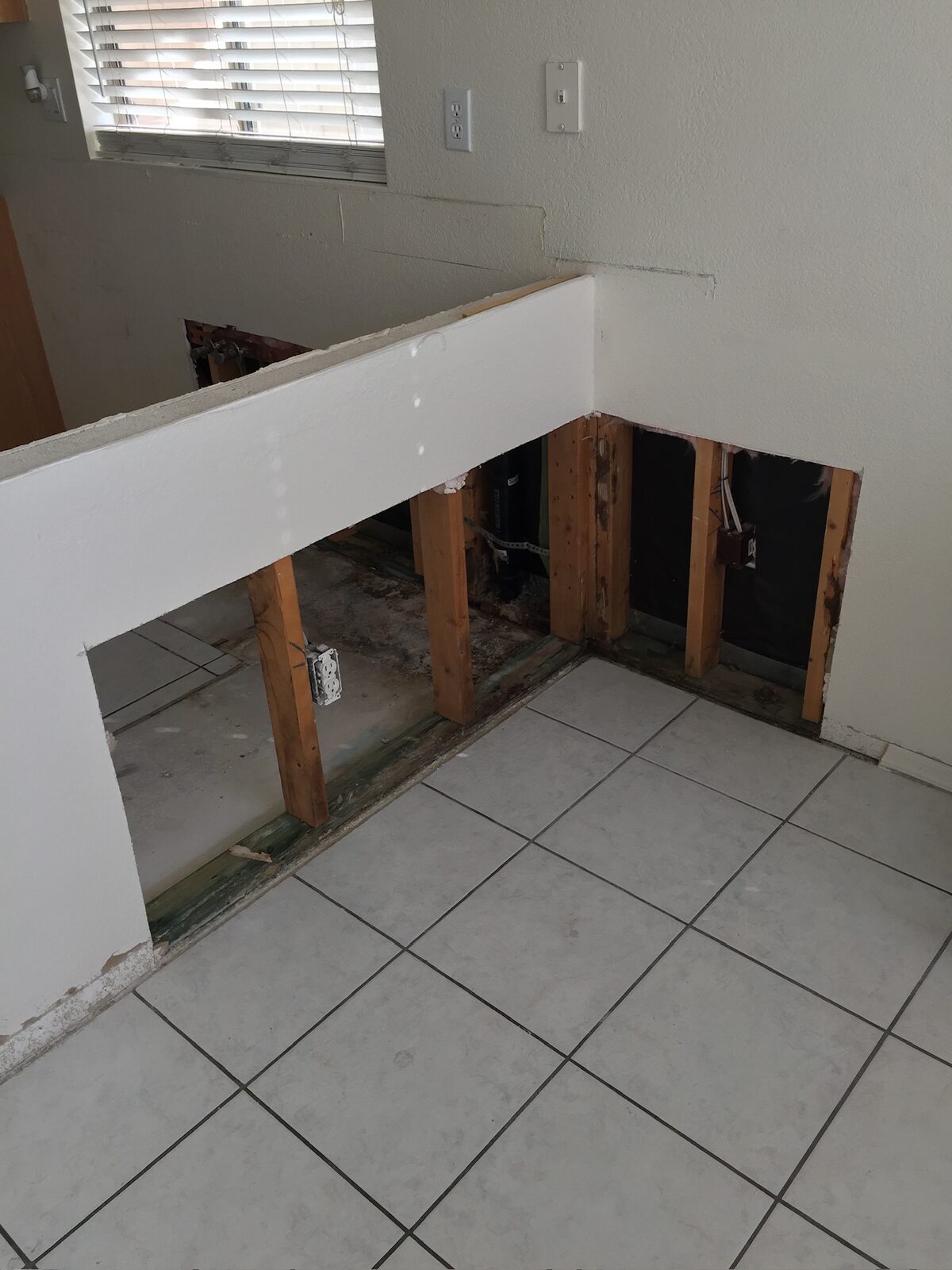
Residential reconstruction work by members of our team. See the full gallery →
More from Gold Water Fire
Abrasive Cleaning Methods for Soot on Framing and Masonry
A look at how abrasive cleaning methods remove soot from wood framing and masonry after a fire, and when each method fits the material.
AC Condensate Line Clogs & the Water Damage They Cause in Phoenix Homes
Why Phoenix AC condensate lines clog every summer, what the water damage looks like, and how to find the source before the ceiling stain spreads again.
Actual Cash Value vs Replacement Cost: Why Your Check Might Not Match the Repair Bill
Confused why your insurance check seems short after fire or water damage? Learn the difference between actual cash value and replacement cost coverage.
Dealing with water damage right now?
If you're trying to figure out what's actually happening behind your walls or floors, talk it through with Gold Water Fire. Call (480) 999-3339 or email Help@goldwaterfire.com.
Call (480) 999-3339Water Damage Restoration · Contact Gold Water Fire · About Gold Water Fire