
What Thermal Fogging Does in Smoke Odor Removal
You've cleaned the surfaces, wiped down the walls, maybe even run an air purifier for weeks, and the smoke smell is still there. It waits in the closet, it comes back after the windows are shut, it seems to live inside the house instead of on top of it. That's not your imagination and it's not a sign you cleaned wrong. Smoke behaves differently than most odors, and once you understand why, the fact that regular cleaning isn't fixing it starts to make a lot more sense.
What Thermal Fogging Does in Smoke Odor Removal
Why smoke odor outlasts a normal cleaning
Smoke isn't just a smell sitting on top of your walls and furniture. It's made up of microscopic particles of soot and gas byproducts that get carried on heat and pressure differences throughout a structure during a fire. Those particles are small enough to work their way into porous materials: drywall, insulation, wood framing, carpet padding, HVAC ductwork, even the inside of wall cavities. Wiping a countertop or shampooing a rug deals with the surface. It does nothing for the odor molecules that have already soaked into materials you can't easily reach. That's why a house can look clean and still smell like the fire happened yesterday.
How thermal fogging actually works
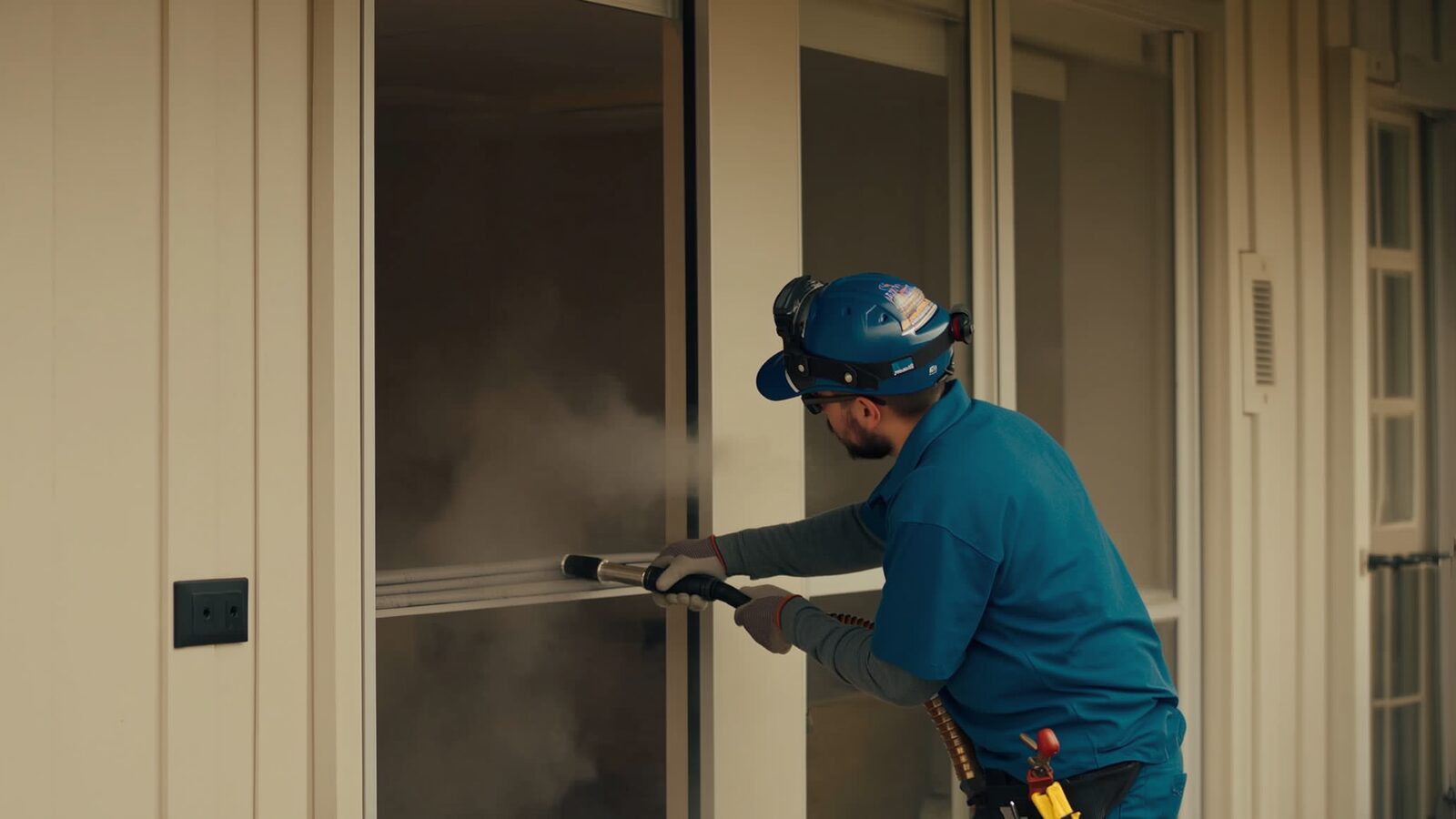
Thermal fogging uses a machine that heats a deodorizing solution until it vaporizes into an extremely fine fog, similar in particle size to smoke itself. That's the key idea: the fog is designed to move through air and settle into spaces the same way smoke did in the first place. Because the particles are heated and lightweight, they penetrate cracks, seams, fabric fibers, and porous surfaces rather than just coating the outside of them. As the fog settles and cools, the deodorizing agents bond with and neutralize the odor-causing particles at a molecular level, rather than simply masking them with a stronger competing scent.
Where fogging fits in the odor removal process
Thermal fogging is rarely the only step. It typically follows physical cleaning: removing loose soot, wiping down hard surfaces, and addressing heavily charred or saturated materials that may need to be removed entirely rather than deodorized. Fogging is most effective as a follow-up treatment that reaches the residual odor left behind after visible soot and damaged materials are already gone. Skipping straight to fogging without first cleaning surface soot tends to give a weaker, shorter-lived result, because the fog is chasing lingering odor, not standing in for basic cleanup.
What fogging can and can't fix on its own
Fogging is a strong tool for lingering, structure-wide smoke odor, especially after smaller fires or in rooms adjacent to the fire's origin where damage is more about smoke penetration than fire contact. It's less useful as a standalone fix when materials are heavily charred, when carpet padding or insulation has fully absorbed smoke residue, or when odor is tied to hidden damage inside walls or ductwork that needs to be physically opened up and addressed. In those cases, fogging works best alongside other methods like HEPA air scrubbing, ozone treatment, or replacement of the affected materials, not as a substitute for them.
Questions people ask us
Is thermal fogging safe to be in the house for?
Fogging solutions are designed for use in occupied structures, but the space is typically cleared of people and pets during the treatment itself and for a period afterward while the fog settles and the space is ventilated. Specific timing depends on the product and the size of the space being treated.
Does thermal fogging just cover up the smell?
No. Masking agents sit on top of an odor and compete with it. Thermal fogging is meant to physically reach the same spaces the smoke particles settled into and neutralize them there, which is why it can succeed where air fresheners and surface cleaning fail.
Will one round of fogging get rid of smoke smell for good?
It depends on how deep the smoke penetrated and what materials were affected. Lighter smoke damage in a single room may respond well to one treatment. Heavier or structure-wide smoke odor often needs fogging combined with other steps, and sometimes more than one pass, especially in porous materials like insulation or carpet padding.
Can thermal fogging reach smoke odor inside walls or ductwork?
Fogging can reach some enclosed spaces, but it isn't a substitute for physically inspecting and cleaning ductwork or opening up wall cavities where soot has settled directly on materials. Those areas often need to be addressed separately for the odor to fully clear.
The standard our team works to
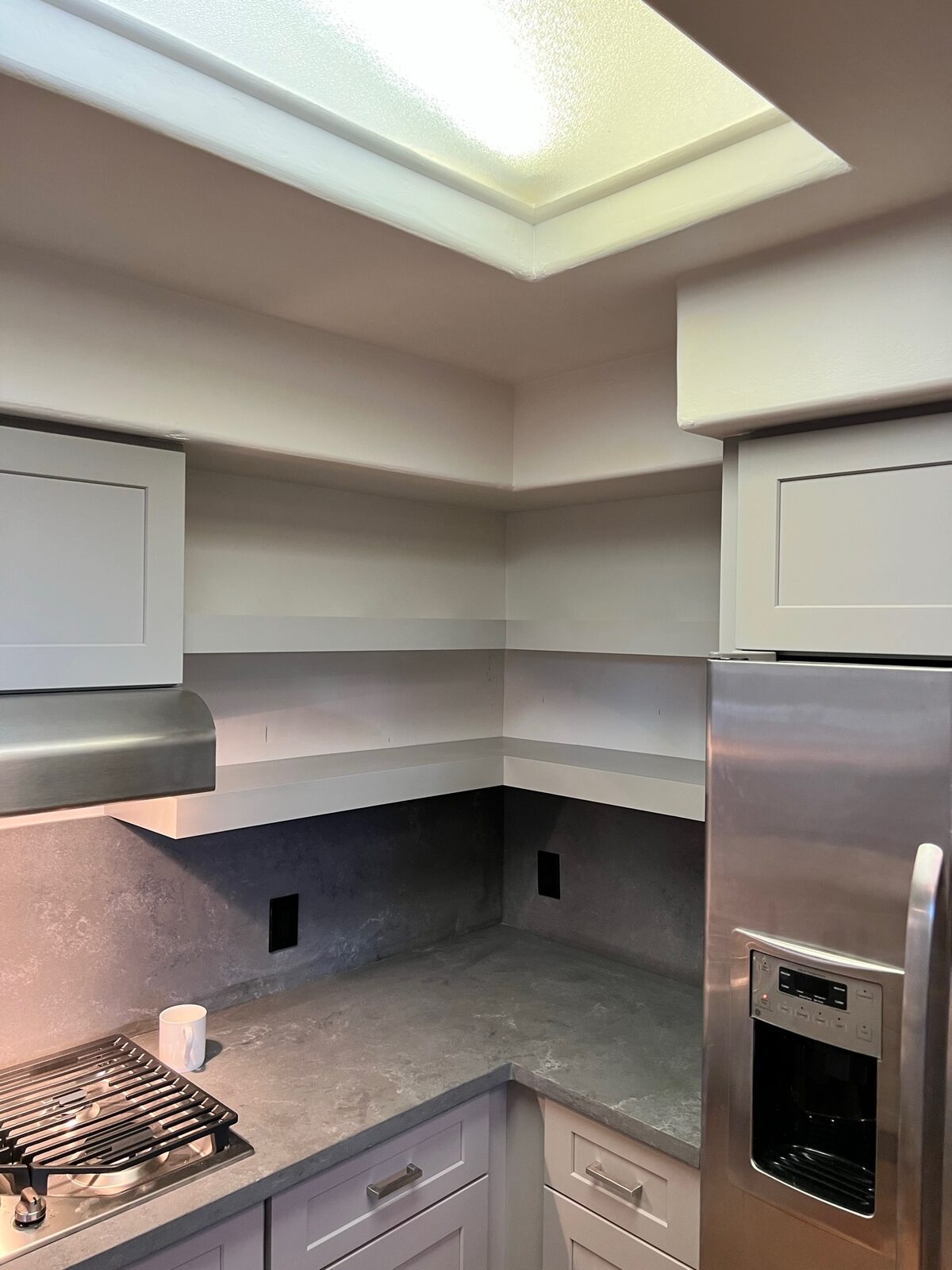
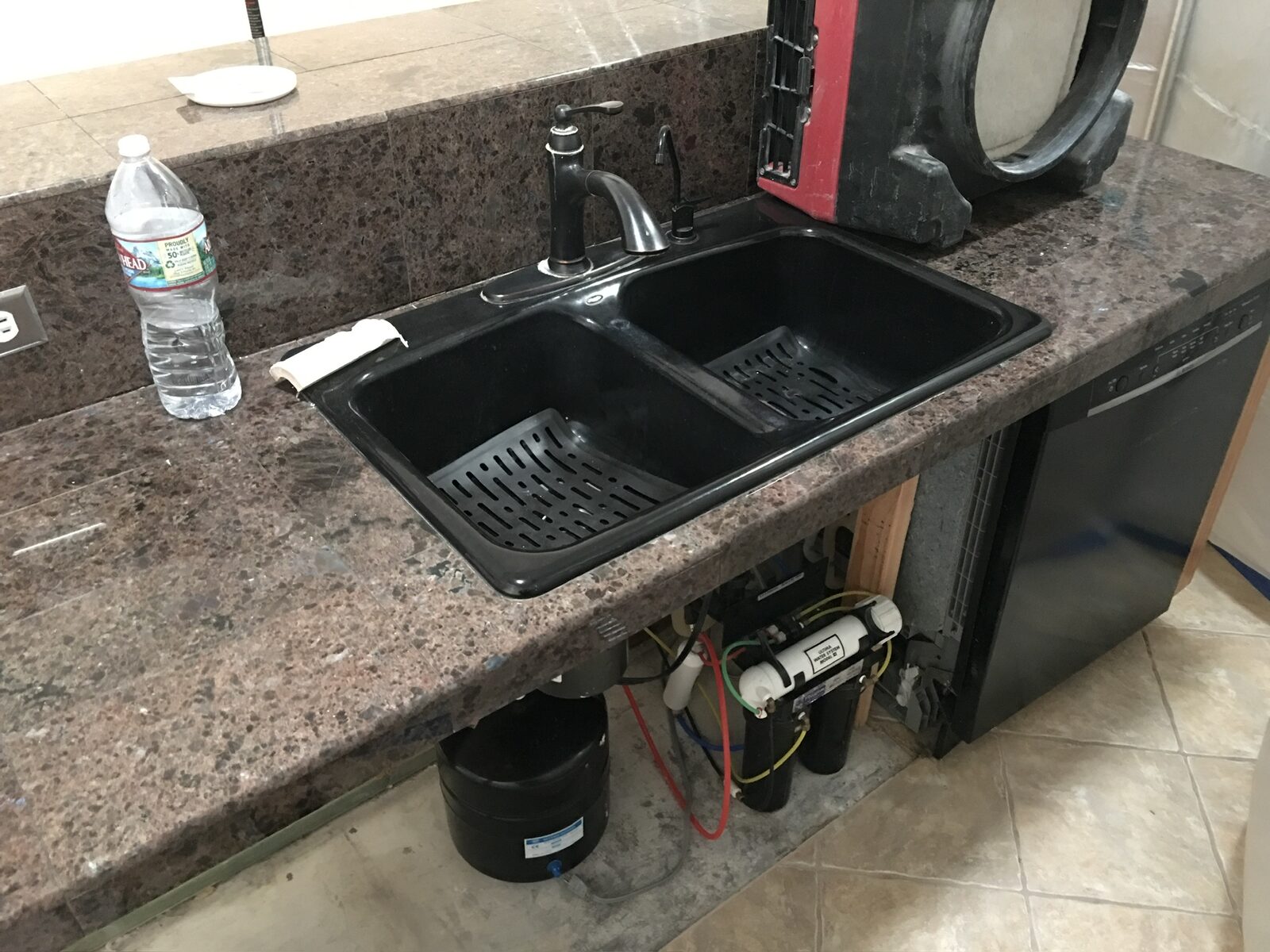
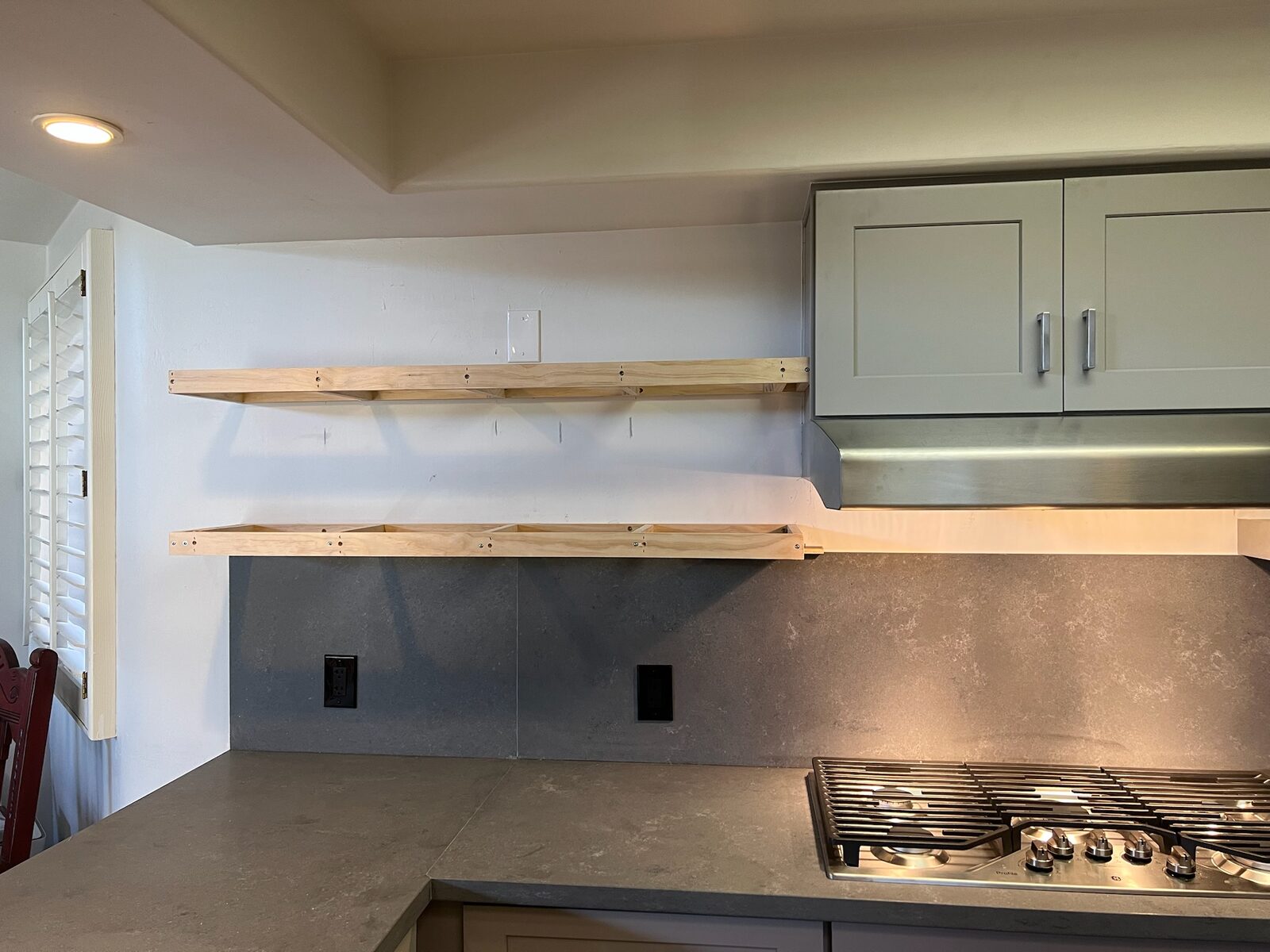
Residential reconstruction work by members of our team. See the full gallery →
More from Gold Water Fire
Abrasive Cleaning Methods for Soot on Framing and Masonry
A look at how abrasive cleaning methods remove soot from wood framing and masonry after a fire, and when each method fits the material.
AC Condensate Line Clogs & the Water Damage They Cause in Phoenix Homes
Why Phoenix AC condensate lines clog every summer, what the water damage looks like, and how to find the source before the ceiling stain spreads again.
Actual Cash Value vs Replacement Cost: Why Your Check Might Not Match the Repair Bill
Confused why your insurance check seems short after fire or water damage? Learn the difference between actual cash value and replacement cost coverage.
Still smelling smoke after cleaning up?
If odor is lingering after a fire, Gold Water Fire can walk through your home and figure out where it's coming from and what it will actually take to clear it. Reach out at (480) 999-3339 or Help@goldwaterfire.com.
Call (480) 999-3339Fire Damage Restoration services · About Gold Water Fire · Contact Gold Water Fire