
When Surfaces Get Sealed Instead of Cleaned: Primers and Encapsulants After a Fire
You've cleaned, you've aired the place out, maybe someone even painted, and the smell is still there. Or it fades for a few weeks and then comes back the first humid day or the first time the heater kicks on. If you're standing in a room that looks fine but doesn't smell fine, and you can't figure out why, you're not imagining it and you're not doing something wrong. There's usually a specific, physical reason smoke odor survives cleaning and even survives paint, and it has to do with what happened to the surfaces underneath before anyone reached for a sealer.
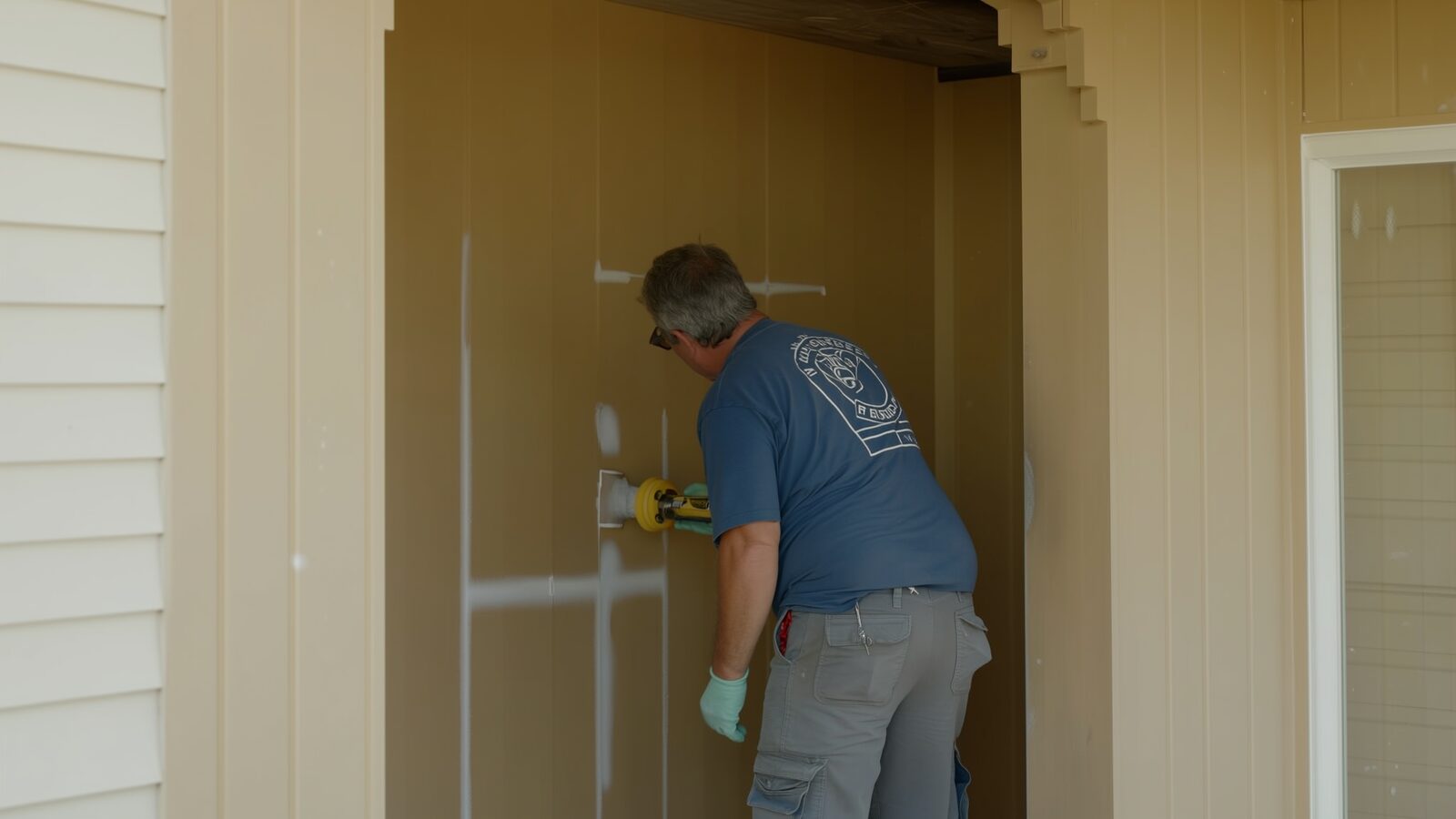
When Surfaces Get Sealed Instead of Cleaned: Primers and Encapsulants After a Fire
How soot and smoke actually get into a surface
A fire doesn't just deposit a layer of soot on top of things the way dust settles on a shelf. Smoke is made of fine particles carried in hot gas, and that gas expands into every gap it can find: the pores of drywall paper, the grain of wood, the seams around outlets and baseboards, the inside of wall cavities through can lights and switch boxes. Odor compounds condense onto and into these surfaces as the smoke cools. Porous and semi-porous materials, drywall, unsealed wood, carpet padding, insulation, absorb the worst of it because there's more surface area and more places for particles and gas-phase odor to lodge. A wipe-down or even a wash can lift what's sitting on the surface, but it doesn't reach what has soaked in.
Why painting over it usually fails
Ordinary interior paint is not built to block odor. It's a thin film designed to cover color and give a surface texture, and it's permeable enough that odor compounds trapped underneath will migrate through it over time, especially as temperature and humidity shift the material. This is why so many post-fire repaints seem to work for a while and then the smell reappears: the paint didn't remove anything, it just delayed the moment the odor found its way back out. The same thing happens with air fresheners and ozone treatments used alone. They can mask or temporarily break down what's in the air of the room, but if the source material still holds soot residue and smoke odor, the source keeps generating more.
What primers and encapsulants are actually for
Odor-blocking primers and encapsulants are real, legitimate products used throughout the restoration industry, and they do work, but they're a sealing step, not a cleaning step. Their job is to lock down whatever is left in a surface after it has already been properly cleaned, so that residual odor can't migrate back through. Used on a surface that's still carrying soot film, unremoved smoke residue, or char, a sealant traps that material in place instead of neutralizing it. It can look and smell fine on the day it's applied and still fail months later, because sealing an unclean surface doesn't destroy the odor source, it just adds a barrier that eventually breaks down or gets compromised at a seam, a nail hole, or a cut edge.
What proper cleaning looks like before any sealant goes on
Real fire and smoke cleanup means identifying which materials can be cleaned and restored versus which ones absorbed too much and need to be removed. Hard, non-porous surfaces can often be cleaned with the right detergents and mechanical action to lift soot residue. Semi-porous materials like wood trim or subfloor may need more aggressive cleaning or sanding. Porous materials that have taken on heavy smoke, drywall, insulation, carpet padding, some fabrics, frequently can't be fully cleaned and are better removed and replaced than sealed over. Only after that sorting and cleaning process is complete does a primer or encapsulant have a clean, stable surface to actually seal.
Questions people ask us
If a room still smells like smoke after cleaning, does that mean the cleaning failed?
Not necessarily. It can mean some of the affected material was porous enough that it needs to be removed rather than cleaned, or that odor has migrated into a cavity, like behind a wall or under flooring, that wasn't part of the visible cleaning.
Can I just seal the smell in myself with a store-bought primer?
You can, but if the surface underneath still holds soot or smoke residue, sealing over it tends to trap the odor rather than resolve it, and the smell often returns once the sealant ages or is disturbed.
Why does the odor sometimes come back on hot or humid days?
Heat and moisture can cause trapped odor compounds to off-gas more actively from the materials holding them, which is one sign that a surface was sealed or painted over rather than fully cleaned first.
Does this apply to smells from a water issue too, or just fire?
The same logic, clean before you seal, applies broadly, but water and mold odor come from different sources and usually need different assessment. See our page on water damage restoration for that side of it.
The standard our team works to
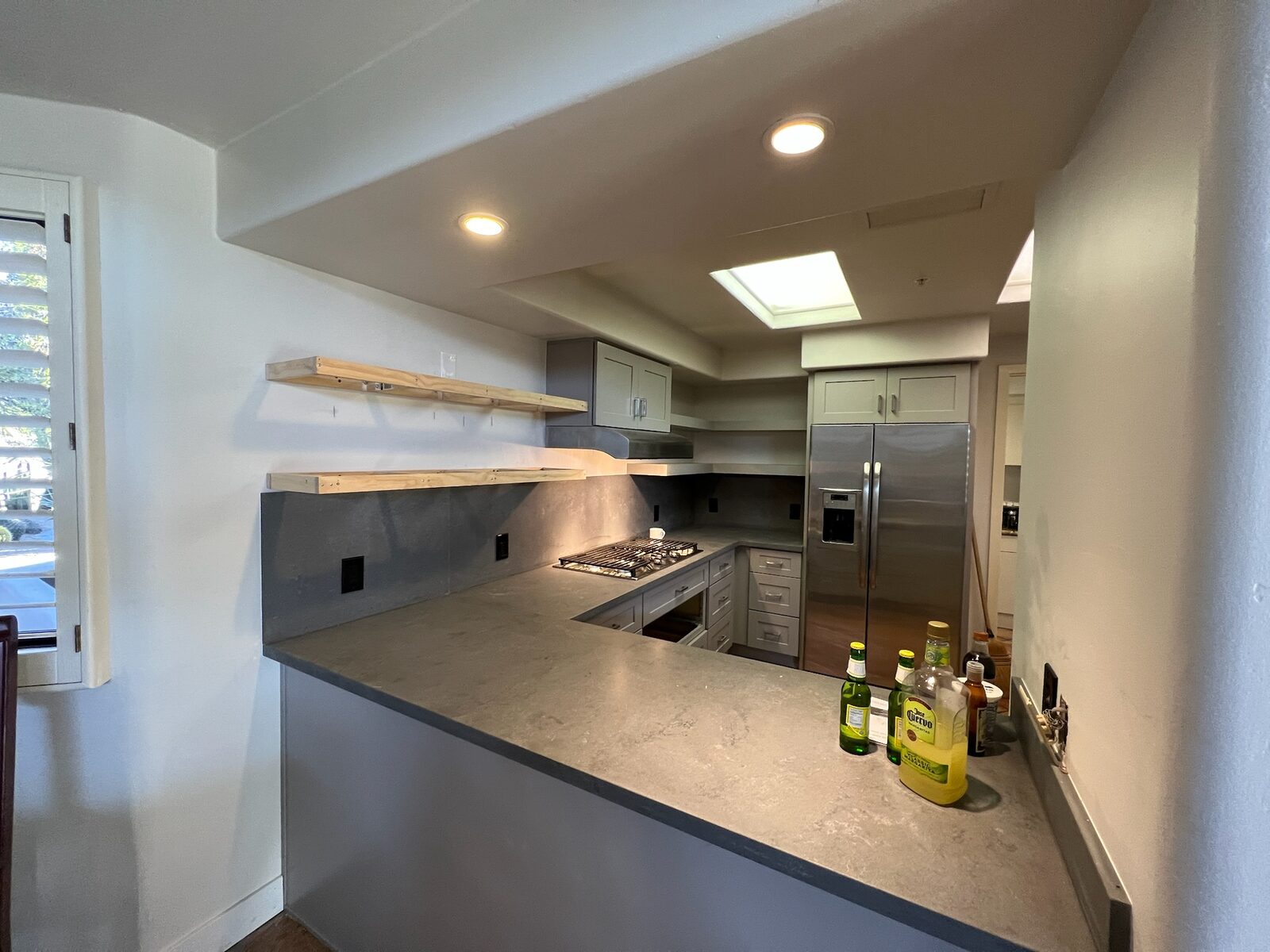
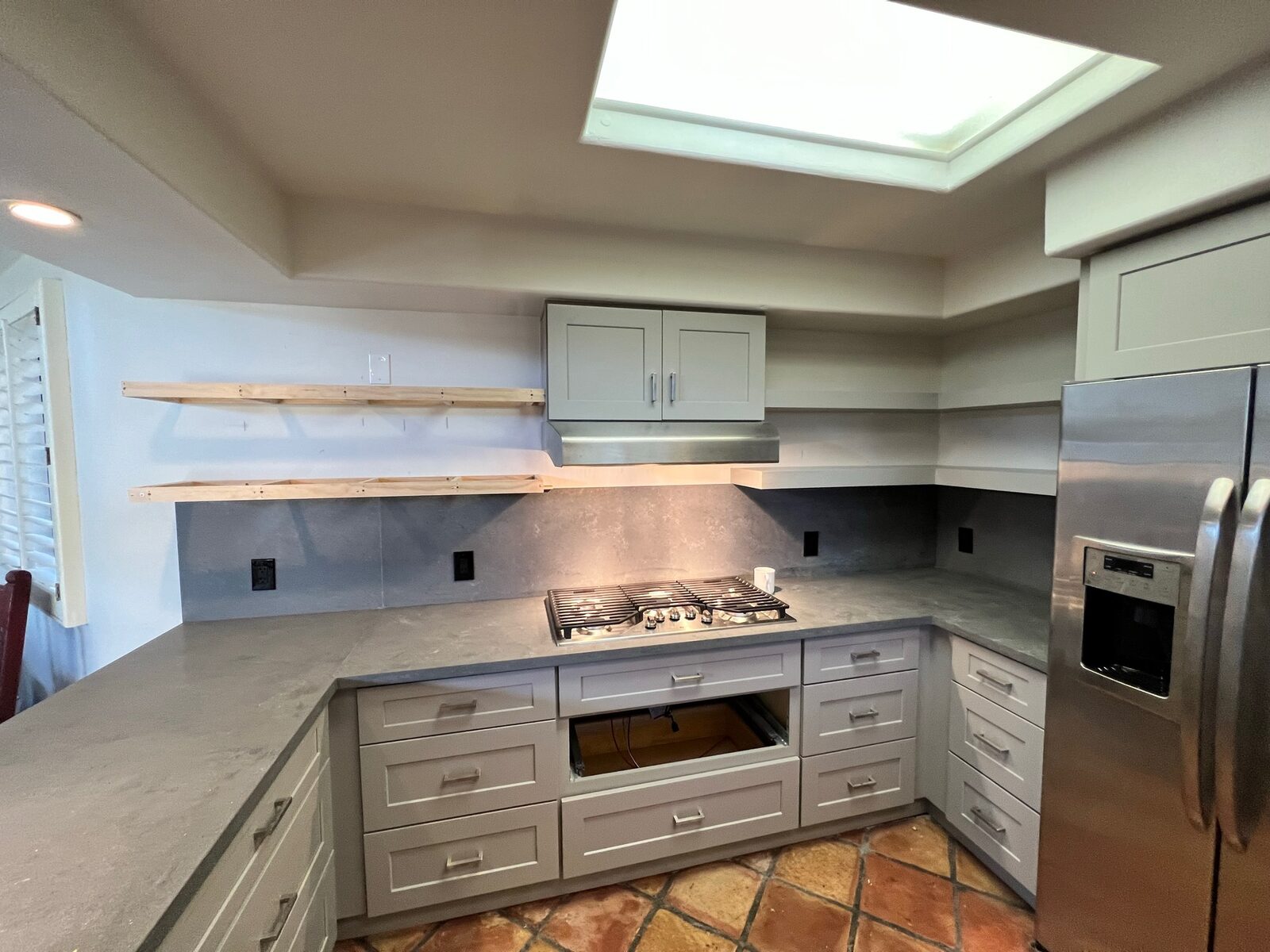
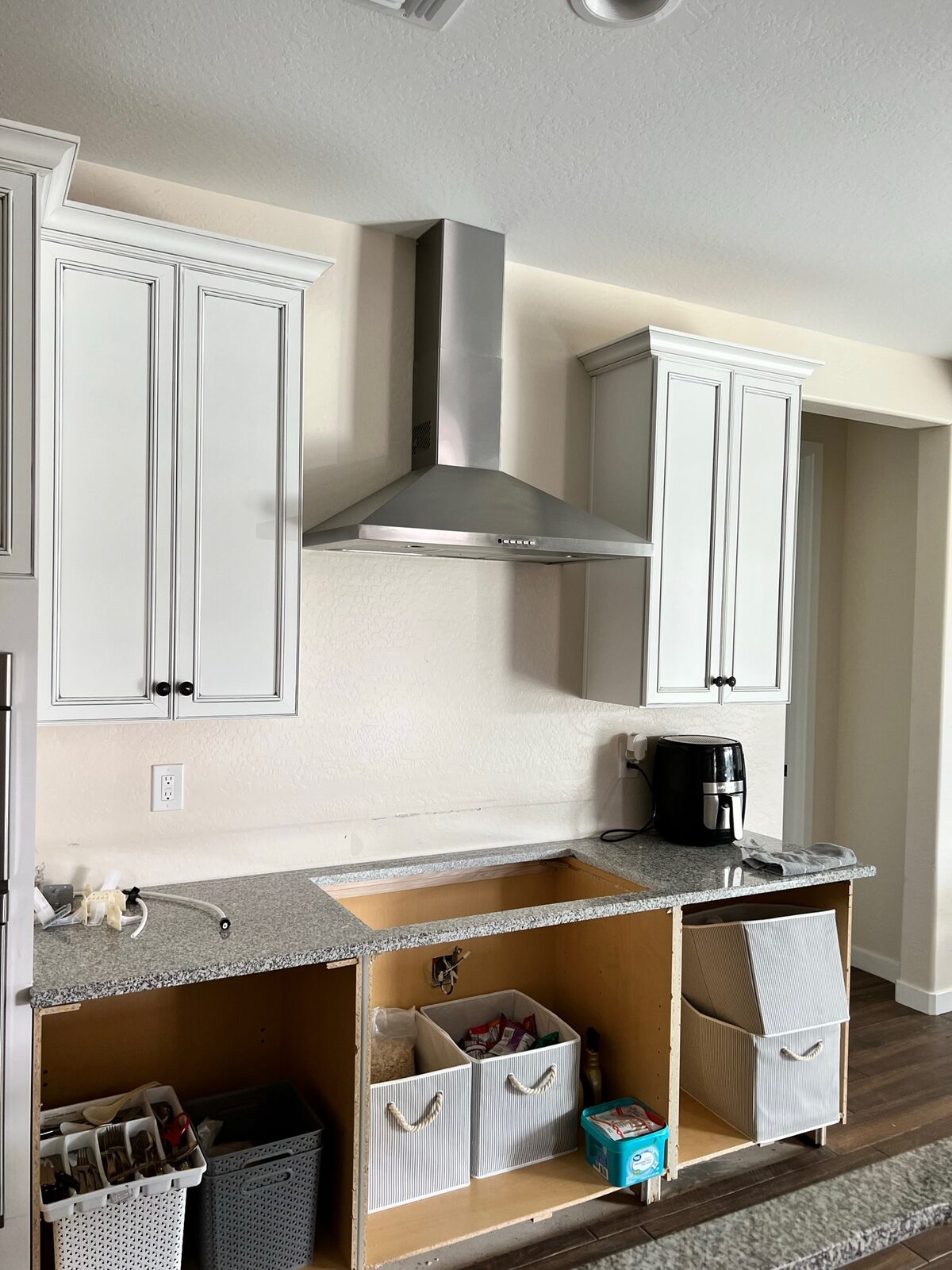
Residential reconstruction work by members of our team. See the full gallery →
More from Gold Water Fire
Abrasive Cleaning Methods for Soot on Framing and Masonry
A look at how abrasive cleaning methods remove soot from wood framing and masonry after a fire, and when each method fits the material.
AC Condensate Line Clogs & the Water Damage They Cause in Phoenix Homes
Why Phoenix AC condensate lines clog every summer, what the water damage looks like, and how to find the source before the ceiling stain spreads again.
Actual Cash Value vs Replacement Cost: Why Your Check Might Not Match the Repair Bill
Confused why your insurance check seems short after fire or water damage? Learn the difference between actual cash value and replacement cost coverage.
Not sure if a surface was cleaned or just sealed?
If you're dealing with smoke odor that keeps returning after cleaning or painting, our team can walk through what's underneath before recommending next steps. Reach Gold Water Fire at (480) 999-3339 or Help@goldwaterfire.com.
Call (480) 999-3339Fire Damage Restoration · Water Damage Restoration · Contact Gold Water Fire