
Countertop Replacement After Water or Fire Damage
Standing in a kitchen or bathroom looking at a countertop that used to be fine, trying to figure out if it's ruined or just dirty, is a strange kind of limbo. Maybe water sat under it for days before anyone noticed. Maybe smoke settled into a surface you thought was sealed. You're not sure if you're looking at something that can be cleaned, resealed, and forgotten, or something that's quietly failing underneath and just hasn't told you yet.
Countertop Replacement After Water or Fire Damage
Why countertops are harder to judge than they look
A countertop can look completely normal on the surface while the material underneath it, or the cabinet base holding it up, has already taken damage. Laminate countertops have a particle board or MDF substrate beneath the top layer, and that substrate swells, delaminates, and softens when it absorbs water. Once that happens, the surface layer can look intact for a while even as the structure underneath is compromised. Natural stone like granite and marble is porous, so water and smoke residue can work into the stone itself, not just sit on top of it. Solid surface materials like quartz and engineered stone hold up better against moisture but are not immune to heat damage, cracking, or discoloration if a fire got close enough.
What water damage typically does to a countertop
The type of damage depends heavily on what the countertop is made of and how long it stayed wet. Laminate and wood-edged countertops are the most vulnerable: swelling along seams, bubbling near the sink cutout, and a soft or spongy feel at the edges are all signs the substrate has absorbed water and is breaking down. Tile countertops can look fine while the grout and the layer underneath hold moisture that eventually leads to loose tiles or a musty smell. Stone and solid surface counters usually survive standing water on top without structural damage, but if water got underneath through a seam or a crack, the cabinet base and any wood support structure can rot even while the countertop itself seems okay.
What fire and smoke do differently
Fire damage to countertops is less about structural breakdown and more about surface and material integrity. Direct heat exposure can crack stone, discolor laminate, or melt solid surface material near where the fire was closest. Smoke is trickier: it settles into porous stone and grout lines, leaves a film on sealed surfaces, and carries an odor that surface cleaning often doesn't fully remove. A countertop that survived a fire without visible burning can still need replacement if smoke has worked deep enough into a porous material that the smell keeps coming back after cleaning.
Signs the countertop needs to come out, not just be cleaned
A few signs point toward replacement rather than restoration: soft spots or give when you press near a sink or seam, visible swelling or separation at the edges, a persistent odor that returns after cleaning, cracks that run through stone rather than sitting on the surface, or loose tile and grout that shifts underfoot on a countertop overhang. If the cabinets underneath are also swollen, delaminating, or smell musty, that's often a bigger sign than the countertop itself, since a new countertop set on a damaged cabinet base won't solve the underlying problem.
What replacement actually involves
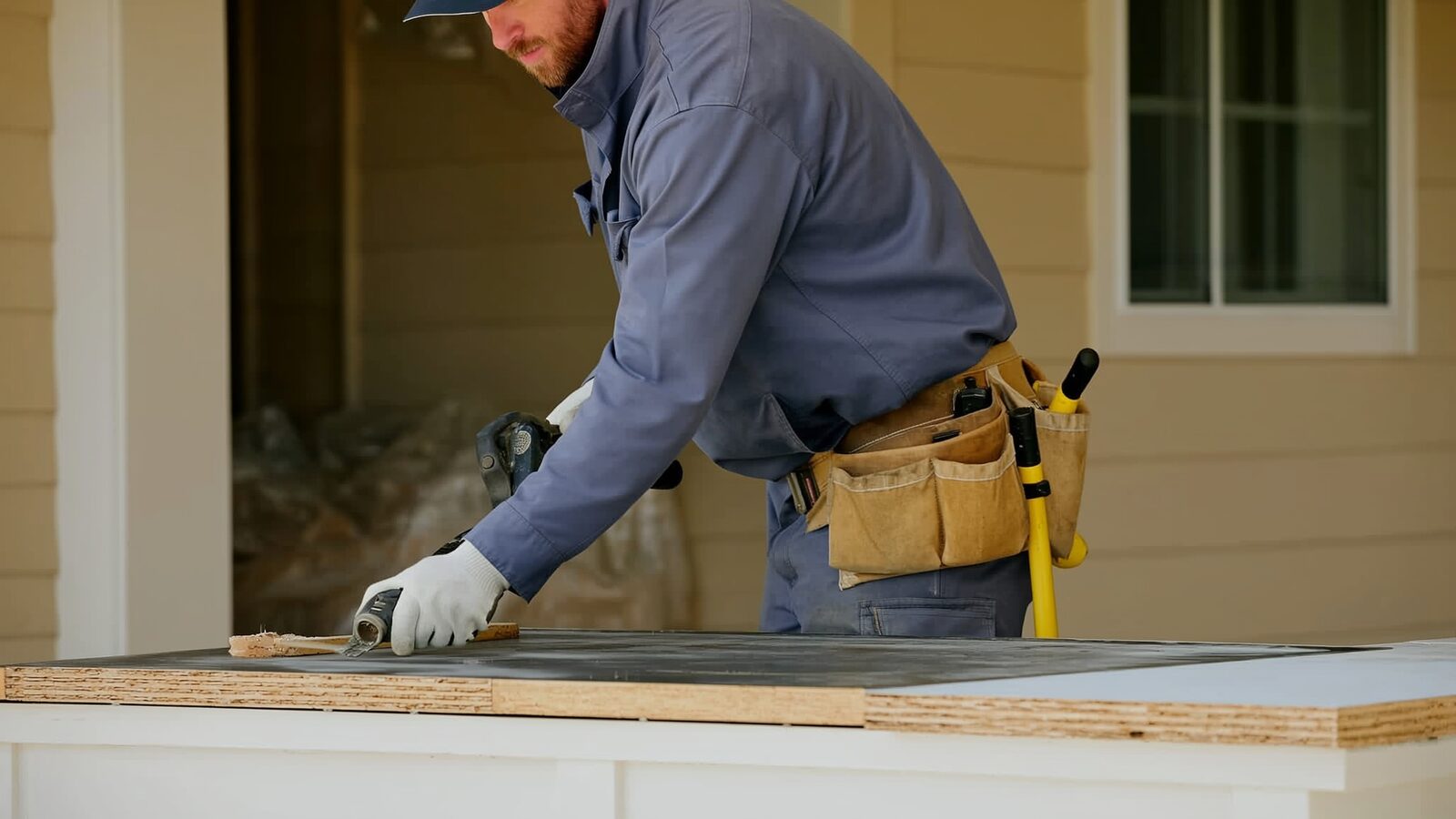
Countertop replacement after damage isn't just swapping one slab for another. It usually starts with removing the damaged countertop and inspecting the cabinet base and any wall or backsplash areas that may have absorbed water or smoke. Any damaged substrate, particle board, or framing underneath needs to be addressed before a new countertop goes in, otherwise the same problem resurfaces later. Plumbing connections for sinks and faucets get disconnected and reconnected as part of the process. Templating for the new countertop, whether it's laminate, stone, or solid surface, typically happens after the old material is out and the space underneath is confirmed sound, since exact measurements matter more than they did the first time around.
How this fits into a larger restoration or rebuild
Countertop damage rarely shows up alone. Water damage that reached a countertop usually touched cabinets, flooring, or a wall nearby, and fire damage that discolored a countertop likely affected surrounding surfaces too. Getting a full picture of what's damaged, not just the counter, is what keeps a repair from turning into a second repair a few months later. If you're dealing with water damage restoration or fire damage restoration more broadly, countertop replacement is often one piece of a reconstruction and rebuild scope rather than a standalone fix.
Questions people ask us
Can a water-damaged laminate countertop be saved without full replacement?
It depends on how long it was wet and whether the substrate underneath has swollen. If the damage is limited to a small area and caught early, a section can sometimes be repaired. Once the particle board or MDF core has absorbed water and softened, that section generally needs to be replaced because the swelling doesn't reverse.
Does smoke smell in stone countertops go away on its own?
Not usually. Stone is porous, and smoke odor that has worked into the material tends to resurface, especially in humid conditions or when the surface warms up. Deep cleaning and sealing can help, but a strong, persistent odor often means the smoke reached deeper than surface cleaning can address.
How do I know if it's the countertop or the cabinets underneath that are damaged?
Press gently along seams, edges, and near the sink cutout. Softness, give, or visible swelling points to the countertop or its substrate. A musty smell, visible water stains inside cabinet doors, or swollen cabinet sides usually points to the base structure rather than just the countertop.
Is countertop replacement usually covered by insurance after water or fire damage?
Coverage depends on the specific policy and the cause of the damage, so it's worth checking with the insurance provider directly. Documenting the damage with photos before any repair work starts is generally a good idea regardless of coverage.
The standard our team works to
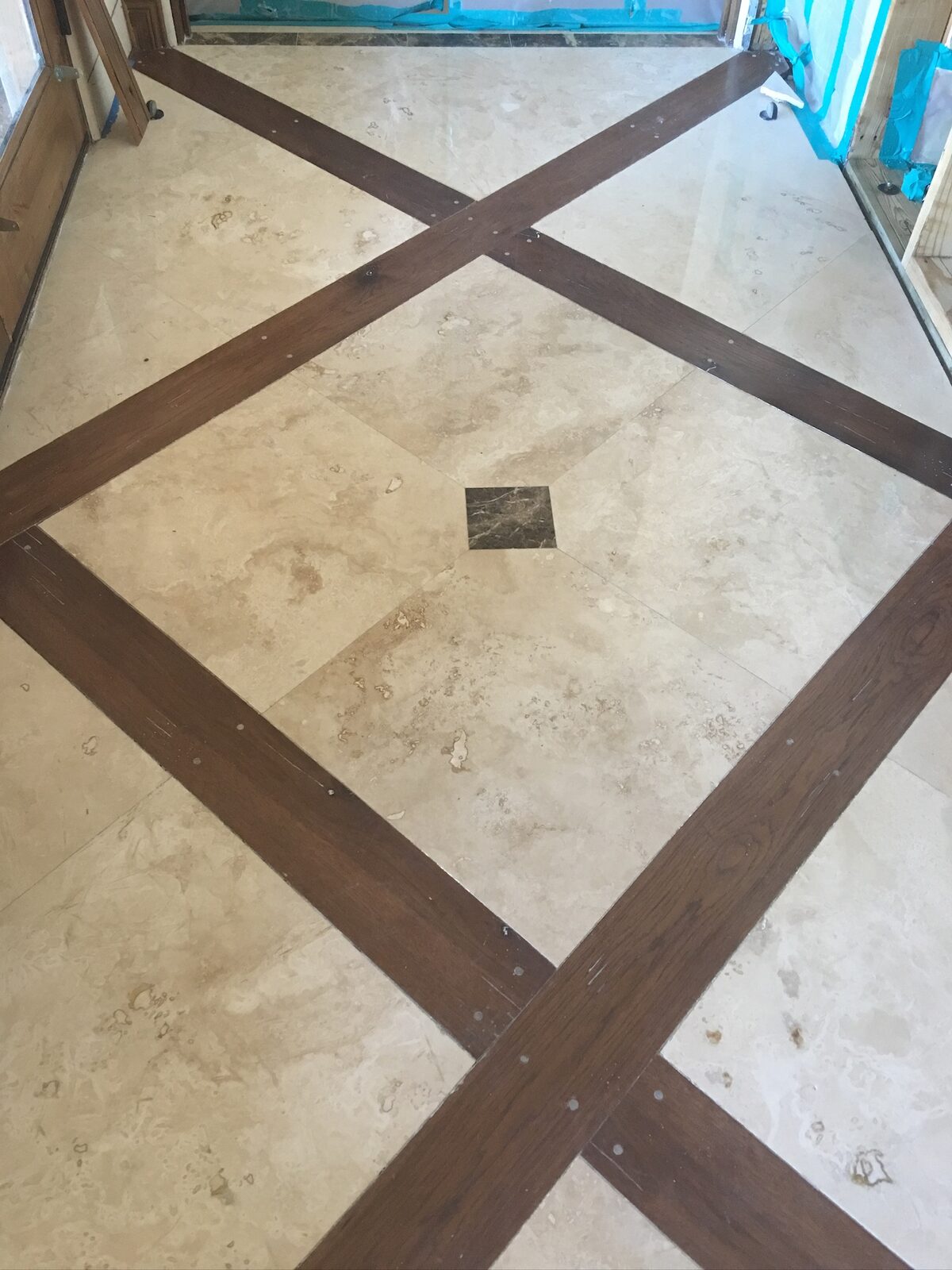
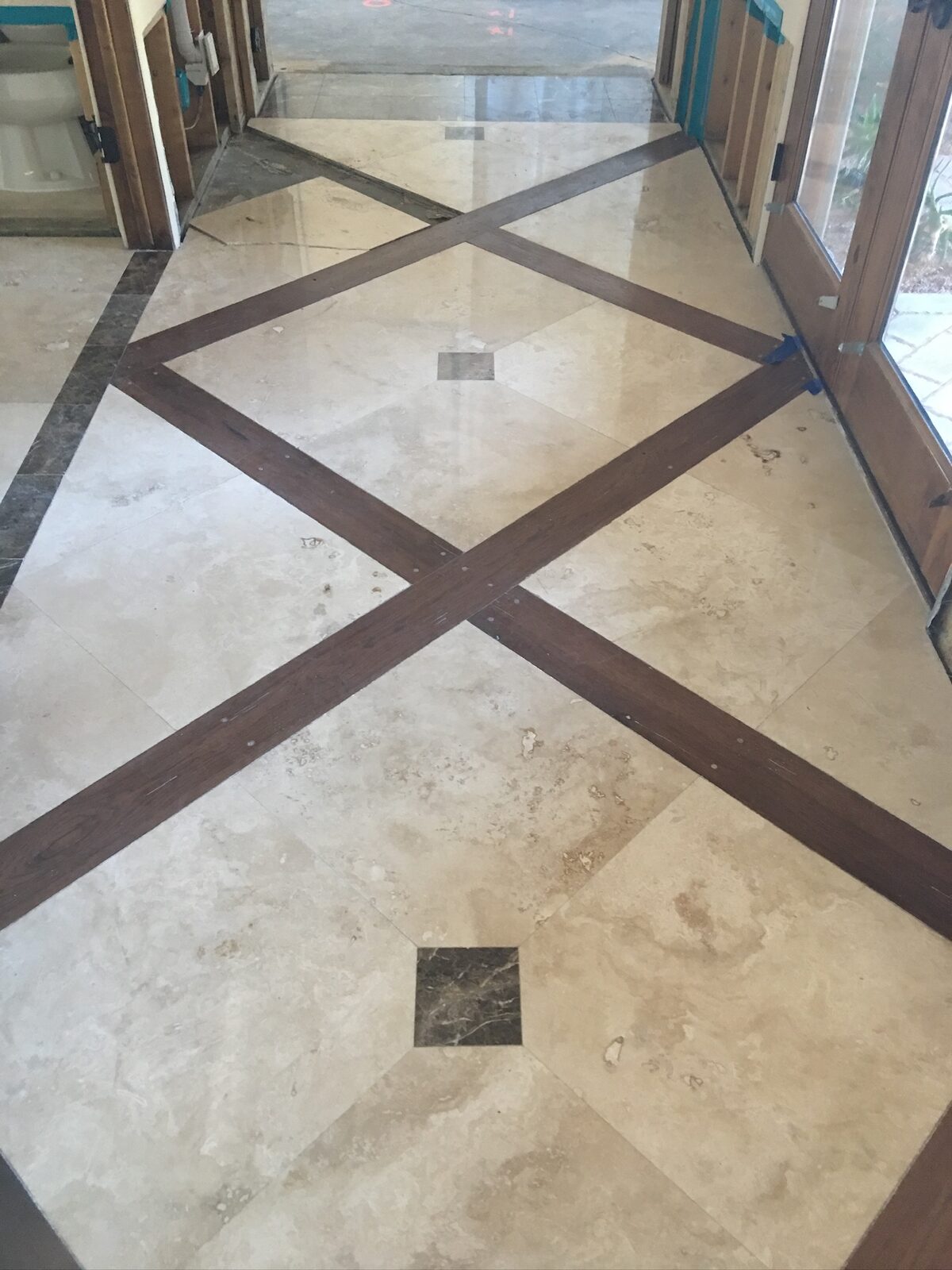
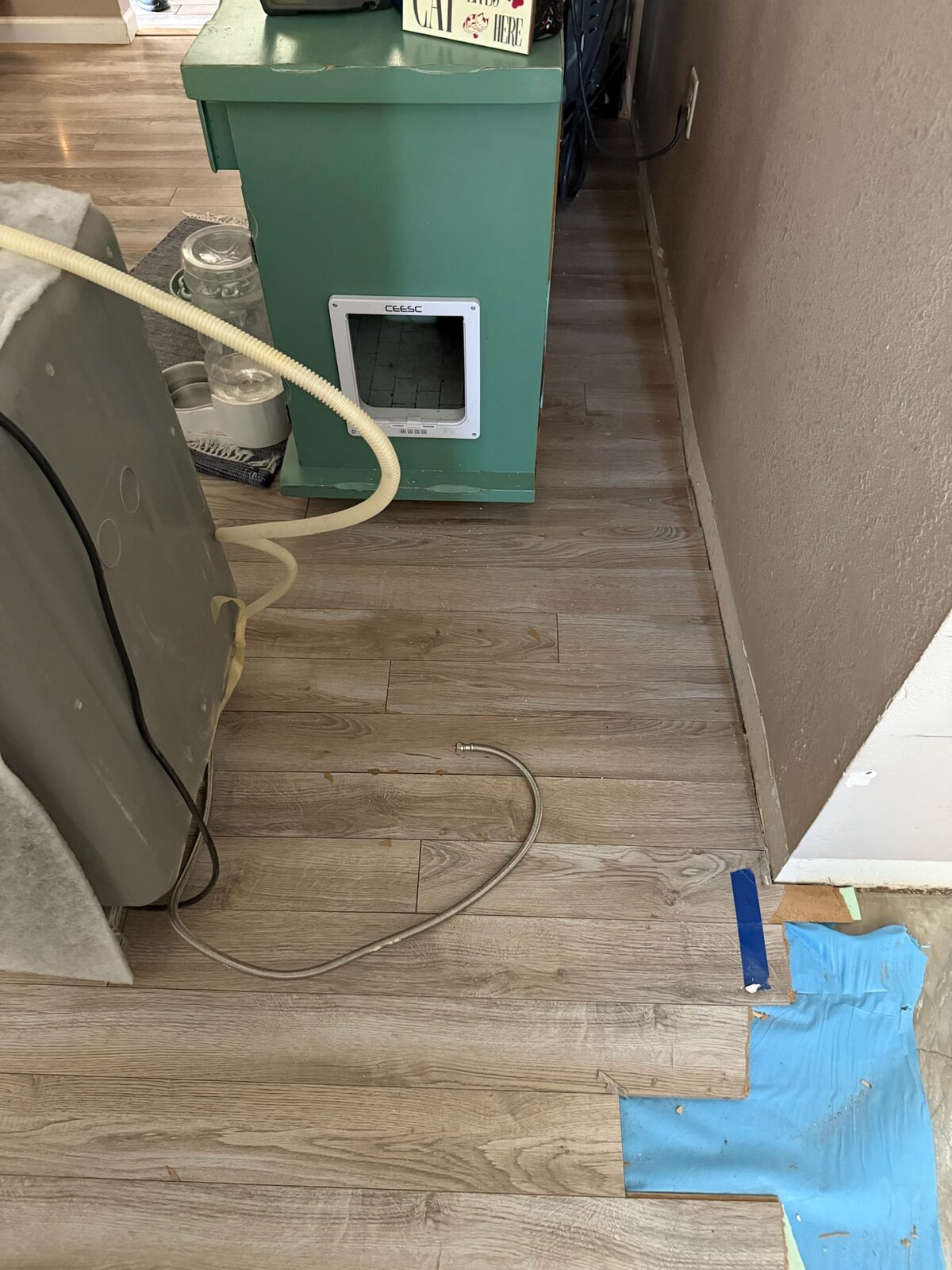
Residential reconstruction work by members of our team. See the full gallery →
More from Gold Water Fire
Abrasive Cleaning Methods for Soot on Framing and Masonry
A look at how abrasive cleaning methods remove soot from wood framing and masonry after a fire, and when each method fits the material.
AC Condensate Line Clogs & the Water Damage They Cause in Phoenix Homes
Why Phoenix AC condensate lines clog every summer, what the water damage looks like, and how to find the source before the ceiling stain spreads again.
Actual Cash Value vs Replacement Cost: Why Your Check Might Not Match the Repair Bill
Confused why your insurance check seems short after fire or water damage? Learn the difference between actual cash value and replacement cost coverage.
Not sure if your countertop can be saved?
If you're dealing with water or fire damage anywhere in the Phoenix area and need a clear read on what's salvageable, contact Gold Water Fire at (480) 999-3339 or Help@goldwaterfire.com.
Call (480) 999-3339Water Damage Restoration · Fire Damage Restoration · Reconstruction & Rebuild · Contact Gold Water Fire