
Chimney and Fireplace Fire Risk: What to Check Before You Light the First Fire
There's a specific kind of unease that comes with striking a match near a fireplace you haven't really looked at since last winter. Maybe you noticed a smell last time you used it, or a little more smoke than usual drifting back into the room, and you told yourself you'd deal with it later. Later is a strange place to live when there's a chimney involved. You're not wrong to wonder about it, and you're not overreacting by wanting to understand what's actually happening inside that flue before you use it again.
Chimney and Fireplace Fire Risk: What to Check Before You Light the First Fire
Why chimneys catch fire in the first place
Most chimney fires trace back to one substance: creosote. Creosote is a byproduct of burning wood, a tar-like residue that condenses on the interior walls of the flue as smoke cools on its way up and out. In small amounts it's flaky and dark, almost like soot. Left alone over multiple burns, it can harden into a glazed, shiny coating that is much harder to remove and much more flammable. Once creosote ignites inside a flue, it can burn at very high temperatures, sometimes loud enough to sound like a freight train or a low roar, and hot enough to crack flue liners, ignite nearby framing, or send sparks onto a roof. Not every chimney fire is dramatic. Some burn slowly and quietly inside the flue without anyone noticing until the damage is already done to the liner or surrounding structure.
Signs the flue or firebox needs attention
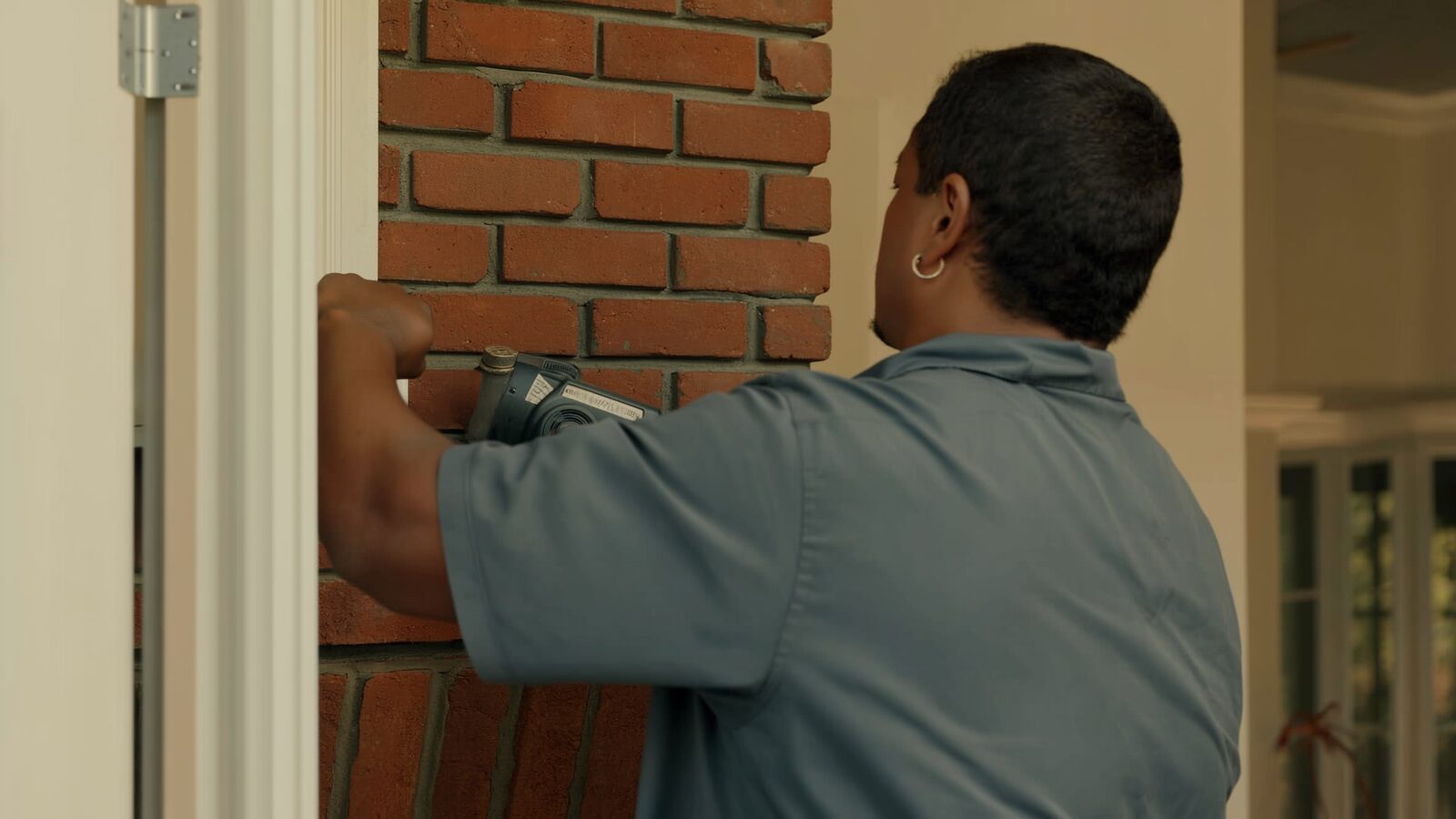
A few warning signs are worth taking seriously before the next fire is lit. Puffy, tar-like flakes of creosote in the firebox or on the damper. A persistent smoky or acrid smell, especially in humid weather, coming from a fireplace that isn't currently in use. Smoke that backs up into the room instead of drawing up the flue. Cracked or damaged mortar between exterior chimney bricks, which can let heat transfer to nearby wood framing. Birds' nests or debris are also common, especially in a chimney that sat capped or unused for a season, and they can block airflow enough to push smoke and carbon monoxide back into the house rather than up and out.
Glazed creosote
A shiny, tar-like coating on the flue interior is the most dangerous form of buildup and does not brush away easily.
Cracked mortar or liner
Gaps in brick or a damaged clay liner let heat reach wood framing that was never meant to get that warm.
Animal nests and debris
A chimney unused for months is an easy target for birds and rodents, and blockages push smoke back into the living space.
Downdraft or smoke smell
Smoke that lingers in the room, or a musty odor that shows up on humid days, points to a draft or seal problem worth checking.
A seasonal inspection checklist
A visual check from inside the firebox, looking up as far as you can see with a flashlight, catches a lot of obvious problems: heavy creosote, animal debris, obvious cracks. Check the damper opens and closes fully and seals tightly when shut, since a warped or stuck damper affects both draft and energy loss the rest of the year. Look at the chimney cap and screen from outside for rust, gaps, or nests. Inspect exterior brick and mortar for cracking, especially after monsoon storms, since freeze-thaw isn't the concern in the Phoenix area but wind-driven rain and heat cycling still stress masonry over time. If it's been more than a year since a real cleaning, or if you can't remember the last one, that's reason enough to have it swept before use rather than guess.
What to do if a fire happens anyway
If a chimney fire has already happened, even a small one you put out yourself, the flue and surrounding structure should be checked before the fireplace is used again. Heat from even a brief flare can crack a liner in a way that isn't visible from below, and that crack becomes the pathway for a much worse fire the next time it's used. If smoke damage, soot, or structural heat damage has reached the room or attic space, that's a separate problem from the chimney itself and worth understanding on its own terms. You can read more about how smoke and soot travel through a structure on our fire damage restoration page, and if the fire caused any water damage from suppression efforts, our water damage restoration page covers what typically follows. For chimney or roofline repairs after a fire, see our reconstruction and rebuild page.
Questions people ask us
How often should a chimney be inspected?
A visual check before the first fire of each burning season catches most obvious problems, including creosote buildup, animal nests, and damper issues. If the fireplace gets heavy use, or if anything looked or smelled off last season, a closer look sooner is worth it.
Can a gas fireplace have the same risks as a wood-burning one?
Gas fireplaces don't produce creosote the way wood fires do, but the venting still needs to be clear, the seals intact, and the surrounding structure checked, since blocked venting or a cracked flue can still cause smoke or carbon monoxide to back up into the room.
What does a chimney fire actually sound like?
Some are loud, described as a roaring or rumbling sound, sometimes with visible sparks or flame from the chimney top. Others are quiet and slow-burning inside the flue, which is part of why they can go unnoticed until the liner or nearby framing is already damaged.
Is it safe to use a fireplace that smells smoky when it's not lit?
That smell usually means creosote or soot residue is present and reacting to humidity in the air. It's worth having the flue looked at before lighting another fire, since that same residue is the fuel source for a chimney fire.
The standard our team works to
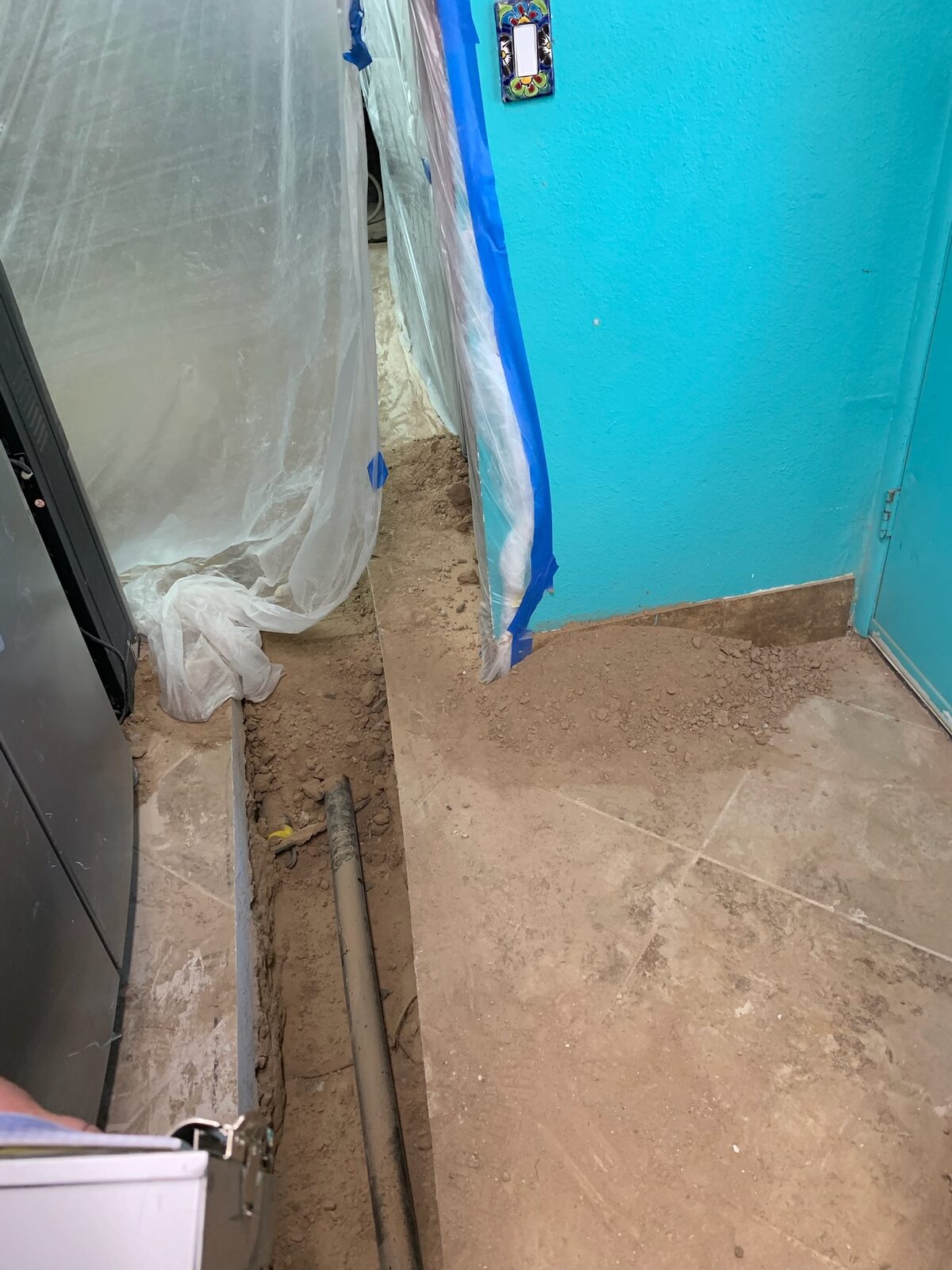
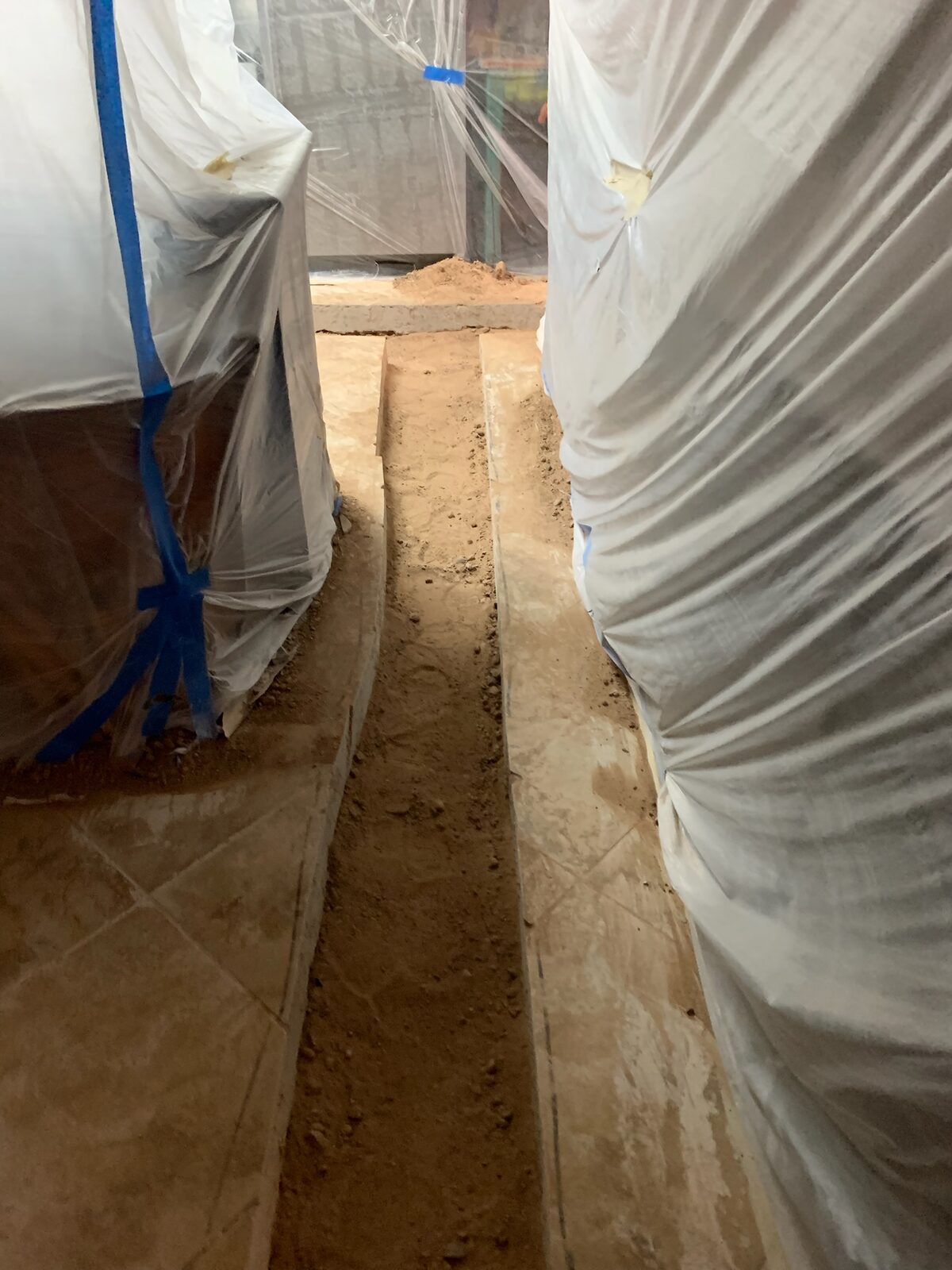
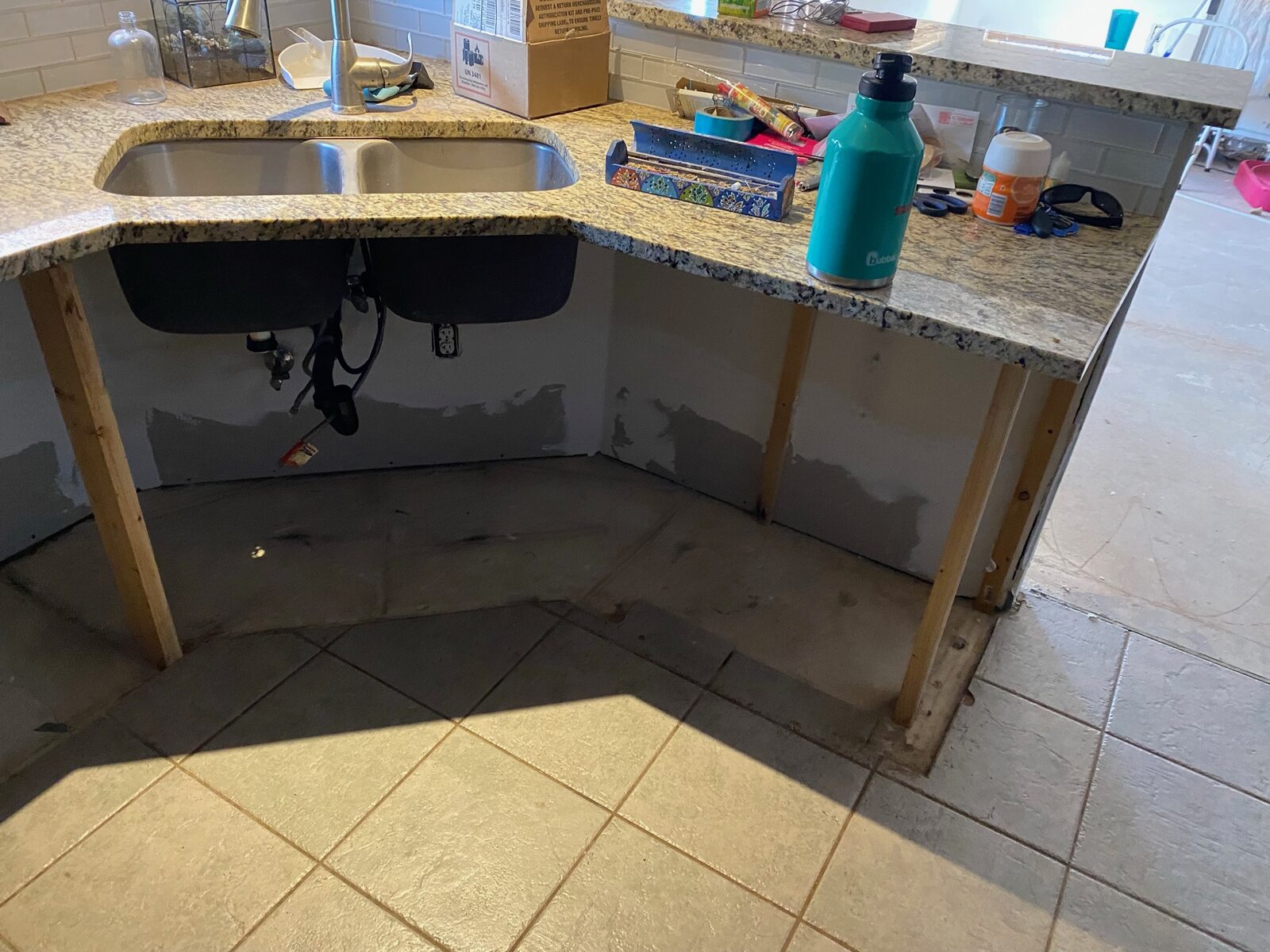
Residential reconstruction work by members of our team. See the full gallery →
More from Gold Water Fire
Abrasive Cleaning Methods for Soot on Framing and Masonry
A look at how abrasive cleaning methods remove soot from wood framing and masonry after a fire, and when each method fits the material.
AC Condensate Line Clogs & the Water Damage They Cause in Phoenix Homes
Why Phoenix AC condensate lines clog every summer, what the water damage looks like, and how to find the source before the ceiling stain spreads again.
Actual Cash Value vs Replacement Cost: Why Your Check Might Not Match the Repair Bill
Confused why your insurance check seems short after fire or water damage? Learn the difference between actual cash value and replacement cost coverage.
If a chimney or fireplace fire has already caused damage
Gold Water Fire helps Phoenix area homeowners understand what smoke, soot, and heat damage actually reached inside their home, and what it takes to repair it. Call (480) 999-3339 or email Help@goldwaterfire.com to talk through what you're seeing.
Call (480) 999-3339Fire damage restoration · Water damage restoration · Reconstruction and rebuild · Contact Gold Water Fire