
Home Fire Extinguishers: Types, Placement, and Knowing When to Leave
A small fire in your kitchen or garage can go from "I've got this" to "I need to get out" in a matter of seconds, and it is normal to freeze for a moment trying to figure out which one it is. Most people have never actually used a fire extinguisher before they needed one, and the instructions on the label are hard to read clearly when your hands are shaking. Knowing the basics ahead of time, before anything is on fire, is what makes that decision easier in the moment.
Home Fire Extinguishers: Types, Placement, and Knowing When to Leave
The extinguisher types that matter at home
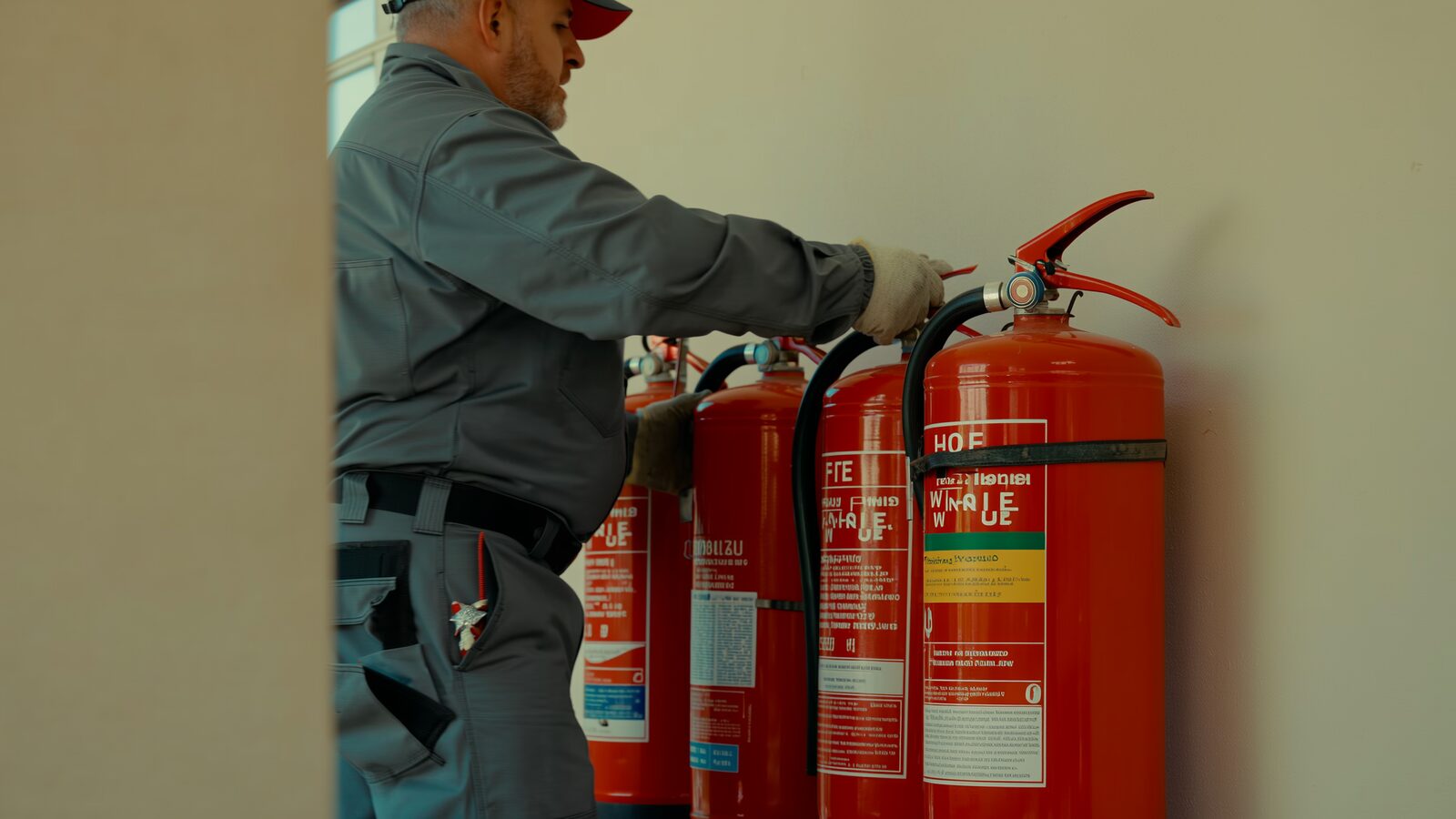
Fire extinguishers are labeled by the type of fire they're built to fight, and using the wrong type can make things worse instead of better. For a typical house, three letter classes cover almost every scenario.
Class A
For ordinary combustibles: wood, paper, cardboard, upholstery, trash. This is the fire you'd get from a candle tipping onto curtains or a fireplace ember landing on carpet.
Class B
For flammable liquids and gases: gasoline, paint thinner, propane. Garages and workshops are the highest-risk spots for this type.
Class C
For fires involving live electrical equipment: a faulty outlet, a space heater, an appliance cord. Water should never be used on this type, since it conducts electricity back toward you.
Class K
For cooking oil and grease fires in a kitchen. Most home fire extinguishers are labeled ABC, meaning one unit handles classes A, B, and C, but a grease fire on the stovetop is its own category and often better handled by smothering it, not spraying it.
Where extinguishers actually do the most good
An extinguisher stored in a hall closet three rooms away is close to useless in the first 30 seconds of a fire, which is when it matters most. The kitchen is the single most important place to have one, mounted or stored within reach of the doorway (not right next to the stove, where you'd have to reach past flames to grab it). A second unit near the garage or workshop covers flammable liquid risk. If your home has more than one level, keep at least one extinguisher on each floor, ideally near a bedroom hallway so it's reachable at night. Check the pressure gauge periodically, most home units have a simple green-zone indicator, and replace or service any unit that's discharged, expired, or reads low.
When to use one, and when to just leave
The general guidance from fire safety organizations is the same everywhere: a fire extinguisher is for a small, contained fire in its very early stage, nothing more.
Reasonable to try
The fire is small and contained (a pan, a wastebasket, a small area of carpet), it is not spreading as you watch it, you have a clear exit behind you, and you know how to operate the extinguisher (pull the pin, aim at the base, squeeze, sweep side to side).
Time to leave, not fight it
The fire is bigger than a wastebasket, it's spreading, there's heavy smoke filling the room, you don't have a clear path out, or you're not sure the extinguisher will be enough. In any of these cases, get everyone out, close doors behind you to slow the fire, and call 911 from outside.
After the fire is out, whether you used an extinguisher or the fire department did
Even a fire that's fully extinguished leaves behind more than char marks. Extinguisher chemical residue is corrosive and can pit metal and etch glass if left sitting, smoke odor works its way into drywall, insulation, and fabric, and any water used to knock down the fire can seep into subfloors and walls where it isn't visible. If a fire happened in your home, however small, it's worth understanding what smoke and soot leave behind. Our fire damage restoration page walks through that process, and if water was involved too, from a sprinkler system or the fire department's hose, our water damage restoration page covers what to watch for over the following days.
Questions people ask us
Do I need one extinguisher or several for my house?
Most safety guidance suggests at least one per floor, plus a dedicated one in the kitchen and one near the garage or workshop if you have either. The idea is that you're never far from one when you need it.
Can I use a fire extinguisher on a grease fire?
A Class K or ABC-rated extinguisher can work on a small grease fire, but many fire safety experts recommend smothering a small stovetop grease fire with a metal lid or baking soda instead, and never using water, which can cause the oil to splatter and spread the fire.
How do I know if my extinguisher still works?
Check the pressure gauge, most have a needle that should sit in the green zone. Also check for a bent pin, damaged hose, or corrosion on the canister. If anything looks off or the gauge reads low, it should be replaced or serviced rather than trusted in an emergency.
What should I do immediately after a small fire is put out?
Ventilate the area, avoid touching soot-covered surfaces with bare hands since residue can be irritating, and take photos before cleaning anything up. If the fire touched drywall, insulation, or ductwork, it's worth having it looked at even if the visible damage seems minor.
The standard our team works to
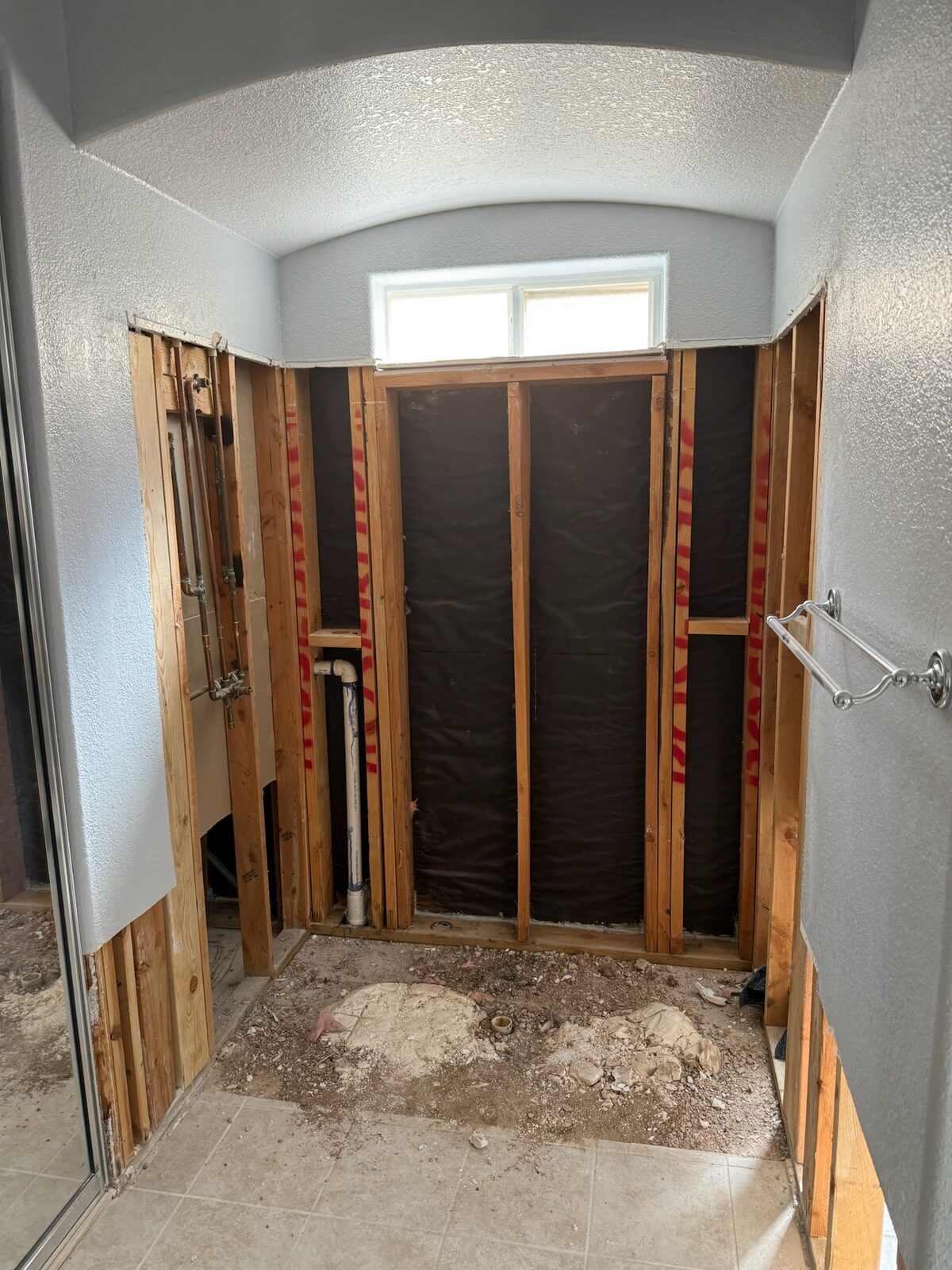
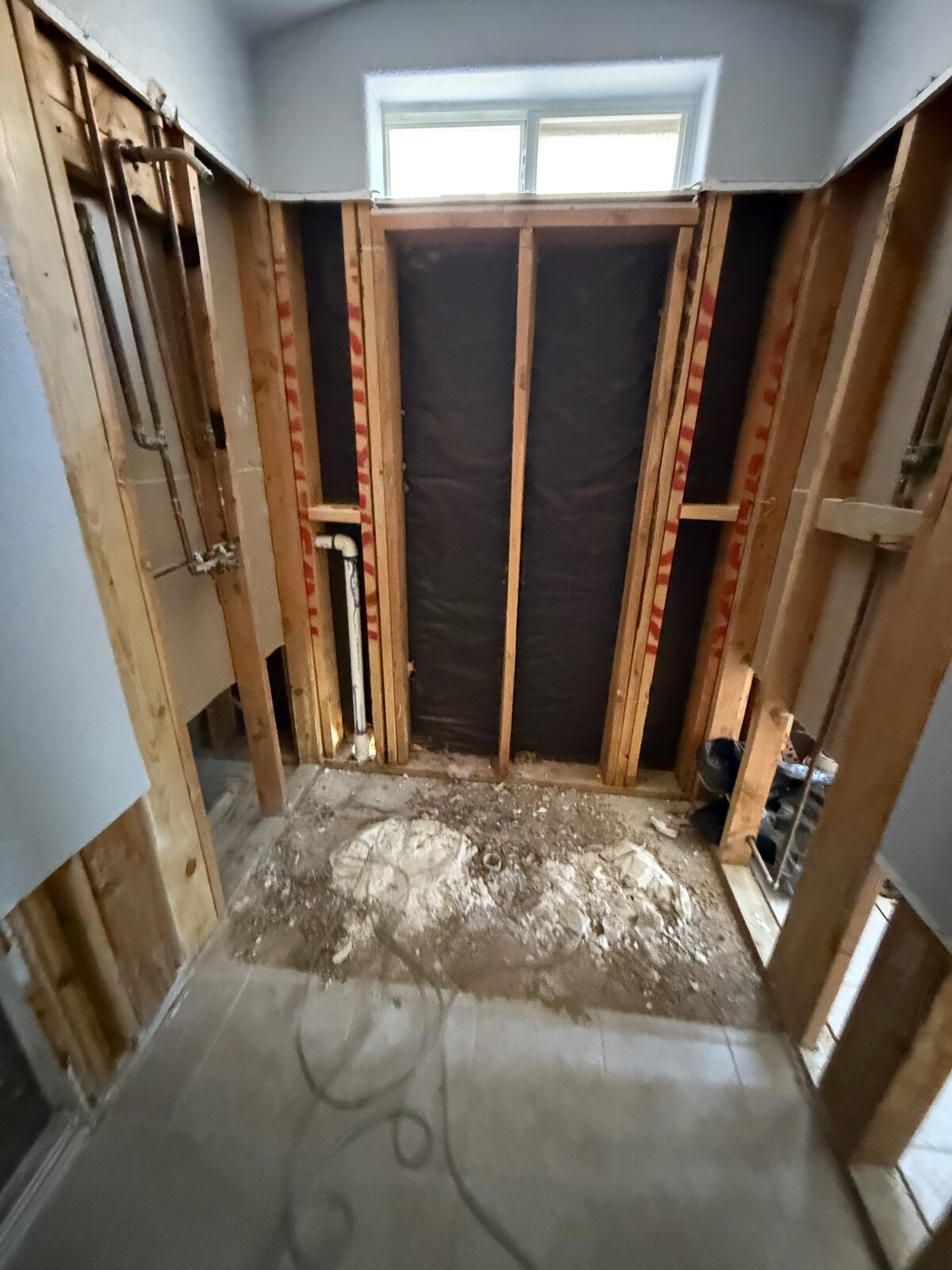
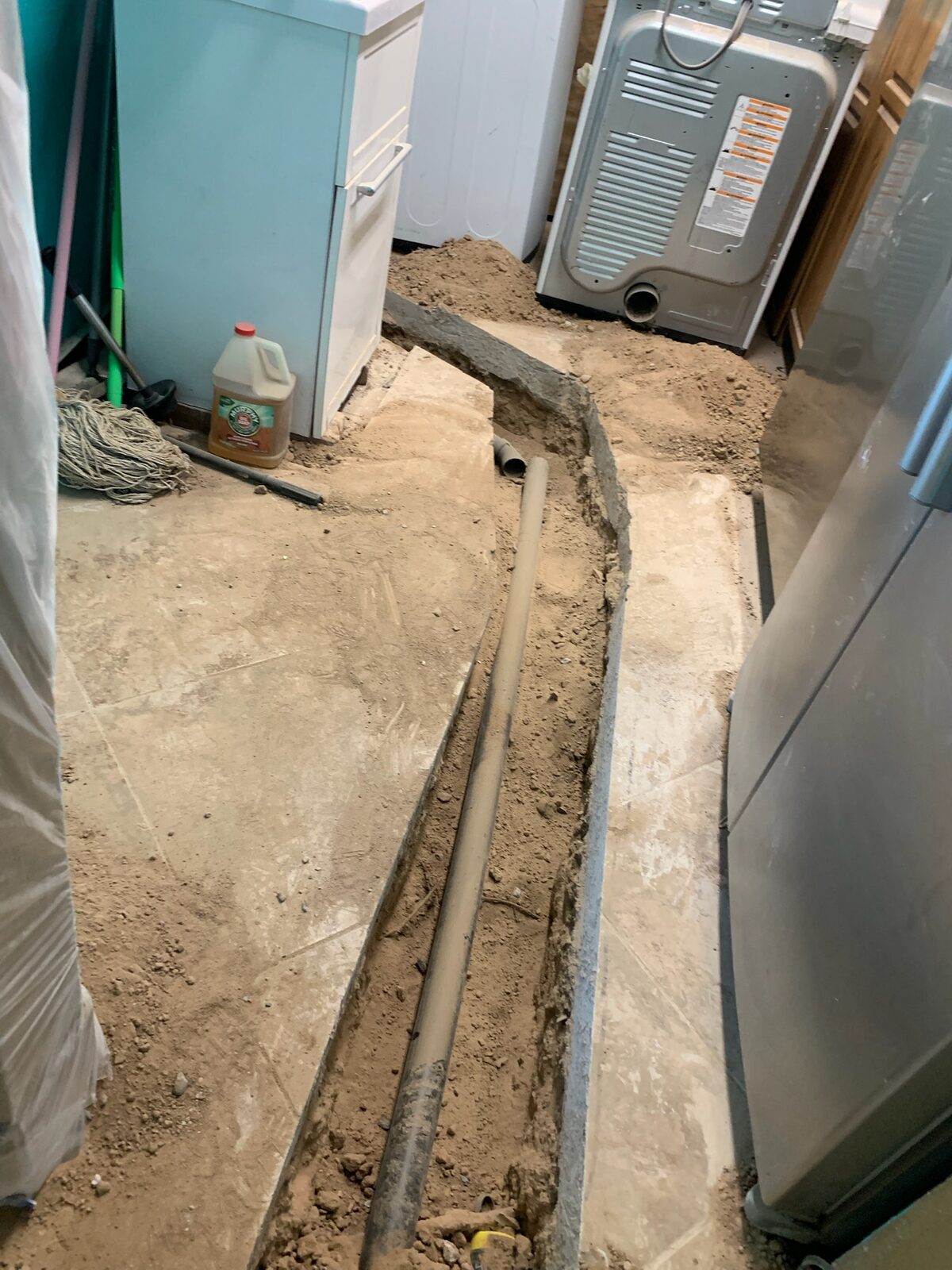
Residential reconstruction work by members of our team. See the full gallery →
More from Gold Water Fire
Abrasive Cleaning Methods for Soot on Framing and Masonry
A look at how abrasive cleaning methods remove soot from wood framing and masonry after a fire, and when each method fits the material.
AC Condensate Line Clogs & the Water Damage They Cause in Phoenix Homes
Why Phoenix AC condensate lines clog every summer, what the water damage looks like, and how to find the source before the ceiling stain spreads again.
Actual Cash Value vs Replacement Cost: Why Your Check Might Not Match the Repair Bill
Confused why your insurance check seems short after fire or water damage? Learn the difference between actual cash value and replacement cost coverage.
Not sure what a small fire left behind?
If you've had a fire, even a contained one, and want a second set of eyes on smoke or water damage, reach out to Gold Water Fire at (480) 999-3339 or Help@goldwaterfire.com. We serve the Phoenix metro area and can talk through what you're seeing.
Call (480) 999-3339