
What a Furnace Puffback Is and the Soot Pattern It Leaves Behind
You walked into a room and something was wrong before you could name it. A film on the windowsill. A dark haze along the ceiling line near a vent. An oily smell that wasn't there yesterday. If you've been going back and forth trying to figure out where it came from, whether it's dust, mold, or something else entirely, that uncertainty is exhausting on its own, even before you get to the question of what it means for your home.
What a Furnace Puffback Is and the Soot Pattern It Leaves Behind
What a puffback actually is
A puffback happens when an oil or gas furnace experiences a small explosion or a sudden pressure surge inside its combustion chamber, usually because fuel built up before ignition instead of burning cleanly as it entered. That built-up fuel ignites all at once. The pressure from that ignition has to go somewhere, and it forces unburned soot and combustion byproducts back through the furnace's seams, the ductwork, and out through supply registers, return vents, and any gaps around the unit itself. It's called a 'puff' because it's often a single, contained event rather than an ongoing fire, but the mess it leaves behaves like it happened everywhere at once.
Why it happens in the first place
Puffbacks are usually tied to a furnace that hasn't been maintained on a regular schedule. A dirty or misaligned burner nozzle, a cracked heat exchanger, a clogged filter restricting airflow, or a delayed ignition can all cause fuel to pool in the combustion chamber instead of igniting the moment it's supposed to. Oil furnaces are more commonly associated with puffbacks because of how fuel oil ignites, but gas furnaces can have similar pressure events under the right (or wrong) conditions. Older units, units that sat unused for a season, and units with delayed service calls are the ones most likely to have this happen.
How to recognize the soot pattern
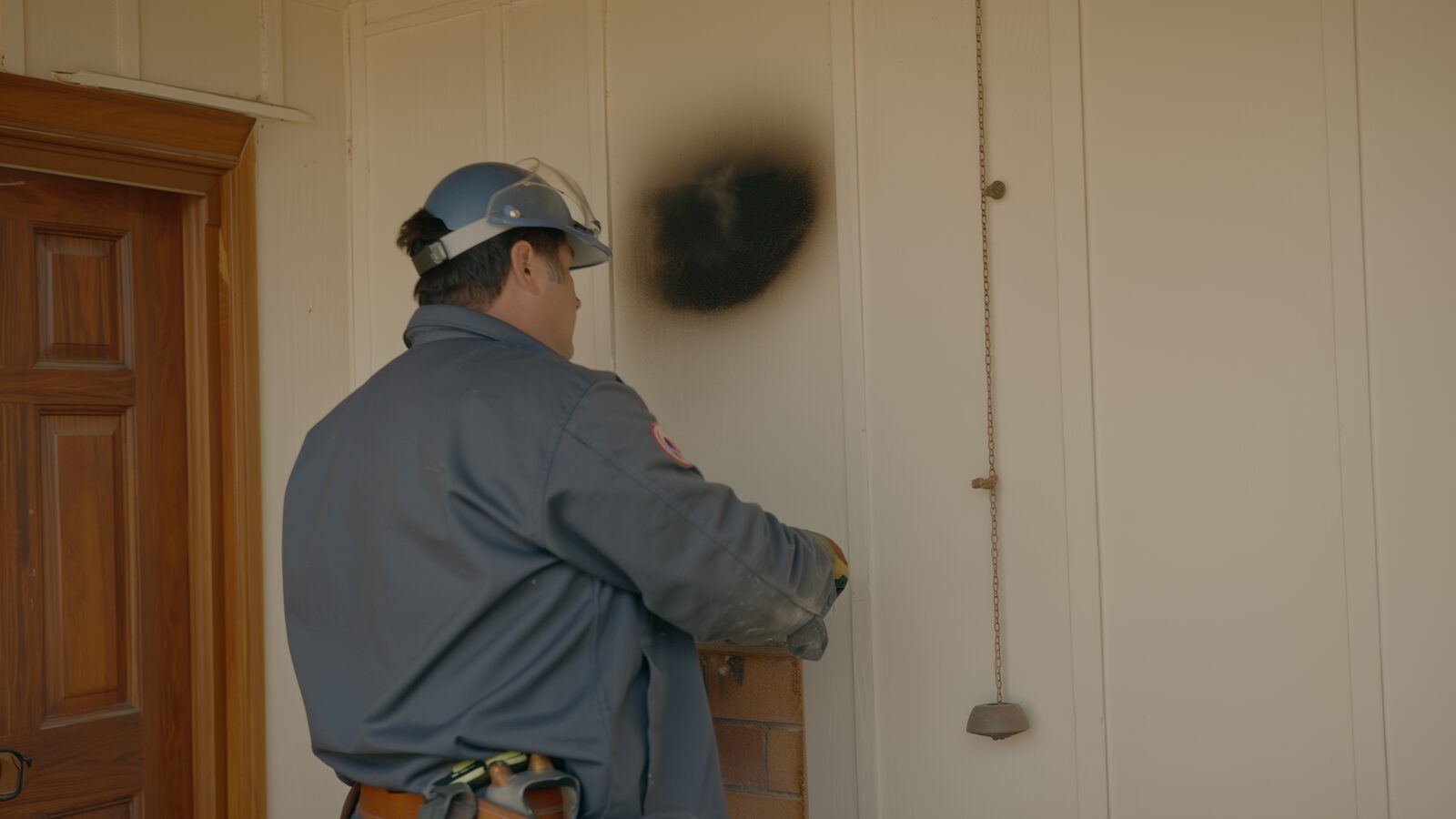
Puffback soot has a distinct look once you know what to look for. It tends to be a fine, black or grayish-black film that is slightly oily or tacky to the touch, not dry and powdery like typical dust. It concentrates around HVAC supply registers and return vents first, then radiates outward across ceilings and walls near those openings in a feathered or streaked pattern, sometimes called 'ghosting.' Because the soot travels through the duct system, you'll often see it in rooms far from the furnace itself, which is part of what makes it confusing at first. It can also settle on furniture, blinds, and electronics, and it tends to cling to surfaces near air currents, like the top of a doorframe or the edge of a ceiling fan blade.
Why it's different from a typical house fire or dust problem
Ordinary dust builds up slowly and evenly. A puffback event happens fast and distributes soot through the very system designed to move air through your whole house, so the pattern shows up at vents and along airflow paths rather than settling flat on horizontal surfaces the way dust does. Unlike smoke damage from an open fire, puffback soot is usually not accompanied by heat damage or charring. The ductwork itself typically holds a layer of soot that will continue to redistribute fine particles every time the furnace runs again until it's cleaned out, which is why the smell and the film can seem to reappear even after a surface wipe-down.
Questions people ask us
Can I just clean the soot off myself?
Surface wiping can help with visible soot on hard surfaces, but puffback soot is oily and tends to smear rather than lift with a dry cloth, and it often coats the inside of the ductwork where you can't reach it. Until the duct system and furnace are addressed, soot can keep recirculating every time the heat runs.
Is it safe to keep running the furnace after a puffback?
A furnace that has puffed once has shown that something in its combustion process isn't working correctly, so it's worth having it inspected before running it again. Continuing to operate it can keep pushing more soot through the ducts and into living spaces.
Does homeowners insurance typically cover puffback cleanup?
Many policies treat sudden and accidental events like a puffback differently than gradual damage, but coverage details vary by policy and insurer, so it's worth reviewing your specific policy or asking your agent directly.
How do I know if it's a puffback versus a chimney or fireplace soot issue?
Puffback soot concentrates around HVAC vents and follows the path of your ductwork throughout the house, while chimney or fireplace soot tends to stay closer to the fireplace opening and chimney chase. If the pattern radiates from multiple rooms' vents at once, a furnace event is the more likely source.
The standard our team works to
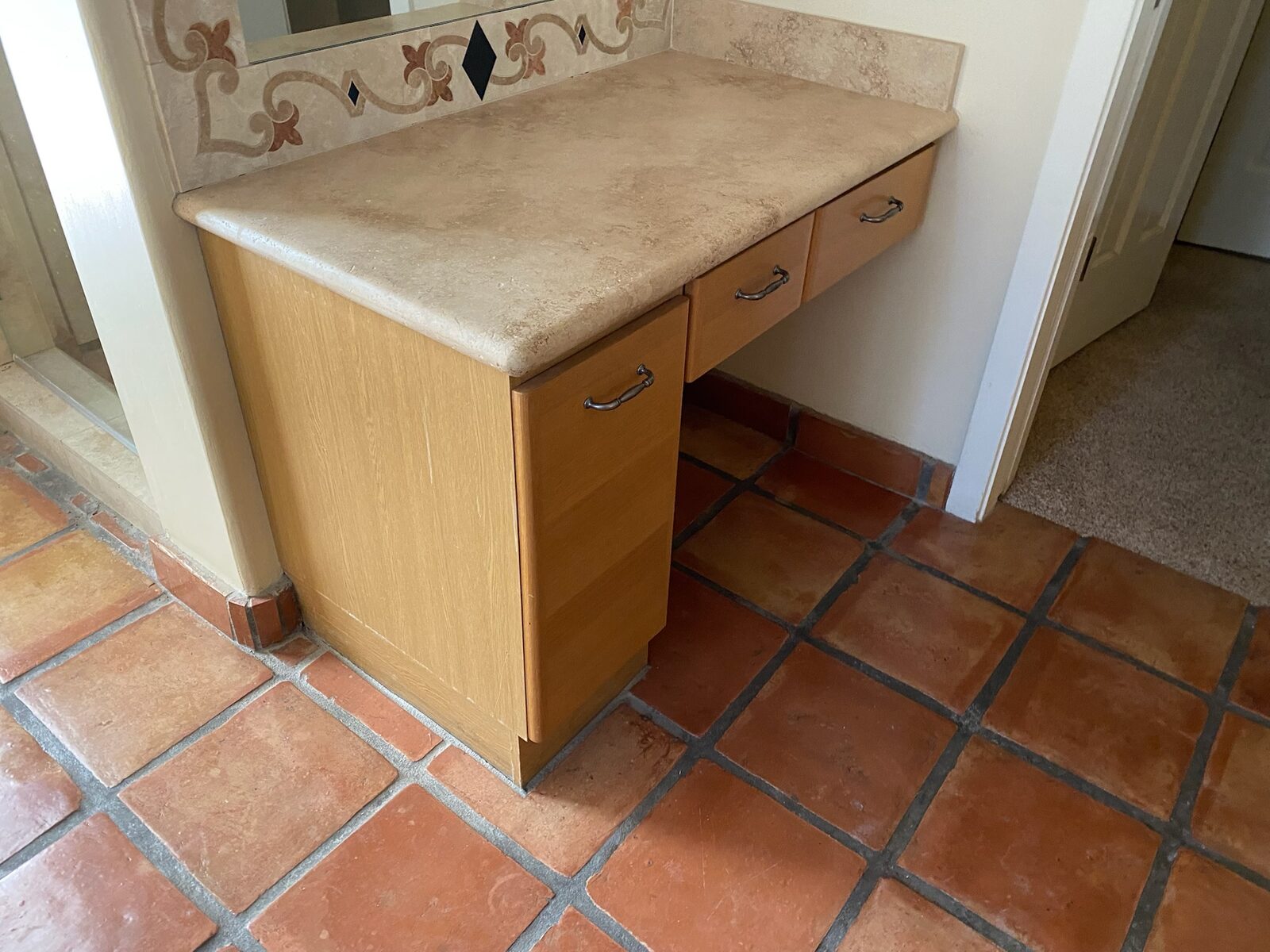
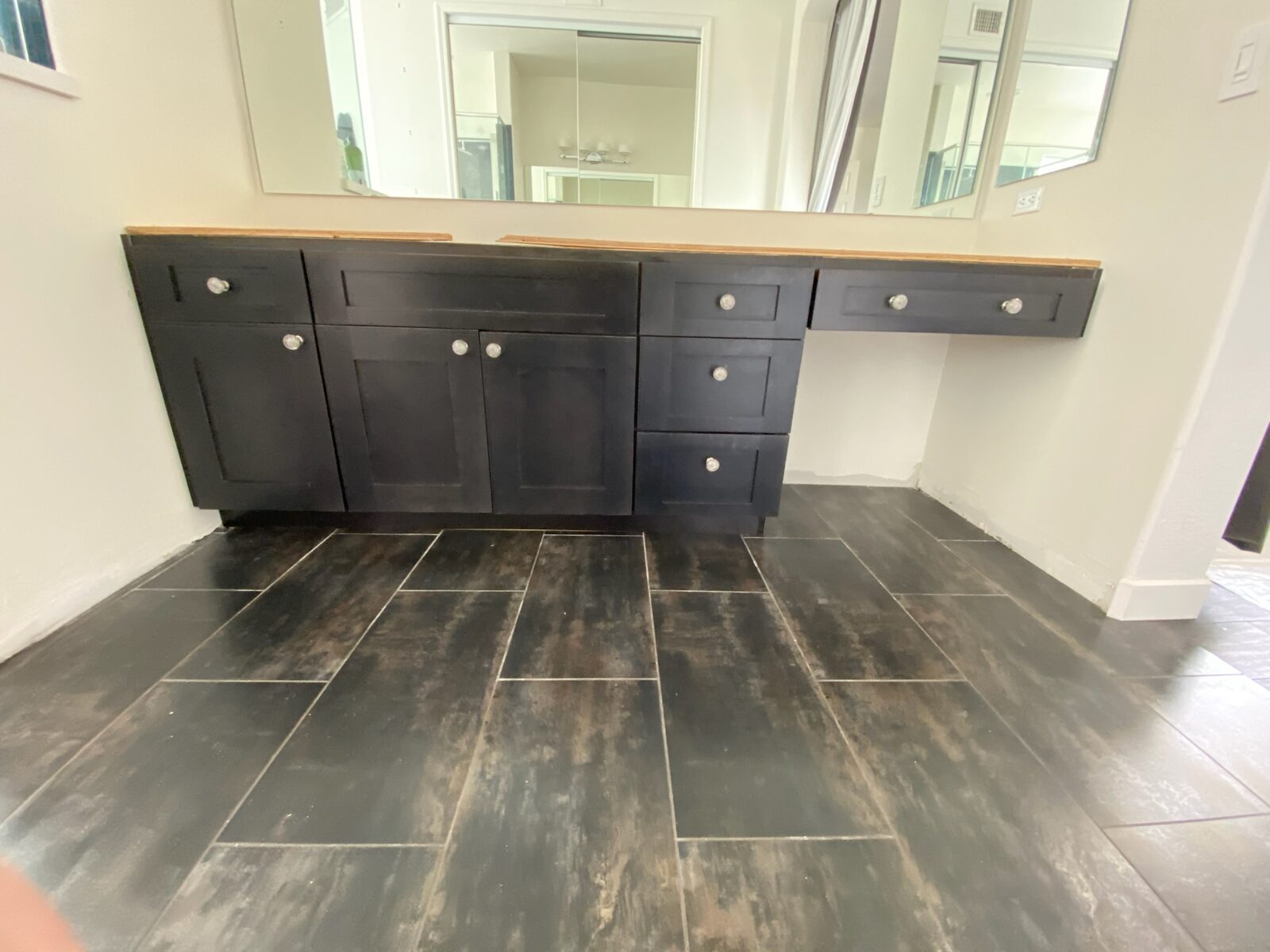
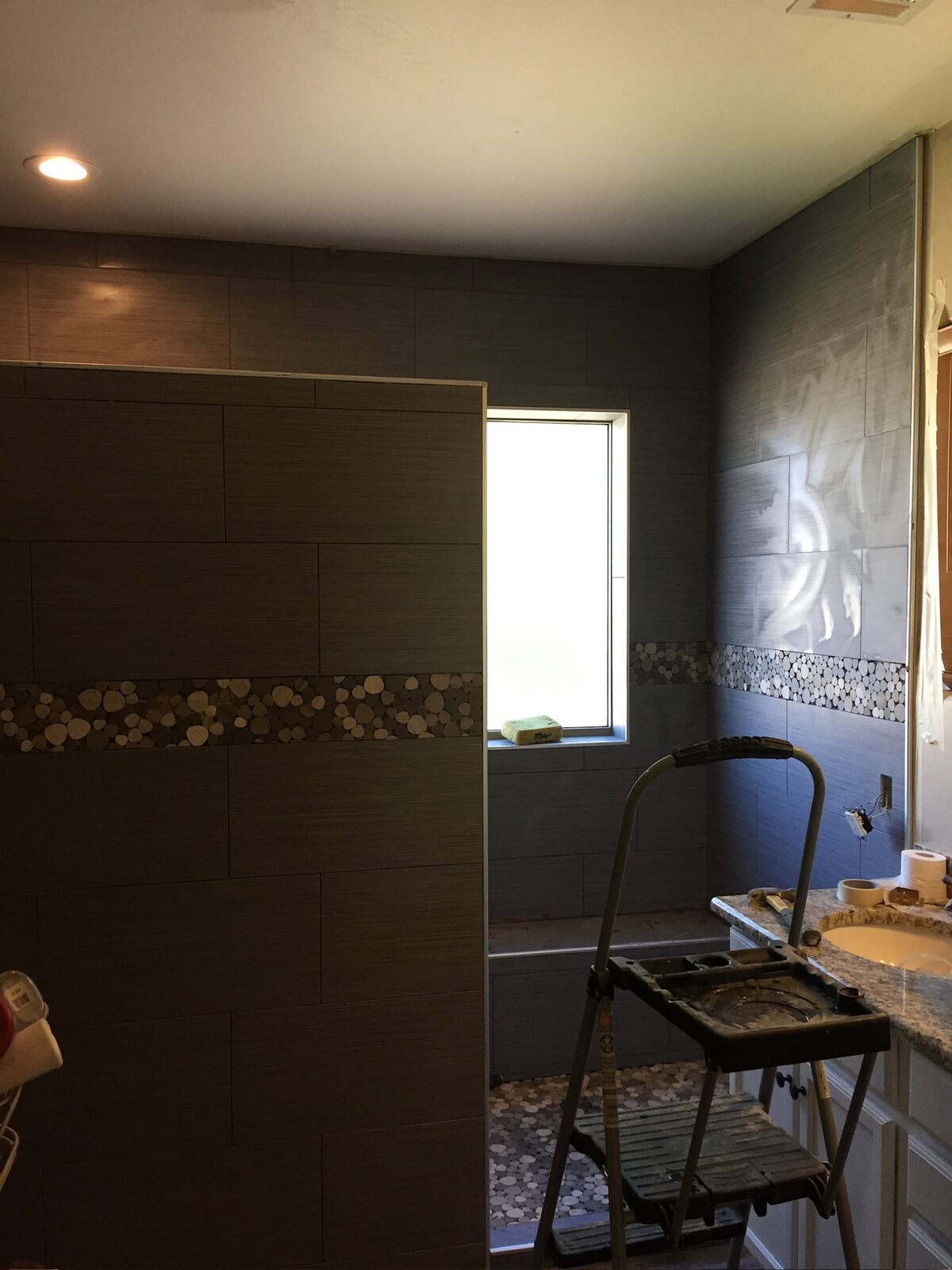
Residential reconstruction work by members of our team. See the full gallery →
More from Gold Water Fire
Abrasive Cleaning Methods for Soot on Framing and Masonry
A look at how abrasive cleaning methods remove soot from wood framing and masonry after a fire, and when each method fits the material.
AC Condensate Line Clogs & the Water Damage They Cause in Phoenix Homes
Why Phoenix AC condensate lines clog every summer, what the water damage looks like, and how to find the source before the ceiling stain spreads again.
Actual Cash Value vs Replacement Cost: Why Your Check Might Not Match the Repair Bill
Confused why your insurance check seems short after fire or water damage? Learn the difference between actual cash value and replacement cost coverage.
Dealing with soot damage in your home right now?
If you're trying to figure out how far a puffback has spread through your home, Gold Water Fire can walk the property with you and explain what you're looking at. Reach the team through the <a href="/contact.html">contact page</a> or call to talk through what you're seeing.
Call (480) 999-3339Fire Damage Restoration · Water Damage Restoration · About Gold Water Fire · Contact Gold Water Fire